
Breaking The Silence: Understanding Erectile Dysfunction
Erectile dysfunction (ED) is often shrouded in mystery and stigma. It’s a topic that many find uncomfortable to discuss, yet understanding it is crucial for both your health and your relationships. In this article, you’ll find an empathetic dive into the complexities of erectile dysfunction—its causes, treatments, and how to seek help. Let’s break the silence together.
Defining Erectile Dysfunction
Erectile dysfunction is the persistent inability to achieve or maintain an erection sufficient for satisfactory sexual performance. It’s more than just an occasional difficulty; ED is typically diagnosed when the issue occurs frequently over a period of time. Knowing that this condition is far more common than you might think can be a comforting first step. Estimates suggest that nearly 30 million men in the United States alone experience some level of erectile dysfunction.
Understanding what constitutes ED is essential, but it’s equally important not to let embarrassment prevent you from addressing it. The good news is that acknowledging that it can happen to anyone is the first step toward finding a solution that works for you.
The Psychological Aspect of Erectile Dysfunction
Erecting barriers to intimacy can sometimes start in your mind. Factors such as anxiety, depression, and stress can significantly impact your ability to perform sexually. If life demands are weighing you down—be it work pressures, family responsibilities, or relationship issues—you may find yourself struggling in the bedroom.
Recognizing that psychological factors play a role in ED is important. Speaking openly about what you’re feeling can help alleviate anxiety and foster a stronger emotional connection with your partner. Don’t underestimate the importance of having a tender conversation about your thoughts and feelings.

The Physical Causes of Erectile Dysfunction
While psychological aspects are significant, many physical conditions can also contribute to erectile dysfunction. Health issues such as diabetes, heart disease, hypertension, and obesity can impair blood flow, which is crucial for achieving an erection. Hormonal imbalances, particularly low testosterone, can also play a role in ED.
Being proactive about your health is vital. Regular check-ups can help detect underlying conditions early. If you’re experiencing erectile dysfunction, consider keeping track of other symptoms you may have. This information will be invaluable during a conversation with your healthcare provider.
Lifestyle Factors that Influence Erectile Dysfunction
Your daily lifestyle choices can have a profound impact on erectile function. Factors such as smoking, heavy alcohol consumption, poor diet, and a sedentary lifestyle can all contribute to ED.
Making small but impactful changes—like incorporating regular physical activity into your routine or improving your diet—can significantly enhance your sexual health. Not only do these adjustments make you feel better physically, but they often enhance mental well-being as well.

The Importance of Communication
One of the greatest hurdles in addressing erectile dysfunction can be communication, or lack thereof. You might feel that mentioning issues with your erection will lead to embarrassment or disappointment for you or your partner. However, open and honest communication is crucial for maintaining a healthy relationship.
Talking about your feelings can help clear the air and alleviate some of the pressure you may be feeling. It’s important to remind yourself that your partner is likely to appreciate your honesty and vulnerability. Creating an understanding environment will empower both of you to tackle ED together.
Seeking Professional Help
Taking the step to consult a healthcare provider can feel daunting, but it’s essential. Professionals can help identify the underlying causes of your erectile dysfunction and outline a suitable treatment plan. This may involve a physical examination, psychological evaluation, and potentially some blood tests.
Remember, you are not alone on this journey. Many healthcare professionals are trained to handle these sensitive discussions with empathy and understanding. When you’re ready to seek help, choose a physician you feel comfortable with—a good rapport can make all the difference.
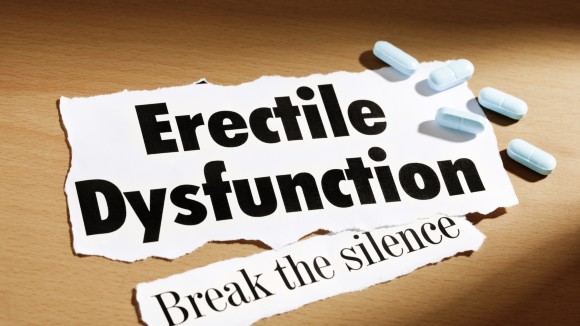
Treatment Options for Erectile Dysfunction
There’s a range of treatment options available for erectile dysfunction, depending on the underlying cause. Among the most common are oral medications, such as Viagra or Cialis. These medications can be effective for many men, but they are not a one-size-fits-all solution.
Alongside medication, other treatments may include therapy, lifestyle changes, or even medical interventions such as injections or vacuum erection devices. Exploring these alternatives with your healthcare provider will ensure you find an approach that fits your lifestyle and emotional needs.
Natural Remedies and Home Treatments
If you prefer a holistic approach, you may want to delve into natural remedies. Some research suggests that supplements like L-arginine, ginseng, and yohimbine may aid in improving erectile function.
It’s crucial to approach natural treatments with caution. What works for one person may not work for you, and not all supplements are safe. Always consult your healthcare provider before starting any new regimen, especially if you take other medications.

The Role of Therapy and Counseling
For many men, psychological factors play a significant role in erectile dysfunction. Seeking help from a therapist can provide valuable insights, guidance, and coping strategies. Cognitive-behavioral therapy (CBT), for instance, can help you address the negative thought patterns that may be contributing to ED.
Therapy isn’t just beneficial for you; it can also strengthen your relationship. Couples counseling can enhance communication and intimacy, fostering a supportive environment where both partners feel comfortable discussing their needs and concerns.
Lifestyle Changes that Can Help
Making lifestyle adjustments can have a positive impact on your sexual health. Here are a few changes you might consider:
- Exercise: Regular physical activity can improve blood flow and reduce stress.
- Diet: Eating a balanced diet rich in fruits, vegetables, whole grains, and lean proteins can benefit your overall health and libido.
- Quit Smoking: If you smoke, consider quitting. Smoking is known to constrict blood vessels and impair circulation, directly affecting erectile function.
- Limit Alcohol: While a drink or two may make you feel relaxed, excessive drinking can have a detrimental effect on your sexual performance.
- Manage Stress: Incorporate stress management techniques such as yoga or meditation into your life. Reducing stress can greatly reduce the impact of psychological factors contributing to ED.
Small, consistent changes can lead to significant improvements over time. While some alterations may take longer to yield results, persistence is key.

Discussing ED with Your Partner
Having the conversation about erectile dysfunction with your partner may feel intimidating, but it’s a crucial step in maintaining a healthy relationship. Choose a comfortable setting, free from distractions, and express your feelings honestly.
You might begin by acknowledging your struggles and emphasizing that it isn’t a reflection of your feelings towards them. Engagement in this dialogue often helps foster understanding and reduces tension surrounding the topic.
The Importance of Support Systems
Navigating erectile dysfunction can feel isolating, but you don’t have to go through it alone. Whether it’s family, friends, or support groups, connecting with others who share similar experiences can provide comfort and reduce feelings of isolation.
Online forums, local support groups, and couples counseling can serve as valuable resources. Sharing your story may help you realize that you’re not alone, as many men face similar challenges. The shared experiences can foster connection, acceptance, and healing.
Myths and Misconceptions About Erectile Dysfunction
Erectile dysfunction is often surrounded by myths that can perpetuate stigma and confusion. Understanding the truth behind these misconceptions can empower you to seek help without feeling shame:
- Myth: ED only happens to older men.
Truth: While it’s more common as men age, younger men can also experience it due to various factors. - Myth: ED is always a sign of a serious medical condition.
Truth: While underlying health conditions can contribute to ED, it’s often situational and temporary. - Myth: You must always be erect to be a “real” man.
Truth: Sexual performance does not define your masculinity or worth. - Myth: Talking about ED is pointless—it won’t change anything.
Truth: Open discussions can foster understanding, reduce anxiety, and help you identify solutions.
By debunking these myths, you allow yourself the freedom to explore treatment options without self-judgment.
Moving Forward: Empowering Yourself
Overcoming erectile dysfunction is not merely about finding a solution; it’s about empowering yourself. Recognizing that ED is a common issue can help put things into perspective. Rather than a source of shame, it can be seen as a health issue that requires attention and care.
Educating yourself on the condition, maintaining open lines of communication, and taking proactive steps in your lifestyle can all lead to improvements—both physically and emotionally. Remember, taking action is key.
Conclusion: Breaking the Silence Together
Breaking the silence surrounding erectile dysfunction is essential for fostering understanding and compassion. Whether it’s through medical assistance, lifestyle changes, or simply engaging in honest conversations with your partner, taking steps toward healing is a courageous endeavor.
As you take your journey towards understanding and managing erectile dysfunction, don’t forget to share your experiences with others. By offering support and empathy, you can help others break their silence, too.
If you found this article helpful, please clap for it, leave a comment sharing your thoughts or experiences, and don’t forget to subscribe to my Medium newsletter for updates on upcoming articles. Your journey toward understanding is important, and together we can make a difference in the stigma surrounding erectile dysfunction.