
You’re ready to take control of your skin and banish those pesky breakouts. Building an acne-friendly routine might seem daunting, but with the right approach, you can achieve clearer, healthier skin. As your Listicle Content Architect, I’m here to guide you step-by-step through the process, ensuring you have a comprehensive and actionable plan. Forget the one-size-fits-all advice; we’re crafting a routine tailored to you and your unique skin.
Before you even think about slapping on a new product, you need to get to know your enemy. Understanding the type of acne you’re dealing with and its potential causes is paramount to building an effective, acne-friendly routine. This isn’t about self-diagnosis by Googling scary images; it’s about informed observation and, if necessary, professional guidance.
What Kind of Breakouts Are You Battling?
Your routine will differ significantly depending on whether you’re dealing with occasional whiteheads or a persistent, inflammatory battle.
The Blackheads and Whiteheads Brigade (Comedonal Acne)
These are your non-inflammatory acne lesions. Blackheads are open pores clogged with sebum and dead skin cells, which oxidize and turn dark. Whiteheads, on the other hand, are closed pores with the same congestion but remain closed, appearing as small white bumps.
- Your Goal: To gently exfoliate dead skin cells and excess sebum, keeping pores clear and preventing them from becoming inflamed.
- Key Ingredients to Look For: Salicylic acid, gentle physical exfoliants (used sparingly), and ingredients that help regulate sebum production.
The Red, Angry Army (Inflammatory Acne)
This is where things get a bit more serious. Inflammatory acne includes papules (small, red, tender bumps), pustules (papules with pus at the tip, often called pimples), nodules (large, painful lumps beneath the skin’s surface), and cysts (deep, painful, pus-filled lesions that can lead to scarring).
- Your Goal: To reduce inflammation, kill acne-causing bacteria, and promote healing without further irritation.
- Key Ingredients to Look For: Benzoyl peroxide, sulfur, tea tree oil, azelaic acid, and potentially prescription-strength treatments.
Identifying Potential Triggers: The Unseen Culprits
Acne isn’t always solely about pore congestion; external and internal factors can play a significant role. Pinpointing your triggers will empower you to make lifestyle adjustments that complement your skincare routine.
Diet: The Food-Acne Connection
While the direct link between specific foods and acne is still debated, many individuals report improvements when certain dietary changes are made. It’s about listening to your body.
- High Glycemic Index Foods: These are rapidly digested carbohydrates that can cause blood sugar spikes, potentially leading to increased sebum production and inflammation. Think white bread, sugary drinks, and processed snacks.
- Dairy: For some, dairy consumption can exacerbate acne. This is often linked to hormones present in milk.
- Processed Foods and Sugary Snacks: Beyond their glycemic index, these often contain inflammatory ingredients and can disrupt your gut health, which is increasingly linked to skin health.
- Hydration is Key: Don’t underestimate the power of water! Dehydration can stress your skin and body, potentially leading to breakouts. Aim for at least 8 glasses a day.
Hormonal Fluctuations: The Monthly Rollercoaster
Hormones, especially androgens, play a significant role in sebum production. This is why many experience breakouts around their menstrual cycle, during puberty, or due to conditions like PCOS.
- Menstrual Cycle: Recognize patterns in your breakouts. If they consistently appear before or during your period, it signals a hormonal influence.
- Stress: Yes, stress can literally make you break out! When you’re stressed, your body produces more cortisol, a hormone that can increase oil production and inflammation.
Lifestyle Factors: The Daily Habits
Your daily habits can also contribute to or alleviate acne.
- Hair Products and Makeup: Comedogenic (pore-clogging) ingredients can transfer to your skin and cause breakouts. Always check ingredient lists and opt for “non-comedogenic” labels.
- Touching Your Face: Your hands carry bacteria and oils. Avoid unnecessary touching, picking, or squeezing of blemishes, as this can spread bacteria and lead to scarring.
- Sleep Quality: Lack of sleep can disrupt your body’s natural healing processes and increase stress hormones, both of which can worsen acne. Aim for 7-9 hours of quality sleep per night.
- Hygiene Practices: Regularly cleaning your phone screen, changing your pillowcases, and washing workout gear can prevent the transfer of bacteria and oil to your skin.
2. The Cleansing Crusaders: Purifying Your Canvas
Cleansing is the bedrock of any skincare routine, especially for acne-prone skin. It removes dirt, oil, and impurities that can clog pores and lead to breakouts. However, you need to be gentle. Over-stripping your skin can do more harm than good, leading to irritation and increased oil production.
The Gentle Approach: Why Less is More
Harsh cleansers might seem like a quick fix, but they often strip your skin’s natural oils, throwing its delicate balance off.
- Avoid Sulfates (SLS/SLES): These are harsh detergents that can be very drying and irritating. Look for sulfate-free formulas.
- Beware of Fragrance and Dyes: These can be common irritants for sensitive, acne-prone skin. Opt for fragrance-free and dye-free options.
- The “Naked” Skin Test: After cleansing, your skin should feel clean and refreshed, not tight, dry, or stripped. If it feels that way, your cleanser is likely too harsh.
Choosing the Right Cleanser for Your Acne Type
Your cleanser should be a targeted weapon against your specific breakout battles.
For Comedonal Acne (Blackheads & Whiteheads)
You need a cleanser that can gently dissolve impurities and slough away dead skin cells.
- Salicylic Acid Cleansers: This is your superhero ingredient. Salicylic acid is a beta-hydroxy acid (BHA) that is oil-soluble, meaning it can penetrate into your pores to break down sebum and dead skin cells, preventing blackheads and whiteheads from forming. Start with a lower concentration (0.5-1%) and use it 2-3 times a week initially, gradually increasing frequency as your skin tolerates it.
- Foaming Cleansers (Non-Stripping): A gentle foaming cleanser can effectively remove excess oil without stripping. Look for formulas with ingredients like glycerin or hyaluronic acid to ensure hydration.
- Clay Cleansers: Clays like kaolin or bentonite can absorb excess oil and draw out impurities from pores, making them excellent for oily and blackhead-prone skin. Use them a few times a week as a more intense purification step.
For Inflammatory Acne (Papules, Pustules, etc.)
Your focus here is on reducing inflammation and bacteria while cleansing.
- Benzoyl Peroxide Cleansers: Benzoyl peroxide is a powerful antibacterial agent that kills Propionibacterium acnes (P. acnes), the bacteria often implicated in inflammatory acne. It also has mild exfoliating properties. Start with a lower concentration (2.5-5%) as it can be drying and potentially bleach fabrics. Use it sparingly at first to avoid irritation.
- Sulfur Cleansers: Sulfur has antibacterial and anti-inflammatory properties, making it a gentler alternative for some compared to benzoyl peroxide. It also helps to dry out existing blemishes.
- Gentle, Hydrating Cleansers with Anti-Inflammatory Boosts: If your inflammatory acne is also very sensitive, a gentle, hydrating cleanser with added ingredients like green tea extract or chamomile can help calm the skin while effectively cleansing.
The Double Cleansing Technique: For Deeper Purification
If you wear makeup or sunscreen regularly, or if your skin feels particularly congested, double cleansing can be a game-changer.
- Step 1: Oil-Based Cleanse: Use a cleansing oil or balm to dissolve makeup, sunscreen, and excess sebum. Massage it gently onto dry skin, then add a little water to emulsify, and rinse thoroughly.
- Step 2: Water-Based Cleanse: Follow up with your chosen acne-friendly cleanser (as described above) to remove any remaining residue and ensure your skin is thoroughly clean. This method purifies without stripping.
3. The Treatment Titans: Targeted Therapies for Breakouts
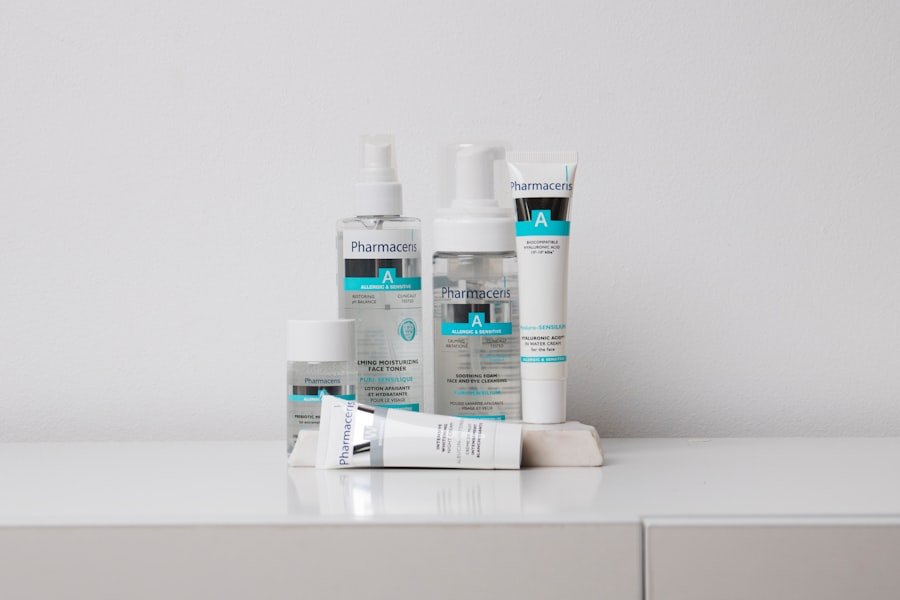
Once your canvas is clean, it’s time to bring in the heavy artillery: treatment products. These are designed to actively combat acne-causing bacteria, reduce inflammation, and promote cell turnover. This is where you’ll find the most potent ingredients, so it’s crucial to introduce them gradually and monitor your skin’s response.
Exfoliation Essentials: Unlocking Smoother Skin
Exfoliation is critical for removing dead skin cells that can clog pores. However, over-exfoliation is a common pitfall that can lead to increased redness, irritation, and even more breakouts.
Chemical Exfoliants (Acids): Your Precision Tools
These work by dissolving the bonds between dead skin cells.
- Salicylic Acid (BHA): As mentioned earlier, this is your go-to for comedonal acne. It penetrates pores to unclog them. Look for leave-on treatments like serums or toners with 1-2% salicylic acid.
- Alpha Hydroxy Acids (AHAs): AHAs like glycolic acid and lactic acid work on the skin’s surface to improve texture and tone. Glycolic acid is stronger, while lactic acid is gentler and also more hydrating. They can be beneficial for post-inflammatory hyperpigmentation (dark spots left after acne) as well.
- Azelaic Acid: This multi-tasker is anti-inflammatory, antibacterial, and helps to unclog pores. It can also help with redness and hyperpigmentation. It’s a good option for those who find other exfoliants too harsh.
Physical Exfoliation: Use with Extreme Caution
While physical scrubs can remove dead skin cells, they can also cause micro-tears in the skin, leading to inflammation and irritation, especially for active breakouts.
- Gentle Grains: If you opt for a physical exfoliant, choose one with very fine, evenly sized particles like jojoba beads or finely ground oats. Avoid harsh scrubs with jagged edges like crushed nut shells.
- Frequency is Key: Use physical exfoliants only 1-2 times per week at most, and never on active, inflamed breakouts.
Spot Treatments: The Blemish Busters
When a stubborn pimple appears, a spot treatment can provide targeted relief.
- Benzoyl Peroxide Spot Treatments: Excellent for killing bacteria and reducing inflammation on individual pimples. Apply a small amount directly to the blemish once or twice a day. Be aware that it can be drying.
- Salicylic Acid Spot Treatments: These can help to break down the blockage within a pimple and reduce its size.
- Sulfur Spot Treatments: A gentler option for drying out blemishes and reducing inflammation.
- Pimple Patches: These hydrocolloid patches are fantastic. They help to absorb fluid from a pimple, protect it from bacteria and picking, and create a moist healing environment. Some contain medicated ingredients for added benefit.
Treatments for Inflammatory Acne: Calming the Storm
For more severe or persistent inflammatory acne, you might need treatments that address inflammation and bacteria more directly.
- Topical Antibiotics (Prescription): If prescribed by a dermatologist, these help to kill acne-causing bacteria. They are often used in combination with other treatments to prevent antibiotic resistance.
- Topical Retinoids (Prescription or Over-the-Counter): These are Vitamin A derivatives that speed up cell turnover, preventing pores from becoming clogged and reducing inflammation. They can be very effective but also come with a period of adjustment (purging) and potential for dryness and irritation. Start with a low concentration and use them at night.
4. The Moisture Mavens: Hydration for Balanced Skin
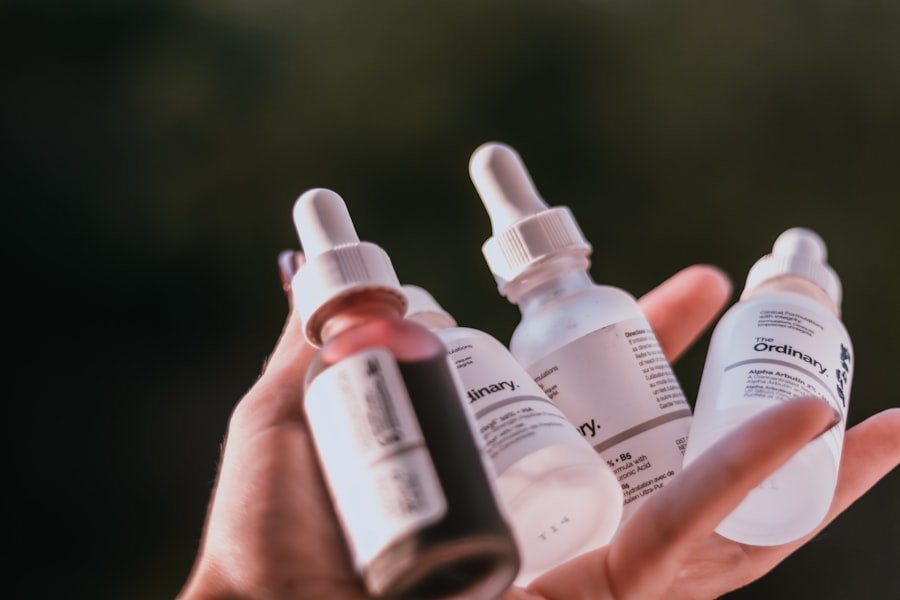
It might seem counterintuitive, but if you have oily, acne-prone skin, you absolutely need to moisturize. When your skin is dehydrated, it actually tries to compensate by producing even more oil, leading to a vicious cycle of greasiness and breakouts. The key is to choose the right kind of moisturizer.
Why Hydration is Crucial for Acne-Prone Skin
Think of your skin like a well-tended garden. Even the most robust plants need consistent watering to thrive.
- Preventing Over-Compensatory Oil Production: When your skin’s moisture barrier is compromised, it signals to your sebaceous glands to ramp up oil production to compensate. This can lead to a greasier complexion and more clogged pores.
- Supporting a Healthy Skin Barrier: Your skin barrier is your first line of defense against environmental aggressors and bacteria. Proper hydration keeps this barrier strong and resilient, which is crucial for managing acne.
- Soothing Irritation: Many acne treatments can be drying and irritating. A good moisturizer can help to soothe this discomfort and prevent your skin from becoming overly inflamed.
- Improving Treatment Efficacy: Well-hydrated skin is more receptive to other skincare treatments. When your skin is dry and compromised, it can’t effectively absorb and utilize beneficial ingredients.
Choosing the Right Moisturizer: Lightweight and Non-Comedogenic
Forget thick, greasy creams. For acne-prone skin, you want a moisturizer that is both effective and won’t clog your pores.
- “Non-Comedogenic” is Your Mantra: This label indicates that the product has been formulated so as not to clog pores.
- Lightweight Formulas: Look for gel-based moisturizers, lotions, or water-based formulations. These are designed to absorb quickly and feel light on the skin.
- Oil-Free Options: While not all oils are bad, oil-free formulas are generally a safer bet for acne-prone skin as they are less likely to contribute to greasiness.
- Key Hydrating Ingredients:
- Hyaluronic Acid: A humectant that draws moisture from the air into your skin, providing deep hydration without feeling heavy.
- Glycerin: Another excellent humectant that helps to keep skin hydrated and supple.
- Ceramides: These are essential lipids that form a vital part of your skin’s natural barrier. Replenishing ceramides can help improve hydration and reduce inflammation.
- Niacinamide (Vitamin B3): This powerhouse ingredient offers a multitude of benefits for acne-prone skin, including reducing inflammation, regulating sebum production, improving the skin barrier, and minimizing the appearance of pores.
- Soothing Ingredients: If your skin is sensitive or irritated from acne treatments, look for moisturizers containing:
- Centella Asiatica (Cica): Known for its skin-soothing and healing properties.
- Allantoin: Helps to calm and protect the skin.
- Chamomile Extract: Offers anti-inflammatory benefits.
When to Moisturize: Consistency is Key
Don’t skimp on this crucial step!
- After Cleansing: Apply your moisturizer to slightly damp skin after cleansing. This helps to lock in moisture.
- Morning and Night: Both your morning and evening routines should include a moisturizer.
- Throughout the Day (if needed): If you experience dryness or tightness during the day, a light spritz of a hydrating facial mist can provide a quick refresh.
5. The Sunscreen Savvy: Protecting Your Progress
| Step | Product | Frequency |
|---|---|---|
| Cleansing | Gentle cleanser | Twice a day |
| Exfoliating | Exfoliating scrub | 1-2 times a week |
| Treating | Acne treatment (e.g. benzoyl peroxide) | Once a day |
| Moisturizing | Oil-free moisturizer | Twice a day |
| Sun protection | Oil-free sunscreen | Every morning |
This is non-negotiable. You’ve invested time and effort into building an acne-friendly routine, and sunscreen is the ultimate protector of your progress. Many acne treatments can make your skin more sensitive to the sun, and sun exposure can worsen post-inflammatory hyperpigmentation (those dark spots left after blemishes heal), making them more noticeable and harder to fade.
Why Sunscreen is an Acne Warrior
It’s not just about preventing sunburn; it’s about maintaining healthy, clear skin.
- Preventing Post-Inflammatory Hyperpigmentation (PIH): Sun exposure darkens PIH, making it look more prominent and prolonging its duration. This is especially important for individuals with darker skin tones, who are more prone to PIH.
- Reducing Inflammation: UV radiation can actually trigger and worsen inflammation in the skin, which is the last thing you want when dealing with acne.
- Preventing Further Breakouts: While not a direct cause, sun damage can compromise your skin’s integrity, potentially making it more susceptible to future breakouts.
- Protecting Against Premature Aging: While clearing acne is your primary goal, it’s also worth noting that sunscreen is your best defense against wrinkles, fine lines, and sunspots.
Choosing the Right Sunscreen for Acne-Prone Skin
Just like with moisturizers, the right sunscreen will feel lightweight and won’t exacerbate your breakouts.
- “Non-Comedogenic” is Still Your Friend: This is a must for any sunscreen you use on your face.
- Oil-Free Formulas: Look for sunscreens specifically formulated to be oil-free, as they are less likely to contribute to greasiness.
- Mineral Sunscreens (Physical Blockers): These contain zinc oxide and titanium dioxide, which sit on top of the skin and physically block UV rays. They are often gentler and less irritating for sensitive, acne-prone skin. Look for micronized formulas for less of a white cast.
- Chemical Sunscreens (with careful ingredient selection): If you prefer chemical sunscreens, be sure to check the ingredient list for potentially pore-clogging or irritating components. Opt for modern chemical filters that are known to be well-tolerated.
- Lightweight Textures: Gel-sunscreens, lotions, or fluid formulations are ideal as they absorb quickly and won’t feel heavy or greasy.
- SPF 30 or Higher: Ensure your sunscreen offers broad-spectrum protection (protects against both UVA and UVB rays) and has an SPF of at least 30.
The Application Ritual: Making it a Habit
Make sunscreen a non-negotiable part of your morning routine.
- Apply Generously: Don’t be shy! Apply a sufficient amount to all exposed areas of your face and neck.
- Reapply Regularly: If you’re spending time outdoors, sweating, or swimming, reapply your sunscreen every two hours.
- Don’t Forget Your Neck and Ears: These areas are often forgotten but are just as susceptible to sun damage.
6. Lifestyle Adjustments and When to Seek Professional Help
Your skincare routine is a powerful tool, but it works best when supported by healthy lifestyle choices and, when necessary, professional guidance. Building an acne-friendly routine is a holistic journey, and these additional elements can significantly amplify your results.
The Power of Lifestyle: Beyond the Bathroom Cabinet
The habits you cultivate outside of your skincare routine can have a profound impact on your skin’s health.
Stress Management: The Inner Peace Path
Chronic stress can disrupt your hormones and trigger inflammation, both of which are detrimental to acne-prone skin.
- Mindfulness and Meditation: Even a few minutes of daily meditation can help reduce cortisol levels and promote a sense of calm.
- Regular Exercise: Physical activity is a fantastic stress reliever. It also improves circulation, which can benefit your skin. Just be sure to cleanse your face afterward to remove sweat.
- Adequate Sleep: As mentioned earlier, quality sleep is crucial for your body’s repair processes. Aim for 7-9 hours of uninterrupted sleep each night.
- Deep Breathing Exercises: When you feel overwhelmed, taking a few slow, deep breaths can help to instantly lower your stress response.
Diet Refinements: Fueling Your Skin
While the direct food-acne link is complex, making conscious dietary choices can support your skin’s health from within.
- Focus on Whole Foods: Prioritize fruits, vegetables, lean proteins, and healthy fats. These provide essential nutrients and antioxidants.
- Hydration, Hydration, Hydration: Water is your skin’s best friend. Aim for at least 8 glasses of water daily.
- Consider an Elimination Diet (with professional guidance): If you suspect specific foods are triggering your acne, work with a doctor or registered dietitian to systematically eliminate and reintroduce foods to identify potential culprits.
- Limit Inflammatory Foods: Reducing your intake of processed foods, excessive sugar, and unhealthy fats can help to calm inflammation throughout your body, including your skin.
Hygiene Habits with a Purpose
Simple, consistent hygiene practices can prevent the spread of bacteria and keep your skin clearer.
- Clean Your Phone Screen Regularly: Your phone is a breeding ground for bacteria. Wipe it down daily with an antibacterial wipe.
- Change Pillowcases Frequently: Aim to change your pillowcase every 2-3 days, especially if you’re an active sleeper. Bacteria and oil can accumulate on your pillowcase overnight.
- Wash Makeup Brushes and Sponges: Clean your makeup tools at least once a week to prevent the transfer of bacteria to your face.
- Avoid Touching Your Face: Consciously try to keep your hands away from your face throughout the day.
Knowing When to Call in the Pros: Dermatologist and Esthetician
While you can achieve significant results with an at-home routine, sometimes you need a little extra help. Don’t hesitate to seek professional guidance.
The Dermatologist: Your Skin’s Medical Expert
A dermatologist is a medical doctor specializing in skin conditions. They are your best resource for more severe or persistent acne.
- Diagnosis of Underlying Conditions: They can accurately diagnose the type of acne and identify any underlying medical conditions that might be contributing (e.g., hormonal imbalances, rosacea).
- Prescription Treatments: They can prescribe stronger topical medications (retinoids, antibiotics) or oral medications (antibiotics, hormonal therapies, isotretinoin) that are not available over-the-counter.
- Scarring Prevention and Treatment: Dermatologists can offer treatments to prevent acne scarring and manage existing scars (e.g., chemical peels, laser treatments, microneedling).
The Esthetician: Your Skincare Specialist
An esthetician is a licensed skincare professional who can provide targeted treatments and personalized advice.
- Professional Facials: Estheticians can perform deep cleansing facials, extractions (when done safely and hygienically), and provide treatments tailored to acne-prone skin.
- Product Recommendations: They can help you navigate the complex world of skincare products and recommend those best suited for your specific needs.
- Guidance on At-Home Care: An esthetician can help you refine your at-home routine and ensure you’re using products correctly.
- Manual Extractions (Professional): If you have persistent blackheads or whiteheads that are difficult to manage at home, a skilled esthetician can perform gentle, hygienic extractions.
Building an acne-friendly routine is a journey of discovery and consistency. By understanding your skin, choosing the right products, and adopting supportive lifestyle habits, you are well on your way to achieving the clear, healthy complexion you desire. Remember, patience and perseverance are your greatest allies.
FAQs
What is an acne-friendly routine?
An acne-friendly routine is a skincare regimen specifically designed to help manage and prevent acne breakouts. It typically involves using gentle, non-comedogenic products and incorporating acne-fighting ingredients such as salicylic acid or benzoyl peroxide.
How do I build an acne-friendly routine?
To build an acne-friendly routine, start by using a gentle cleanser, followed by a non-comedogenic moisturizer and sunscreen. Incorporate acne-fighting ingredients such as salicylic acid or benzoyl peroxide in the form of a treatment or serum. It’s important to introduce new products gradually and patch test to avoid irritation.
What ingredients should I look for in acne-friendly products?
When choosing acne-friendly products, look for ingredients like salicylic acid, benzoyl peroxide, niacinamide, and sulfur, which are known for their acne-fighting properties. Additionally, opt for non-comedogenic products that won’t clog pores and cause further breakouts.
How often should I use acne-fighting products in my routine?
The frequency of using acne-fighting products depends on the individual’s skin type and tolerance. It’s generally recommended to start using these products a few times a week and gradually increase usage as tolerated. However, it’s important to follow the instructions on the product label and consult with a dermatologist if unsure.
What other factors should I consider in an acne-friendly routine?
In addition to using acne-fighting products, it’s important to consider other factors such as maintaining a healthy diet, managing stress levels, and avoiding habits that can exacerbate acne, such as picking or squeezing blemishes. Additionally, regularly washing pillowcases, avoiding heavy makeup, and staying hydrated can also contribute to an acne-friendly routine.