
- ## Understand the Enemy: The Lifecycle of an Acne Scar
You’ve likely experienced the frustration of a stubborn pimple, but have you ever truly understood what happens beneath the surface that can lead to those persistent marks? Preventing acne scars isn’t about a magical cure; it’s about a proactive and informed approach that addresses the root causes and mitigates the damage. To effectively prevent scars, you must first grasp how they form. Think of it as learning your opponent’s playbook to anticipate their moves.
1.1. The Genesis of a Pimple: Inflammation is Key
It all begins with the humble pimple, a seemingly innocuous breakout. But the story of scarring is far more complex than just a surface blemish. When your pores become clogged with oil, dead skin cells, and bacteria, your body’s immune system kicks into high gear. This triggers an inflammatory response – the redness, swelling, and pain you associate with acne. This inflammation is the crucial first step towards potential scarring. Even a mild breakout, if it becomes significantly inflamed, can set the stage for future discoloration or textural changes.
1.2. When Inflammation Goes Rogue: Beyond the Surface
The real damage occurs when this inflammation extends beyond the initial pore to the surrounding skin tissue. The body’s healing process, while designed to repair damage, can sometimes overcompensate. This overcompensation is where scarring truly takes hold. Depending on the severity of the inflammation and your individual skin’s healing capacity, this process can lead to two main types of scars:
1.2.1. Atrophic Scars: The Depressed Defenders
These are the most common type of acne scars, appearing as small indentations or divots in the skin. They form when the body doesn’t produce enough collagen during the healing process. The skin literally collapses inward, creating a sunken appearance. You’ll often find these described as “ice pick” scars (narrow, deep pits), “boxcar” scars (wider, U-shaped depressions with sharp, defined edges), or “rolling” scars (wider, U-shaped depressions with sloping edges that give the skin an uneven, wavy texture). Your immune system’s response during inflammation, particularly if it’s prolonged or severe, can disrupt the normal collagen production cycle.
1.2.2. Hypertrophic and Keloid Scars: The Overzealous Repair Crew
Less common for acne, but still a possibility with severe inflammation, are hypertrophic and keloid scars. These scars are raised on the skin’s surface. They occur when the body produces an excess of collagen during the healing process. This overproduction causes the scar tissue to build up, creating a raised, thick appearance. Hypertrophic scars are confined to the original wound area, while keloid scars extend beyond it. For acne, this is more likely to occur on the chest and back, where the skin may have a different healing response.
1.3. The Role of Picking and Popping: An Invitation to Scarring
This is arguably the most critical point for prevention. You know that urge to pick at a zit, to squeeze it and “get it over with”? Resist it with all your might. When you pick or pop a pimple, you are essentially forcing that inflammation deeper into the skin and disrupting the natural healing process. You’re introducing more bacteria, increasing the risk of infection, and significantly amplifying the inflammatory response. This, in turn, makes it much more likely that your skin will produce irregular amounts of collagen, leading to those tell-tale indentations or raised marks. It’s like trying to fix a delicate machine by banging on it – you’re bound to cause more damage than good.
- ## Your First Line of Defense: Proactive Acne Management
The most effective way to prevent acne scars is to prevent acne from becoming severe in the first place. Think of this as building a strong immune system for your skin. If you can keep breakouts under control, you drastically reduce the chances of them leaving a lasting imprint. This isn’t about banishing every single pimple, but about managing outbreaks effectively and minimizing their impact.
2.1. Early Intervention: Strike While the Pimple is Young
The moment you notice a pimple developing, it’s time to act. Don’t wait for it to fester and become a deep, painful cyst. Over-the-counter (OTC) acne treatments can be your best friends here. Look for ingredients like:
2.1.1. Benzoyl Peroxide: The Bacterial Buster
This powerful ingredient works by killing the bacteria that contribute to acne. It also has a mild exfoliating effect, helping to unclog pores. Start with a lower concentration (2.5% to 5%) to minimize irritation, and apply it directly to the affected areas.
2.1.2. Salicylic Acid: The Pore Purge
A beta-hydroxy acid (BHA), salicylic acid is oil-soluble, meaning it can penetrate deep into your pores to dissolve the sebum and dead skin cells that cause clogs. It also has anti-inflammatory properties, which can help reduce redness and swelling. You’ll find it in cleansers, toners, and spot treatments.
2.1.3. Sulfur: The Gentle Warrior
For those with sensitive skin, sulfur can be a gentler alternative. It helps to reduce inflammation and dry out excess oil. It’s often found in spot treatments and masks, and while it has a distinct smell, its efficacy is well-established.
2.2. The Power of a Consistent Skincare Routine: Building Resilience
A well-structured and consistent skincare routine is the bedrock of healthy, scar-resistant skin. This isn’t about a complicated 12-step process, but about establishing good habits that support your skin’s natural functions.
2.2.1. Gentle Cleansing: Removing the Day’s Grime Without Stripping
You need to cleanse your face twice a day – once in the morning to remove overnight oil buildup and dead skin cells, and again in the evening to remove makeup, dirt, and pollution. The key here is gentle. Harsh scrubbing or using overly stripping cleansers can irritate your skin, leading to more inflammation and potentially triggering breakouts. Opt for a mild, non-foaming cleanser that doesn’t leave your skin feeling tight or dry.
2.2.2. Moisturizing is Non-Negotiable: Hydration Fuels Healing
It might seem counterintuitive to moisturize acne-prone skin, but it’s crucial. When your skin is dehydrated, it can actually produce more oil to compensate, leading to more breakouts. A good moisturizer also helps to strengthen your skin’s barrier function, making it more resilient to inflammation and better equipped to heal. Look for oil-free, non-comedogenic (won’t clog pores) moisturizers, often labeled for acne-prone or sensitive skin.
2.2.3. Sun Protection: Guarding Against Post-Inflammatory Hyperpigmentation (PIH)
This is a critical, often overlooked step in scar prevention, especially for darker skin tones. Sun exposure can significantly worsen the appearance of acne marks, transforming red or brown spots into longer-lasting hyperpigmentation. UV rays can cause the skin to produce more melanin (pigment) in the damaged areas, making them darker. Apply a broad-spectrum SPF of 30 or higher every single day, even when it’s cloudy.
- ## The Golden Rule of Scar Prevention: Keep Your Hands Off!
You’ve heard it before, and you’ll hear it again: do not pick, pop, or squeeze your pimples. Seriously. This is the single most damaging habit you can engage in when it comes to preventing acne scars. Let’s break down why this seemingly simple directive is so vital and what happens when you ignore it.
3.1. The Mechanics of Damage: Beyond the Surface Breach
When you pick at a pimple, you’re not just removing a visible bump. You’re creating a micro-wound. This wound can:
3.1.1. Push Bacteria Deeper: A Recipe for Infection
Your fingernails and hands are breeding grounds for bacteria. When you touch, pick, or squeeze, you’re pushing these bacteria into the open pore, potentially causing a secondary infection. This infection further exacerbates inflammation, making scarring much more likely and severe.
3.1.2. Disrupt Natural Healing: Halting the Repair Process
Your skin has a sophisticated system for healing itself. When you pick, you rip apart delicate tissues, disrupt blood vessels, and prevent the natural inflammatory process from resolving properly. This forces your skin to work overtime in the repair stages, often leading to abnormal collagen production.
3.2. The Immediate Aftermath: Inflammation Amplified
The immediate consequence of picking is almost always increased inflammation. The redness and swelling around the area will likely worsen, and the pimple may appear larger and more angry. This is your skin’s signal that it’s under distress. Ignoring this signal and continuing to pick at it only prolongs the suffering of your skin.
3.3. The Long-Term Consequences: Scarring Becomes the Norm
- Atrophic Scars: Picking can lead to the destruction of collagen and elastin fibers in the surrounding skin. When the wound eventually heals, there might not be enough of these vital structural proteins to plump the skin back up to its original level, resulting in the sunken appearance of atrophic scars. Think of it as pulling threads from a fabric – the area will naturally sag.
- Hyperpigmentation: Even if you don’t develop an actual indented or raised scar, picking can trigger post-inflammatory hyperpigmentation (PIH). This is when the skin produces more melanin in the area as it tries to heal. The trauma of picking causes a more intense inflammatory response, leading to darker, persistent marks that can linger for months or even years.
3.4. When You Absolutely Cannot Resist: Professional Intervention and Alternatives
We understand that sometimes the urge is overpowering. If you find yourself struggling immensely with the urge to pick, consider these strategies:
3.4.1. Seek Professional Help: A Dermatologist’s Guidance
For severe acne or persistent picking habits (a condition known as dermatillomania), consulting a dermatologist is crucial. They can diagnose the underlying causes, prescribe stronger treatments, and offer behavioral strategies to manage compulsive picking.
3.4.2. Calming the Urge: Distraction and Physical Barriers
When the urge strikes, try to distract yourself immediately. Engage in an activity that requires your hands, like knitting, playing an instrument, or even just doodling. For those particularly prone to picking at night, consider wearing cotton gloves to bed.
3.4.3. Hydration Patches and Hydrocolloid Bandages: The Protective Shield
For individual pimples, hydrocolloid bandages (often found in pimple patches) are a game-changer. These small, discreet patches create a moist healing environment for the blemish, absorb excess fluid, and, crucially, act as a physical barrier, preventing you from picking at it. They can also help flatten the lesion and reduce inflammation.
- ## Targeted Treatments for Active Breakouts: Minimizing Damage Potential
Beyond a general skincare routine, there are specific treatments that can be incorporated to target active breakouts and further minimize their potential to scar. These are often more potent than everyday products and require a bit more strategic application, but their benefits in preventing long-term damage are substantial.
4.1. Spot Treatments: Precision Strikes Against Inflammation
Spot treatments are designed for direct application to individual blemishes. They deliver concentrated active ingredients precisely where they’re needed most, helping to reduce inflammation and speed up the healing process, thereby lowering the risk of scarring.
4.1.1. Salicylic Acid Spot Treatments: The Pore Disintegrator
These are highly effective for unclogging pores and reducing inflammation. Look for formulations with 2% salicylic acid. They can be applied 1-2 times a day as needed. Remember, even with spot treatments, avoid picking at the treated area.
4.1.2. Benzoyl Peroxide Spot Treatments: The Pimple’s Nemesis
As mentioned earlier, benzoyl peroxide is excellent at killing acne-causing bacteria. In spot treatments, it’s usually in a higher concentration (around 2.5% to 10%). Be cautious, as higher concentrations can be drying and irritating, so it’s often best to start with a lower percentage and build up tolerance.
4.1.3. Sulfur Spot Treatments: The Soothing Solution
For those who find benzoyl peroxide too harsh, sulfur spot treatments offer a gentler way to reduce inflammation and dry out blemishes. They are often formulated with other ingredients like kaolin clay to draw out impurities.
4.2. Prescription Powerhouses: When OTC Isn’t Enough
If your acne is persistent, severe, or showing signs of becoming cystic, it’s time to consult a dermatologist. They have access to prescription-strength treatments that can be far more effective in managing acne and preventing scarring.
4.2.1. Topical Retinoids: The Cell Turnover Accelerators
Retinoids (like tretinoin, adapalene, and tazarotene) are vitamin A derivatives that work by increasing cell turnover and preventing the formation of microcomedones (the initial stage of a clogged pore). They also help to reduce inflammation and can stimulate collagen production over time, which aids in healing and can minimize existing scarring. Prescription retinoids are potent and require careful introduction to avoid irritation and dryness.
4.2.2. Topical Antibiotics: Battling Bacterial Overgrowth
In cases of bacterial acne, dermatologists may prescribe topical antibiotics (like clindamycin or erythromycin) to kill acne-causing bacteria and reduce inflammation. These are often combined with benzoyl peroxide to prevent antibiotic resistance.
4.2.3. Oral Medications: Systemic Control
For moderate to severe acne, oral medications are often necessary. These can include:
- Oral Antibiotics: These reduce bacteria and inflammation throughout the body.
- Hormonal Therapies: For women whose acne is linked to hormonal fluctuations, birth control pills or spironolactone can significantly improve breakouts.
- Isotretinoin (Accutane): This is a powerful vitamin A derivative reserved for severe, recalcitrant acne. It works by drastically reducing oil production, preventing clogged pores, and reducing inflammation, making it highly effective at preventing future scarring. It comes with potential side effects and requires close medical supervision.
4.3. Ingredients to Be Wary Of (When Not Properly Managed):
While many ingredients can help, overuse or improper use can also exacerbate inflammation and lead to scarring. This is where understanding your skin type and patch testing becomes crucial.
- Harsh Exfoliants: Over-exfoliating with physical scrubs or strong chemical exfoliants can strip the skin of its natural barrier, leading to irritation and inflammation.
- Alcohol-Based Products: Many toners and astringents contain high levels of alcohol, which can be very drying and irritating, contributing to inflammation.
- ## The Crucial Role of Post-Inflammatory Hyperpigmentation (PIH) Management
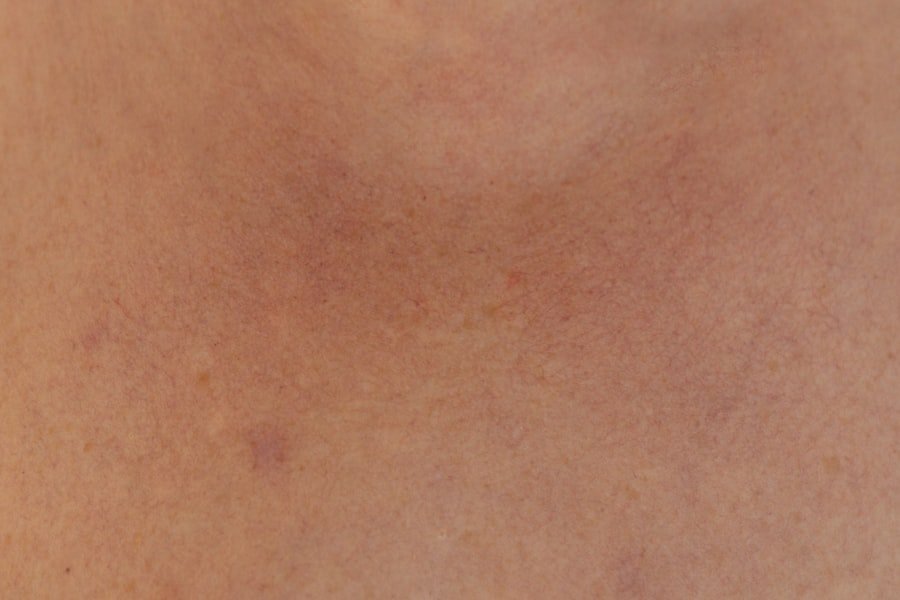
While not technically a scar in the sense of texture change (like atrophic or hypertrophic scars), post-inflammatory hyperpigmentation (PIH) is the dark or red mark left behind after an acne lesion heals. It’s a common concern and, if left untreated, can persist for a long time, often mistaken for scarring. Managing PIH is an integral part of achieving clear, even-toned skin and preventing those lingering reminders of past breakouts.
5.1. Understanding PIH: The Melanin’s Mark
PIH occurs when the skin’s healing response to inflammation or injury (like acne) causes an overproduction of melanin in the affected area. Melanin is the pigment that gives skin its color.
- Red PIH (Post-Inflammatory Erythema – PIE): This is more common in lighter skin tones. It’s caused by damaged blood vessels in the skin after inflammation or injury, resulting in red or pink marks.
- Brown PIH (Post-Inflammatory Hyperpigmentation): This is more common in deeper skin tones and is caused by an overproduction of melanin. It appears as brown or dark brown spots.
5.2. Key Ingredients for Fading PIH: Brightening Your Complexion
Fortunately, there are numerous ingredients that can help fade PIH and prevent it from becoming a long-term issue. Consistency is key with these ingredients.
5.2.1. Vitamin C: The Antioxidant Powerhouse
Vitamin C is a potent antioxidant that helps to brighten the skin, inhibit melanin production, and protect against free radical damage. It can significantly help fade dark spots and even out skin tone. Look for stable forms of vitamin C in serums, applied in the morning.
5.2.2. Niacinamide (Vitamin B3): The Multi-Tasker
Niacinamide is a superstar ingredient that offers a multitude of benefits for acne-prone skin. It helps to reduce inflammation, strengthen the skin barrier, control oil production, and, importantly, it inhibits the transfer of melanosomes (melanin packets) to skin cells, thus reducing the appearance of hyperpigmentation. It’s well-tolerated and can be found in many serums and moisturizers.
5.2.3. Alpha Hydroxy Acids (AHAs): The Gentle Exfoliators
AHAs like glycolic acid and lactic acid work by gently exfoliating the top layer of skin cells, revealing brighter, newer skin underneath. Regular use of AHA-containing products (toners, serums, or chemical peels) can help fade hyperpigmentation and improve skin texture. Start with lower concentrations and incorporate them slowly into your routine to avoid irritation.
5.2.4. Retinoids (Topical and Oral): The Long-Term Repairers
As mentioned earlier, retinoids are excellent for PIH because they increase cell turnover. By shedding the pigmented skin cells more rapidly, they help to fade dark spots over time. Prescription-strength retinoids are particularly effective, but even OTC retinol can make a difference with consistent use.
5.2.5. Azelaic Acid: The Inflammation and Pigmentation Fighter
Azelaic acid has anti-inflammatory and antibacterial properties, making it a great choice for acne-prone skin. It also helps to reduce hyperpigmentation by inhibiting an enzyme involved in melanin production. It’s particularly good for reducing redness from PIE.
5.3. Professional Treatments for Stubborn PIH: When Home Care Isn’t Enough
If you’ve been diligently treating PIH at home and aren’t seeing the desired results, your dermatologist can offer more advanced treatments:
5.3.1. Chemical Peels: Deeper Exfoliation
Medium-depth chemical peels can effectively remove layers of hyperpigmented skin, leading to significant fading of dark spots.
5.3.2. Laser Treatments: Targeted Light Therapy
Lasers like the pulsed dye laser (for redness) or fractional lasers (for texture and pigmentation) can target the pigment or blood vessels responsible for PIH, offering a more intense and often faster solution.
5.3.3. Microneedling: Stimulating Collagen and Repair
Microneedling creates tiny controlled injuries in the skin, which triggers the body’s natural healing response. This process stimulates collagen production and can help break up clumps of pigment, leading to improved skin tone and texture and reduced appearance of PIH.
- ## Building Long-Term Skin Resilience: Beyond the Breakout
Preventing acne scars isn’t just about reactive measures against existing pimples; it’s about cultivating a consistently healthy skin environment that is inherently more resilient to damage and better equipped to heal. This is the holistic approach – treating your skin with respect and providing it with the sustained support it needs to thrive.
6.1. The Importance of a Healthy Lifestyle: Your Skin Reflects Your Body
What you put into your body has a direct impact on your skin’s health and its ability to heal. While diet alone won’t cure acne, a balanced lifestyle can contribute significantly to clearer, more resilient skin.
6.1.1. Balanced Nutrition: Fueling Your Skin’s Repair Systems
- Antioxidant-Rich Foods: Fruits and vegetables packed with vitamins C and E, as well as berries, are powerful antioxidants that can help fight inflammation and support skin repair.
- Omega-3 Fatty Acids: Found in fatty fish, flaxseeds, and walnuts, these healthy fats have anti-inflammatory properties that can calm breakouts.
- Hydration: Drinking plenty of water is crucial for overall skin health, helping to keep it plump, supple, and better able to manage inflammation.
- Limit Processed Foods and Sugar: High glycemic index foods and excessive sugar can lead to inflammation in the body, which can manifest as worsening acne.
6.1.2. Stress Management: The Invisible Aggravator
Chronic stress releases hormones like cortisol, which can increase inflammation and worsen acne. Finding healthy ways to manage stress is vital. This could include:
- Regular Exercise: Physical activity is a great stress reliever and promotes healthy blood circulation.
- Mindfulness and Meditation: Even a few minutes a day can make a difference.
- Adequate Sleep: Aim for 7-9 hours of quality sleep per night. Sleep is when your body undertakes most of its repair processes.
6.2. Gentle Handling and Avoiding Irritation: Nurturing Your Skin’s Barrier
Your skin’s barrier function is its first line of defense against external aggressors and internal moisture loss. Damaging this barrier can lead to increased sensitivity, inflammation, and a weakened ability to heal.
6.2.1. Avoid Harsh Scrubs and Over-Exfoliation: Less is More
While exfoliation is important for cell turnover, overdoing it with harsh physical scrubs or aggressively chemical exfoliants can strip away your skin’s natural oils and damage its barrier. Opt for gentle chemical exfoliants like AHAs and BHAs a few times a week, and always patch-test new products.
6.2.2. Be Mindful of Ingredients: Recognize Potential Irritants
Some ingredients, while beneficial for some, can be irritating to others, especially those with sensitive or acne-prone skin. Always check ingredient lists and be aware of common irritants like artificial fragrances, certain essential oils, and high concentrations of alcohol.
6.2.3. Proper Product Application: No Need for Force
When applying skincare products, there’s no need to rub or tug aggressively. Gently patting or sweeping products onto your skin is sufficient and much kinder to your precious skin cells.
6.3. The Long Game: Patience and Persistence
Achieving clear, scar-free skin is often a marathon, not a sprint. It requires patience, consistency, and a willingness to adapt your approach as your skin changes. Don’t get discouraged by occasional setbacks. Focus on implementing these principles consistently, and you’ll be well on your way to significantly reducing your risk of acne scarring and cultivating a healthier, more radiant complexion. Remember, you’re building a foundation for lifelong skin health, and that’s a strategy that truly pays off.
FAQs
What causes acne scars?
Acne scars are caused by inflammation within the dermis, which can occur when the skin pores become clogged with excess oil, dead skin cells, and bacteria. When the pore swells and breaks open, the skin can be damaged, leading to scarring.
Can acne scars be prevented?
While it may not be possible to completely prevent acne scars, there are steps that can be taken to minimize their occurrence. This includes treating acne promptly, avoiding picking or squeezing pimples, and using sunscreen to protect the skin from sun damage.
What treatments are available for acne scars?
There are several treatments available for acne scars, including laser therapy, chemical peels, microneedling, and dermal fillers. These treatments can help to improve the appearance of acne scars, but results may vary depending on the type and severity of the scarring.
Are there any home remedies for acne scars?
Some home remedies that may help improve the appearance of acne scars include applying aloe vera, using honey and cinnamon masks, and applying vitamin E oil. However, it’s important to consult with a dermatologist before trying any home remedies to ensure they are safe and effective.
When should I see a dermatologist for acne scars?
If you are concerned about acne scars or are experiencing emotional distress due to their appearance, it’s important to see a dermatologist. A dermatologist can assess the severity of the scarring and recommend appropriate treatments to help improve the skin’s appearance.