
Congratulations on completing your cancer treatment! The journey towards beating cancer is undoubtedly a difficult one, but now the real challenge begins as you navigate life after treatment. In this article, we will explore the various aspects of cancer survivorship, from managing physical and emotional changes to redefining your goals and finding support. Join us as we delve into the inspiring stories of cancer survivors who have thrived after treatment, offering valuable insights and practical tips to help you embrace this new chapter with optimism and resilience.
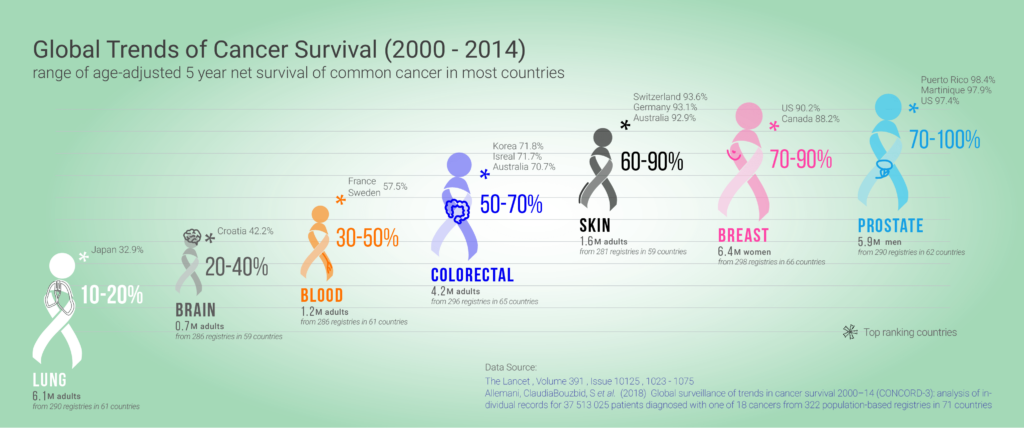
Physical Health
Physical changes after treatment
After completing cancer treatment, it is common to experience various physical changes. These changes can vary depending on the type and stage of cancer, as well as the specific treatment received. Some physical changes may include changes in appearance, such as hair loss or weight fluctuations. Surgical scars or physical limitations may also be present. It is important to remember that these changes are normal and part of the healing process.
Managing side effects
Treatment for cancer often comes with side effects that can affect your physical well-being. Side effects may include fatigue, pain, nausea, and changes in appetite. It is essential to communicate any side effects to your healthcare team so that they can provide you with appropriate support and therapies. They can offer strategies to manage these effects, such as medications, lifestyle modifications, and complementary therapies. Remember that each person’s experience with side effects may differ, and it is important to advocate for your needs and seek help when necessary.
Maintaining a healthy lifestyle
Maintaining a healthy lifestyle is crucial for cancer survivors. Eating a well-balanced diet, rich in fruits, vegetables, whole grains, and lean proteins can provide the necessary nutrients to support your recovery and overall well-being. Regular physical activity is also important, as it can help improve energy levels, manage stress, and reduce the risk of other health conditions. Additionally, getting ample rest and quality sleep can aid in your body’s healing process. Consulting with a registered dietitian and working with a healthcare professional to develop an exercise routine that suits your needs is highly recommended.
Importance of regular check-ups
Regular check-ups are an essential part of post-cancer treatment care. It is crucial to attend follow-up appointments with your healthcare team, even if you feel well. These appointments provide an opportunity for your healthcare provider to monitor your health, detect any potential signs of recurrence or new cancers, and address any concerns you may have. Establishing a survivorship care plan with your healthcare team can ensure that you receive the necessary screenings, tests, and vaccinations to maintain your health and well-being in the long term.
Emotional Well-being
Dealing with fear and anxiety
Fear and anxiety are common emotions experienced by cancer survivors. After going through a life-changing event like cancer, it is natural to have concerns about the future, recurrence, or the impact on your loved ones. It is important to acknowledge and accept these feelings and find healthy ways to cope with them. Engaging in relaxation techniques, such as deep breathing exercises or meditation, can help reduce anxiety. Seeking support from friends, family, or a mental health professional can also provide valuable outlets for expressing and addressing your fears.
Addressing depression and mood swings
Depression and mood swings can also be experienced during and after cancer treatment. It is important to recognize the signs of depression, such as a persistent feeling of sadness, loss of interest in activities, or changes in appetite or sleep patterns. If you experience these symptoms, it is crucial to reach out to your healthcare team or a mental health professional for guidance and support. They can offer strategies to manage depression, such as therapy, medication, or support groups specifically catered to cancer survivors.
Finding support
Navigating life after cancer can be challenging, but finding support is essential. Connecting with other cancer survivors through support groups or online communities can provide a sense of belonging and understanding. Sharing experiences, concerns, and advice with others who have gone through similar journeys can be incredibly therapeutic. Additionally, reaching out to family and friends for emotional support and leaning on your healthcare team can provide guidance and reassurance during this time.
Coping strategies
Developing healthy coping strategies can help you navigate the emotional challenges that may arise after cancer treatment. Engaging in activities that bring you joy and relaxation, such as hobbies, exercise, or spending time in nature, can provide a sense of normalcy and calm. Journaling or expressing your thoughts and emotions through creative outlets can also be therapeutic. Remember to be patient with yourself and to give yourself time to heal emotionally, as everyone’s journey is unique.
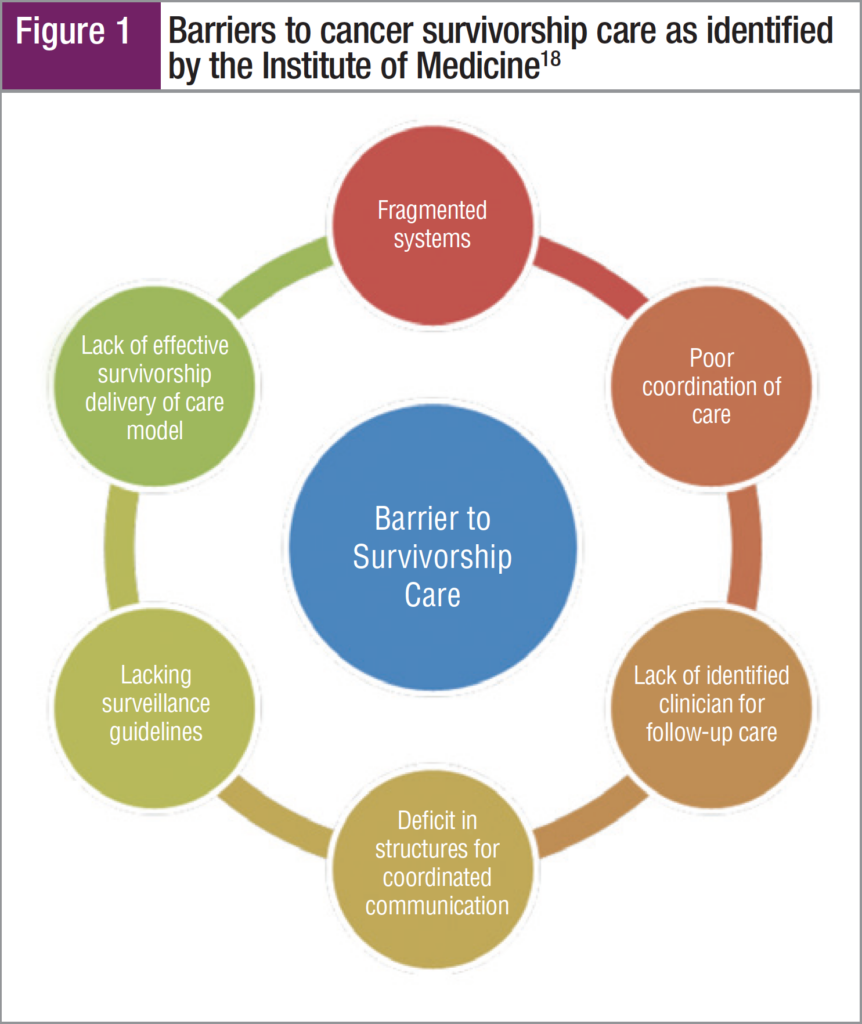
Relationships and Social Support
Communicating with loved ones
Cancer can impact relationships with loved ones, and open communication is key to addressing any challenges that may arise. It is important to express your needs, concerns, and feelings openly and honestly with your loved ones. They may not fully understand what you have been through, so providing them with information about your experience and how it has affected you can help foster understanding and support.
Rebuilding relationships
Cancer treatment can sometimes strain relationships, and it is important to rebuild and strengthen connections with loved ones. Engage in activities together, prioritize quality time, and actively listen to one another. Remember that both you and your loved ones may have experienced significant emotional changes, and patience and empathy are essential when rebuilding relationships.
Joining support groups
Joining support groups for cancer survivors can provide a valuable space for connecting with others who have had similar experiences. These groups often provide a safe and supportive environment where you can share your thoughts, fears, and triumphs with individuals who truly understand. Support groups can have an empowering effect, as they offer a sense of community and camaraderie during the survivorship journey.
Importance of social connections
Maintaining social connections is vital for your emotional well-being as a cancer survivor. Whether it’s spending time with family and friends or engaging in community activities, social interactions can provide a sense of belonging and support. Reach out to your loved ones or consider joining community organizations and clubs to expand your social network. Embracing the support of others can greatly enhance your overall quality of life.
Career and Financial Concerns
Returning to work
Returning to work after cancer treatment can be a significant milestone. However, it is important not to rush this process and prioritize your health and recovery. Communicate with your healthcare team and employer to discuss a gradual return-to-work plan, flexible hours, or accommodations that may be necessary. Be open and honest about your needs and any physical or emotional limitations you may have. It may also be helpful to seek guidance from vocational counselors who specialize in assisting cancer survivors in their return to the workforce.
Managing productivity and fatigue
Fatigue is a common side effect of cancer treatment, and managing productivity in the workplace can be challenging. Prioritizing self-care, such as taking breaks, practicing stress-reducing techniques, and maintaining a healthy work-life balance can help manage fatigue. It may also be beneficial to adjust your workload, delegate tasks when possible, and communicate with your supervisor or human resources department about your limitations, as they may be able to provide additional support or accommodations.
Understanding legal protections
As a cancer survivor, it is important to understand your legal rights and protections in the workplace. Familiarize yourself with laws such as the Americans with Disabilities Act (ADA) and the Family and Medical Leave Act (FMLA). These laws may provide job protection, reasonable accommodations, and unpaid leave for medical treatment. If you encounter any discrimination or unfair treatment in the workplace due to your cancer history, it is essential to consult with an employment attorney to understand your rights and explore potential legal action if necessary.
Financial planning and resources
Cancer treatment can be costly, and it is crucial to plan and manage your finances effectively. Evaluate your insurance coverage and understand what treatments, medications, and follow-up care are covered. Seek financial assistance programs or resources to help alleviate the financial burden. Non-profit organizations, government assistance programs, or social workers at your healthcare facility may provide guidance on available resources. Additionally, consider working with a financial planner or advisor specializing in healthcare to help you navigate the financial aftermath of cancer treatment and plan for the future.

Intimacy and Sexuality
Addressing changes in sexual function
Cancer and its treatments can significantly impact sexual function and intimacy. It is important to have open and honest conversations with your healthcare team about any changes or concerns you may have regarding your sexual health. They can provide guidance, recommend treatment options, or refer you to specialists who can address specific issues you may be facing. Remember that addressing these changes and seeking help is an essential part of reclaiming your intimacy and sexual well-being.
Discussing intimacy with partners
Open communication with your partner about intimacy and sexual concerns is crucial. It may be challenging to broach these topics, but maintaining a supportive and understanding environment can help foster emotional connection and intimacy. Sharing your experiences and concerns with your partner openly and honestly can help both of you navigate the changes together. Consider seeking couples counseling or therapy to address specific challenges and learn strategies for enhancing intimacy in your relationship.
Seeking professional help if needed
If cancer-related changes in sexual function or intimacy persist, seeking professional help can be beneficial. Sex therapists, counselors, or psychologists who specialize in addressing the specific challenges faced by cancer survivors can provide valuable guidance and support. They can help you and your partner navigate these changes, provide techniques for improved intimacy, and explore alternative forms of intimacy if necessary. Remember, seeking professional assistance is a brave and proactive step towards reclaiming your sexual well-being.
Exploring alternative forms of intimacy
Depending on individual circumstances, cancer survivors may need to explore alternative forms of intimacy to maintain emotional connection and satisfy their sexual needs. This can involve activities such as cuddling, holding hands, or engaging in non-sexual physical touch. Exploring shared hobbies and interests, engaging in deep conversations, or practicing emotional vulnerability can also strengthen the intimacy within your relationship. Remember that intimacy extends beyond sexual activity, and finding alternative ways to connect can lead to fulfilling and satisfying relationships.
Follow-up Care and Survivorship Plans
Importance of regular follow-up appointments
Attending regular follow-up appointments with your healthcare team is crucial for ongoing monitoring and maintenance of your health as a cancer survivor. These appointments provide an opportunity for your healthcare provider to assess your recovery, detect any potential signs of recurrence or new cancers early, and offer necessary preventive care. Regular follow-ups also provide a valuable space for you to ask questions, discuss concerns, and receive guidance on managing long-term effects of treatment.
Creating a survivorship care plan
A survivorship care plan is a personalized roadmap for managing your health and well-being after cancer treatment. Work with your healthcare team to create a survivorship care plan that addresses your specific needs. This plan may include information about your treatment history, potential long-term effects, recommended screenings and follow-up care, and resources for support and self-care. Having a survivorship care plan can provide a sense of security and empower you to actively manage your health.
Monitoring for recurrence or secondary cancers
While completing cancer treatment is a significant achievement, cancer survivors need to remain vigilant about monitoring for any signs of recurrence or the development of secondary cancers. Regular screenings, self-examinations, and reporting any new symptoms to your healthcare team are essential practices. Understand the signs and symptoms related to your cancer type, and be proactive in seeking medical attention if you notice any changes. By actively participating in your detection process, you can ensure early detection and timely intervention if necessary.
Managing long-term effects of treatment
Cancer treatment can have long-term effects on your physical and emotional well-being. These effects may manifest in various ways, such as fatigue, pain, cognitive difficulties, or emotional challenges. It is important to address these effects proactively. Communicate with your healthcare team about any ongoing concerns and seek appropriate support. They can help develop strategies to manage and alleviate these effects, recommend rehabilitative services, or refer you to specialists who can assist in managing long-term consequences.
Healthy Lifestyle Choices
Good nutrition and hydration
A healthy diet plays a vital role in promoting overall health and well-being for cancer survivors. Focus on consuming a variety of nutrient-dense foods, including fruits, vegetables, whole grains, and lean proteins. Stay hydrated by drinking ample water throughout the day. It may be helpful to consult with a registered dietitian who specializes in oncology to create a personalized nutrition plan that meets your specific needs.
Regular physical activity
Regular physical activity can improve physical and emotional well-being for cancer survivors. Engage in activities that you enjoy and are safe for your health condition. Aim for a combination of aerobic exercise, strength training, and flexibility exercises to maintain overall fitness. Start slowly and gradually increase intensity and duration as your strength and endurance improve. Seek guidance from a healthcare professional or certified exercise specialist to create an exercise routine suited to your needs.
Avoiding tobacco and excessive alcohol consumption
Maintaining a smoke-free lifestyle is crucial for cancer survivors. Smoking can increase the risk of developing various health conditions, including cancer recurrence. If you smoke, seek resources and support to quit smoking. Additionally, limit alcohol consumption as excessive drinking can have detrimental effects on your health. Consult with your healthcare team to understand the recommended alcohol limits for cancer survivors.
Stress management techniques
Managing stress is important for overall well-being. Explore stress management techniques that work for you, such as meditation, deep breathing exercises, yoga, or engaging in hobbies and activities that bring you joy. Prioritize self-care and establish a healthy work-life balance. Remember to pace yourself and seek support when needed. By effectively managing stress, you can enhance your quality of life and reduce the risk of developing stress-related health conditions.
Financial and Legal Considerations
Understanding insurance coverage
Understanding your insurance coverage is crucial for managing the financial burden of cancer treatment. Review your insurance policy and understand the coverage and benefits for cancer-related services, medications, and follow-up care. Familiarize yourself with any limitations, deductibles, or out-of-pocket expenses you may be responsible for. If you have any questions or need clarification, reach out to your insurance provider or a patient advocate for assistance.
Managing medical bills and expenses
Cancer treatment can result in substantial medical bills and expenses. Develop a system to effectively manage your medical bills and track expenses related to your cancer care. Keep detailed records of all healthcare-related costs, including co-pays, deductibles, and prescriptions. Explore financial assistance programs, patient advocacy organizations, and resources that may provide financial support or guidance on managing medical debt. Communicate with your healthcare team and financial institutions if you encounter difficulties paying your bills, as they may be able to offer solutions or connect you to appropriate resources.
Updating legal documents
Reviewing and updating your legal documents after cancer treatment is an important step in planning for the future. Ensure your will, power of attorney documents, and advanced directives accurately reflect your wishes. If needed, consult with an attorney specializing in estate planning and discuss any specific considerations related to your cancer diagnosis. By addressing these matters, you can have peace of mind knowing that your affairs are in order and aligned with your current circumstances.
Exploring disability benefits
Depending on your individual situation, you may be eligible for disability benefits. If your cancer diagnosis and treatment have resulted in long-term physical or emotional limitations that prevent you from working, consider exploring disability benefits. Consult with a social worker, financial planner, or legal professional who specializes in disability benefits for guidance on eligibility requirements and the application process. These benefits can provide much-needed financial support during your recovery and beyond.

Supportive Therapies
Complementary and alternative therapies
Complementary and alternative therapies can be beneficial additions to conventional cancer treatments. These therapies may include acupuncture, massage, chiropractic care, or herbal medicine. While these therapies may not replace traditional medical treatments, they can help manage side effects, improve well-being, and contribute to overall health. It is important to discuss your interest in these therapies with your healthcare team and ensure their safety and compatibility with your specific treatment plan.
Mind-body practices
Mind-body practices focus on the connection between the mind, body, and spirit. Practices such as meditation, yoga, and guided imagery can help reduce stress, improve coping abilities, and enhance overall well-being. These practices can be beneficial during and after cancer treatment. Consider incorporating mind-body techniques into your daily routine, following recommendations from qualified instructors or joining classes specifically designed for cancer survivors.
Managing treatment-related symptoms
Cancer treatment can lead to various physical and emotional symptoms. Exploring supportive therapies can help manage these symptoms. For example, acupuncture may alleviate chemotherapy-induced nausea, massage therapy can reduce pain and promote relaxation, or music therapy can improve mood and reduce anxiety. Consult with your healthcare team or seek specialized therapists who can provide these supportive therapies tailored to your specific needs.
Exploring integrative medicine
Integrative medicine combines conventional medical treatments and supportive therapies to address the physical, emotional, and spiritual aspects of cancer care. It aims to provide comprehensive, personalized care to cancer survivors. Consider seeking out healthcare providers who specialize in integrative medicine or work within multidisciplinary teams. These providers can offer a holistic approach to your well-being and collaborate with your existing healthcare team to enhance your overall care and support.
Taking Control of Your Health
Becoming an active participant in your care
As a cancer survivor, becoming an active participant in your care is essential. Educate yourself about your specific cancer type, treatment options, and potential side effects. Ask questions, seek second opinions if necessary, and maintain open communication with your healthcare team. By actively participating in decision-making, you can advocate for your needs, make informed choices, and feel more empowered throughout your cancer journey.
Educating yourself about your cancer type
Understanding your specific cancer type can help you better navigate life after treatment. Educate yourself about the characteristics, potential risks, and long-term effects associated with your specific cancer. Stay informed about the latest research and advancements related to your cancer type. Consult reputable sources such as scientific journals, cancer organizations, or trusted healthcare providers to gather accurate and relevant information.
Advocating for your needs
Advocating for your needs is crucial throughout your survivorship journey. Effective communication with your healthcare team, family, employers, and community members can ensure that your physical, emotional, and support requirements are met. Clearly express your concerns, goals, and expectations, and seek the necessary resources or adjustments to accommodate your needs. By serving as your own advocate, you can actively shape your care and life after cancer treatment.
Seeking second opinions
Seeking a second opinion can provide valuable insight and perspective on your diagnosis, treatment options, and ongoing care. It can help confirm that you have explored all available options and make informed decisions about your treatment and future care. Requesting a second opinion is a common practice in cancer care and does not indicate a lack of trust in your healthcare team. Discuss your interest in obtaining a second opinion with your primary oncologist, who can help facilitate the process and provide recommendations for reputable specialists.
Navigating life after cancer treatment comes with a range of physical, emotional, and social challenges. By focusing on maintaining physical health, addressing emotional well-being, nurturing relationships, managing career and financial concerns, embracing intimacy and sexuality, creating survivorship plans, making healthy lifestyle choices, understanding financial and legal considerations, exploring supportive therapies, and taking an active role in your care, you can optimize your quality of life as a cancer survivor. Remember, you are not alone on this journey, and there are resources, support systems, and strategies available to help you navigate the complexities of life after treatment. Embrace the opportunities for growth, seek support when needed, and prioritize your well-being as you move forward as a cancer survivor.