
When a loved one is diagnosed with cancer, it can be a challenging and overwhelming time for both them and their caregivers. As a caregiver, it can be difficult to know how to best support your loved one through this journey. However, there are several tips and strategies that can help you navigate this difficult time. From offering emotional support to helping with practical tasks, this article offers valuable insights and advice on how to provide the utmost care and support for your loved one facing cancer.
Understanding Cancer
Cancer is a complex disease that affects millions of individuals worldwide. It is characterized by the uncontrolled growth and spread of abnormal cells in the body. While it can develop in any part of the body, there are different types of cancer that can occur. Some of the most common types include breast cancer, lung cancer, prostate cancer, colorectal cancer, and skin cancer. Each type of cancer has its own set of symptoms, risk factors, and treatment options.
Different Types of Cancer
As mentioned earlier, cancer can occur in various parts of the body. Understanding the specific type of cancer your loved one is facing is crucial in providing the appropriate support. Each type of cancer may require different treatment approaches and could have varying prognoses. It is important to gather information about the specific type of cancer, including its severity, potential complications, and available treatment options.
Common Treatment Options
When it comes to treating cancer, there are different approaches that healthcare professionals may use. Some of the most common treatment options include surgery, radiation therapy, chemotherapy, immunotherapy, targeted therapy, and hormone therapy. The choice of treatment depends on factors such as the type and stage of cancer, as well as the patient’s overall health and preferences. It is essential to have open and honest discussions with the medical team to understand the benefits, risks, and potential side effects of each treatment option.
Factors Affecting Prognosis
The prognosis for a cancer patient refers to their expected outcome and likelihood of recovery. Several factors can influence the prognosis, including the type and stage of cancer, the presence of metastasis (spread to other parts of the body), the patient’s overall health condition, and their response to treatment. It is important to approach the prognosis with realistic expectations, as it can vary from person to person. Remember that staying positive and providing emotional support can greatly impact the patient’s outlook on their journey.
Taking Care of Yourself
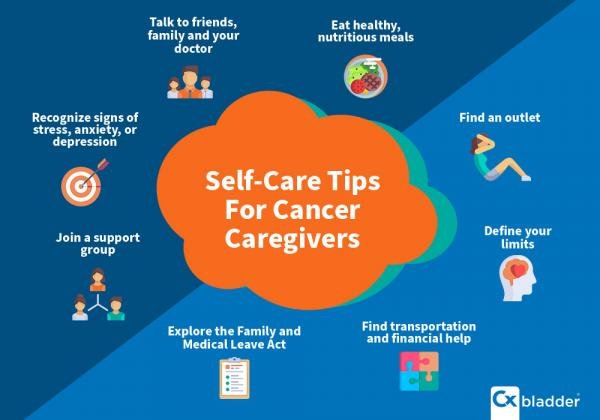
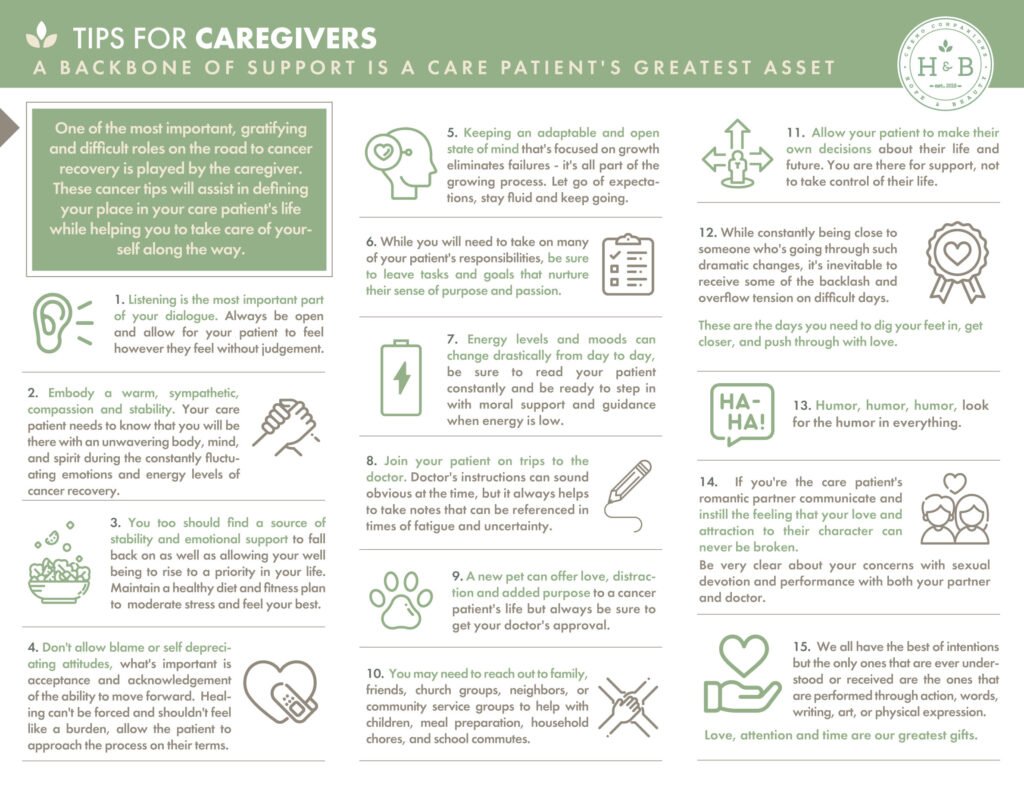
As a caregiver, it is essential to prioritize your own well-being while caring for a loved one with cancer. Taking care of yourself ensures that you can provide the best possible support to your loved one. Self-care activities such as exercising regularly, eating a balanced diet, getting enough sleep, and finding time for relaxation can help maintain your physical and mental well-being. Remember, you cannot pour from an empty cup, so make sure to prioritize your own needs as well.
Finding a Support System
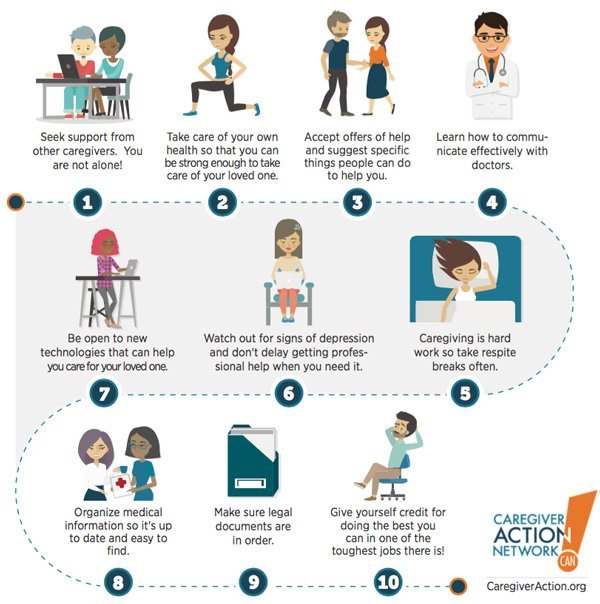
Caring for a loved one with cancer can be emotionally challenging. It is important to lean on others and seek support from friends, family members, or support groups. Connecting with other caregivers who have gone through similar experiences can provide valuable insights and a sense of community. Don’t hesitate to reach out for help or seek professional counseling if needed. Remember that you don’t have to face this journey alone.

Managing Stress and Emotions
Caring for a loved one with cancer can bring about tremendous stress and a rollercoaster of emotions. It is crucial to find healthy outlets for managing these feelings. Engaging in stress-reducing activities like meditation, deep breathing exercises, or practicing mindfulness can help alleviate the burden. Additionally, expressing your emotions through journaling or talking to a trusted friend or therapist can provide a sense of relief. Remember, it is okay to feel overwhelmed, but it is crucial to find healthy coping mechanisms to navigate through these challenges.
Educating Yourself
Knowledge is power when it comes to providing support for a loved one with cancer. Educating yourself about their diagnosis, treatment procedures, and potential side effects can help you better understand their experience and provide the necessary assistance. It is important to stay informed by attending medical appointments, accompanying them to consultations, and asking questions directly to healthcare professionals. Building a foundation of knowledge will enable you to support your loved one more effectively.
Learning about the Diagnosis
Understanding your loved one’s cancer diagnosis is key to providing the appropriate support. Familiarize yourself with the specific type of cancer they have, its stage, and potential implications. Discussing the diagnosis openly with healthcare professionals can help clarify any uncertainties and ensure that you have accurate information. This knowledge will enable you to understand the treatment options, potential complications, and long-term effects, ultimately enhancing your ability to be a source of guidance and comfort.
Understanding Treatment Procedures
Being well-informed about the treatment procedures your loved one will undergo can assist you in providing practical support. Seek information on the different treatment modalities, their purpose, and how they are administered. Understand the potential side effects and how to manage them effectively. By having a clear understanding of the treatment procedures, you can anticipate your loved one’s needs, offer encouragement, and provide assistance throughout their treatment journey.
Paying Attention to Side Effects
Cancer treatments often come with various side effects that can impact your loved one’s daily life. These side effects may include fatigue, nausea, hair loss, changes in appetite or taste, and mood swings. It is important to educate yourself about these potential side effects and learn how to alleviate them. By being proactive in managing and mitigating these symptoms, you can significantly improve your loved one’s quality of life during their cancer treatment.
Providing Practical Support
Assisting with practical matters can greatly alleviate your loved one’s burden during their cancer journey. As a caregiver, there are several ways you can offer practical support in their day-to-day life.
Assisting with Medical Appointments
Accompanying your loved one to medical appointments can provide much-needed emotional support and ensure no vital information is missed. Take notes during appointments, ask questions, and help your loved one remember important details. Additionally, you can help with scheduling appointments, arranging transportation, and following up on any necessary paperwork or insurance matters.
Managing Medications
Maintaining an organized medication schedule is crucial during cancer treatment. Help your loved one by keeping track of their medications, ensuring they take them as prescribed, and refilling prescriptions as needed. Consider using pill organizers or smartphone apps to manage medication schedules effectively.
Helping with Daily Activities
Cancer treatments and their side effects can often leave your loved one feeling fatigued or physically limited. Offer your assistance with daily activities such as meal preparation, house cleaning, running errands, or transportation. By lightening their daily workload, you can provide them with the necessary time and energy to focus on their recovery.
Communication and Emotional Support
Building and maintaining effective communication with your loved one is essential during their cancer journey. Here are some tips to provide emotional support and nurture open communication:
Active Listening
When your loved one wants to talk, be present and provide your undivided attention. Practice active listening by maintaining eye contact, nodding in acknowledgment, and responding empathetically. Allow them to express their thoughts and emotions without interruption.
Creating a Safe Space for Expression
Cancer can stir up intense emotions, and it is important to create a safe and non-judgmental space for your loved one to express themselves. Encourage them to share their fears, frustrations, and concerns, and reassure them that their feelings are valid. Offer empathy and understanding, validating their experiences without minimizing their emotions.

Encouraging Open Communication
Encourage your loved one to share their thoughts, concerns, and questions openly. Let them know that their opinion matters and that you are there to support them. Maintain open lines of communication, regularly checking in and asking how they are feeling both physically and emotionally. Encourage them to share their treatment plans, concerns, and any changes in symptoms with their healthcare team.
Nutrition and Physical Care
A healthy diet and physical activity play important roles in supporting your loved one’s overall well-being during their cancer journey. Here’s how you can help:
Promoting a Healthy Diet
Consult with a registered dietitian to develop a balanced meal plan tailored to your loved one’s nutritional needs. Encourage them to consume a variety of nutrient-rich foods, including fruits, vegetables, whole grains, and lean proteins. Help them stay hydrated by providing water and other beverages throughout the day.
Encouraging Physical Activity
Regular exercise, within the limitations advised by their healthcare team, can have numerous benefits for cancer patients. Encourage your loved one to engage in light physical activities, such as walking or gentle stretching, as permitted by their medical condition. Physical activity can help maintain strength, improve mood, and reduce fatigue.
Managing Symptoms and Discomfort
Your loved one may experience various symptoms and discomforts related to their cancer or treatment. Work with their healthcare team to identify strategies for managing these symptoms. This may include pain management techniques, relaxation exercises, or the use of assistive devices to improve comfort.
Dealing with Financial Challenges
Cancer treatments can be financially burdensome. Here are some ways you can help your loved one navigate the financial aspects of their cancer journey:
Exploring Available Resources
Research local and national resources that offer financial assistance or support services for cancer patients. These resources can help with medical costs, transportation, medication, counseling, and more. Reach out to social workers, patient navigators, or nonprofit organizations to inquire about available options.
Insurance and Financial Assistance
Review your loved one’s health insurance coverage and understand the services and treatments it includes. If needed, seek guidance from insurance representatives to clarify any uncertainties. Additionally, explore other financial assistance programs that may help cover costs associated with cancer treatment.
Budgeting and Prioritizing Expenses
Work with your loved one to create a budget and prioritize expenses. Identify areas where cost-saving measures can be implemented, such as comparing prices for medications or medical supplies. By actively managing their financial situation, you can provide them with peace of mind and help alleviate some of the stress associated with financial challenges.
Managing Caregiver Burnout
Caring for a loved one with cancer requires physical, emotional, and mental stamina. It is important to recognize the signs of caregiver burnout and take steps to prevent it:
Recognizing Signs of Burnout
Watch out for physical and emotional manifestations of burnout, such as fatigue, irritability, difficulty concentrating, increased anxiety or depression, and decreased interest in activities. If you notice these signs in yourself, it’s crucial to address them and seek the necessary support.
Taking Breaks and Asking for Help
Don’t hesitate to ask for assistance from family members, friends, or support groups when you need it. Take breaks to rest, engage in activities you enjoy, or simply have some time for yourself. Remember, taking care of your own well-being is vital to being an effective caregiver.
Finding Respite Care
Respite care services provide temporary relief to primary caregivers. Consider exploring respite care options, which can range from hiring professional caregivers to seeking help from family or friends. This will allow you to take time off while ensuring that your loved one’s care remains in capable hands.
Offering Emotional Support to the Patient
Supporting your loved one emotionally is one of the most important roles you can play as a caregiver. Here are some ways you can provide emotional support:
Being Empathetic and Supportive
Put yourself in your loved one’s shoes and try to understand the emotional rollercoaster they may be experiencing. Offer patience, empathy, and unconditional support. Let them know they can lean on you for comfort and guidance whenever they need it.
Encouraging Their Feelings and Emotions
It is natural for your loved one to experience a wide range of emotions, including fear, anger, sadness, and frustration. Encourage them to express these emotions and assure them that it is okay to feel what they are feeling. By validating their emotions, you create a safe space for them to process their feelings.
Providing Distractions and Entertainment
Engaging in activities that bring joy and distract from the challenges of cancer can be incredibly uplifting. Encourage your loved one to pursue hobbies, listen to music, watch movies, or engage in other forms of entertainment that they enjoy. This can help shift their focus and provide much-needed moments of respite.
Planning for Future Challenges
While it may be difficult to think about the future, it is important to plan ahead to ensure your loved one’s wishes are respected. Here are some areas to consider:
Discussing End-of-Life Care Preferences
Engage in open and compassionate conversations about your loved one’s end-of-life care preferences. Discuss their wishes regarding life-sustaining measures, funeral arrangements, and other important decisions. While these discussions may feel uncomfortable, they can provide peace of mind for both you and your loved one.
Making Legal and Financial Arrangements
Help your loved one gather important legal and financial documents, such as wills, power of attorney, and healthcare directives. Consult an attorney if necessary to ensure their legal affairs are in order. Assisting with these arrangements can provide a sense of security and help avoid potential complications in the future.
Preparing for Transitions in Care
As your loved one moves through different stages of their cancer journey, there may be transitions in their care. Familiarize yourself with the available support services, such as home healthcare or hospice care, if needed. Establish open communication with their healthcare team to ensure a seamless transition between different care settings.
Supporting a loved one with cancer is a challenging but deeply rewarding role. By understanding the various aspects of cancer, prioritizing your own well-being, educating yourself, providing practical support, offering emotional support, managing nutrition and physical care, addressing financial challenges, handling caregiver burnout, and planning for the future, you can make a significant difference in your loved one’s cancer journey. Remember, your presence and unwavering support can be a powerful source of comfort and strength.