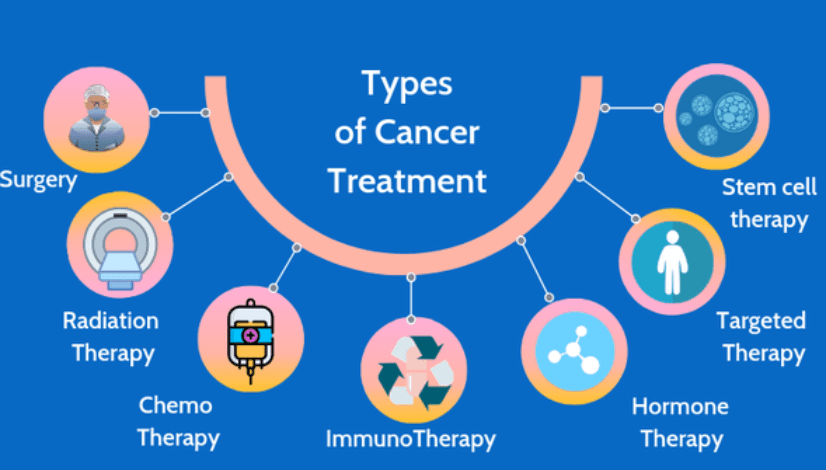
Are you or someone you know facing a cancer diagnosis? It can be a daunting and overwhelming experience, but it’s important to remember that there are treatment options available. In this article, we will explore three common cancer treatment options: surgery, radiation, and chemotherapy. Each option has its own unique benefits and considerations, and understanding them can help you make informed decisions about your care. Join us as we navigate the world of cancer treatment and empower you with the knowledge you need to face this challenge with confidence.
Surgery
Overview
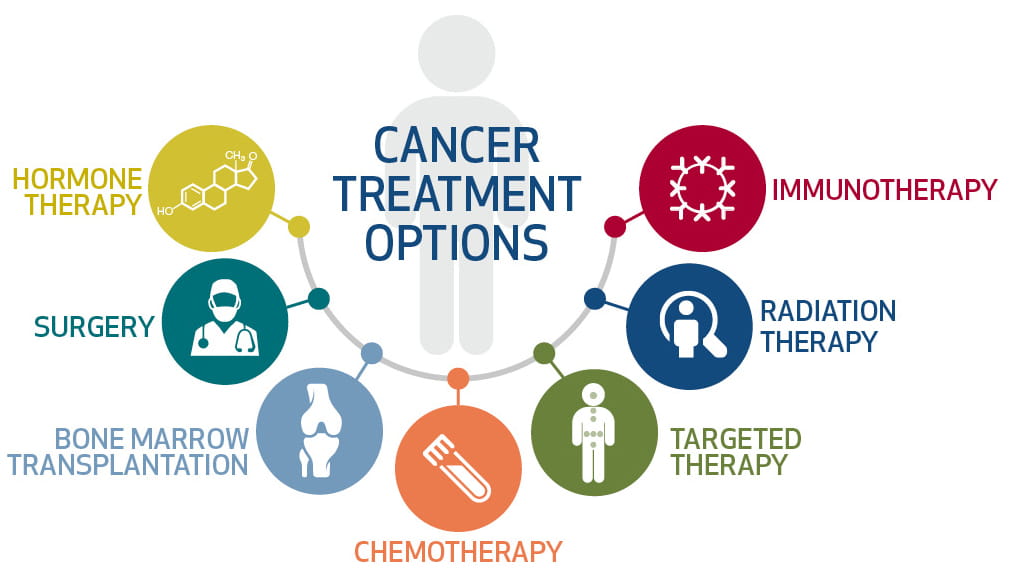
Surgery is a common treatment option for cancer that involves the removal of tumors and surrounding tissues. It is a localized form of treatment that aims to eliminate the cancerous cells from the body. Surgical procedures for cancer can vary depending on the type, stage, and location of the cancer, as well as the overall health of the patient. Surgery can be used as a standalone treatment or in combination with other treatment modalities such as radiation therapy, chemotherapy, or targeted therapy.
Types of Surgery
There are several types of surgical procedures that can be used in the treatment of cancer. The most common types include:
-
Curative Surgery: This type of surgery aims to remove the entire tumor and any nearby tissues that may be affected. It is often used when the cancer is localized and has not spread to other parts of the body.
-
Preventive Surgery: Also known as prophylactic surgery, this type of surgery is performed to remove noncancerous tissues that have a high risk of developing into cancer. It is commonly used in cases of familial or hereditary cancers.
-
Palliative Surgery: Palliative surgery is performed to relieve symptoms or improve the quality of life for patients with advanced or metastatic cancer. It is not intended to cure the cancer but instead focuses on managing pain and other discomforts caused by the disease.
-
Reconstructive Surgery: After the removal of a tumor, reconstructive surgery may be necessary to restore the appearance and function of the affected area. This can involve techniques such as skin grafting or breast reconstruction.
Preparation for Surgery
Before undergoing surgery, thorough preoperative preparation is essential. This includes a comprehensive evaluation of the patient’s overall health, medical history, and any pre-existing conditions. Diagnostic tests such as imaging scans, blood tests, and biopsies may also be performed to gather more information about the cancer and aid in surgical planning.
In addition to physical preparations, emotional and psychological support is equally important. It is natural to experience anxiety or fear before surgery, and talking to a healthcare professional or seeking support from loved ones can help alleviate these concerns.
Surgical Procedure
The surgical procedure itself can vary depending on the type and stage of cancer, as well as the specific surgical technique being used. Generally, the procedure involves making an incision to access the tumor, which is then removed along with any nearby affected tissues. In some cases, nearby lymph nodes may also be removed to determine if the cancer has spread. The incision is then closed using sutures, staples, or surgical glue.
Surgery can be performed through open surgery, where a large incision is made, or minimally invasive techniques such as laparoscopy or robotic surgery. Minimally invasive surgeries offer smaller incisions, reduced blood loss, faster recovery, and shorter hospital stays.
During the surgery, the patient is typically under general anesthesia to ensure comfort and minimize pain. The length of the procedure can range from a few hours to several hours, depending on the complexity of the surgery.

Recovery and Aftercare
After surgery, the recovery process begins. The length of hospital stay can vary depending on the extent of the surgery and the overall health of the patient. During this time, close monitoring and postoperative care are provided by healthcare professionals to ensure the patient’s well-being.
Pain management is an important aspect of the postoperative period, and medications are prescribed as needed. Physical activity may be gradually reintroduced, and physical therapy may be recommended to aid in recovery and help regain strength and mobility.
Following discharge from the hospital, regular follow-up appointments are scheduled to monitor the patient’s progress and assess the effectiveness of the surgery. This may include imaging tests and blood work to detect any potential recurrence or complications.
Benefits of Surgery
Surgery offers several benefits as a cancer treatment option. Some of the key advantages include:
-
Local Control: Surgery aims to remove the cancerous tumor and surrounding tissues, providing local control and potentially eliminating the cancer from the body.
-
Curative Potential: In cases where the cancer is detected at an early stage and has not spread to other parts of the body, surgery can offer a potential cure.
-
Immediate Results: Unlike some other treatment options that may require weeks or months for the effects to become apparent, surgery provides immediate results by physically removing the cancerous tumor.
-
Diagnostic Value: Surgery can also be used as a diagnostic tool to obtain tissue samples for further analysis and to determine the extent of the disease.

Risks and Complications
As with any invasive procedure, surgery carries certain risks and potential complications. These may include:
-
Infection: There is always a risk of developing a surgical site infection after surgery, which can delay the healing process and require additional treatment.
-
Bleeding: Surgery involves making incisions, which can result in bleeding. While measures are taken to control bleeding during the procedure, excessive bleeding may require further intervention.
-
Anesthesia Complications: General anesthesia carries its own set of risks, including allergic reactions, respiratory problems, and postoperative nausea and vomiting.
-
Scarring: Surgery leaves behind scars, and the extent of scarring can vary depending on the surgical technique used.
Alternative to Surgery
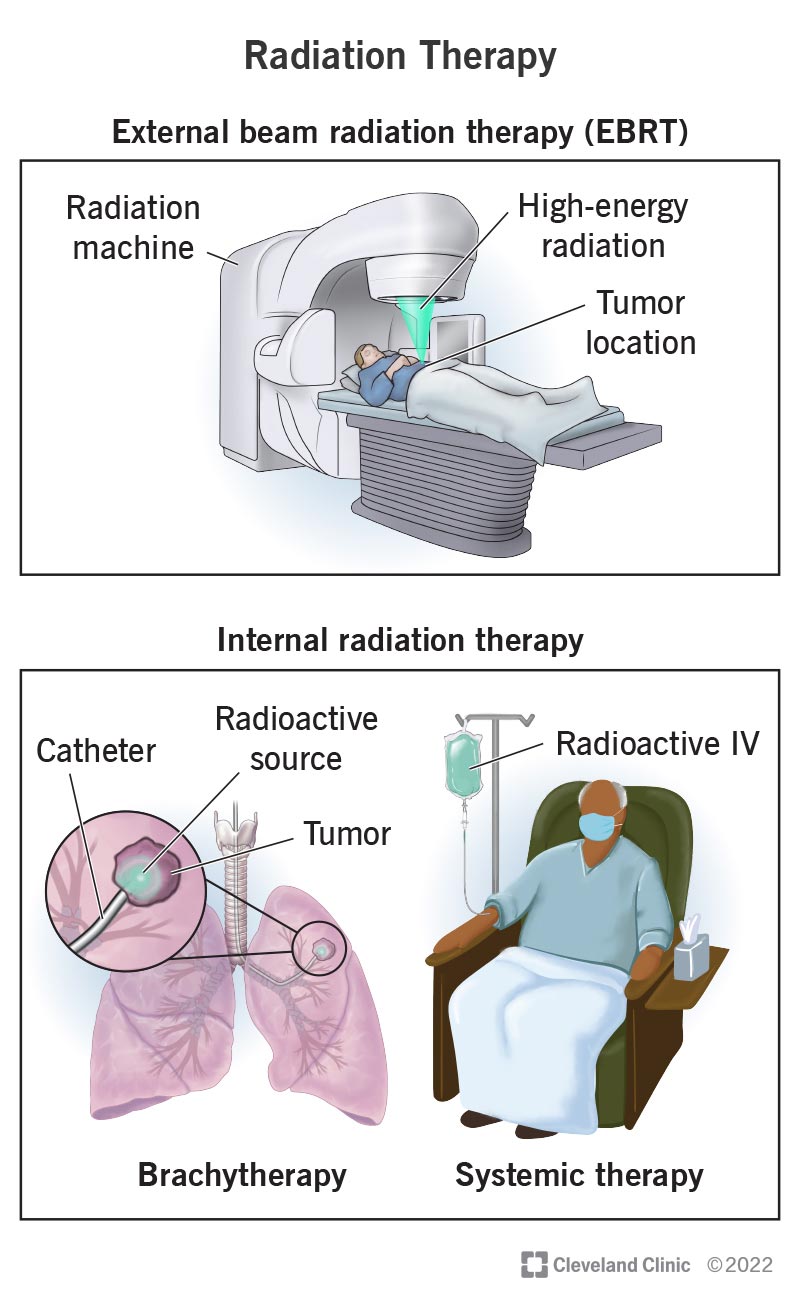
In some cases, surgery may not be the most suitable option for cancer treatment. The decision to pursue alternative treatments depends on factors such as the type and stage of cancer, overall health of the patient, and individual preferences. Alternative treatment options may include radiation therapy, chemotherapy, immunotherapy, targeted therapy, hormone therapy, stem cell transplantation, precision medicine, or complementary and alternative medicine (CAM). It is important to discuss all available options with healthcare providers to determine the best course of treatment for each individual case.