
Graves Disease, an autoimmune disorder that affects the thyroid gland, can lead to various complications that require attention and management. From eye problems like protruding eyeballs and blurred vision to heart-related issues such as rapid heart rate and high blood pressure, these complications can significantly impact the quality of life for individuals suffering from Graves Disease. In this article, we will explore the different complications associated with Graves Disease and the importance of early detection and proper treatment in alleviating their effects. So, if you or someone you know is dealing with this condition, keep reading to learn more about the potential challenges that may arise and how to effectively tackle them.

Overview of Graves Disease
Graves Disease is an autoimmune disorder that affects the thyroid gland, leading to excessive production of thyroid hormone. It is named after Sir Robert Graves, an Irish doctor who first described the disease in the early 19th century.
Definition
Graves Disease is characterized by the overproduction of thyroid hormones, a condition known as hyperthyroidism. The immune system mistakenly attacks the thyroid gland, causing it to enlarge and produce more hormones than the body needs. This can lead to a wide range of symptoms and complications.
Causes
The exact cause of Graves Disease is still unknown. However, it is believed to be a combination of genetic factors and environmental triggers. Certain genes may predispose individuals to develop the disease, and factors such as stress, infections, and smoking can potentially trigger the onset of Graves Disease.
Prevalence
Graves Disease is one of the most common causes of hyperthyroidism, affecting approximately 1 in 200 people. It is more common in women than men, with women being five to ten times more likely to develop the disease. It usually occurs in people under the age of 40, although it can affect individuals of any age.
Symptoms
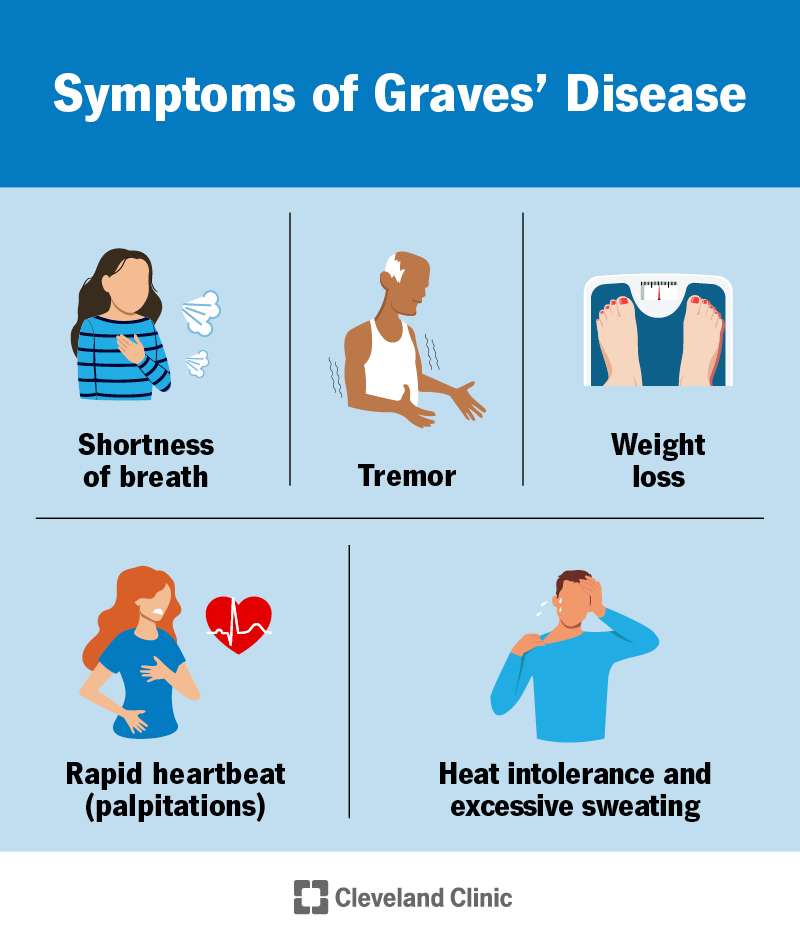
Graves Disease can cause a variety of symptoms, which can vary in severity from person to person. Some common symptoms include:
- Rapid heartbeat and palpitations
- Weight loss despite an increased appetite
- Fatigue and muscle weakness
- Tremors and shaky hands
- Heat intolerance and excessive sweating
- Anxiety and irritability
- Insomnia and difficulty sleeping
- Changes in menstrual cycle
- Frequent bowel movements or diarrhea
Complications of Graves Disease
While Graves Disease itself can be challenging to manage, it can also lead to various complications. These complications can affect different organ systems in the body and require specialized treatment and care. Some of the common complications associated with Graves Disease are:
Ophthalmopathy
Graves Disease is often associated with Graves ophthalmopathy, also known as thyroid eye disease. This condition affects the eyes, causing inflammation, redness, swelling, and protrusion, giving the eyes a bulging appearance. It can also cause double vision, blurred vision, and sensitivity to light. In severe cases, it can lead to damage to the optic nerve and vision loss. Treatment options for Graves ophthalmopathy may include medications, radiation therapy, and surgery.
Dermopathy
Dermopathy, also known as pretibial myxedema, is another complication of Graves Disease. It is a rare condition characterized by the thickening of the skin, especially on the shins. The affected skin may appear red, shiny, and swollen, and it may feel thick and lumpy. Dermopathy is usually not painful, but it can cause discomfort and cosmetic concerns. Treatment options for dermopathy include medications to manage symptoms and improve the appearance of the skin.
Thyroid Storm
Thyroid storm is a life-threatening complication of Graves Disease. It occurs when there is a sudden, severe increase in thyroid hormone levels, leading to a rapid worsening of symptoms. Symptoms of a thyroid storm can include extremely high fever, rapid heartbeat, confusion, agitation, and even coma. Thyroid storm requires immediate medical attention and is typically treated in a hospital setting with medications to control thyroid hormone levels and manage symptoms.
Heart Problems
Excessive thyroid hormone production can put a strain on the heart and cardiovascular system, leading to various heart problems. Graves Disease can cause an increased heart rate, irregular heart rhythm (arrhythmia), high blood pressure, and an enlarged heart (cardiomegaly). These heart problems can increase the risk of heart failure, stroke, and other cardiovascular complications. Management of heart problems in Graves Disease may involve medications to regulate heart rate and blood pressure, as well as lifestyle modifications.
Pregnancy Complications
Graves Disease can significantly affect pregnancy and pose risks to both the mother and the baby. Pregnant women with untreated or poorly controlled Graves Disease may be at an increased risk of miscarriage, preterm birth, preeclampsia (high blood pressure during pregnancy), and fetal thyroid dysfunction. Close monitoring and appropriate management of Graves Disease during pregnancy are crucial to ensure the well-being of both the mother and the baby.
Emotional and Mental Health Issues
Living with Graves Disease can take a toll on a person’s emotional and mental well-being. The symptoms and complications of the disease, such as fatigue, anxiety, and mood swings, can significantly impact a person’s quality of life. Additionally, the physical changes associated with Graves ophthalmopathy and dermopathy can also affect self-esteem and body image. It is important for individuals with Graves Disease to seek support from healthcare professionals, as well as friends and family, to address emotional and mental health issues effectively.
Bone Loss and Osteoporosis
Graves Disease can lead to bone loss and osteoporosis, a condition characterized by weakened and brittle bones. The excessive production of thyroid hormones can interfere with the absorption of calcium and vitamin D, essential nutrients for maintaining bone health. This can increase the risk of fractures and other complications. Treatment for bone loss and osteoporosis may involve medications to improve bone density, as well as dietary modifications and exercise.
Liver and Kidney Problems
In rare cases, Graves Disease can affect the liver and kidneys. The increased metabolic activity associated with hyperthyroidism can cause liver enzymes to become elevated, indicating liver dysfunction. Graves Disease can also lead to the development of kidney problems, such as kidney stones or impaired kidney function. Close monitoring of liver and kidney function is essential for individuals with Graves Disease to detect and manage any potential complications.
Thyroid Cancer
Although rare, Graves Disease can increase the risk of developing thyroid cancer. The chronic inflammation and increased cellular activity in the thyroid gland associated with Graves Disease can potentially lead to the development of malignant cells. Regular monitoring and thyroid examinations are essential to detect any suspicious nodules or changes in the thyroid gland, which may require further investigation to rule out thyroid cancer.
Other Autoimmune Disorders
Graves Disease is an autoimmune disorder, and individuals with one autoimmune condition are at an increased risk of developing other autoimmune disorders. Common autoimmune disorders that may coexist with Graves Disease include rheumatoid arthritis, type 1 diabetes, and systemic lupus erythematosus. The immune system dysregulation that occurs in autoimmune diseases can lead to the development of multiple conditions, requiring comprehensive management and monitoring.
In conclusion, Graves Disease is a complex autoimmune disorder that can have numerous complications affecting different organs and systems in the body. Proper management of the disease, regular monitoring, and prompt treatment of complications are essential to ensure the best possible outcome for individuals living with Graves Disease. If you suspect you may have Graves Disease or are experiencing any symptoms associated with the disease, it is important to consult with a healthcare professional for accurate diagnosis and appropriate management. Remember, you are not alone, and there is support available to help you navigate the challenges of living with Graves Disease.
