
Are you feeling unusually anxious and experiencing sudden weight loss? It could be a sign of Graves Disease. This article aims to provide you with a comprehensive understanding of the symptoms and diagnosis of this autoimmune disorder. We will explore the typical indicators that may suggest you have Graves Disease and the various diagnostic tests used to confirm the condition. By the end, you will have a clearer picture of what to look out for and how to seek medical assistance if needed.
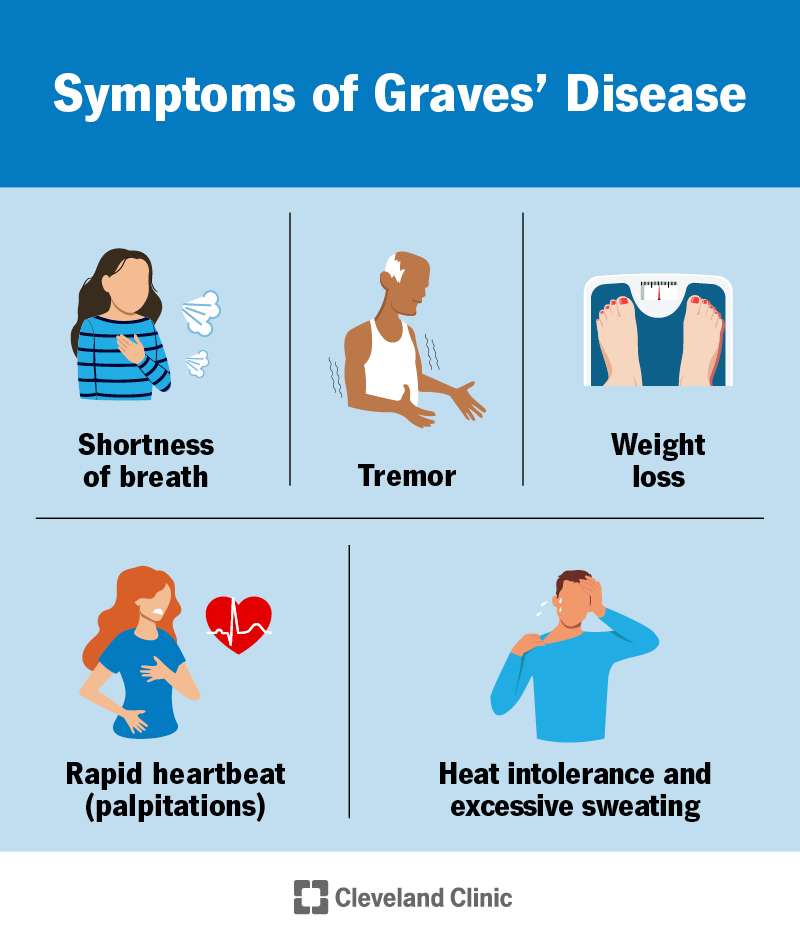
Symptoms of Graves Disease
Graves Disease, also known as toxic diffuse goiter, is an autoimmune disorder that affects the thyroid gland. It occurs when the body’s immune system mistakenly attacks the thyroid gland, causing it to produce excessive amounts of thyroid hormones. This condition can have a wide range of symptoms, which can vary from person to person. If you suspect you may have Graves Disease, it’s important to be aware of the following symptoms:
Hyperthyroidism
One of the hallmark symptoms of Graves Disease is hyperthyroidism. This means that the thyroid gland is overactive and produces too much thyroid hormone. This can lead to a variety of symptoms such as increased heart rate, nervousness, restlessness, and difficulty sleeping. You may also experience weight loss despite having an increased appetite.
Enlarged thyroid gland (goiter)
Another common symptom of Graves Disease is an enlarged thyroid gland, also known as a goiter. The excessive production of thyroid hormone causes the thyroid gland to swell. This can result in a visible swelling at the base of the neck, which can be uncomfortable or even painful. It’s important to note that not all goiters are caused by Graves Disease, so it’s essential to consult a healthcare professional for a proper diagnosis.
Weight loss
Unintentional weight loss is a symptom that often accompanies hyperthyroidism. Due to the increased metabolic rate caused by the excess thyroid hormone, your body may burn calories at a faster rate than usual. This can result in weight loss even if you haven’t changed your diet or exercise routine. If you experience significant and unexplained weight loss, it’s important to consult a healthcare professional.
Anxiety and irritability
Graves Disease can also have a significant impact on your mental well-being. Many individuals with this condition experience heightened anxiety and irritability. This can manifest as feelings of restlessness, a constant state of nervousness, and difficulty concentrating. These psychological symptoms can be challenging to deal with, but there are treatment options available to help manage them.
Tremors
Tremors, or involuntary trembling or shaking, can also be a symptom of Graves Disease. These tremors are often most noticeable in the hands, but they can affect other parts of the body as well. The tremors may worsen with physical activity or when you’re feeling stressed. If you’re experiencing tremors, it’s important to consult a healthcare professional to determine the underlying cause and appropriate treatment.
Heat sensitivity
Individuals with Graves Disease often have an increased sensitivity to heat. You may find that you’re more prone to sweating or feel excessively warm even in normal temperature environments. This can be particularly uncomfortable during hot weather or in situations where others may feel comfortable. Pay attention to your body’s reactions to heat and take steps to stay cool and hydrated to manage this symptom.
Increased sweating
Excessive sweating, even when not in a hot environment or engaging in physical activity, can be a symptom of Graves Disease. This is due to the increased metabolic rate and overactive thyroid gland. If you find yourself sweating more than usual or experiencing night sweats, it’s important to consult a healthcare professional for an evaluation.
Fatigue
Despite the increased metabolic rate caused by hyperthyroidism, fatigue is a common symptom of Graves Disease. This can be attributed to a variety of factors, including the impact of hyperthyroidism on sleep patterns, anxiety, and the body’s overall response to the excessive production of thyroid hormones. If you’re experiencing persistent fatigue, it’s important to consult a healthcare professional to determine the underlying cause and appropriate treatment options.
Muscle weakness
Muscle weakness can occur as a result of Graves Disease. The excess thyroid hormone circulating in your body can affect the functioning of your muscles. You may find that your muscles tire more easily or feel weak during physical activity. Muscle weakness can also contribute to difficulties with balance and coordination. If you notice muscle weakness, it’s important to consult a healthcare professional for a proper evaluation.
Irregular or rapid heartbeat
Graves Disease can cause disturbances in your heart rhythm. You may experience an irregular heartbeat or palpitations, which is a rapid or pounding sensation in your chest. This can be a concerning symptom, and it’s important to seek medical attention if you’re experiencing any changes in your heartbeat.

Diagnosis of Graves Disease
Diagnosing Graves Disease typically involves a combination of physical examinations, medical history review, and various tests. It’s essential to consult a healthcare professional for an accurate diagnosis. The following are some of the common methods used to diagnose this condition:
Physical examination
During a physical examination, your healthcare provider will assess your thyroid gland and look for any signs of enlargement or nodules. They may also evaluate your eyes for any abnormalities associated with Graves Disease, such as protruding or bulging eyes (a condition known as exophthalmos).
Medical history review
A thorough review of your medical history is an essential step in the diagnostic process. Your healthcare provider will ask about your symptoms, their duration, and any family history of thyroid or autoimmune disorders. They will also inquire about any medications or supplements you may be taking, as certain medications can affect thyroid function.
Blood tests
Blood tests are crucial in diagnosing Graves Disease. The following tests are commonly performed:
-
Thyroid-stimulating hormone (TSH) test: This test measures the levels of TSH in your blood. A low TSH level indicates hyperthyroidism, which is consistent with Graves Disease.
-
Thyroid hormone levels test: This test measures the levels of thyroid hormones in your blood, including thyroxine (T4) and triiodothyronine (T3). Elevated levels of these hormones are indicative of hyperthyroidism.
-
Antibody tests: Graves Disease is often associated with the presence of specific antibodies, including thyroid-stimulating immunoglobulins (TSI) and thyroid peroxidase antibodies (TPO). These tests can help confirm the diagnosis.
Radioactive iodine uptake test
This test involves swallowing a small amount of radioactive iodine and monitoring how much is taken up by the thyroid gland. A higher uptake indicates an overactive thyroid, which is consistent with Graves Disease.
Ultrasound imaging
Ultrasound imaging uses sound waves to create images of your thyroid gland. This can help assess the size and structure of the gland and detect any abnormalities, such as nodules or an enlarged gland.
CT scan or MRI
In some cases, a CT scan or MRI may be performed to get more detailed images of the thyroid gland and surrounding structures. These imaging tests can provide valuable information to aid in the diagnosis of Graves Disease, especially if there are concerns about goiter or compression of nearby structures.
Eyeball examination
As Graves Disease can impact the eyes, an eye exam may be conducted to evaluate the condition of your eyes and assess for any abnormalities associated with the disease, such as bulging eyes, redness, or swelling.
In conclusion, recognizing the symptoms of Graves Disease is crucial for early detection and management. If you are experiencing any of the aforementioned symptoms, it’s important to consult a healthcare professional for a proper evaluation and diagnosis. With early diagnosis and treatment, individuals with Graves Disease can lead healthy and fulfilling lives.
