Hey there! Have you ever heard of Graves Disease? It’s a common autoimmune disorder that affects the thyroid gland. But guess what? There’s some exciting news on the horizon – the latest research on Graves Disease! In this article, we’ll be taking a closer look at the recent advancements in understanding this condition and the potential breakthroughs in its treatment. So, get ready to learn more about this fascinating subject and stay informed about the cutting-edge developments in Graves Disease research. Let’s jump right in, shall we?
Symptoms of Graves Disease
Goiter
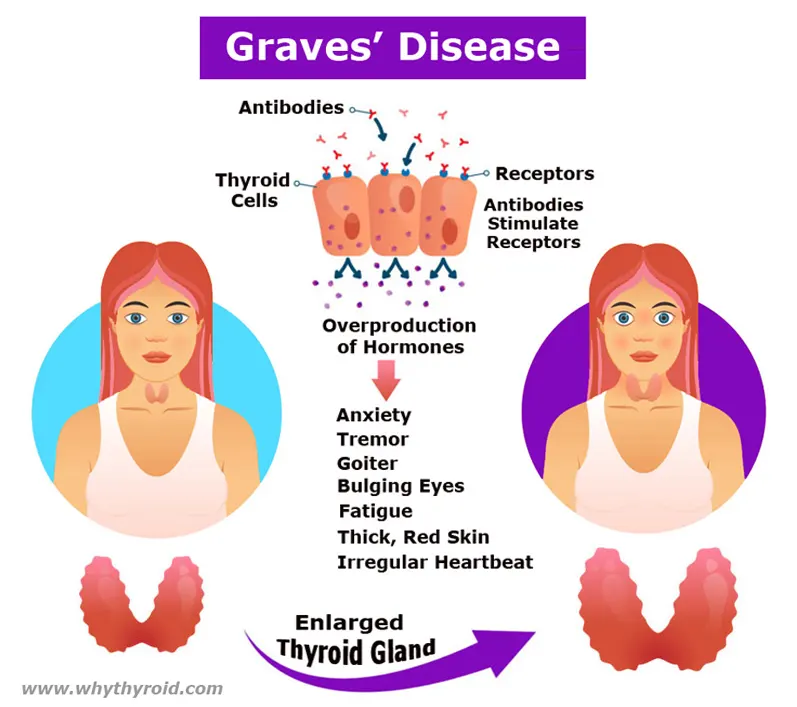
One of the most common symptoms of Graves Disease is the development of an enlarged thyroid gland, also known as a goiter. This occurs when the immune system mistakenly attacks the thyroid gland, causing it to produce an excess amount of thyroid hormones. As a result, the thyroid gland enlarges, leading to the characteristic swelling in the neck. It is important to note that not all individuals with Graves Disease will develop a goiter, but it is a common sign to watch for.
Exophthalmos
Another distinctive symptom of Graves Disease is the protrusion of the eyes, a condition known as exophthalmos. This occurs due to the inflammation of tissues behind the eyes, causing them to push forward and appear more prominent. The increased pressure on the optic nerve can also lead to vision problems. Exophthalmos can be one of the most visually apparent symptoms of Graves Disease and may significantly impact an individual’s appearance and self-esteem.
Weight Loss
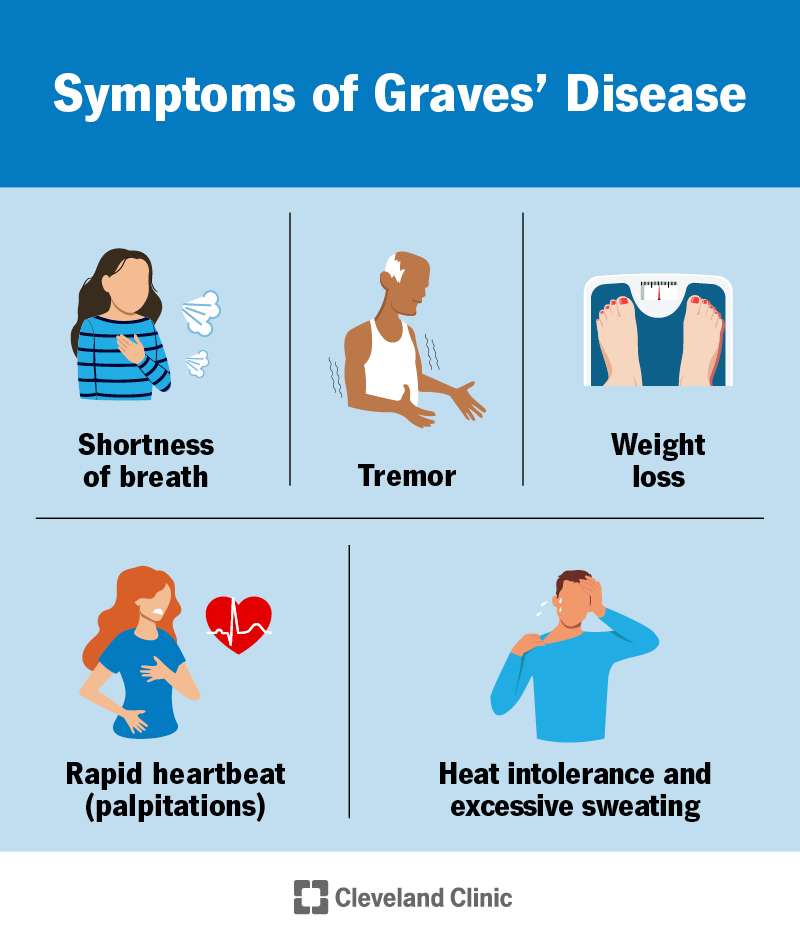
Unexplained weight loss is often observed in individuals with Graves Disease. This is primarily due to the overactive thyroid gland, which increases the metabolic rate, leading to a higher calorie burn. Even with a normal or increased appetite, weight loss can occur rapidly. If you notice a significant drop in your weight without any changes in diet or exercise, it may be worth discussing with your healthcare provider to determine if Graves Disease may be the underlying cause.
Anxiety and Irritability
Graves Disease can also have a significant impact on a person’s mental and emotional well-being. Many individuals experience heightened levels of anxiety and irritability, which may manifest as restlessness, difficulty concentrating, and a sense of unease. These symptoms can be challenging to manage and may require additional support, such as therapy or medication, to help alleviate the emotional strain associated with Graves Disease.
Heat Intolerance
Individuals with Graves Disease often find themselves more sensitive to heat. This can manifest as excessive sweating, discomfort in warm environments, and an increased need for cooling measures. The overactive thyroid gland elevates the body’s overall metabolism, causing it to generate more heat. As a result, individuals with Graves Disease may feel uncomfortable or fatigued in higher temperatures and may need to take precautions to avoid heat exhaustion or heat stroke.
Tremors
Tremors, or uncontrollable shaking, is another common symptom experienced by individuals with Graves Disease. This tremor is typically most noticeable in the hands and fingers but can also affect other parts of the body, such as the arms, legs, or voice. The rapid heartbeat and overstimulation of the nervous system caused by the excess thyroid hormones can contribute to the development of tremors. Managing stress and finding relaxation techniques may help reduce the severity of the tremors associated with Graves Disease.
Arrhythmias
Graves Disease can disrupt the normal rhythm of the heartbeat, leading to irregular heartbeats, or arrhythmias. These irregularities can range from palpitations (a rapid, pounding, or fluttering heart rate) to atrial fibrillation (a quivering or irregular heartbeat). It is important for individuals with Graves Disease to monitor their heart health regularly, as untreated arrhythmias can increase the risk of more severe cardiovascular complications.
Fatigue
Despite experiencing weight loss and increased metabolic activity, individuals with Graves Disease often report feeling fatigued and lacking in energy. This can be a result of the body’s constant state of overactivity and the impact it has on the body’s overall energy levels. It is essential to listen to your body and rest when needed, as pushing through fatigue can worsen symptoms and hinder recovery.
Muscle Weakness
Muscle weakness is another symptom that individuals with Graves Disease may experience due to the excess thyroid hormones affecting muscle function. This weakness can make everyday tasks more difficult and may lead to reduced physical activity or difficulty exercising. It is important to strike a balance between staying active to maintain muscle strength and avoiding overexertion that could worsen muscle weakness.
Increased Appetite
Individuals with Graves Disease often experience an increased appetite, despite losing weight. This can be attributed to the overactivity of the thyroid gland and the higher metabolic rate. The body’s increased demand for energy can lead to constant feelings of hunger and the need to eat more frequently. Managing these increased cravings can be challenging but working with a healthcare provider or nutritionist can help develop a balanced eating plan.
Causes of Graves Disease
Autoimmune Disorder
Graves Disease is classified as an autoimmune disorder, meaning it occurs when the body’s immune system mistakenly attacks its own healthy tissues. In the case of Graves Disease, the immune system produces antibodies called thyroid-stimulating immunoglobulins (TSIs) that activate the thyroid gland, causing an overproduction of thyroid hormones. The exact cause of this autoimmune response is not fully understood, but a combination of genetic and environmental factors is believed to play a role.
Genetics
There appears to be a genetic component in the development of Graves Disease. Research suggests that individuals with a family history of the condition are more likely to develop it themselves. Although the specific genes involved have yet to be identified, studies have shown an increased prevalence of Graves Disease among certain familial lineages. However, having a genetic predisposition does not guarantee the development of the disease, as environmental triggers also play a significant role.
Stress
Stress can be a triggering factor for the development or exacerbation of Graves Disease in some individuals. Stress activates the body’s stress response system, which can disrupt immune function and potentially contribute to the production of thyroid-stimulating immunoglobulins. It is important for individuals with Graves Disease to prioritize stress management techniques and find healthy outlets to reduce the impact of stress on their overall health.
Pregnancy
Graves Disease can affect women of childbearing age, and pregnancy can present unique challenges. Pregnancy places additional stress on the body and its hormone levels, potentially leading to an exacerbation of Graves Disease symptoms. Additionally, the thyroid-stimulating immunoglobulins produced in Graves Disease can cross the placenta and affect the fetal thyroid gland, increasing the risk of complications for both the mother and the baby. Close monitoring and management of Graves Disease during pregnancy are essential to ensure the health and well-being of both mother and child.

Diagnosis of Graves Disease
Physical Examination
When diagnosing Graves Disease, a healthcare provider will typically begin with a physical examination to check for common signs and symptoms. This may include palpating the neck for an enlarged thyroid gland (goiter), assessing the eyes for signs of exophthalmos, and examining the skin and nails for changes associated with Graves Disease.
Blood Tests
Blood tests are an essential component of diagnosing Graves Disease. These tests measure the levels of thyroid-stimulating hormone (TSH), triiodothyronine (T3), and thyroxine (T4) in the blood. In individuals with Graves Disease, TSH levels are typically low, while T3 and T4 levels are high.
Radioactive Iodine Uptake Test
A radioactive iodine uptake (RAIU) test involves the administration of a small dose of radioactive iodine and measuring how much is absorbed by the thyroid gland. In Graves Disease, the thyroid gland often takes up excessive amounts of iodine, indicating increased activity.
Thyroid Scan
A thyroid scan is often performed in conjunction with the RAIU test to provide a visual image of the thyroid gland. It helps identify any areas of increased or decreased activity and provides additional information for diagnosis and treatment planning.
Ultrasound
In some cases, an ultrasound of the thyroid gland may be performed to evaluate its size, structure, and any potential abnormalities. This imaging technique utilizes sound waves to create detailed images of the thyroid gland, allowing healthcare providers to assess its condition and rule out other underlying causes of symptoms.
Fine Needle Aspiration
If a nodule or lump is detected in the thyroid gland during the examination, a fine needle aspiration (FNA) biopsy may be recommended. This procedure involves inserting a thin needle into the thyroid gland to collect a small sample of cells for analysis. FNA biopsies help determine if the nodule is cancerous or benign.
Treatment Options for Graves Disease
Medications
Medications are often the first line of treatment for Graves Disease, aimed at regulating the production of thyroid hormones. Antithyroid drugs, such as methimazole or propylthiouracil, work by inhibiting the production of thyroid hormones. Beta blockers, such as propranolol, can be prescribed to help alleviate symptoms such as rapid heartbeat and tremors. Corticosteroids may also be used to manage inflammation and reduce the severity of symptoms in certain cases.
Radioactive Iodine Therapy
Radioactive iodine therapy is a non-surgical treatment option that involves the administration of radioactive iodine to target and destroy the overactive cells in the thyroid gland. The radioactive iodine is taken orally and selectively absorbed by the thyroid gland, helping to normalize its function. This treatment option is often recommended for individuals who are not suitable candidates for surgery or have persistent symptoms despite medication.
Thyroid Surgery
Thyroid surgery, also known as thyroidectomy, involves the partial or complete removal of the thyroid gland. This surgical option is reserved for individuals with severe or life-threatening symptoms, those who are unable to tolerate or have contraindications to antithyroid drugs or radioactive iodine therapy, or those with thyroid nodules or suspected thyroid cancer. Thyroid surgery is a complex procedure that should be performed by experienced thyroid surgeons to minimize risks and complications.
Medications Used for Graves Disease
Beta Blockers
Beta blockers are a class of medications commonly used to manage the symptoms associated with Graves Disease, such as rapid heartbeat, tremors, and anxiety. These medications work by blocking the effects of adrenaline, resulting in a slower heart rate and reduced tremors. While beta blockers do not address the underlying cause of Graves Disease, they can significantly improve the quality of life for individuals experiencing symptoms.
Antithyroid Drugs
Antithyroid drugs, such as methimazole and propylthiouracil, are commonly prescribed to individuals with Graves Disease to reduce the production of thyroid hormones. These drugs work by inhibiting the function of the thyroid gland and preventing the overproduction of thyroid hormones. Antithyroid drugs are often used as a primary treatment option, particularly when symptoms are moderate or the individual prefers medication over other interventions.
Corticosteroids
In some cases, corticosteroids may be prescribed to individuals with severe or inflamed eye symptoms associated with Graves Disease. These medications help reduce inflammation and manage autoimmune activity. Corticosteroids may be administered orally or through injections around the eyes to alleviate symptoms such as eye redness, swelling, or discomfort.
Radioactive Iodine
Radioactive iodine, also known as iodine-131, is commonly used in radioactive iodine therapy to treat Graves Disease. This radioactive form of iodine selectively destroys the overactive cells in the thyroid gland without affecting surrounding tissues. It is administered orally and gradually reduces thyroid function, helping to normalize hormone levels over time.
Lithium Carbonate
Lithium carbonate, a medication primarily used to treat bipolar disorder, has been shown to have some benefits in managing Graves Disease. It works by reducing the release of thyroid hormones from the thyroid gland and decreasing the activity of the immune system. Lithium carbonate is typically used as an adjunct therapy in combination with other treatments, and its use requires careful monitoring and supervision by a healthcare provider.
Radioactive Iodine Therapy for Graves Disease
How it Works
Radioactive iodine therapy works by selectively targeting and destroying the overactive cells in the thyroid gland. The radioactive iodine, usually in the form of a pill or liquid, is taken orally. Once absorbed by the thyroid gland, the radiation emitted by the radioactive iodine damages the cells responsible for producing excessive thyroid hormones. Over time, as the damaged cells are eliminated, thyroid function normalizes, leading to a reduction in symptoms.
Benefits
Radioactive iodine therapy offers several benefits for individuals with Graves Disease. It is a non-surgical treatment option, eliminating the need for invasive procedures. It is highly effective in controlling hyperthyroidism, with a success rate of over 90%. Radioactive iodine therapy also provides long-term results, often leading to permanent normalization of thyroid function. Additionally, it is a convenient treatment option that can be administered in an outpatient setting.
Risks and Side Effects
Like any medical intervention, radioactive iodine therapy carries some risks and side effects. The most significant risk is the potential for developing hypothyroidism, a condition characterized by an underactive thyroid gland. This occurs when the radioactive iodine therapy effectively reduces thyroid function beyond the desired level. Hypothyroidism can be managed through hormone replacement therapy, but it does require lifelong treatment. Other potential side effects may include neck tenderness, temporary worsening of hyperthyroid symptoms, and, in rare cases, radiation-induced thyroid cancer.
Follow-up Care
After receiving radioactive iodine therapy, regular follow-up care is necessary to monitor thyroid function and adjust hormone replacement therapy if needed. This typically involves periodic blood tests to assess hormone levels and thyroid function. It is essential for individuals to communicate any new or worsening symptoms to their healthcare provider to ensure optimal management and ongoing care.

Thyroid Surgery for Graves Disease
Types of Surgery
Thyroid surgery, or thyroidectomy, can be performed in different ways depending on the severity and characteristics of Graves Disease. The two main types of thyroid surgery for Graves Disease are total thyroidectomy and subtotal thyroidectomy. Total thyroidectomy involves the complete removal of the thyroid gland, while subtotal thyroidectomy involves removing a portion of the thyroid gland. The choice of surgical approach is based on factors such as patient preference, the size of the goiter, and the presence of nodules or other thyroid abnormalities.
Benefits
Thyroid surgery offers several potential benefits for individuals with Graves Disease. It can provide a more rapid resolution of symptoms compared to medication or radioactive iodine therapy. Thyroid surgery also eliminates the need for long-term medication use or potential complications associated with radiation exposure. Additionally, surgery allows for the evaluation of the thyroid tissue, enabling the determination of any possible malignancies or other underlying conditions.
Risks and Complications
Thyroid surgery carries inherent risks and potential complications, as with any surgical procedure. Common risks include bleeding, infection, and damage to surrounding structures such as the parathyroid glands and the voice box nerves. However, the risk of experiencing these complications is low when the surgery is performed by a skilled and experienced thyroid surgeon. It is important for individuals considering thyroid surgery to have a thorough discussion with their healthcare provider to understand the potential risks and benefits based on their specific case.
Recovery and Follow-up Care
Recovery from thyroid surgery varies depending on the extent of the procedure and individual healing capabilities. Most individuals can expect a hospital stay of one to two days following surgery. During this time, pain management, wound care, and monitoring of hormone levels will be provided. After discharge, it is crucial to follow the post-operative care instructions provided by the surgical team. Regular follow-up appointments will be scheduled to monitor healing, adjust hormone replacement therapy if needed, and evaluate long-term outcomes.
Lifestyle Changes for Managing Graves Disease
Stress Management
Stress management techniques can play a vital role in managing Graves Disease symptoms. Chronic stress can exacerbate the immune response and contribute to the progression of Graves Disease. Incorporating stress-reducing practices such as deep breathing exercises, meditation, yoga, or engaging in hobbies and activities that promote relaxation can be beneficial. Additionally, seeking support from friends, family, or professionals can provide valuable coping strategies and assistance in managing stress.
Healthy Diet
Adopting a healthy diet is important for individuals with Graves Disease to support overall well-being and manage symptoms. A diet rich in fruits, vegetables, lean proteins, and whole grains provides essential nutrients and supports immune function. Additionally, limiting or avoiding foods that may exacerbate hyperthyroidism, such as caffeine, excess iodine, and highly processed foods, can be beneficial. Working with a registered dietitian or nutritionist can help develop an individualized meal plan tailored to specific needs and preferences.
Regular Exercise
Regular exercise is essential for individuals with Graves Disease to maintain overall cardiovascular health, muscle strength, and mental well-being. However, it is important to strike a balance and avoid overexertion, as excessive exercise can potentially worsen symptoms. Consultation with a healthcare provider or a qualified exercise specialist can help develop a suitable exercise plan that takes individual health needs and energy levels into account.
Good Sleep Hygiene
Proper sleep hygiene is crucial for individuals with Graves Disease to support overall health and well-being. Establishing a regular sleep schedule, creating a relaxing bedtime routine, and optimizing the sleep environment can improve sleep quality and help reduce fatigue. Avoiding stimulants such as caffeine and limiting exposure to electronic devices before bedtime can also promote restful sleep. If sleep disturbances persist despite efforts to improve sleep hygiene, discussing potential treatment options with a healthcare provider may be beneficial.

Potential Complications of Graves Disease
Thyroid Storm
Thyroid storm is a severe and potentially life-threatening complication of Graves Disease. It is characterized by a sudden and extreme release of thyroid hormones, leading to a rapid acceleration of symptoms. Symptoms of thyroid storm may include high fever, rapid heart rate, confusion, agitation, and even loss of consciousness. Immediate medical attention is crucial in such cases, as thyroid storm requires prompt treatment to stabilize hormone levels and manage symptoms.
Osteoporosis
Graves Disease can increase the risk of developing osteoporosis, a condition characterized by weakened and brittle bones. The excessive production of thyroid hormones can accelerate bone turnover and reduce bone density, leading to an increased susceptibility to fractures. It is important for individuals with Graves Disease to prioritize bone health through activities such as weight-bearing exercise and adequate calcium and vitamin D intake. Discussing bone health management with a healthcare provider is recommended to mitigate this potential complication.
Heart Problems
Graves Disease can have a significant impact on cardiovascular health. The excessive production of thyroid hormones can cause an irregular heartbeat, increased heart rate, and other cardiac abnormalities. If left untreated or unmanaged, these heart problems can potentially lead to more severe complications such as heart failure or arrhythmias. Regular monitoring of heart health, adherence to treatment plans, and lifestyle modifications such as stress management and maintaining a healthy weight can help reduce the risk of cardiovascular complications.
Pregnancy Complications
Pregnancy can present unique challenges for individuals with Graves Disease. While it is possible for individuals with the condition to have a healthy pregnancy, close monitoring and management are essential to ensure the well-being of both the mother and the baby. Graves Disease during pregnancy can increase the risk of complications such as preterm birth, gestational diabetes, high blood pressure, and preeclampsia. Regular prenatal care and collaboration between a healthcare provider and an endocrinologist are necessary to optimize pregnancy outcomes.
Eye Problems
Graves Disease can affect the eyes, leading to a condition called Graves ophthalmopathy or thyroid eye disease. This autoimmune condition causes inflammation and swelling of the tissues around the eyes, resulting in eye bulging, redness, dryness, and vision changes. In severe cases, it can lead to double vision or even vision loss. Managing and reducing eye symptoms may involve a combination of treatments, such as lubricating eye drops, corticosteroids, prism glasses, or, in some cases, surgery. Regular eye examinations and consultation with an ophthalmologist are crucial in the management of Graves ophthalmopathy.
Latest Research and Advances in Graves Disease
Genetic Studies
Advancements in genetic studies have provided valuable insights into the underlying mechanisms and potential genetic markers associated with Graves Disease. Researchers are investigating specific genes and variations that may contribute to an individual’s susceptibility to developing the condition. This knowledge may pave the way for personalized treatment approaches and targeted therapies based on an individual’s genetic profile, leading to more effective management and improved outcomes.
New Treatment Approaches
Ongoing research is focusing on developing new treatment approaches for Graves Disease. This includes investigating novel medications that specifically target the autoimmune response and thyroid-stimulating immunoglobulins. Additionally, researchers are exploring alternative therapies such as stem cell transplantation and regenerative medicine techniques to potentially reverse or repair damage to the thyroid gland. These advancements hold promising potential for providing additional treatment options and improving the quality of life for individuals with Graves Disease.
Immunotherapy
Immunotherapy, which involves modifying or regulating the immune response, is an area of active research for Graves Disease. Researchers are exploring various immunotherapeutic approaches, including monoclonal antibodies and immune modulators, to specifically target the autoimmune component of Graves Disease. These therapies aim to reduce the production of thyroid-stimulating immunoglobulins and modulate the immune system, potentially leading to better disease control and symptom management.
Nutritional Interventions
Studies are investigating the potential impact of various dietary factors and nutritional interventions on Graves Disease. Specific nutrients, such as selenium and vitamin D, have been implicated in immune function and thyroid health. Dietary modifications and targeted supplementation may play a role in managing inflammation, supporting immune health, and optimizing thyroid function in individuals with Graves Disease. However, further research is needed to establish evidence-based recommendations in this area.
Management of Eye Symptoms
Advancements in the management of Graves ophthalmopathy are focused on improving the treatment options and outcomes for individuals with eye symptoms. New approaches, such as subtypes of immunosuppressive therapies, targeted biological agents, and surgical interventions, are being explored to address the various manifestations of Graves ophthalmopathy. These advancements aim to alleviate eye symptoms, reduce inflammation, and minimize the impact on vision and overall quality of life.
Improving Quality of Life
Research efforts are also dedicated to improving the overall quality of life for individuals living with Graves Disease. This includes exploring interventions such as psychosocial support, cognitive behavioral therapy, and educational programs to address the emotional and psychological impact of the disease. Additionally, studies are investigating strategies to enhance patient education, improve adherence to treatment plans, and empower individuals to actively participate in their own care. By focusing on these aspects, researchers aim to provide comprehensive care that addresses the holistic needs of individuals with Graves Disease.
In conclusion, Graves Disease is a complex condition characterized by various symptoms and potential complications. Early diagnosis, appropriate treatment, and ongoing management are essential for optimizing outcomes and maintaining a good quality of life. With ongoing research and advances in the field, there is hope for improved treatment options, personalized approaches, and better overall care for individuals with Graves Disease.