
Have you ever experienced the embarrassment of bad breath? If so, you’re not alone. Halitosis, or chronic bad breath, is a common condition that affects many people. In this article, we will explore the causes of halitosis and discuss effective treatment options. Whether you’ve been dealing with this issue yourself or know someone who has, this article will provide you with valuable insights and practical advice to combat halitosis and regain your confidence.

What is Halitosis?
Definition
Halitosis, commonly known as bad breath, refers to an unpleasant odor that originates from the mouth. It is a common condition that affects people of all ages, and can be a source of embarrassment and social discomfort. Halitosis can be caused by various factors, including poor oral hygiene, dry mouth, infections, diet, tobacco use, and certain medical conditions. Understanding the causes, diagnosing, and treating halitosis can help individuals improve their oral health and overall quality of life.
Prevalence
Halitosis is a widespread condition that affects a significant number of individuals. Studies suggest that approximately 25 percent of the global population experiences chronic bad breath at some point in their lives. It is important to note that while halitosis is common, it is not considered a normal physiological occurrence. Therefore, it is essential to address the underlying causes to alleviate the condition.
Impact on Quality of Life
Halitosis can have a significant impact on an individual’s quality of life. The unpleasant odor can cause discomfort, self-consciousness, and social anxiety. It may affect personal relationships, social interactions, and even professional opportunities. Individuals with halitosis may feel embarrassed or ashamed, leading to a decline in their self-esteem and confidence. Addressing and effectively treating halitosis can greatly enhance an individual’s overall well-being and daily life experiences.
Causes of Halitosis
Poor Oral Hygiene
One of the primary causes of halitosis is poor oral hygiene. Inadequate brushing and flossing allow food particles to remain trapped between teeth, promoting bacterial growth and the production of foul-smelling compounds. Plaque buildup on the teeth and the tongue can also contribute to bad breath. Establishing proper oral hygiene practices, such as brushing twice a day, flossing daily, and regularly cleaning the tongue, can significantly reduce the occurrence of halitosis.
Dry Mouth
Dry mouth, or xerostomia, can contribute to halitosis. Saliva plays a crucial role in maintaining oral health by washing away food particles and preventing bacterial growth. Reduced saliva flow can result from factors such as dehydration, certain medications, mouth-breathing habits, or underlying medical conditions. To combat dry mouth and reduce the associated bad breath, staying hydrated, avoiding alcohol and caffeine, using saliva-stimulating products, and addressing any underlying causes are recommended.
Infections
Various oral infections can contribute to halitosis. Gum disease, also known as periodontal disease, is a common oral infection that can result in persistent bad breath. Poor dental hygiene, plaque buildup, and tartar formation can lead to gum inflammation and infection. Additionally, throat or tonsil infections, such as tonsillitis or strep throat, can cause halitosis. Treating and managing these infections through proper oral hygiene, professional intervention, or medical treatment can help alleviate the condition.
Diet
Certain foods and drinks can contribute to bad breath. Strong-smelling foods such as onions, garlic, spices, and coffee can temporarily cause halitosis due to their volatile compounds. Additionally, crash diets or fasting can result in the production of ketones, which have a distinctive odor. Consuming a balanced diet, avoiding foods with strong odors when necessary, and maintaining good oral hygiene practices can help minimize diet-related halitosis.
Tobacco Use
Tobacco use in any form, including smoking and chewing tobacco, can lead to halitosis. The chemicals present in tobacco products cause mouth dryness, promote bacterial growth, and leave a lingering odor. Furthermore, tobacco use increases the risk of gum disease and oral infections, both of which contribute to bad breath. Quitting tobacco use is not only beneficial for overall health but also for reducing halitosis and improving oral hygiene.
Medical Conditions
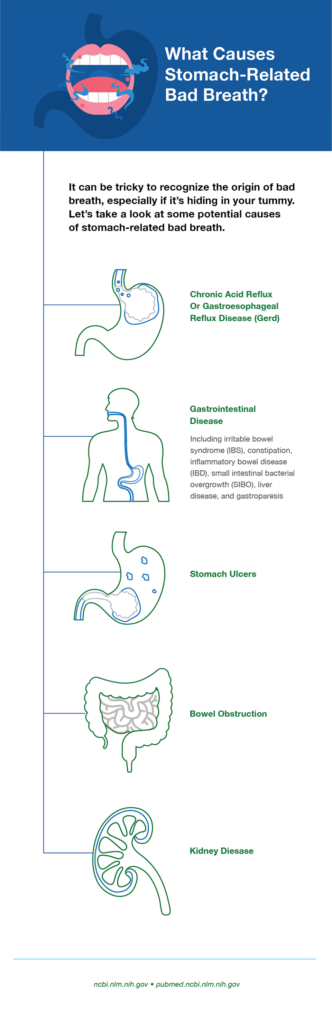
Halitosis can sometimes be a symptom of an underlying medical condition. Respiratory infections, sinusitis, postnasal drip, acid reflux (GERD), diabetes, liver or kidney diseases, and certain cancers can be associated with bad breath. These conditions typically produce distinctive odor profiles that differ from typical halitosis. Consulting with a healthcare professional is essential to identify and address any potential medical causes of halitosis.

Diagnosing Halitosis
Self-Assessment
Individuals can start by assessing their own breath to determine if they have halitosis. A simple self-assessment can involve cupping your hands over your mouth and nose, exhaling, and smelling the air expelled. It is important to note that the ability to detect one’s breath odor may vary, and it may be challenging to evaluate the severity or identify potential causes. While self-assessment can provide a preliminary indication of halitosis, professional assessment is crucial for a comprehensive evaluation.
Professional Assessment
To obtain an accurate diagnosis and identify the underlying causes of halitosis, it is advisable to consult with a dental professional or a primary care physician. They can thoroughly examine the mouth, throat, and nasal passages, inquire about medical history, and perform relevant tests. These may include an evaluation of oral hygiene practices, a tongue coating analysis, saliva flow measurement, and tests for dental decay or gum disease. In some cases, additional specialized consultations with ear, nose, and throat (ENT) specialists, gastroenterologists, or endocrinologists may be necessary.
Preventing Halitosis
Maintaining Proper Oral Hygiene
One of the most effective ways to prevent halitosis is by maintaining proper oral hygiene practices. This includes brushing twice a day with fluoride toothpaste, using dental floss daily to clean between teeth, and cleaning the tongue regularly using a tongue scraper or toothbrush. It is also essential to replace toothbrushes regularly, preferably every three to four months or sooner if the bristles become frayed. Good oral hygiene helps remove food particles, plaque, and bacteria, reducing the risk of halitosis.
Hydrating Properly
Proper hydration is important for overall health and can help prevent halitosis. Drinking an adequate amount of water throughout the day promotes saliva production and prevents dry mouth, a common cause of bad breath. Avoiding excessive consumption of alcohol, coffee, and caffeinated beverages can also help maintain hydration. Additionally, sugarless candies or chewing gum can stimulate saliva flow and provide temporary relief from dry mouth.
Avoiding Certain Foods and Activities
To prevent halitosis, it may be beneficial to avoid certain foods and activities that contribute to bad breath. Strong-smelling foods like onions, garlic, and spices can temporarily cause halitosis, so it may be helpful to limit their consumption or rinse the mouth thoroughly after eating them. Additionally, limiting alcohol and tobacco use can significantly improve breath odor. It is also advisable to avoid crash diets or fasting, as they can lead to ketone production and the development of temporary bad breath.
Regular Dental Check-ups
Routine dental check-ups are essential for maintaining good oral health and preventing halitosis. These visits allow dental professionals to detect early signs of dental diseases and offer appropriate treatment. Regular cleanings help remove plaque buildup and tartar, reducing the risk of gum disease and halitosis. Dental professionals can provide personalized advice on oral hygiene techniques and recommend oral care products suitable for individual needs.
Treating Halitosis
Improving Oral Hygiene Practices
For individuals with halitosis, improving oral hygiene practices is often the first step in treatment. This includes brushing teeth properly, flossing regularly, and cleaning the tongue thoroughly to remove any debris or bacteria that may contribute to bad breath. Using a toothpaste or mouth rinse with antibacterial properties can also be beneficial. Dental professionals can provide guidance on proper oral hygiene techniques and recommend suitable products.
Correcting Dry Mouth
Addressing dry mouth is crucial in treating halitosis. Drinking enough water to maintain hydration, avoiding alcohol and caffeine, and using saliva-stimulating products like sugar-free chewing gums or lozenges can help combat dry mouth symptoms. Dentists or primary care physicians may also recommend saliva substitutes or prescribe medications that increase saliva production. Identifying and managing any underlying causes of dry mouth, such as medication adjustments, can also assist in the treatment of halitosis.
Treating Infections
When halitosis is caused by oral infections such as gum disease or tonsillitis, appropriate treatment is necessary to alleviate the condition. Dental professionals may recommend deep cleanings, also known as scaling and root planing, to remove plaque and tartar below the gumline. In cases of persistent gum infections or abscesses, more extensive dental procedures or referral to a periodontist may be required. For tonsillitis or throat infections, medical interventions like antibiotics or antivirals may be prescribed.
Addressing Diet and Lifestyle Factors
Making dietary and lifestyle adjustments can play a significant role in treating halitosis. This includes avoiding foods with strong odors, particularly before social interactions, and practicing mindful eating to minimize the impact of oral malodor. Regular exercise, stress management techniques, and healthy sleep habits contribute to overall oral health. Quitting tobacco use can also lead to significant improvement in breath odor and oral health.
Medical Interventions
In some cases, medical interventions may be necessary to treat halitosis. If underlying medical conditions such as diabetes, respiratory infections, or gastrointestinal disorders are causing bad breath, addressing these conditions in collaboration with healthcare professionals is essential. It may involve managing blood sugar levels, addressing postnasal drip or acid reflux, or seeking appropriate treatment for any systemic diseases. Working with healthcare providers will help determine the most suitable course of action.
Home Remedies for Halitosis
Proper Brushing and Flossing Techniques
Adopting proper brushing and flossing techniques is vital for maintaining fresh breath and preventing halitosis. Brushing teeth for at least two minutes, angling the bristles towards the gumline, and gently massaging the gums helps remove plaque and bacteria effectively. Dental floss should be used daily to clean between teeth and remove any food particles or plaque that brushing alone may miss.
Tongue Scraping
Cleaning the tongue using a tongue scraper or toothbrush can help eliminate the coating on the tongue’s surface that can harbor bacteria and produce odor. Gently scraping or brushing from the back of the tongue towards the tip can help remove the accumulated bacteria and debris. Tongue cleaning should be practiced regularly as part of a daily oral hygiene routine.
Mouthwash and Rinses
Mouthwashes and rinses can provide temporary relief from bad breath by freshening the breath and killing oral bacteria. However, they should not be used as a substitute for proper oral hygiene practices. Choosing an alcohol-free mouthwash with antibacterial properties can help prevent dry mouth and reduce the odor-causing bacteria in the mouth.
Hydration
Maintaining hydration is essential for good oral health and can help combat halitosis. Drinking an adequate amount of water throughout the day promotes saliva production, which helps wash away food particles, debris, and bacteria. Individuals should aim to drink water regularly, especially after meals and when experiencing dry mouth symptoms.
Natural Remedies
Some natural remedies may temporarily alleviate bad breath. Chewing on fresh herbs such as mint, parsley, or basil can provide a pleasant odor and stimulate saliva flow. Natural antibacterial agents like tea tree oil, clove oil, or eucalyptus oil, when used in moderation and as recommended, may also help reduce oral bacteria and the associated odor. It is important to be cautious and consult with dental professionals or healthcare providers before using any natural remedies.

Seeking Professional Help
Dentist or Dental Hygienist
Consulting with a dentist or dental hygienist is crucial for diagnosing and treating halitosis. They can evaluate oral health, identify potential causes, provide professional guidance on oral hygiene practices, and offer appropriate treatments or referrals if necessary. Regular dental check-ups and cleanings are essential to maintaining optimal oral health and preventing halitosis.
Primary Care Physician
In cases where halitosis may be caused by underlying medical conditions, it is advisable to consult with a primary care physician. They can conduct a comprehensive evaluation, consider medical history, order relevant tests, and offer appropriate medical interventions or referrals. Collaborating with a primary care physician can help identify and address any systemic causes contributing to halitosis.
Specialists
In more complex cases, consultation with specialists may be necessary. Ear, nose, and throat (ENT) specialists can help evaluate and manage the nasal passages, throat, and sinus conditions that may contribute to bad breath. Gastroenterologists are experts in diagnosing and treating gastrointestinal disorders associated with halitosis. Endocrinologists specialize in hormonal imbalances and systemic conditions, such as diabetes, that may cause bad breath. Seeking the expertise of these specialists can provide valuable insight and comprehensive care.
Halitosis and Mental Health
Psychological Impact
Halitosis can have a profound psychological impact on individuals. Persistent bad breath can lead to feelings of embarrassment, self-consciousness, and low self-esteem. It may affect personal relationships, social interactions, and professional opportunities. Individuals with halitosis may experience anxiety or depression due to the social stigma associated with bad breath. Addressing halitosis can help improve mental well-being and overall confidence.
Social Consequences
The social consequences of halitosis can be significant. Individuals with chronic bad breath may find themselves avoiding social situations, intimate interactions, or close conversations with others due to their fear of embarrassment. They may feel isolated or experience strained relationships as a result. Resolving halitosis can help individuals regain their social confidence and engage more comfortably in interpersonal interactions.
Seeking Emotional Support
Dealing with halitosis can be emotionally challenging, and it is essential to seek emotional support when needed. Sharing concerns with understanding friends, family, or support groups can provide a sense of validation and comfort. Mental health professionals, such as therapists or counselors, can offer guidance and coping strategies to help individuals navigate the emotional impact of halitosis. Seeking emotional support is a valuable step towards improving overall well-being.

FAQs about Halitosis
What is the main cause of bad breath?
The main cause of bad breath, or halitosis, is often poor oral hygiene. Neglecting proper brushing, flossing, and cleaning the tongue can result in the accumulation of bacteria, plaque, and food particles that produce foul-smelling compounds. However, bad breath can also be caused by factors such as dry mouth, infections, diet, tobacco use, and certain medical conditions.
Can certain medications cause halitosis?
Yes, certain medications can contribute to halitosis by causing dry mouth, reducing saliva production, or altering the composition of saliva. Antidepressants, antihistamines, diuretics, and some pain medications are examples of drugs that may cause dry mouth and lead to bad breath. It is important to discuss concerns about medication-related halitosis with healthcare professionals to explore possible solutions.
Can halitosis be a sign of an underlying medical condition?
Yes, in some cases, halitosis can be a sign of an underlying medical condition. Respiratory infections, sinusitis, postnasal drip, acid reflux (GERD), diabetes, liver or kidney diseases, and certain cancers can cause bad breath. If halitosis persists despite good oral hygiene practices, it is advisable to consult with a healthcare professional to investigate any potential medical causes.
Is halitosis contagious?
No, halitosis itself is not contagious. It is not transmitted through casual contact or close proximity to someone with bad breath. However, some underlying medical conditions or infections that can cause halitosis may be contagious. For instance, untreated oral infections or respiratory infections can be spread through contact or respiratory droplets.
Can halitosis be cured?
Halitosis can often be controlled or eliminated by addressing the underlying causes and following appropriate treatment strategies. By practicing good oral hygiene, identifying and treating infections, managing dry mouth, and making dietary and lifestyle adjustments, individuals can significantly reduce or eliminate bad breath. However, if halitosis persists despite these efforts, it is important to consult with dental or healthcare professionals to explore additional treatment options tailored to specific circumstances.