
Having bad breath can be a real confidence killer. Whether it’s a result of the food we eat or poor oral hygiene, nobody likes to deal with the embarrassment that comes with it. Thankfully, there are natural remedies that can help combat bad breath and leave you with a fresh and pleasant breath. In this article, you will discover some effective and easy-to-implement solutions that will have you feeling confident and worry-free about your breath. Say goodbye to bad breath and hello to fresh, minty confidence! Have you ever experienced the embarrassment of bad breath? It can be a major confidence killer and affect your personal and professional relationships. The good news is, there are natural remedies you can try to improve your oral hygiene and combat bad breath. Let’s explore some of the causes of bad breath and the different ways you can address it.
Causes of Bad Breath
Poor oral hygiene
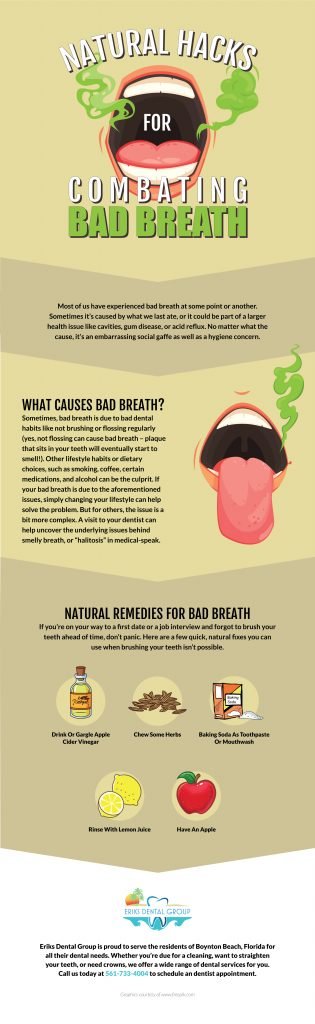
One of the primary causes of bad breath is poor oral hygiene. If you don’t brush and floss regularly, food particles can get stuck in between your teeth and bacteria can build up in your mouth. This leads to the production of foul-smelling volatile sulfur compounds (VSCs) that cause bad breath. To improve your oral hygiene, make sure you brush your teeth at least twice a day and floss daily to remove any trapped food particles.
Dry mouth
Having a dry mouth can also contribute to bad breath. Saliva plays a crucial role in keeping your mouth clean by washing away food particles and bacteria. When your mouth doesn’t produce enough saliva, it can lead to a dry mouth and bad breath. To combat dry mouth, stay hydrated throughout the day by drinking plenty of water and try chewing sugarless gum or mints to stimulate saliva production.
Food and drinks
Certain foods and drinks, such as onions, garlic, coffee, and alcohol, can leave a lasting odor in your mouth. The odor-causing compounds in these substances can be carried in your breath for hours after consumption. To combat this, try to limit your intake of strong-smelling foods and drinks. If you do consume them, be sure to brush your teeth and use mouthwash afterward to freshen your breath.
Tobacco products
Smoking and using other tobacco products not only stain your teeth and contribute to gum disease, but they can also leave a distinctive smell in your mouth. These smells can linger long after you’ve finished smoking, worsen your breath, and increase your risk of oral health problems. Quitting tobacco products altogether is the best solution, but in the meantime, regular brushing, flossing, and using mouthwash can help improve your breath.
Medical conditions
Sometimes, bad breath can be an indication of an underlying medical condition. Conditions such as gum disease, sinus infections, and respiratory tract infections can all contribute to bad breath. If you’ve tried improving your oral hygiene and still experience persistent bad breath, it’s important to consult with a healthcare professional to rule out any underlying medical conditions.
Now that we understand some of the causes of bad breath, let’s explore natural remedies that can help improve your oral hygiene and freshen your breath.
Natural Remedies to Improve Oral Hygiene
Brushing and flossing
The most important step in maintaining good oral hygiene is brushing your teeth at least twice a day and flossing daily. This helps remove plaque, food particles, and bacteria that can cause bad breath. Make sure to use fluoride toothpaste and replace your toothbrush every three to four months to maintain its effectiveness.
Use a tongue scraper
Bacteria can accumulate on the surface of your tongue, contributing to bad breath. Using a tongue scraper daily can help remove this bacteria and freshen your breath. Gently scrape your tongue from back to front, rinsing the scraper after each stroke. Be sure to clean the back of your tongue, where most odor-causing bacteria reside.
Oil pulling
Oil pulling is an ancient Ayurvedic practice that involves swishing oil in your mouth to improve oral health. Take a tablespoon of coconut oil or sesame oil and swish it around in your mouth for about 15-20 minutes. Spit out the oil and rinse your mouth with water. Oil pulling helps remove harmful bacteria from your mouth and leaves your breath feeling fresher.
Now that we’ve covered natural remedies to improve your oral hygiene, let’s explore home remedies specifically targeted at alleviating dry mouth.

Home Remedies for Dry Mouth
Stay hydrated
The simplest and most effective way to combat dry mouth is to stay hydrated. Drink plenty of water throughout the day to keep your mouth moist and increase saliva production. You can also try sipping on sugar-free beverages or sucking on ice chips to stimulate saliva flow.
Chew sugarless gum or mints
Chewing sugarless gum or sucking on sugar-free mints can help stimulate saliva production, providing temporary relief from dry mouth. Look for products that contain xylitol, as it can help reduce bacterial growth in your mouth.
Avoid caffeine and alcohol
Caffeine and alcohol can contribute to dehydration and worsen dry mouth symptoms. Limiting your intake of these substances can help alleviate dry mouth. Opt for herbal teas or water instead.
Use a humidifier at night
Using a humidifier in your bedroom at night can help add moisture to the air, ultimately reducing dry mouth symptoms. A moist environment can help keep your mouth and throat hydrated while you sleep.
Now that we’ve covered natural remedies for poor oral hygiene and dry mouth, let’s explore dietary changes that can help combat bad breath.
Dietary Changes to Combat Bad Breath
Increase water intake
Drinking an adequate amount of water throughout the day is crucial for maintaining good oral health and avoiding bad breath. Water helps keep your mouth hydrated and flushes away any food particles and bacteria. Aim to drink at least eight glasses of water per day.
Eat crunchy fruits and vegetables
Crunchy fruits and vegetables, such as apples, carrots, and celery, have a natural cleansing effect on your teeth. They stimulate saliva production and help remove plaque and food particles from your mouth.
Include probiotics in your diet
Probiotics are beneficial bacteria that can help balance the oral microbiome and reduce the growth of odor-causing bacteria. Incorporate probiotic-rich foods into your diet, such as yogurt, kefir, sauerkraut, and kimchi.
Limit strong-smelling foods
Certain foods, such as onions, garlic, and spices, can leave a lasting odor in your mouth. Limiting your intake of these strong-smelling foods can help combat bad breath. If you do consume them, be sure to brush your teeth and use mouthwash afterward to freshen your breath.
Now, let’s delve into herbal remedies that can help freshen your breath and combat bad breath.

Herbal Remedies for Bad Breath
Chewing on cloves or cardamom
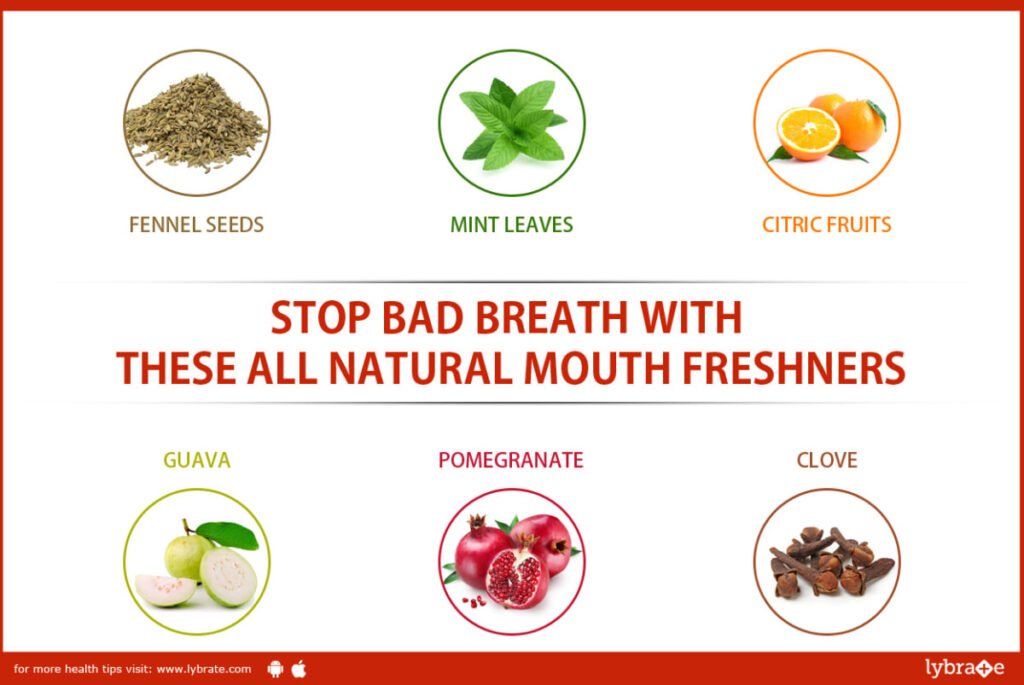
Cloves and cardamom are natural breath fresheners that can help combat bad breath. Chew on a few cloves or cardamom seeds after meals to freshen your breath. They also have antimicrobial properties that can help kill odor-causing bacteria in your mouth.
Sip on herbal teas
Certain herbal teas, such as green tea and mint tea, can help freshen your breath. These teas have natural compounds that have antimicrobial properties and can reduce the growth of bacteria in your mouth. Sip on a cup of herbal tea after meals or whenever you need to freshen your breath.
Use peppermint or parsley leaves
Peppermint leaves and parsley leaves are commonly used as natural breath fresheners. Chew on a few fresh leaves after meals or steep them in hot water to make a refreshing mouth rinse. These leaves have natural aromatic compounds that can help mask bad breath odors.
Chew on fresh mint or basil
Fresh mint leaves and basil leaves have natural antibacterial properties that can help combat bad breath. Chew on a few leaves throughout the day or add them to your meals for a refreshing burst of flavor and freshening of your breath.
Now that we’ve covered herbal remedies, let’s explore natural mouthwashes and rinses that can help freshen your breath.
Natural Mouthwashes and Rinses
Saltwater rinse
A saltwater rinse is a simple and effective way to freshen your breath and kill odor-causing bacteria. Dissolve half a teaspoon of salt in a glass of warm water and swish the solution in your mouth for about 30 seconds before spitting it out. Repeat this rinse twice a day for optimal results.
Baking soda and water rinse
Baking soda has natural deodorizing properties and can help neutralize odors in your mouth. Mix one teaspoon of baking soda with a glass of water and swish the solution in your mouth for about 30 seconds before spitting it out. Use this rinse once a day for fresh breath.
Apple cider vinegar rinse
Apple cider vinegar has antimicrobial properties that can help kill bacteria in your mouth and freshen your breath. Mix one tablespoon of apple cider vinegar with a glass of water and use the solution as a mouth rinse. Swish the mixture in your mouth for about 30 seconds and then spit it out. Rinse your mouth with water afterward to remove any vinegar residue.
Tea tree oil mouthwash
Tea tree oil has antibacterial properties that can help kill odor-causing bacteria in your mouth. Dilute a few drops of tea tree oil in a glass of water and use it as a mouthwash. Swish the solution in your mouth for about 30 seconds before spitting it out. Avoid swallowing the mixture, as tea tree oil should not be ingested.
Now, let’s explore essential oils that can freshen your breath and improve your oral hygiene.

Essential Oils for Fresh Breath
Peppermint oil
Peppermint oil is commonly used for its breath freshening properties. Add a drop of peppermint oil to your toothpaste, or dilute it in water to use as a mouth rinse. Peppermint oil has a refreshing scent and can help kill bacteria that cause bad breath.
Spearmint oil
Similar to peppermint oil, spearmint oil has a refreshing scent and can freshen your breath. Add a drop of spearmint oil to your toothpaste or mouthwash, or dilute it in water to use as a mouth rinse.
Clove oil
Clove oil has natural antibacterial properties and can help freshen your breath. Add a drop of clove oil to your toothpaste or mouthwash, or dilute it in water to use as a mouth rinse. Clove oil should be used in moderation, as excessive use can lead to irritation.
Tea tree oil
Tea tree oil has strong antimicrobial properties and can help kill bacteria in your mouth that cause bad breath. Add a drop of tea tree oil to your toothpaste or mouthwash, or dilute it in water for use as a mouth rinse. Remember to avoid swallowing tea tree oil, as it can be toxic if ingested.
Now, let’s explore home remedies that can provide temporary relief from bad breath.
Home Remedies for Temporary Relief
Chew on fresh parsley or mint leaves
Fresh parsley and mint leaves have natural deodorizing properties and can help mask bad breath. Chew on a few leaves after meals or whenever you need a quick breath freshener.
Suck on a lemon or lime wedge
The acidic properties of lemons and limes can help stimulate saliva production and freshen your breath. Suck on a lemon or lime wedge for a quick burst of freshness.
Drink green tea
Green tea contains natural compounds that can help reduce the growth of bacteria in your mouth and freshen your breath. Drink a cup of green tea after meals or whenever you need to freshen your breath.
Chew on cinnamon or fennel seeds
Chewing on cinnamon or fennel seeds can help freshen your breath. These seeds have natural aromatic compounds that can mask bad breath odors and leave a pleasant scent in your mouth.
Now that we’ve covered various home remedies, let’s explore hygiene habits that can help prevent bad breath.
Hygiene Habits to Prevent Bad Breath
Clean your dentures or dental appliances properly
If you wear dentures or dental appliances, it’s important to clean them regularly. Bacteria can accumulate on these appliances, leading to bad breath. Follow the instructions provided by your dentist for cleaning your dentures or dental appliances to maintain good oral hygiene.
Replace your toothbrush regularly
Using an old and worn-out toothbrush can be ineffective at removing plaque and bacteria. Replace your toothbrush every three to four months or as soon as the bristles start to fray. A fresh toothbrush will be more effective at keeping your mouth clean and freshening your breath.
Clean your tongue
Bacteria can accumulate on the surface of your tongue, contributing to bad breath. To combat this, use a tongue scraper or your toothbrush to gently clean your tongue. Start from the back and scrape or brush forward to remove any bacterial buildup.
Lastly, let’s discuss when it’s necessary to seek professional help for bad breath.
When to Seek Professional Help
Persistent bad breath despite remedies
If you’ve tried various natural remedies and practiced good oral hygiene but still experience persistent bad breath, it’s important to consult with a dental professional. They can evaluate your oral health and determine if there are any underlying issues contributing to your bad breath.
Accompanied by other symptoms
If your bad breath is accompanied by other symptoms, such as gum inflammation, tooth pain, or dryness in your mouth, it may be indicative of an underlying dental or medical condition. In such cases, it’s crucial to seek professional help to diagnose and treat the underlying cause.
Inadequate improvement with home remedies
If you’ve been diligently following natural remedies but haven’t seen significant improvement in your bad breath, it’s advisable to consult with a healthcare professional. They can provide a thorough examination and recommend appropriate treatment options based on the underlying cause of your bad breath.
In conclusion, bad breath can be a frustrating and embarrassing problem, but there are natural remedies and lifestyle changes you can make to improve your oral hygiene and combat bad breath. By practicing good oral hygiene, making dietary changes, and incorporating natural remedies into your routine, you can effectively freshen your breath and regain your confidence. Remember, if home remedies don’t alleviate your bad breath, it’s important to seek professional help to address any underlying dental or medical conditions.