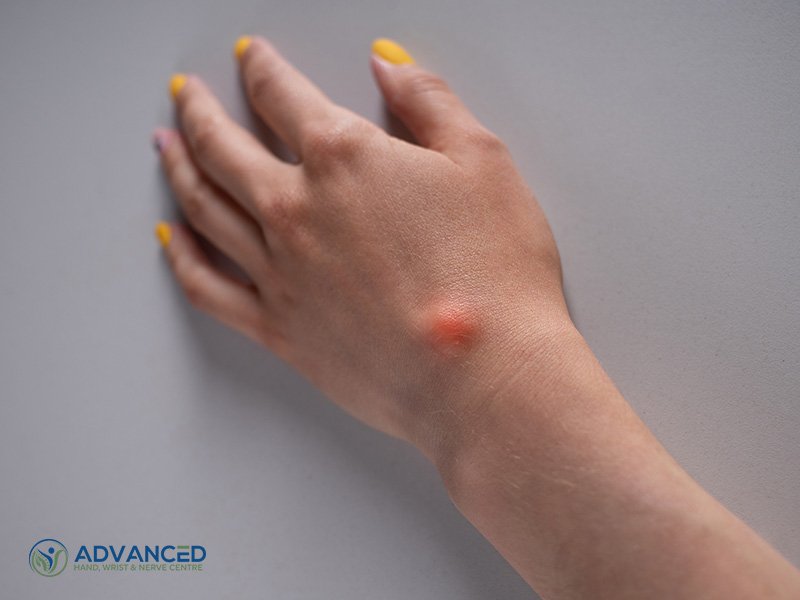
Have you ever noticed a small, bump-like lump on your wrist or hand? If so, you may have come across the term ganglion cyst. These common fluid-filled lumps can often cause confusion and misinformation. In this article, we will separate the facts from the fiction surrounding ganglion cysts, shedding light on what they are, how they form, and debunking common myths that may have you scratching your head. So, let’s unravel the mystery together and uncover the truth about ganglion cysts!
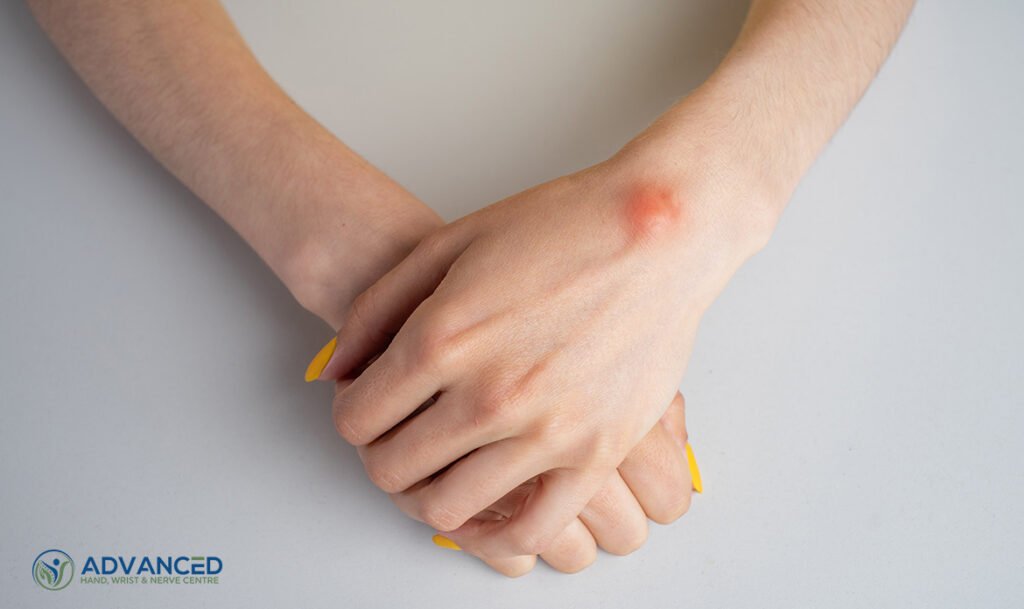
Myth: Ganglion cysts are a form of cancer
Myth 1: Ganglion cysts are cancerous growths
One common myth surrounding ganglion cysts is that they are cancerous growths. However, this is not true. Ganglion cysts are actually non-cancerous, or benign, fluid-filled sacs that form near joints or tendons. While they may be concerning due to their appearance and location, it is important to understand that ganglion cysts are not cancerous and do not pose a threat to your overall health.
Myth 2: Ganglion cysts can turn into cancer
Another misconception is that ganglion cysts can potentially turn into cancer. This is a myth that often causes unnecessary anxiety and worry. Ganglion cysts do not have the ability to transform into cancerous tumors. They are separate entities and have distinct characteristics and behavior from cancer cells. It is important to remember that ganglion cysts are benign and are not associated with the development of cancer.
Fact: Ganglion cysts are benign
Now that we have debunked the myths surrounding ganglion cysts and cancer, let’s delve into the facts about these common growths. Ganglion cysts are classified as benign tumors, meaning they are non-cancerous and do not spread to other parts of the body. Despite their classification as a tumor, ganglion cysts are typically harmless and rarely cause any significant health problems.
Symptoms of ganglion cysts
Ganglion cysts often present as small, round or oval-shaped lumps that are filled with a thick, jelly-like substance. They can vary in size and may cause mild to moderate pain or discomfort, particularly when pressure is applied to the affected area. The most common locations for ganglion cysts include the hands, wrists, feet, ankles, knees, and elbows. In some cases, ganglion cysts may limit joint movement or cause tingling sensations in nearby areas.
Causes of ganglion cysts
The exact cause of ganglion cysts is still not fully understood. However, it is believed that they may develop as a result of trauma or repetitive stress to a joint or tendon. In some cases, ganglion cysts may also be associated with underlying joint or tendon problems such as arthritis or tendonitis. It is important to note that ganglion cysts are not caused by cancer or any malignant process.
Diagnosis of ganglion cysts
If you suspect that you have a ganglion cyst, it is important to seek medical evaluation for an accurate diagnosis. Your healthcare provider will typically perform a physical examination and may order imaging tests, such as an ultrasound or MRI, to confirm the presence of a ganglion cyst. These imaging tests can help distinguish a ganglion cyst from other conditions, such as tumors or cysts associated with cancer.
Treatment options for ganglion cysts
The treatment approach for ganglion cysts may vary depending on several factors, including the size, location, and symptoms associated with the cyst. In some cases, no treatment may be necessary, and the cyst may resolve on its own over time. However, if the cyst is causing significant pain or interfering with joint function, treatment options may include aspiration, corticosteroid injections, or surgical removal. It is essential to consult with a healthcare professional to determine the most appropriate treatment plan for your specific situation.
Myth: Ganglion cysts only occur on the hands and wrists
Myth 1: Ganglion cysts only affect the hands
One common myth surrounding ganglion cysts is that they only affect the hands. While it is true that ganglion cysts are frequently found on the hands, they can actually develop in various locations throughout the body. This myth may lead individuals to overlook the possibility of a ganglion cyst in other areas, delaying proper diagnosis and treatment.
Myth 2: Ganglion cysts only occur on the wrists
Another misconception is that ganglion cysts exclusively occur on the wrists. While it is true that the wrists are a common location for ganglion cysts, they can also develop in other joints and tendons. Ganglion cysts can affect the hands, wrists, feet, ankles, knees, and elbows. It is essential to be aware of the potential for ganglion cysts in various areas of the body to ensure timely diagnosis and appropriate treatment.
Fact: Ganglion cysts can develop in various locations
Contrary to the myths, ganglion cysts can indeed develop in different locations throughout the body. Though they may be most commonly seen on the hands and wrists, ganglion cysts can also occur in other joints and tendons. Let’s explore some of the different areas where ganglion cysts can develop.
Ganglion cysts on the feet and ankles
Ganglion cysts on the feet and ankles are not uncommon. They can form around joints or tendons in these areas, causing discomfort and potentially interfering with walking or other weight-bearing activities. Ganglion cysts in the feet and ankles may be associated with underlying conditions such as arthritis or repetitive strain. Seeking medical evaluation and appropriate treatment is important to alleviate symptoms and prevent complications.
Ganglion cysts in the knees and elbows
Knees and elbows are other locations where ganglion cysts can develop. These cysts may be associated with joint or tendon problems in these areas or may arise spontaneously. Ganglion cysts in the knees or elbows can cause pain, limited range of motion, or discomfort with activities such as bending or straightening the joint. Treatment options may include aspiration, injections, or surgery, depending on the severity of symptoms and impact on daily life.
Rare locations for ganglion cysts
While ganglion cysts are most commonly found in the hands, wrists, feet, ankles, knees, and elbows, they can also occur in other, more rare locations. These can include the hips, shoulders, spine, or even deep within the body near vital organs. Although less common, ganglion cysts in these areas may present unique challenges for diagnosis and treatment. Seeking medical attention from a healthcare professional with experience in treating ganglion cysts is crucial for proper management in these cases.

Myth: Ganglion cysts require immediate surgical removal
Myth 1: Ganglion cysts always need to be surgically removed
One prevalent myth regarding ganglion cysts is that these growths always require surgical removal. However, this is not necessarily the case. The need for surgical intervention depends on several factors, including the size, location, and symptoms associated with the cyst. In many instances, ganglion cysts can be effectively managed with non-surgical treatment options, avoiding the need for invasive procedures.
Myth 2: Surgical removal is the only treatment option
Another misconception is that surgical removal is the only treatment option for ganglion cysts. While surgery may be recommended in certain cases, there are other approaches that can be effective in managing ganglion cysts. The decision on which treatment option to pursue should be made in consultation with a healthcare professional, considering factors such as the size and location of the cyst, symptoms, and individual preferences.
Fact: Not all ganglion cysts require treatment
Contrary to the myths, not all ganglion cysts require immediate treatment or surgical removal. Many ganglion cysts are asymptomatic and do not cause any significant discomfort or functional limitations. In such cases, a watchful waiting approach may be appropriate, with regular monitoring to ensure the cyst does not grow or cause any complications. However, if symptoms arise or the cyst significantly impacts daily activities, treatment options can be explored.
Watchful waiting approach
A watchful waiting approach involves monitoring the ganglion cyst without active treatment. This approach may be recommended if the cyst is small, causing no pain, and not interfering with joint function. Regular follow-up appointments with a healthcare professional can help ensure that any changes in symptoms or cyst size are detected and addressed promptly. If the cyst remains stable or resolves on its own, active treatment may not be necessary.
Non-surgical treatment options
For ganglion cysts that are causing pain or discomfort, non-surgical treatments can often provide relief. These treatment options may include aspiration, which involves draining the fluid from the cyst with a needle, or corticosteroid injections to reduce inflammation and alleviate symptoms. Physical therapy, splinting, or activity modification may also be recommended to minimize pain and improve joint function. Non-surgical approaches can be effective in managing ganglion cysts and can be explored before considering surgical intervention.

Myth: Home remedies can cure ganglion cysts
Myth 1: Applying heat or ice can make the cyst disappear
Many home remedies and alternative treatments are suggested as a way to cure ganglion cysts. One common myth is that applying heat or ice to the cyst can make it go away. However, it is important to note that these remedies will not eliminate the cyst itself. While heat or cold therapy may provide temporary relief from pain or discomfort associated with the cyst, it will not cause the cyst to disappear or resolve on its own.
Myth 2: Smashing the cyst can make it go away
Another dangerous myth surrounding ganglion cysts is the notion that smashing or forcefully manipulating the cyst can make it go away. This is not only ineffective but also can cause injury and potentially lead to complications. Smashing or rupturing a ganglion cyst can result in infection, damage to surrounding tissues, or recurrence of the cyst. It is crucial to avoid any home remedies that involve physical manipulation or aggressive actions towards the cyst.
Fact: Home remedies may only provide temporary relief
While home remedies may offer temporary relief from symptoms associated with ganglion cysts, it is important to understand that they do not provide a cure for the cyst itself. Home remedies such as applying heat or cold packs, over-the-counter pain relievers, or certain topical creams may help temporarily alleviate pain or reduce swelling. However, these remedies will not make the cyst disappear or prevent its recurrence.
Temporary reduction of pain and discomfort
Home remedies can often provide temporary relief from the pain, discomfort, and swelling associated with ganglion cysts. Applying a warm compress or ice pack to the affected area can help alleviate pain and reduce inflammation. Over-the-counter pain relievers, such as ibuprofen or acetaminophen, may also be used to manage symptoms. However, it is important to remember that these remedies only provide temporary relief and may not address the underlying cyst itself.
No significant impact on the cyst itself
While home remedies may help manage symptoms, they do not have a significant impact on the cyst itself. Ganglion cysts are typically caused by underlying joint or tendon issues, and treating the cyst requires addressing these underlying factors. Home remedies alone cannot make the cyst disappear or prevent its recurrence. It is crucial to consult with a healthcare professional to determine the most appropriate treatment approach based on your individual situation.

Myth: Ganglion cysts always come back after treatment
Myth 1: Ganglion cysts have a high recurrence rate
A common myth surrounding ganglion cysts is that they have a high recurrence rate, meaning they often come back after treatment. While ganglion cysts can indeed recur in some cases, not all cysts will return after treatment. The likelihood of recurrence varies depending on several factors, including the location, size, and treatment approach used. It is important to remember that each case is unique, and the recurrence rate can vary.
Myth 2: Recurrence is inevitable
Another myth is the belief that recurrence of ganglion cysts is inevitable, meaning that they will always come back regardless of the treatment received. Although ganglion cysts can recur, it is not guaranteed for every individual. With appropriate treatment and management, including surgical removal, the risk of recurrence can be significantly reduced. By understanding the risk factors and taking preventive measures, recurrence can be minimized.
Fact: Recurrence rates vary, but not all cysts return
While some ganglion cysts may have a higher recurrence rate, it is important to note that not all cysts will come back after treatment. The recurrence rates can vary depending on several factors, including the size and location of the cyst, the effectiveness of the treatment, and compliance with post-treatment care. Let’s explore the factors that can affect recurrence rates and the preventive measures that can help reduce the risk.
Factors affecting recurrence rates
Several factors can influence the recurrence rates of ganglion cysts. Larger cysts may have a higher likelihood of recurrence compared to smaller ones. Cysts located near joints or tendons that are subject to repetitive stress or trauma may also have a higher risk of recurrence. Additionally, the treatment approach used can impact recurrence rates, with surgical removal often resulting in lower recurrence rates compared to non-surgical treatments. Individual factors, such as underlying joint health and personal habits, can also contribute to the likelihood of recurrence.
Preventive measures to reduce the risk of recurrence
While it is not always possible to entirely prevent the recurrence of ganglion cysts, certain measures can be taken to minimize the risk. Following surgical removal, it is important to adhere to post-operative care instructions provided by the healthcare professional. This may include immobilizing the affected area, performing exercises or physical therapy as recommended, and avoiding activities that may strain the joint or tendon. Taking steps to maintain joint health, such as practicing proper ergonomics and using protective equipment during physical activities, can also reduce the risk of developing new cysts or experiencing recurrence.
In conclusion, ganglion cysts are commonly misunderstood, leading to various myths and misconceptions. However, it is essential to rely on accurate information and debunk these myths with the facts. Ganglion cysts are benign growths that are not cancerous and do not require immediate surgical removal in all cases. They can occur in various locations throughout the body and may or may not cause symptoms. Treatment options depend on the individual situation, and not all cysts require immediate intervention. Home remedies may provide temporary relief from symptoms, but they do not cure ganglion cysts. Recurrence rates vary, and not all cysts come back after treatment. By understanding the facts and seeking appropriate medical evaluation and management, individuals can make informed decisions regarding the diagnosis and treatment of ganglion cysts.