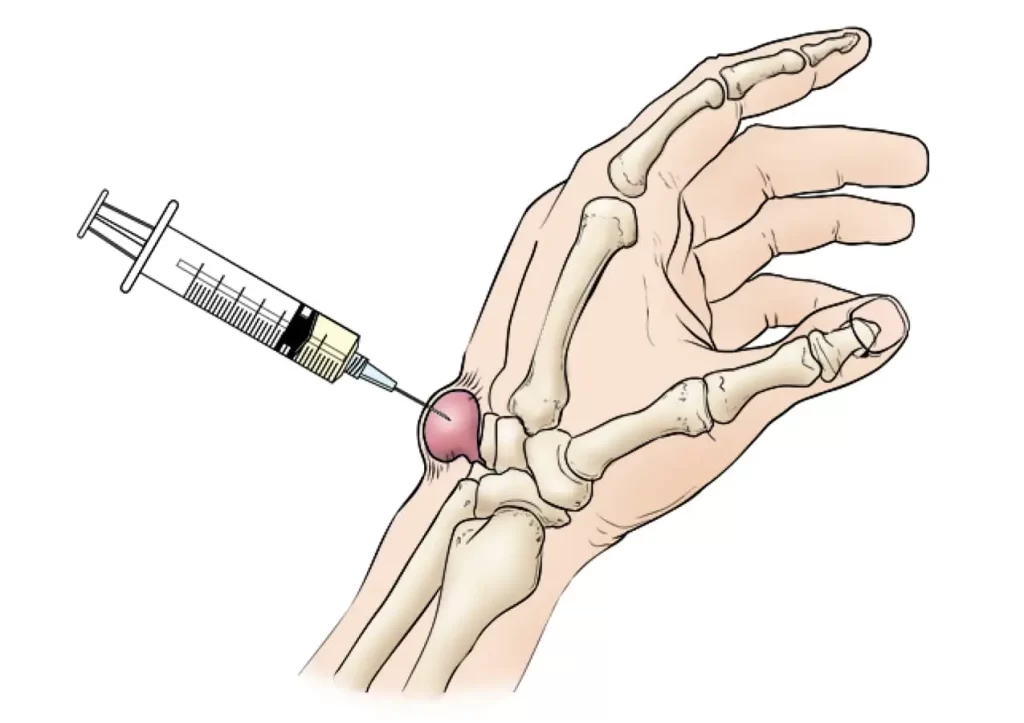
Are you experiencing a small, fluid-filled lump on your hand or wrist? You may be dealing with a ganglion cyst. Although most ganglion cysts are harmless and typically disappear on their own, there are instances when complications can arise. In this article, we will explore the potential complications associated with ganglion cysts and provide guidance on when it’s essential to seek medical attention. Whether you’re curious about the causes, symptoms, or treatment options, we’ve got you covered. So, let’s dive into the world of ganglion cysts and unravel the mysteries surrounding them.
Causes of Ganglion Cysts
Ganglion cysts are non-cancerous fluid-filled lumps that form under the skin, typically near joints and tendons. While the exact cause of ganglion cysts is unknown, there are several factors that may contribute to their development.
Fluid leakage from joints and tendons
One possible cause of ganglion cysts is fluid leakage from the joints and tendons. When there is an excess of synovial fluid, which is the lubricating fluid found in joints, it can accumulate and form a cyst. This fluid leakage can occur due to inflammation or trauma to the joint or tendon.
Joint or tendon injury
Injuries to the joints or tendons can also lead to the formation of ganglion cysts. Trauma, such as a sprain or fracture, can cause the tissues around the joints or tendons to become irritated and form a cyst as a protective response.
Repetitive stress on a joint or tendon
Repetitive stress on a joint or tendon is another potential cause of ganglion cysts. Activities that require repetitive motions, such as typing or playing a musical instrument, can put strain on the joints and tendons, leading to the development of a cyst over time.
Common Locations of Ganglion Cysts
Ganglion cysts can occur in various parts of the body, but there are certain locations where they are more commonly found.
Wrists
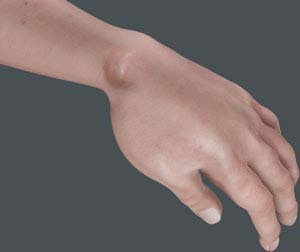
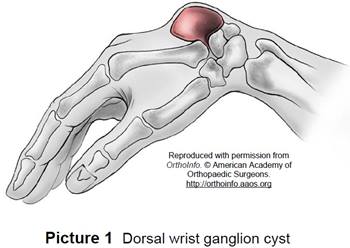
The wrists are the most common location for ganglion cysts. These cysts often appear on the back of the hand, near the wrist joint. They can be small or large and may fluctuate in size.
Fingers
Ganglion cysts can also develop on the fingers, usually near the joints. They can cause discomfort and make it difficult to bend or straighten the affected finger.
Ankles
Ganglion cysts in the ankles can be particularly bothersome, as they can cause pain and limit mobility. These cysts are often found on the top or sides of the ankle.
Feet
In some cases, ganglion cysts may form in the feet, typically near the joints or tendons. These cysts can make it painful to walk or wear certain types of shoes.
Knees
Although less common, ganglion cysts can also occur in the knees. They can cause pain and stiffness, making it challenging to perform activities that involve bending and straightening the knee joint.
Signs and Symptoms of Ganglion Cysts
Ganglion cysts can be easily identified by their characteristic signs and symptoms. It’s important to recognize these symptoms to seek appropriate medical attention.
Visible or palpable lump
The primary sign of a ganglion cyst is the presence of a visible or palpable lump. These cysts are typically round or oval-shaped and may feel firm or spongy to the touch. The lump may vary in size and may fluctuate in size over time.
Pain or discomfort
Ganglion cysts can cause pain or discomfort, particularly when pressure is applied to the affected area. The pain may range from mild to severe and may worsen with certain movements or activities.
Tingling or numbness
In some cases, ganglion cysts can compress nearby nerves, leading to tingling or numbness in the surrounding area. This can cause a loss of sensation or a “pins and needles” sensation.
Decreased range of motion
If a ganglion cyst is located near a joint, it can limit the range of motion in that joint. This can make it challenging to perform certain movements or activities that require full joint mobility.
Complications Associated with Ganglion Cysts
While ganglion cysts are generally harmless, they can sometimes lead to complications that require medical attention.
Infection
There is a risk of infection if the cyst is punctured or if bacteria enter the cyst through a break in the skin. Signs of infection include increased pain, redness, swelling, and a fever. Prompt medical attention is necessary if infection is suspected.
Nerve compression
Ganglion cysts can compress nearby nerves, leading to nerve damage and subsequent symptoms such as tingling, numbness, weakness, or muscle atrophy. If nerve compression is suspected, medical evaluation is crucial to prevent long-term complications.
Joint or tendon damage
In rare cases, ganglion cysts may cause damage to the surrounding joints or tendons. The pressure exerted by a large cyst can weaken the tissues over time, potentially leading to joint instability or tendon rupture. Surgical intervention may be required to address such complications.
When to Seek Medical Attention for a Ganglion Cyst
While many ganglion cysts are harmless and may resolve on their own, there are certain situations in which medical attention should be sought.
Persistent or worsening pain
If the pain associated with a ganglion cyst persists or worsens over time, it may be a sign of a more significant underlying issue. Persistent or severe pain should not be ignored, and a healthcare professional should be consulted.
Changes in appearance or size of the cyst
If a ganglion cyst undergoes noticeable changes in appearance or size, it may be a cause for concern. Sudden growth, discoloration, or unusual characteristics should be evaluated by a medical professional.
Symptoms affecting daily activities
If the ganglion cyst causes significant discomfort or limits your ability to perform daily activities, it’s important to seek medical attention. The cyst may need intervention or treatment to alleviate symptoms and improve function.
Altered sensation in the affected area
If you experience tingling, numbness, or other abnormal sensations in the area surrounding the ganglion cyst, it could be a sign of nerve compression. Seeking medical evaluation is crucial to prevent further nerve damage.
Diagnosis of Ganglion Cysts
To diagnose a ganglion cyst, a healthcare professional will typically perform a physical examination and may order imaging tests or aspiration of fluid for analysis.
Physical examination
During a physical examination, the healthcare professional will examine the lump and assess its size, location, and characteristics. They may also evaluate your range of motion and check for signs of nerve compression.
Imaging tests (X-ray, MRI, ultrasound)
Imaging tests, such as X-rays, magnetic resonance imaging (MRI), or ultrasound, may be ordered to obtain a more detailed view of the ganglion cyst and its relationship to surrounding structures. These tests can help rule out other conditions and determine the most appropriate treatment approach.
Aspiration and analysis of fluid
If the diagnosis is still uncertain, or if there are concerns about the nature of the lump, the healthcare professional may perform an aspiration. This involves using a needle to withdraw fluid from the cyst for analysis. This procedure can also provide temporary relief by reducing the size of the cyst.

Treatment Options for Ganglion Cysts
The treatment approach for ganglion cysts depends on various factors, including the size, location, and symptoms associated with the cyst. Treatment options range from conservative management to more invasive interventions.
Watchful waiting
In many cases, ganglion cysts may not require immediate treatment and can be managed through watchful waiting. The cyst may spontaneously resolve over time or remain asymptomatic without causing any functional limitations.
Home remedies (rest, immobilization, warm compress)
Simple home remedies can help alleviate symptoms and promote healing of ganglion cysts. Resting the affected area, immobilization with a splint or brace, and applying warm compresses can reduce pain and inflammation.
Aspiration (draining the fluid)
Aspiration involves draining the fluid from the cyst using a needle and syringe. This procedure can provide temporary relief by reducing the size of the cyst and relieving associated symptoms. However, it does carry a risk of recurrence.
Corticosteroid injections
Corticosteroid injections may be recommended to reduce inflammation and alleviate pain associated with ganglion cysts. The injection is directly administered into the cyst, helping to shrink it and decrease symptoms. Multiple injections may be required for optimal results.
Surgical removal
If a ganglion cyst is large, symptomatic, or causing significant functional impairment, surgical removal may be necessary. The surgical procedure involves excising the cyst and removing any associated structures if needed. Surgery is typically done under local anesthesia, and recovery time depends on the size and location of the cyst.
Risks and Benefits of Ganglion Cyst Treatments
Each treatment option for ganglion cysts comes with its own set of risks and benefits that should be considered before making a decision.
Potential for recurrence
It’s important to note that ganglion cysts have a tendency to recur, regardless of the treatment option chosen. The risk of recurrence is higher with conservative measures, such as watchful waiting or aspiration, compared to surgical removal.
Relief of symptoms and improved function
Successful treatment of ganglion cysts can provide significant relief from associated symptoms, such as pain, discomfort, and limited range of motion. Improved function and increased mobility are a common benefit of treating these cysts.
Risk of infection or complications
All treatment options carry a certain risk of infection or complications. Surgical removal, in particular, carries a higher risk of infection, scarring, nerve damage, or damage to surrounding structures. These risks should be discussed with a healthcare professional before undergoing any treatment.
Recovery time and rehabilitation
The recovery time and rehabilitation process will vary depending on the treatment option chosen and the size and location of the cyst. Surgical removal typically requires a longer recovery period, while less invasive treatments may have shorter recovery times.
Post-Treatment Care for Ganglion Cysts
After treatment for a ganglion cyst, post-treatment care is essential to promote proper healing and prevent complications.
Rest and activity modification
Resting the affected area and avoiding activities that put strain on the joint or tendon can aid in the healing process. Activity modification may be necessary during the recovery period to prevent recurrence or further complications.
Physical therapy and exercises
In some cases, physical therapy may be recommended after the treatment of a ganglion cyst. Physical therapy exercises can help improve range of motion, strengthen the surrounding muscles, and prevent future injuries.
Follow-up appointments
Regular follow-up appointments with a healthcare professional are crucial after the treatment of a ganglion cyst. These appointments allow the healthcare professional to monitor the healing process, assess for any signs of complications, and provide further guidance if needed.
Prevention of recurrence
To prevent recurrence of ganglion cysts, it’s important to avoid excessive strain or stress on the joints and tendons. Protective measures, such as wearing supportive braces, maintaining good ergonomics, and incorporating regular breaks during repetitive activities, can help reduce the risk of recurrence.
Alternative Therapies for Ganglion Cysts
While alternative therapies may not be supported by scientific evidence, some individuals may turn to these options for relief from ganglion cysts.
Homeopathic remedies
Some individuals may explore homeopathic remedies for the treatment of ganglion cysts. These remedies typically involve using highly diluted substances to stimulate the body’s natural healing process. However, there is limited scientific evidence to support their effectiveness.
Herbal treatments
Certain herbal treatments, such as poultices or topical creams made from natural ingredients, have been used traditionally for the treatment of ganglion cysts. It’s important to consult with a healthcare professional before using any herbal treatments to ensure they are safe and appropriate.
Acupuncture
Acupuncture, a traditional Chinese medicine practice, involves the insertion of thin needles into specific points in the body to stimulate healing. Some individuals may find acupuncture helpful in reducing pain and promoting healing of ganglion cysts.
Chiropractic care
Chiropractic care focuses on the diagnosis and treatment of musculoskeletal disorders. Some individuals may seek chiropractic treatment for ganglion cysts, as chiropractors use various techniques to reduce pain and improve joint mobility.
In conclusion, ganglion cysts are common benign lumps that can occur near joints and tendons. While they are generally harmless, they can cause pain, discomfort, and limitations in range of motion. Seeking medical attention is recommended if symptoms worsen or affect daily activities, or if there are concerns about infection or nerve compression. Treatment options range from conservative measures to surgical removal, and the choice depends on individual circumstances and preferences. Post-treatment care and prevention play important roles in promoting healing and preventing recurrence. It’s essential to consult with a healthcare professional to determine the most appropriate course of action and explore alternative therapies cautiously.