
You’re struggling with acne, and you’ve reached the point where at-home remedies and over-the-counter products just aren’t cutting it anymore. It’s time to consider professional help. As your Listicle Content Architect (LCA), I’m here to guide you through the dermatologist’s arsenal. You might be picturing harsh chemicals and painful procedures, but modern dermatology offers a spectrum of effective treatments designed to tackle acne at its root cause. This listicle will demystify what your dermatologist can do for you, from powerful prescription medications to advanced in-office procedures. Get ready to understand your options and take a significant step towards clearer, healthier skin.
Often, your dermatologist will start with topical treatments, creams, gels, or lotions that you apply directly to your skin. These medications work by reducing oil production, fighting bacteria, and promoting cell turnover. You might have already tried some over-the-counter versions, but prescription-strength options pack a more powerful punch and are often tailored to your specific type and severity of acne.
Prescription Retinoids (Tretinoin, Adapalene, Tazarotene)
You’ll likely hear these names frequently. Prescription retinoids, derived from Vitamin A, are a cornerstone of acne treatment. They work by normalizing the shedding of skin cells, preventing clogged pores, and reducing inflammation.
- How they work: They essentially “unclog” your pores by preventing dead skin cells from sticking together and creating blockages. They also have anti-inflammatory properties.
- What to expect: You’ll probably experience some initial dryness, redness, and peeling, often referred to as the “retinization period.” This is normal and usually subsides as your skin adjusts. Consistent use is key, and results can take several weeks to months to become noticeable.
- Important considerations: Always apply them to clean, dry skin. Use a pea-sized amount for your entire face. Sunscreen is non-negotiable, as retinoids increase your skin’s sensitivity to the sun. Your dermatologist will advise on the strength and frequency of application.
Topical Antibiotics (Clindamycin, Erythromycin)
When acne is inflamed and involves bacteria, topical antibiotics can be incredibly effective. They work by killing acne-causing bacteria and reducing inflammation.
- Mechanism of action: They directly target Cutibacterium acnes (formerly Propionibacterium acnes), a bacterium that plays a role in inflammatory acne.
- Common combinations: Often, topical antibiotics are prescribed in combination with other agents like benzoyl peroxide to prevent antibiotic resistance.
- Potential side effects: Dryness, stinging, and irritation can occur. It’s important to use them as directed and not to expect immediate results. Long-term, continuous use of topical antibiotics alone can lead to resistance, so your dermatologist will monitor this.
Benzoyl Peroxide (Higher Strengths)
While available over-the-counter, your dermatologist can prescribe higher concentrations of benzoyl peroxide for more stubborn acne. This powerful ingredient works as an antibacterial agent and also helps to unclog pores.
- Dual action: It kills acne-causing bacteria by releasing oxygen into the clogged pore, creating an environment where they can’t survive. It also has a mild exfoliating effect.
- Strengths and applications: Available in strengths ranging from 2.5% to 10%, higher concentrations are generally more effective but also more irritating. Your dermatologist will determine the right strength for your skin.
- Cautionary notes: Benzoyl peroxide can bleach fabrics and hair, so be mindful of towels and pillowcases. It can also cause significant dryness and peeling, so start slowly and moisturize diligently.
Azelaic Acid
This is a versatile ingredient that’s effective for both acne and post-inflammatory hyperpigmentation (those dark spots left behind after pimples heal).
- Multiple benefits: Azelaic acid has antibacterial, anti-inflammatory, and keratolytic (helps shed dead skin cells) properties. It also helps to lighten dark spots.
- Good for sensitive skin: It’s generally well-tolerated, even by those with sensitive skin, and is a good option if other treatments have been too irritating.
- How to use: It’s typically applied once or twice daily. Expect some mild itching or stinging initially, but this usually fades.
2. Oral Medications: Targeting Acne from Within
When topical treatments aren’t enough, your dermatologist will consider oral medications that work systemically to control your acne. These are often prescribed for moderate to severe inflammatory acne.
Oral Antibiotics (Tetracyclines, Macrolides)
Oral antibiotics are a common prescription for inflammatory acne. They reduce bacteria and inflammation throughout the body.
- Types of antibiotics: Common choices include doxycycline, minocycline, and erythromycin. Your dermatologist will select one based on your individual needs and medical history.
- Duration of treatment: These are typically prescribed for a limited duration, usually a few months, to minimize the risk of antibiotic resistance. They are often used in conjunction with other treatments for sustained results.
- Side effects to be aware of: These can include upset stomach, dizziness, photosensitivity (increased sensitivity to sunlight), and, rarely, yeast infections. It’s crucial to take them exactly as prescribed and to inform your doctor about any other medications you are taking.
Isotretinoin (Accutane)
This is a powerful oral retinoid and is considered the most effective treatment for severe, persistent, or scarring acne. It targets all major causes of acne: excess oil production, clogged pores, bacteria, and inflammation.
- The game-changer: Isotretinoin significantly reduces oil gland size and activity, normalizes skin cell shedding, and has potent anti-inflammatory effects.
- Rigorous monitoring: Because of its potential side effects, patients undergoing isotretinoin treatment are closely monitored by their dermatologist. This typically involves regular blood tests and strict adherence to pregnancy prevention programs for women of childbearing potential (due to severe birth defects).
- Potential side effects and management: Common side effects include dry lips and skin, dry eyes, muscle aches, and increased sensitivity to the sun. Less common but more serious side effects can occur, which is why close medical supervision is vital. Most patients experience a significant and often permanent improvement in their acne after a single course of treatment.
Hormonal Therapy (Oral Contraceptives, Spironolactone)
For women, hormonal fluctuations can play a significant role in acne. Your dermatologist might prescribe medications that help regulate hormones.
- Combined Oral Contraceptives (COCs): Certain birth control pills containing estrogen and progestin can help reduce the amount of androgens (male hormones) in your body, which can contribute to acne.
- Spironolactone: This is an anti-androgen medication that works by blocking the effects of male hormones on your skin’s oil glands. It’s a highly effective option for hormonal acne in women.
- Important considerations: These medications are typically prescribed for women and require careful evaluation of your medical history and potential risks. It can take several months to see the full effects.
3. In-Office Procedures: Targeted Therapies for Quick Relief
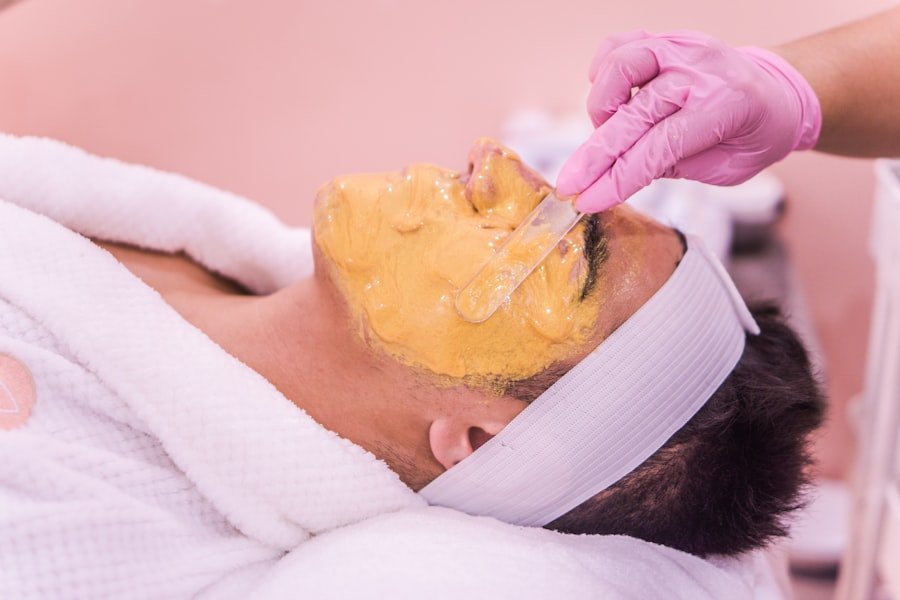
Beyond topical and oral medications, dermatologists offer in-office procedures that can provide rapid improvement and tackle specific acne concerns. These are often used to address stubborn breakouts or to accelerate healing.
Chemical Peels
Chemical peels involve applying a chemical solution to the skin to exfoliate the top layers, revealing smoother, clearer skin underneath.
- Types of peels: Dermatologists offer various strengths, from superficial peels (using alpha-hydroxy acids like glycolic acid or salicylic acid) to deeper peels (using trichloroacetic acid or phenol). The choice depends on your skin type, acne severity, and desired outcome.
- How they help acne: They help to unclog pores, reduce inflammation, and can also improve the appearance of acne scars and dark spots. Salicylic acid is particularly effective for acne due to its ability to penetrate oil.
- What to expect: You might experience redness, peeling, and some discomfort during and after the procedure. Your dermatologist will provide detailed post-treatment care instructions, which typically include diligent sun protection. Multiple sessions are usually needed for optimal results.
Laser and Light Therapies
Various laser and light-based treatments can target acne. They work by reducing acne-causing bacteria, shrinking oil glands, and improving redness.
- Photodynamic Therapy (PDT): This involves applying a photosensitizing agent to the skin, which is then activated by a specific light source. PDT can effectively reduce oil production and kill acne bacteria.
- Blue and Red Light Therapy: These non-invasive treatments use specific wavelengths of light to target acne. Blue light kills acne-causing bacteria, while red light reduces inflammation and promotes healing.
- Laser treatments for scarring: Certain lasers can be used to improve the appearance of acne scars.
- Considerations: These treatments can be costly and may require multiple sessions. Some discomfort or redness is common post-treatment. Your dermatologist will assess if you are a good candidate and explain the expected outcomes and potential side effects.
Corticosteroid Injections
For large, painful, inflamed cysts or nodules, a corticosteroid injection can provide rapid relief.
- How it works: A diluted corticosteroid is directly injected into the inflamed lesion. This significantly reduces inflammation and swelling within 24-48 hours, preventing further damage and scarring.
- When it’s used: This is typically reserved for large, painful, or very inflamed pimples that are unlikely to respond quickly to other treatments. It’s not a long-term solution for acne but a way to quickly manage severe breakouts.
- Potential side effects: While generally safe when administered by a dermatologist, there’s a small risk of temporary skin thinning or a small indentation at the injection site, especially with higher concentrations or frequent injections.
Comedone Extraction and Milia Removal
Your dermatologist can safely and effectively extract comedones (blackheads and whiteheads) and milia that are difficult to remove at home.
- Professional technique: Using sterile instruments, dermatologists can remove these blockages without causing further inflammation or scarring. At-home squeezing can often lead to infection and worsening acne.
- What is it: Comedones are clogged pores, while milia are small, white, cyst-like bumps caused by trapped keratin.
- Benefits: This procedure provides immediate results, clearing up existing breakouts and preventing them from becoming more inflamed. It’s often part of a comprehensive acne treatment plan.
4. Understanding Complementary and Supportive Therapies
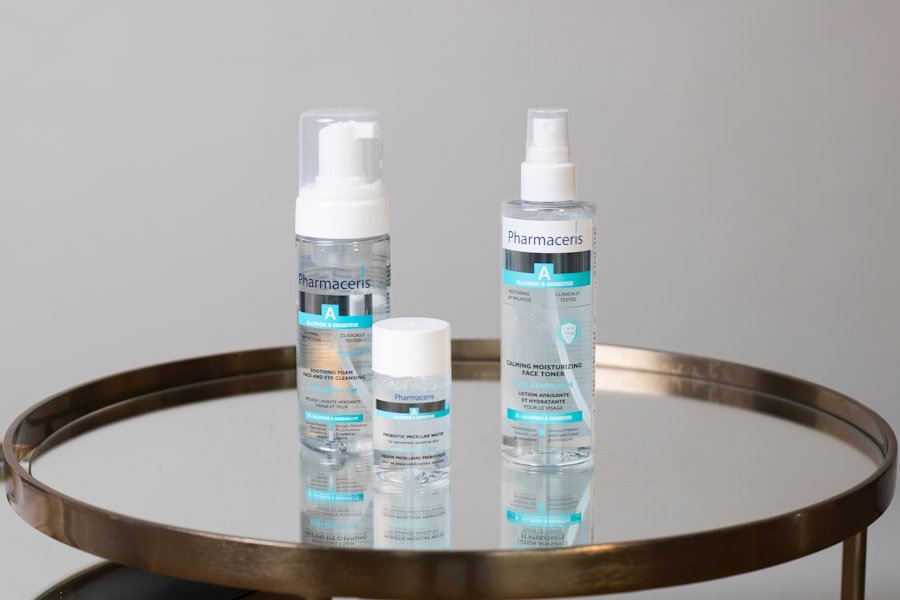
While not direct acne treatments, certain therapies and lifestyle adjustments can significantly support your dermatologist’s plan and improve your skin’s overall health. These focus on reducing inflammation, promoting healing, and maintaining a healthy skin barrier.
Medical-Grade Skincare Regimens
Your dermatologist can recommend or prescribe a consistent, medical-grade skincare routine designed to work synergistically with your prescription treatments.
- Tailored approach: This goes beyond generic advice; your dermatologist will assess your skin’s specific needs, considering your acne type, skin sensitivity, and any treatments you’re undergoing.
- Key components: A typical regimen might include a gentle cleanser, a prescription topical treatment, a non-comedogenic moisturizer, and a broad-spectrum sunscreen.
- Importance of consistency: Using the right products consistently is crucial for seeing and maintaining results. Your dermatologist will guide you on which ingredients to look for and which to avoid.
Dietary Considerations and Supplements
While the link between diet and acne is complex and highly individual, some people find certain dietary changes or supplements helpful.
- Low Glycemic Index (GI) Diet: Some studies suggest that a diet low in foods with a high glycemic index (sugary and refined carbohydrates) may help reduce acne by stabilizing blood sugar levels and reducing inflammation.
- Dairy Intake: For some individuals, dairy consumption might exacerbate acne. Your dermatologist might suggest temporarily reducing or eliminating dairy to see if it makes a difference.
- Zinc and Omega-3 Fatty Acids: These nutrients have anti-inflammatory properties and may play a role in skin health. However, always discuss supplements with your dermatologist before starting them, as they can interact with medications or have other side effects.
Stress Management Techniques
The connection between stress and acne is well-documented. High stress levels can trigger hormonal changes that exacerbate breakouts.
- Mind-body connection: Learning effective stress management techniques can have a positive impact on your skin.
- Examples of techniques: This can include mindfulness meditation, yoga, deep breathing exercises, regular physical activity, and ensuring adequate sleep.
- Holistic approach: Integrating stress reduction into your daily routine can not only help your skin but also improve your overall well-being.
5. What to Expect and When to Follow Up
“`html
| Treatment | Description | Effectiveness |
|---|---|---|
| Topical retinoids | Helps unclog pores and reduce inflammation | Effective for mild to moderate acne |
| Antibiotics | Kills bacteria and reduces inflammation | Effective for moderate to severe acne |
| Isotretinoin | Reduces oil production and prevents clogged pores | Highly effective for severe acne |
| Chemical peels | Exfoliates the skin and reduces acne lesions | Effective for mild to moderate acne |
“`
Embarking on a dermatological treatment plan for acne is a journey, not an overnight fix. Understanding the process, potential timelines, and the importance of follow-up appointments will set you up for success.
The Timeline for Results
Acne treatments don’t work instantly. Patience and consistency are key.
- Weeks 1-4: You might experience an initial worsening of acne as your skin adjusts to new treatments, particularly retinoids. This is often referred to as the “purging” phase. Some improvement in oiliness or mild breakouts might also be noted.
- Months 1-3: This is typically when you’ll start to see more significant improvements. Inflammation should be reduced, and new breakouts should become less frequent and less severe.
- Months 3-6 and beyond: For many, acne is significantly controlled during this period. Scarring and post-inflammatory hyperpigmentation may also begin to fade. For some severe cases, like those treated with isotretinoin, a single course can lead to long-term remission.
The Importance of Consistency and Adherence
Your dermatologist has prescribed a treatment plan for a reason. Sticking to it is crucial for achieving desired outcomes.
- Follow instructions precisely: Use medications at the prescribed frequency, dosage, and application method. Don’t skip doses or stop treatment prematurely because you think you’re seeing results or because you’re experiencing some side effects.
- Communicate any issues: If you’re experiencing significant side effects, discomfort, or if your acne isn’t improving as expected after a reasonable timeframe, contact your dermatologist’s office. They can adjust your treatment plan.
- Avoid altering your regimen: Resist the urge to add or try other products without consulting your dermatologist, as they could interfere with your prescribed treatment.
When to Schedule Follow-Up Appointments
Regular check-ins with your dermatologist are essential for monitoring progress, managing side effects, and making necessary adjustments to your treatment plan.
- Initial follow-up: Typically scheduled within 4-8 weeks of starting a new treatment to assess initial response and address any side effects.
- Routine follow-ups: Depending on the severity of your acne and the treatments used, follow-up appointments may be scheduled every 3-6 months.
- Special circumstances: If you experience a sudden worsening of acne, severe side effects, or if your concerns change, don’t hesitate to schedule an earlier appointment. Your dermatologist is your partner in achieving clear skin, and open communication is key.
FAQs
What are some common dermatologist treatments for acne?
Some common dermatologist treatments for acne include topical treatments (such as retinoids and benzoyl peroxide), oral medications (such as antibiotics and isotretinoin), chemical peels, and laser therapy.
How do retinoids help treat acne?
Retinoids are a type of topical treatment that help to unclog pores, reduce inflammation, and promote skin cell turnover, which can help prevent new acne breakouts and improve the overall appearance of the skin.
What is isotretinoin and how does it work to treat acne?
Isotretinoin, also known as Accutane, is an oral medication that is used to treat severe acne. It works by reducing the size of the skin’s oil glands, decreasing the amount of oil produced, and helping the skin to renew itself more quickly.
What are the benefits of chemical peels for acne treatment?
Chemical peels can help to exfoliate the skin, unclog pores, and reduce the appearance of acne scars. They can also help to improve the overall texture and tone of the skin.
How does laser therapy help to treat acne?
Laser therapy for acne works by targeting the sebaceous glands in the skin, reducing the production of oil and bacteria that can contribute to acne. It can also help to reduce inflammation and promote collagen production, which can improve the appearance of acne scars.