
Are you one of the millions of people living with diabetes mellitus? If so, you’re likely aware of the crucial role that exercise plays in managing this chronic condition. In this article, we’ll discuss the guidelines for incorporating exercise into your daily routine to better control your blood sugar levels. By understanding the benefits, precautions, and recommended types of exercise, you’ll be equipped with the knowledge to lead a healthier and more active lifestyle while effectively managing your diabetes. So, let’s jump right in and explore the world of diabetes mellitus and exercise guidelines!

I. What is Diabetes Mellitus
Diabetes Mellitus is a chronic medical condition characterized by elevated blood sugar levels. It occurs when the body either does not produce enough insulin or is unable to properly use the insulin it produces. Insulin is a hormone responsible for regulating the amount of sugar (glucose) in the blood. There are different types of diabetes mellitus, including type 1 diabetes, type 2 diabetes, and gestational diabetes.
A. Definition and Types of Diabetes Mellitus
- Type 1 Diabetes: Type 1 diabetes, also known as insulin-dependent diabetes, typically develops in childhood or adolescence. It occurs when the immune system mistakenly attacks and destroys the insulin-producing cells in the pancreas. People with type 1 diabetes require daily insulin injections or the use of an insulin pump to manage their blood sugar levels.
- Type 2 Diabetes: Type 2 diabetes is the most common form of diabetes. It usually develops in adulthood, although it is increasingly being diagnosed in children and adolescents. In type 2 diabetes, the body either does not produce enough insulin or becomes resistant to the effects of insulin. Lifestyle changes, such as adopting a healthy diet, regular exercise, and weight loss, are often recommended to manage type 2 diabetes. Medication or insulin therapy may also be necessary.
- Gestational Diabetes: Gestational diabetes occurs during pregnancy and typically resolves after childbirth. It affects women who have high blood sugar levels that were not present before pregnancy. Gestational diabetes increases the risk of complications for both the mother and baby. Blood sugar monitoring, dietary changes, and sometimes insulin therapy are needed to manage gestational diabetes.
B. Causes and Risk Factors
The exact causes of diabetes mellitus are not fully understood, but several factors can contribute to its development. For type 1 diabetes, it is believed to result from an autoimmune response, where the body’s immune system mistakenly attacks the insulin-producing cells in the pancreas. Type 2 diabetes is influenced by a combination of genetic and lifestyle factors, including obesity, sedentary lifestyle, unhealthy diet, and family history of the disease. Gestational diabetes is thought to be caused by hormonal changes during pregnancy.
Certain risk factors increase the likelihood of developing diabetes mellitus. These include being overweight or obese, having a family history of diabetes, being physically inactive, having high blood pressure or high cholesterol levels, and belonging to certain ethnic groups, such as African Americans, Hispanics, and Native Americans.
C. Symptoms and Complications
The symptoms of diabetes mellitus may include frequent urination, excessive thirst, unexplained weight loss, increased hunger, fatigue, blurred vision, slow-healing wounds, and recurring infections. However, some people with type 2 diabetes may experience no symptoms or have milder symptoms that go unnoticed.
Unmanaged diabetes can lead to various complications. It can damage blood vessels and nerves, increasing the risk of heart disease, stroke, and peripheral artery disease. Diabetes also affects the eyes, kidneys, and feet, potentially leading to vision problems, kidney disease, and foot complications. Long-term uncontrolled diabetes can result in complications such as diabetic neuropathy (nerve damage), diabetic retinopathy (damage to the blood vessels in the eyes), and diabetic ketoacidosis (a potentially life-threatening condition).
II. Understanding Exercise and Diabetes
Regular exercise is highly beneficial for people with diabetes. Along with a healthy diet and medication management, exercise plays a significant role in diabetes management. Regular physical activity can help improve insulin sensitivity, lower blood sugar levels, control weight, reduce the risk of heart disease, and enhance overall well-being.
A. Benefits of Exercise for People with Diabetes
Exercise offers several benefits for individuals with diabetes. Firstly, it helps improve insulin sensitivity, allowing the body to use insulin more effectively to lower blood sugar levels. This can result in better glycemic control and reduced reliance on diabetes medications. Additionally, exercise promotes weight loss and weight management, which is crucial for people with type 2 diabetes. Regular physical activity can also lower blood pressure, improve heart health, boost mood, reduce stress levels, and improve sleep quality.
B. Considerations for Exercise with Diabetes
While exercise is generally beneficial for people with diabetes, certain considerations need to be taken into account. Individuals with diabetes should monitor their blood sugar levels before, during, and after exercise. They should also be aware of the signs and symptoms of hypoglycemia (low blood sugar) and hyperglycemia (high blood sugar) and take appropriate action if these occur. It is essential to begin any exercise program gradually and consult with a healthcare professional before starting a new exercise regimen.
C. Types of Exercise Recommended for Diabetes Management
Various types of exercise can be beneficial for individuals with diabetes. Aerobic exercises, such as walking, jogging, swimming, cycling, and dancing, help improve heart health, burn calories, and lower blood sugar levels. Strength training exercises, including weightlifting and resistance training, help build muscle mass, increase metabolism, and improve insulin sensitivity. Flexibility exercises, such as stretching and yoga, improve joint mobility and flexibility. Balance and coordination exercises, such as tai chi, can help reduce the risk of falls. Engaging in sports and recreational activities, such as tennis, basketball, hiking, or dancing, can provide both physical activity and enjoyment.

III. Diabetes Mellitus and Exercise Guidelines
To ensure safe and effective exercise for individuals with diabetes, certain guidelines should be followed. These guidelines help manage blood sugar levels, prevent hypoglycemia or hyperglycemia, and promote overall well-being.
A. General Guidelines
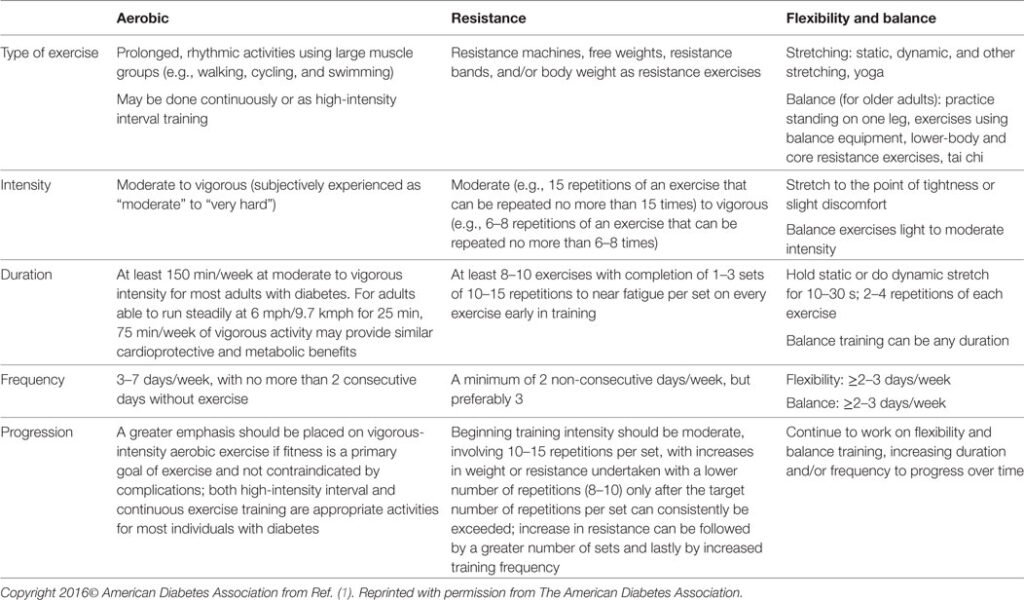
It is important to consult with a healthcare professional before starting any exercise program, especially for individuals with diabetes or other chronic medical conditions. Checking blood sugar levels before, during, and after exercise is crucial, as it helps guide insulin and medication adjustments, carbohydrate intake, and overall management of diabetes. Individuals with diabetes should choose activities they enjoy and can realistically incorporate into their daily routine, aiming for at least 150 minutes of moderate-intensity aerobic activity per week.
B. Pre-Exercise Assessment
Before starting an exercise program, individuals with diabetes should undergo a pre-exercise assessment. This assessment evaluates their overall health, cardiovascular fitness, and any potential exercise-related risks. It helps determine the appropriate exercise intensity, duration, and frequency, taking into account any existing medical conditions, medications, or complications associated with diabetes.
C. Blood Glucose Monitoring
Regular blood glucose monitoring is essential for individuals with diabetes, especially before, during, and after exercise. It provides insights into how exercise affects blood sugar levels and helps prevent hypoglycemia or hyperglycemia. Monitoring blood glucose levels allows for necessary adjustments in insulin or medication dosages, carbohydrate intake, or duration and intensity of exercise.
D. Insulin and Medication Adjustments
Exercise can affect blood sugar levels, particularly when insulin or diabetes medications are in use. Depending on the type and intensity of exercise, individuals may need to adjust their insulin doses or medication timings to prevent low blood sugar (hypoglycemia) during or after exercise. It is important to follow the guidance of a healthcare professional regarding insulin and medication adjustments and to monitor blood glucose levels regularly to ensure optimal management of diabetes.
E. Carbohydrate Intake
Carbohydrates are the main source of energy for the body, and their intake should be considered when engaging in physical activity. Before exercise, it may be beneficial to consume carbohydrates to prevent low blood sugar levels. Additionally, individuals with diabetes should be mindful of their overall carbohydrate intake and choose carbohydrates with a lower glycemic index, as these are absorbed more slowly and result in more gradual blood sugar spikes.
F. Hydration
Proper hydration is crucial during exercise, regardless of whether an individual has diabetes or not. Water is the best option for hydration, but sugar-free beverages or sports drinks can be consumed if necessary. Individuals with diabetes should monitor their blood sugar levels regularly during exercise and adjust their carbohydrate or fluid intake accordingly.
G. Exercise Duration and Frequency
For optimal diabetes management, it is recommended to engage in moderate-intensity aerobic activity for at least 150 minutes per week. This can be achieved through various combinations of exercise sessions spread throughout the week. It is important to listen to your body and gradually increase the intensity and duration of exercise over time.
H. Exercise Intensity
The intensity of exercise is an important factor to consider, as it affects blood sugar levels and overall cardiovascular fitness. Moderate-intensity aerobic activities, such as brisk walking or cycling, should be the primary focus. However, individuals with diabetes should also incorporate some higher-intensity exercises, such as interval training or resistance training, under the guidance of a healthcare professional.
I. Warm-up and Cool-down
Every exercise session should begin with a warm-up and end with a cool-down period. Warm-up exercises help prepare the body for physical activity by gradually increasing the heart rate and blood flow to the muscles. A cool-down allows for a gradual decrease in heart rate and helps prevent dizziness or lightheadedness. Stretching exercises during the cool-down period can improve flexibility and prevent muscle stiffness or injury.
J. Safety Precautions
Individuals with diabetes should take certain safety precautions when engaging in exercise. These include wearing comfortable and appropriate footwear, checking blood sugar levels before and after exercise, carrying a source of fast-acting carbohydrates (such as glucose tablets or a snack), and notifying exercise partners or instructors about their diabetes condition. It is also advisable to have a diabetes emergency plan in case of severe hypoglycemia or other diabetes-related emergencies.
IV. Tips for Exercising with Diabetes
To make the most of exercise while managing diabetes effectively, the following tips can be helpful:
A. Creating an Exercise Plan
Develop a structured exercise plan that includes realistic goals, varied activities, and a suitable schedule. This will help ensure consistency and continued motivation to stay physically active.
B. Working with Healthcare Professionals
Consult with healthcare professionals, such as doctors, diabetes educators, or exercise physiologists who specialize in diabetes management. They can provide guidance, tailor exercise recommendations to individual needs, and monitor progress.
C. Monitoring Blood Sugar
Regularly monitor blood sugar levels before, during, and after exercise to better understand how physical activity affects glycemic control. This will help make informed decisions regarding insulin or medication adjustments, as well as carbohydrate intake.
D. Proper Hydration
Stay properly hydrated before, during, and after exercise. Listen to the body’s thirst signals and drink water or other sugar-free fluids to replenish fluids lost through sweat.
E. Choosing the Right Exercise
Select activities that are enjoyable and suit individual preferences. This increases the likelihood of maintaining a consistent exercise routine. Furthermore, engage in a mix of aerobic exercises, strength training, flexibility exercises, and balance activities to reap the benefits of a well-rounded fitness program.
F. Safety Measures
Ensure safety during exercise by informing exercise partners, instructors, or coaches about diabetes. Wear a medical ID bracelet or carry identification that notes the diabetes condition. Be prepared for any emergencies with necessary supplies.
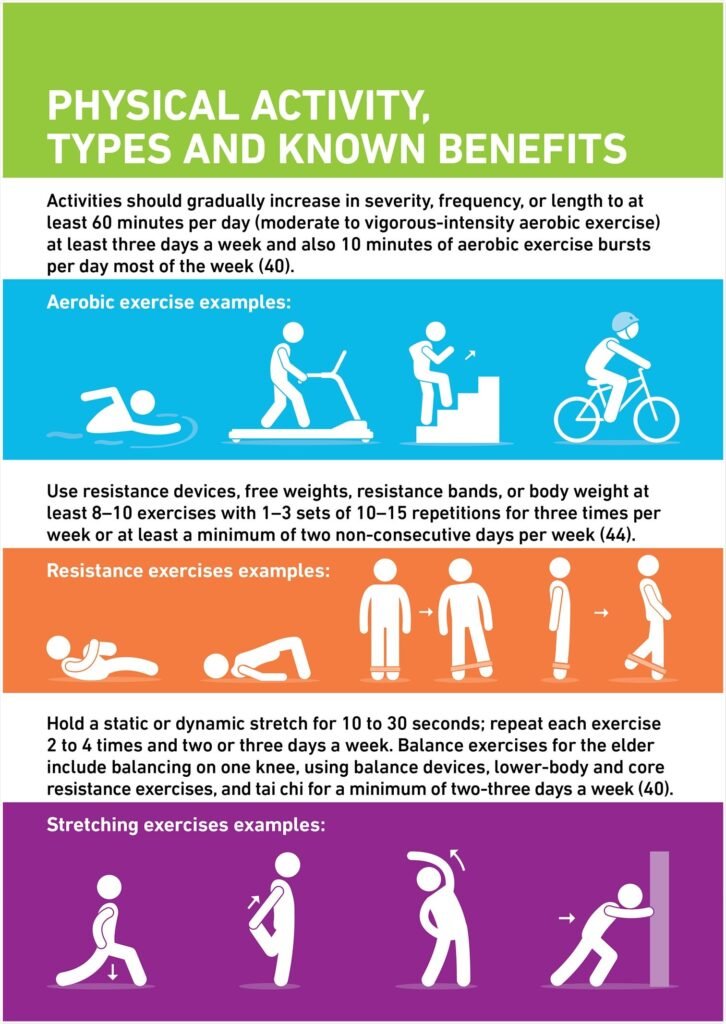
V. Examples of Exercise Routines for Diabetes
To give an idea of the types of exercises suitable for people with diabetes, here are some examples:
A. Aerobic Exercise
- Brisk walking or jogging
- Cycling or stationary biking
- Swimming or water aerobics
- Dancing (such as Zumba or salsa)
- Jumping rope
B. Strength Training
- Weightlifting
- Resistance band exercises
- Bodyweight exercises (push-ups, squats, lunges)
- Pilates or yoga with resistance
C. Flexibility Exercises
- Stretching exercises (neck, shoulders, arms, back, legs)
- Yoga or Pilates routines focusing on flexibility and mobility
- Tai chi
D. Balance and Coordination Exercises
- Tai chi
- Standing on one leg
- Yoga poses that challenge balance
- Specific exercises such as heel-to-toe walking or standing with eyes closed
E. Sports and Recreational Activities
- Tennis or badminton
- Basketball or soccer
- Hiking or walking on uneven terrain
- Dancing (such as ballroom or hip-hop)
VI. Precautions and Potential Risks
While exercise offers numerous benefits for individuals with diabetes, certain precautions should be taken to minimize potential risks.
A. Hypoglycemia
Hypoglycemia, or low blood sugar, is a common concern during and after exercise. Symptoms may include dizziness, weakness, confusion, sweating, and shakiness. To prevent hypoglycemia, it is important to monitor blood sugar levels before, during, and after exercise, consume carbohydrates if necessary, and adjust insulin or medication doses under the guidance of a healthcare professional.
B. Hyperglycemia
Hyperglycemia, or high blood sugar, can occur during or after exercise in certain situations. It is crucial to monitor blood glucose levels and adjust insulin or medication doses accordingly. Engaging in physical activity when blood sugar is excessively high should be avoided to prevent the risk of ketoacidosis.
C. Foot Complications
Individuals with diabetes are at higher risk of foot complications, such as nerve damage and poor circulation. Proper foot care is essential, including wearing comfortable, well-fitting shoes, checking feet for any abnormalities or injuries, and seeking immediate medical attention for any foot-related issues.
D. Other Diabetes-related Complications
Exercise can affect various diabetes-related complications, such as cardiovascular problems, diabetic retinopathy, or kidney disease. It is important to work closely with healthcare professionals to manage these complications and adjust exercise recommendations accordingly.
VII. Conclusion
Regular exercise is a valuable tool in the management of diabetes mellitus. It offers numerous physical and mental health benefits, improves insulin sensitivity, helps control blood sugar levels, and reduces the risk of complications. By following exercise guidelines, working with healthcare professionals, monitoring blood sugar levels, and taking necessary precautions, individuals with diabetes can safely and effectively incorporate exercise into their daily routine, leading to improved overall health and well-being.