
Diabetes Mellitus: Exploring Alternative Therapies
Managing diabetes can be a daunting task, with an abundance of information often causing confusion. While traditional medicine has made significant strides in treating Diabetes Mellitus, many individuals seek alternative therapies to complement their treatment. In this article, let’s embark on a friendly exploration of alternative therapies for diabetes management. You might find insights that can enhance your journey toward better health and well-being.
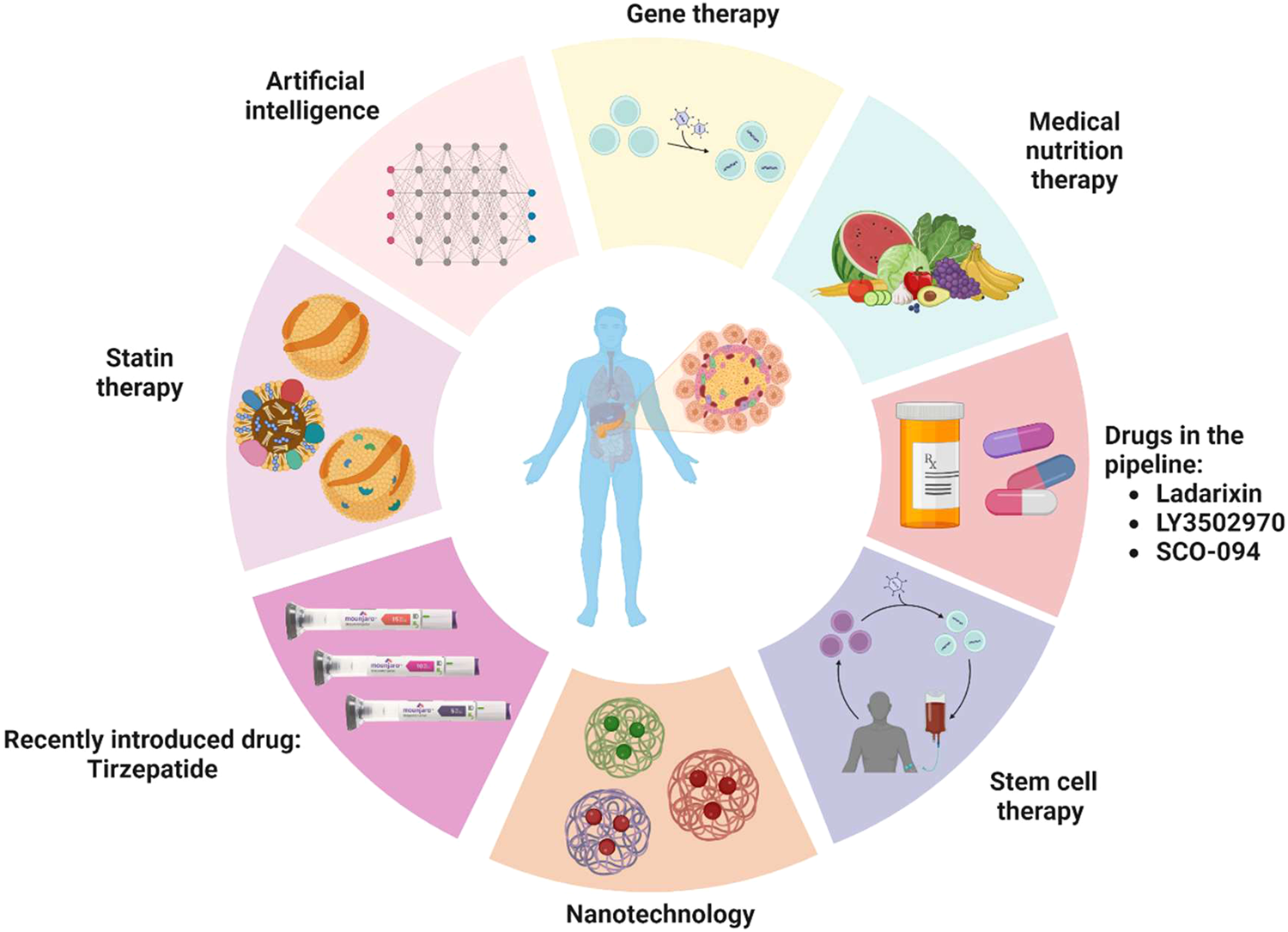
Understanding Diabetes Mellitus
Before diving deep into alternative therapies, it’s essential to have a clear understanding of what Diabetes Mellitus encompasses. Diabetes is a chronic condition defined by high levels of glucose (sugar) in your blood. It occurs when your body can’t produce enough insulin or cannot effectively use the insulin it does produce. Knowing the type of diabetes you have—Type 1, Type 2, or gestational—is crucial, as it shapes the treatment pathway that works best for you.
When you or someone you love has diabetes, managing blood sugar levels becomes a priority. Insulin therapy, dietary changes, and regular physical activity play critical roles in keeping blood sugar within a healthy range. However, many people are discovering the benefits of alternative therapies that can offer refreshingly new approaches to managing their condition.
The Rise of Alternative Therapies
The landscape of diabetes management is continually evolving. Over the past few decades, alternative therapies have gained significant popularity, often stemming from a holistic understanding of health and well-being. These therapies emphasize not just the disease itself, but the person as a whole, addressing the emotional, mental, and spiritual aspects of health alongside physical symptoms.
You may wonder about the validity of these alternative methods. While scientific rigor varies among practices, numerous studies indicate that some alternative therapies can support traditional treatments. Exploring various options allows you to discover what resonates with you and your body’s unique needs.
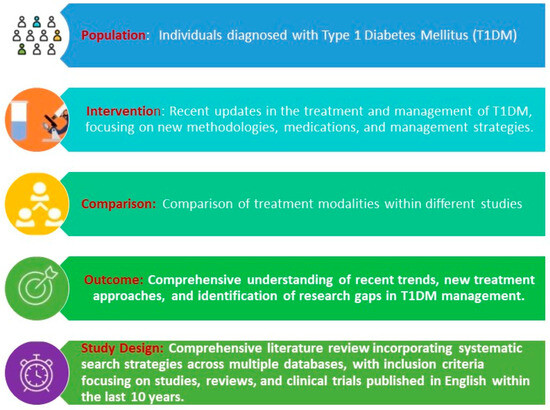
Diet and Nutrition: A Cornerstone of Alternative Therapy
Your diet plays a pivotal role in managing Diabetes Mellitus. While it’s essential to work with healthcare professionals to establish a controlled eating plan, many alternative approaches offer additional insights into healthier eating habits.
Mindful Eating
Mindful eating encourages you to pay attention to the food you consume and how it makes you feel. By slowing down and savoring each bite, you can enhance your connection to your body’s needs, helping you recognize hunger and satiety cues. This practice can be incredibly beneficial for those with diabetes, as it promotes more thoughtful food choices and fosters a positive relationship with food.
Plant-Based Diets
Many have turned to plant-based diets as a way to improve their health, including those with diabetes. Research suggests that a diet rich in whole foods, vegetables, fruits, legumes, and whole grains can lead to significant improvements in blood sugar levels and overall health. This shift not only offers a wide array of nutrients but can also reduce the risk of developing complications associated with diabetes.
Low Glycemic Index Foods
In exploring your dietary options, consider incorporating low glycemic index (GI) foods into your meals. Low GI foods release glucose slowly into the bloodstream, promoting more stable blood sugar levels. Foods such as sweet potatoes, whole grains, fruits, and legumes are excellent choices that benefit your health without causing rapid spikes in your blood sugar.
Herbal Remedies: Nature’s Wisdom
Herbs and plants have long been used in traditional medicine systems around the world. Many people with diabetes are turning to herbal remedies for their potential benefits, often discovering a natural approach to balance their blood sugar.
Cinnamon
Cinnamon is one of the most researched herbs for diabetes management. Some studies suggest it can improve insulin sensitivity and lower blood sugar levels. Adding cinnamon to your diet could be as simple as sprinkling it on your breakfast or incorporating it into your favorite recipes. It’s an easy and flavorful way to explore nature’s remedies.
Berberine
Berberine is a compound found in several plants, known for its potential to lower blood sugar and improve metabolic health. With many people incorporating berberine supplements into their routine, it’s essential to consult with a healthcare provider to determine whether it’s appropriate for your situation.
Aloe Vera
Aloe vera is another herb gaining popularity among those with diabetes. Some research indicates it may help improve fasting blood sugar levels, although more studies are needed to establish its overall effectiveness. You might enjoy incorporating it into your routine as a supplement or in smoothies.
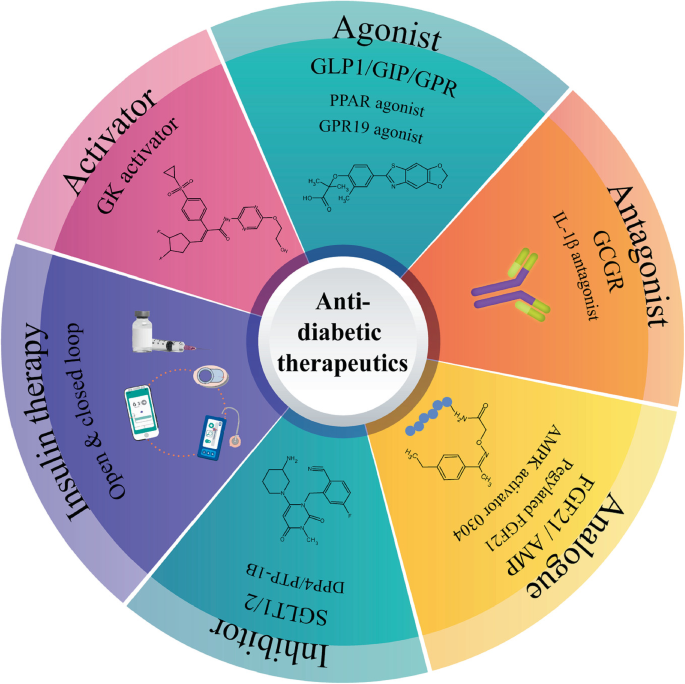
Physical Activity: Movement as Medicine
The role of physical activity in managing diabetes cannot be overstated. While traditional exercise regimens are vital, alternative approaches to movement can be equally enriching.
Yoga
Yoga is a fantastic way to blend physical activity with mindfulness. Practicing yoga may help improve your body’s sensitivity to insulin, enhance flexibility, and reduce stress levels. Known for its calming benefits, yoga can also promote mental and emotional well-being—important factors for anyone managing diabetes.
Tai Chi
Tai Chi is a gentle martial art that combines slow movements with mindfulness techniques. Engaging in regular Tai Chi practice can improve balance, aid in relaxation, and enhance your overall sense of well-being. Many people find that it lowers stress, which is critical for maintaining stable blood sugar levels.
Dance
Dance is another enjoyable form of physical activity that can help regulate blood sugar levels. Whether it’s a dance class, an online tutorial, or simply dancing around your home, moving your body can bring joy and improve your health simultaneously.
Mind-Body Practices: Finding Balance
Mind-body practices offer unique ways to manage the emotional and mental aspects of living with diabetes.
Meditation
Taking time to meditate could be one of the most tranquil and beneficial practices in your quest for wellness. Research indicates that mindfulness meditation can significantly reduce stress, improve emotional regulation, and enhance the quality of life for individuals with diabetes. Setting aside a few moments each day to practice mindfulness can yield impressive benefits and help you navigate the challenges that diabetes can present.
Stress Management
Effective stress management techniques can help you stay grounded and focused amidst the ups and downs of diabetes management. Whether you prefer breathing exercises, journaling, deep relaxation techniques, or engaging in a relaxing hobby, finding strategies that resonate with you can make a world of difference to your emotional state.

Acupuncture: Pinpointing Balance
Acupuncture is an ancient Chinese medicine approach that has gained recognition worldwide. Though the science behind it is still being explored, many individuals report improvements in their health after sessions.
How Acupuncture May Help
Acupuncture involves inserting thin needles into specific points on the body to promote healing and balance. Some studies suggest that acupuncture may help improve insulin sensitivity and regulate blood sugar levels. If you’re curious about this alternative therapy, consider finding a licensed acupuncturist and discussing how it might complement your existing routine.
Essential Oils: Aromatic Support
Aromatherapy through essential oils is another avenue many find helpful in managing diabetes. Certain oils possess properties that may assist in reducing stress, enhancing mood, and supporting your overall well-being.
Lavender
Lavender essential oil is renowned for its calming effects, helping to reduce stress and promote relaxation. Incorporating lavender into your life, whether through diffusion, topical application, or baths, can greatly enhance your emotional health, which is critical for effective diabetes management.
Cinnamon Essential Oil
Similar to its culinary counterpart, cinnamon essential oil may have benefits for blood sugar control. You can use it in a diffuser or diluted in a carrier oil for topical application, allowing you to harness its potential therapeutic properties in your daily routine.
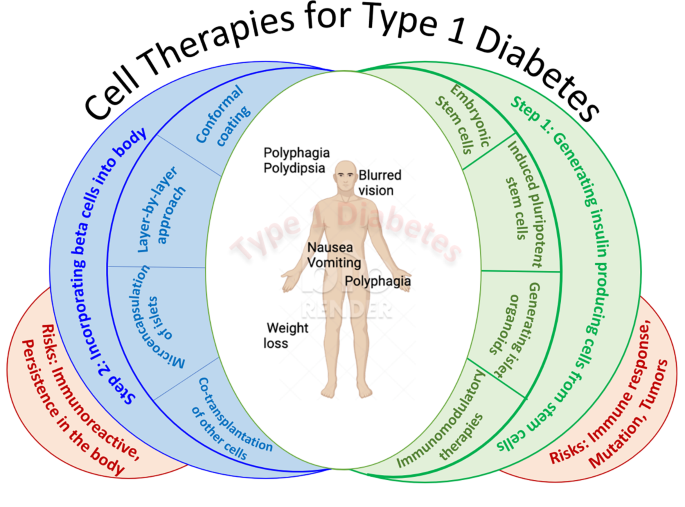
Integrative Approaches: A Holistic View
Taking an integrative approach means combining conventional medicine with alternative therapies, creating a personalized treatment plan that suits your needs. If you are considering adding any alternative therapies to your routine, it’s essential to communicate with healthcare professionals about your plans and seek their guidance on safe practices.
Nutrition and Lifestyle Coaching
Working with a nutritionist who understands alternative therapies can help tailor a plan that suits your lifestyle and health goals. With their expertise, you can identify beneficial foods, supplements, and practices that align with your healing journey.
Support Groups
Finding a diabetes support group can provide invaluable emotional support and practical advice. Sharing your experiences with others who understand your journey can make a massive difference, offering both empowerment and the sense of community we all need.
Potential Risks and Precautions
While alternative therapies can be beneficial, it’s essential to approach them with caution. Not all practices are suitable for everyone, and some might interact with your prescribed medications. Always consult your healthcare provider before starting any new therapy, particularly if it involves supplements or alternative medicines.
Personalization is Key
Each individual’s experience with diabetes is unique. What works well for one person may not be effective for another. By personalizing your approach and closely monitoring your blood sugar levels, you can find the combination of therapies that best suits your needs and lifestyle.
Stay Informed
Research alternative therapies, attend workshops, or benefit from webinars to keep your knowledge up to date. Being informed will empower you to make sound decisions regarding your health and well-being.
Conclusion: Embracing Multiple Pathways
Exploring alternative therapies for Diabetes Mellitus can be both enriching and enlightening. By integrating various practices into your routine—whether it be dietary changes, physical activities, mind-body practices, or herbal remedies—you can create a more holistic approach to managing your health.
Embark on this journey with an open mind and heart, embracing what resonates with you and aligning it with your traditional treatments. Remember that you are not alone; many others share similar experiences and desires for better health.
If you found this article informative and helpful, I encourage you to clap for it, leave a comment with your thoughts, and subscribe to my Medium newsletter for future updates. Your engagement makes a difference and inspires continued exploration of these vital health topics. Let’s keep the conversation going and navigate our health journeys together!