
Living with Diabetes Mellitus can be challenging, especially for children who are still trying to comprehend the complexities of their own bodies. This article explores the impact of Diabetes Mellitus in children, shedding light on the potential difficulties they may face and offering insight into the unique management strategies that can help them navigate their condition with confidence and optimism. Whether you are a parent seeking guidance or simply curious about the topic, this article aims to provide valuable information and support for anyone touched by Diabetes Mellitus in children.
Overview of Diabetes Mellitus in Children
Diabetes mellitus is a chronic condition characterized by high blood sugar levels. It occurs when the body is unable to produce enough insulin or use it effectively. Insulin is a hormone that helps regulate blood sugar levels and allows the body to use glucose for energy. In children, diabetes mellitus can have significant long-term health consequences. It is important to understand the definition, prevalence, and risk factors of this condition to ensure proper management and prevention.
Definition of Diabetes Mellitus
Diabetes mellitus is a metabolic disorder that occurs when the body’s pancreas doesn’t produce enough insulin or the body is unable to use it effectively. Insulin is crucial for regulating blood sugar levels, so when there is a deficiency or resistance to insulin, blood sugar levels rise, leading to hyperglycemia. There are several types of diabetes mellitus, but the most common in children are type 1 and type 2 diabetes.

Prevalence of Diabetes Mellitus in Children
The prevalence of diabetes mellitus in children has been increasing globally over the past few decades. Type 1 diabetes is the most common form of diabetes in children, accounting for about 95% of cases. It usually develops in childhood or adolescence, although it can occur at any age. On the other hand, type 2 diabetes, which is associated with obesity and sedentary lifestyle, has also been rising among children and adolescents, primarily due to the increasing rates of childhood obesity.
Risk Factors for Developing Diabetes Mellitus in Children
While the exact cause of diabetes mellitus is not fully understood, there are certain risk factors that increase a child’s likelihood of developing the condition. For type 1 diabetes, family history plays a significant role, as children with a parent or sibling with type 1 diabetes are at a higher risk. Additionally, certain genetic markers and exposure to certain viral infections may also contribute to the development of type 1 diabetes.
For type 2 diabetes, risk factors include obesity, sedentary lifestyle, poor dietary habits, and a family history of type 2 diabetes. Children from ethnic groups such as African American, Hispanic, Native American, and Asian American are also more prone to developing type 2 diabetes.

Types of Diabetes Mellitus in Children
Type 1 Diabetes Mellitus
Type 1 diabetes mellitus, previously known as juvenile diabetes, is an autoimmune disease that occurs when the body’s immune system mistakenly attacks and destroys the insulin-producing cells in the pancreas. Without sufficient insulin, glucose cannot enter the cells, resulting in high blood sugar levels. Type 1 diabetes usually begins in childhood or adolescence and requires lifelong insulin therapy.
Type 2 Diabetes Mellitus
Type 2 diabetes mellitus, often associated with lifestyle factors, is characterized by insulin resistance. This means that the body’s cells become resistant to the effects of insulin, resulting in elevated blood sugar levels. Type 2 diabetes was considered rare in children, but the increasing rates of childhood obesity have led to a rise in its prevalence among this population. Type 2 diabetes can often be managed through lifestyle modifications such as diet and exercise, although some children may require oral medications or insulin therapy.
Other Less Common Types of Diabetes Mellitus in Children
Apart from type 1 and type 2 diabetes, there are other less common types of diabetes mellitus that can affect children. These include monogenic diabetes, cystic fibrosis-related diabetes, and neonatal diabetes. These forms of diabetes have distinct causes and require specialized management approaches.
Causes and Pathophysiology
Autoimmune Destruction of Beta Cells
In type 1 diabetes, the immune system mistakenly identifies the beta cells in the pancreas as foreign and attacks them. The exact trigger for this autoimmune response is not fully understood, but it is believed to involve a combination of genetic and environmental factors. This autoimmune destruction of beta cells leads to an absolute insulin deficiency, requiring daily insulin injections or the use of insulin pumps.
Insulin Resistance and Obesity
In type 2 diabetes, the body becomes resistant to the effects of insulin. This resistance is influenced by genetic factors, sedentary lifestyle, and excess body weight, particularly abdominal obesity. The excess fat tissue releases certain hormones and cytokines that disrupt normal insulin signaling, leading to insulin resistance. As a result, the pancreas produces more and more insulin to compensate, eventually leading to beta cell exhaustion and an inadequate insulin supply.
Genetic Factors and Family History
Both type 1 and type 2 diabetes have a genetic component. Having a family member with diabetes, especially a parent or sibling, increases the risk of developing the condition. Various genes and genetic variations have been implicated in the development of diabetes, but their exact roles are still being studied.

Signs and Symptoms
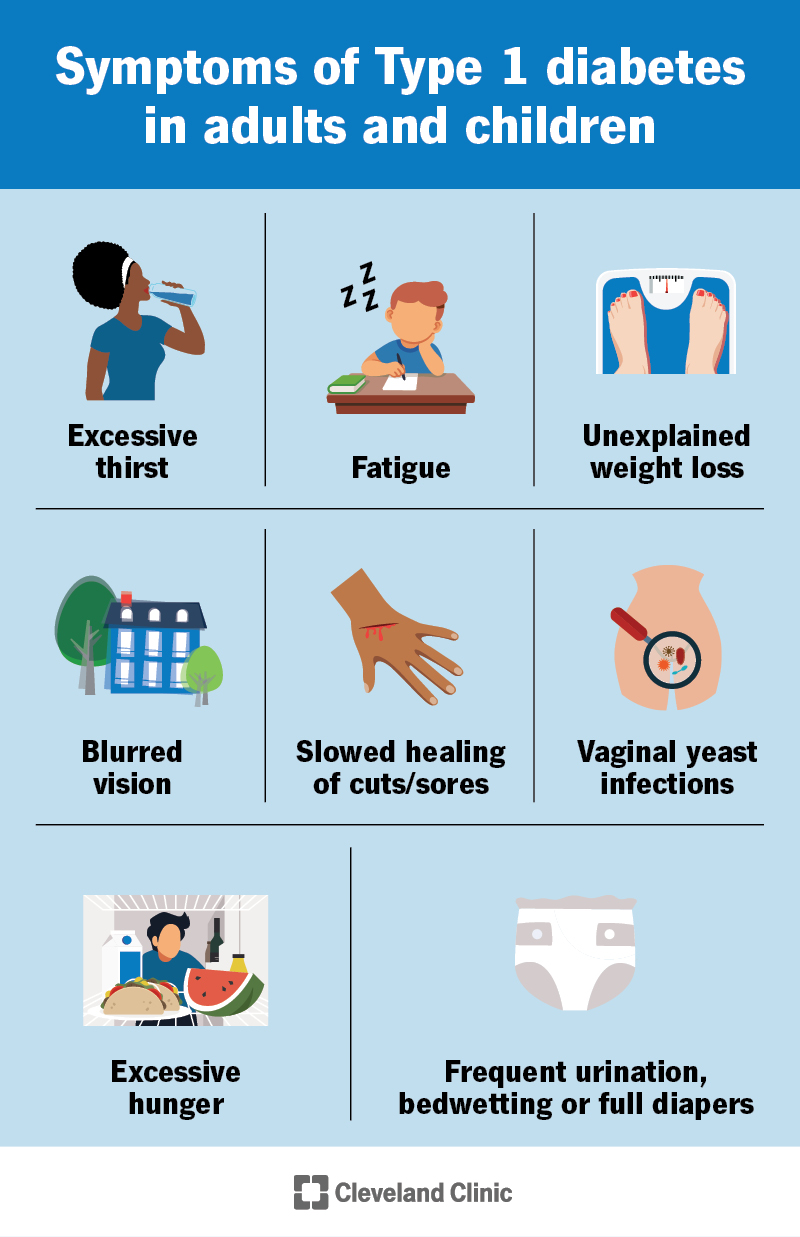
Recognizing the signs and symptoms of diabetes mellitus in children is essential for early detection and proper management. Some common symptoms to watch out for include:
Persistent Thirst and Frequent Urination
Children with diabetes may experience excessive thirst (polydipsia) and frequent urination (polyuria) as a result of high blood sugar levels. The body tries to eliminate excess glucose through the urine, causing increased urine production and an increased feeling of thirst.
Unexplained Weight Loss
Unexplained weight loss can occur in children with diabetes, particularly in those with type 1 diabetes. Without insulin, the body cannot utilize glucose properly for energy, so it starts breaking down fat and muscle tissue for fuel, resulting in weight loss.
Fatigue and Weakness
Children with diabetes may feel excessively tired and weak due to the body’s inability to utilize glucose efficiently. Insufficient glucose in the cells leads to a lack of energy, resulting in fatigue and weakness.
Blurred Vision
High blood sugar levels can cause changes in the shape of the lens in the eyes, leading to blurred vision. This symptom is usually temporary and resolves once blood sugar levels are properly controlled.
Slow-Healing Sores or Infections
Diabetes can impair the body’s ability to heal wounds and fight infections. Children with diabetes may experience slow-healing sores or infections, such as urinary tract infections or skin infections.
Diagnosis
Diagnosing diabetes mellitus in children involves a combination of blood tests and urine tests. These tests help determine the child’s blood sugar levels and assess their overall glucose metabolism.
Fasting Plasma Glucose Test
The fasting plasma glucose test involves measuring blood sugar levels after an overnight fast. A blood sample is taken, and if the child’s blood sugar level is above a certain threshold (usually 126 mg/dL or higher), it may indicate diabetes.
Oral Glucose Tolerance Test
The oral glucose tolerance test is performed by measuring blood sugar levels before and after consuming a glucose-rich drink. This test helps evaluate how the body processes glucose and can determine if a child has impaired glucose tolerance or diabetes.
Glycated Hemoglobin (A1C) Test
The A1C test provides an estimate of a child’s average blood sugar levels over the past two to three months. It measures the percentage of glycated hemoglobin in the blood, which reflects the long-term control of blood sugar levels.
Urine Tests for Glucose and Ketones
Urine tests can detect the presence of glucose and ketones in the urine, which can be signs of poorly controlled diabetes. Ketones are produced when the body resorts to breaking down fat for energy due to inadequate insulin.

Complications of Diabetes Mellitus in Children
Both short-term and long-term complications can arise from uncontrolled diabetes mellitus in children. Prompt and effective management is crucial in preventing these complications.
Short-term Complications
Short-term complications of diabetes mellitus in children include hypoglycemia (low blood sugar) and diabetic ketoacidosis (DKA). Hypoglycemia can occur if too much insulin is administered or if a child misses a meal. DKA, on the other hand, is a life-threatening condition that can occur when blood sugar levels are severely elevated, leading to a buildup of toxic ketones in the blood.
Long-term Complications
Long-term complications of diabetes in children may include cardiovascular disease, kidney disease, eye damage (retinopathy), nerve damage (neuropathy), and other problems related to impaired blood vessel function. These complications often arise from chronically elevated blood sugar levels and the resulting damage to blood vessels. However, with early diagnosis and proper management, the risk of long-term complications can be significantly reduced.
Management of Diabetes Mellitus in Children
Proper management of diabetes mellitus in children is essential to achieve and maintain good blood sugar control and prevent complications.
Blood Glucose Monitoring
Regular monitoring of blood sugar levels is crucial for managing diabetes in children. This involves checking blood sugar levels multiple times a day using a glucometer. By tracking blood sugar patterns, adjustments to insulin doses, diet, and physical activity can be made.
Insulin Therapy
Children with type 1 diabetes require insulin injections or the use of insulin pumps to replace the insulin their body is unable to produce. The type of insulin, dosage, and administration method will be determined by the child’s healthcare team based on their individual needs.
Nutritional Counseling
Proper nutrition plays a significant role in managing diabetes in children. A registered dietitian can provide guidance on carbohydrate counting, meal planning, and making healthy food choices. The goal is to ensure a balanced diet that meets the child’s nutritional needs while managing blood sugar levels.
Physical Activity Recommendations
Regular physical activity is important for children with diabetes. Exercise helps improve insulin sensitivity, promotes weight management, and overall cardiovascular health. The child’s healthcare team can provide recommendations on safe and appropriate physical activities based on their age, fitness level, and diabetes management.
Psychosocial Impact of Diabetes Mellitus in Children
Living with diabetes mellitus can have a significant psychosocial impact on children and their families. It is important to address the emotional and behavioral challenges that may arise.
Emotional and Behavioral Challenges
Managing diabetes requires constant monitoring and adherence to a strict treatment regimen, which can sometimes lead to emotional distress for children. They may experience feelings of frustration, anxiety, or depression related to the daily demands of diabetes management. It is essential for caregivers and healthcare providers to offer support and resources to help children cope with these challenges.
Impact on Family Dynamics
The diagnosis of diabetes in a child can affect the entire family. Parents may experience feelings of guilt or worry and may need to make significant lifestyle adjustments to support their child’s diabetes management. Siblings may also feel a range of emotions as they adapt to the changes within the family. Open communication, education, and involvement of the entire family are crucial in navigating the impact of diabetes on family dynamics.
Support Groups and Counseling Services
Support groups and counseling services can provide valuable emotional support and practical tips for managing diabetes. Connecting with other families going through similar experiences can help children and their parents feel less alone and provide a platform for sharing knowledge and coping strategies.
Prevention Strategies
Preventing diabetes mellitus in children is important, particularly for type 2 diabetes, which is largely influenced by lifestyle factors.
Type 1 Diabetes Mellitus Prevention
Currently, there is no known way to prevent type 1 diabetes. However, ongoing research aims to better understand the causes and develop strategies for prevention and early intervention.
Type 2 Diabetes Mellitus Prevention
Preventing type 2 diabetes in children involves promoting a healthy lifestyle. Encouraging regular physical activity, limiting screen time, and promoting a balanced diet rich in fruits, vegetables, whole grains, and lean proteins can help reduce the risk of developing the disease. Additionally, early identification and management of overweight or obesity in children is crucial in preventing the onset of type 2 diabetes.
Conclusion
Diabetes mellitus in children is a complex condition that requires ongoing management and support. Understanding the different types of diabetes, their causes, and potential complications is essential for parents, caregivers, and healthcare providers. With early diagnosis, proper medical care, and lifestyle modifications, children with diabetes can lead full and healthy lives while minimizing the risk of long-term complications. By implementing preventive strategies and providing comprehensive support, we can work towards reducing the burden of diabetes mellitus in children and improving their overall well-being.