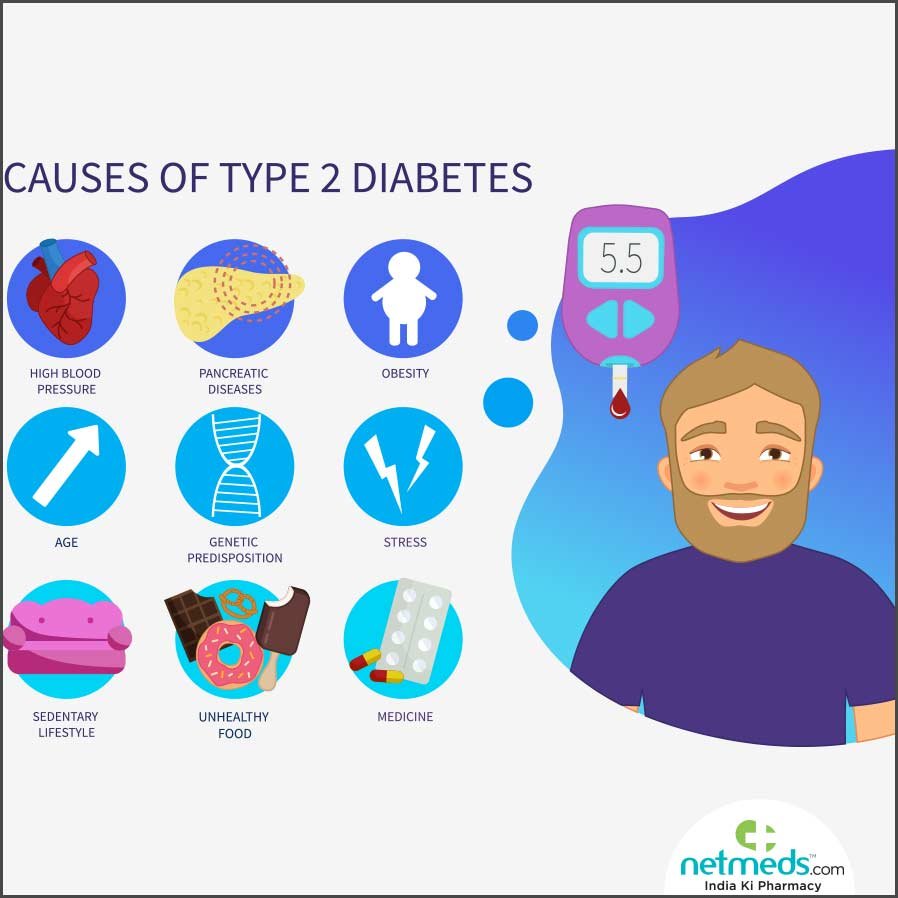
In this article, you will explore the world of Diabetes Mellitus, learning about its symptoms and how it is diagnosed. Diabetes Mellitus is a chronic condition that affects millions of people worldwide, causing high blood sugar levels due to the body’s inability to produce or use insulin effectively. From frequent urination and excessive thirst to unexplained weight loss and fatigue, this article will shed light on the various symptoms associated with Diabetes Mellitus. Furthermore, you will also gain insights into the diagnostic methods used by healthcare professionals to determine if someone has this condition. So, come on this informative journey and equip yourself with knowledge about Diabetes Mellitus symptoms and diagnosis.
Diabetes Mellitus Symptoms
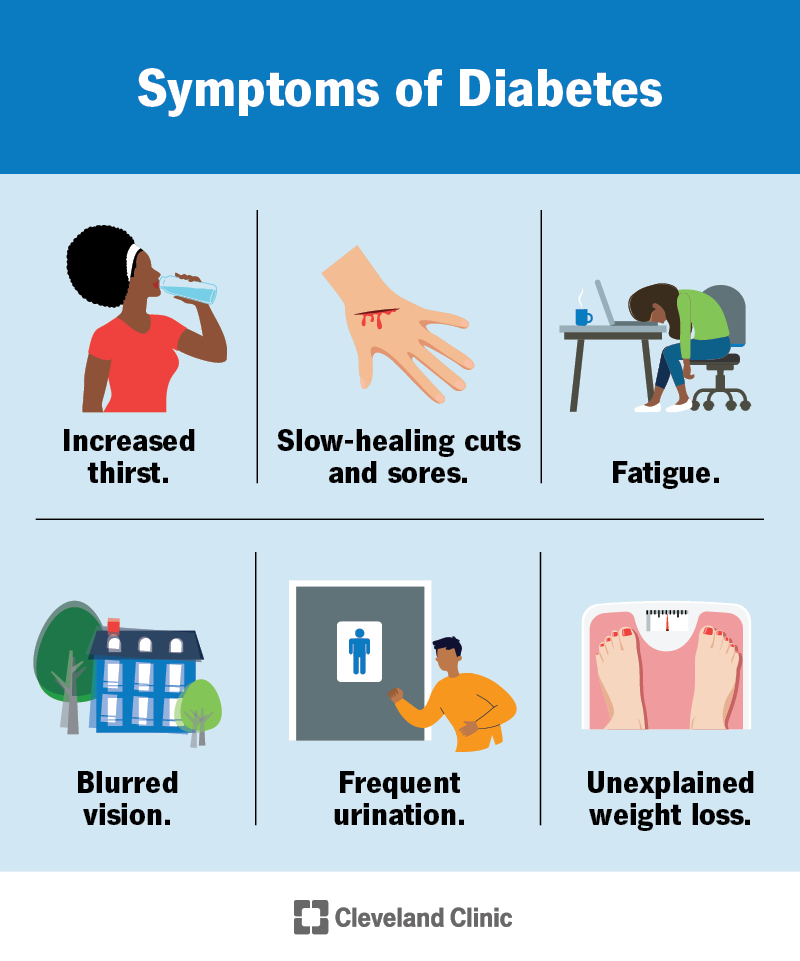
If you’ve been feeling a bit off lately, it’s important to pay attention to your body and any unusual symptoms that may arise. One condition to be mindful of is Diabetes Mellitus, a chronic disease that affects how your body uses glucose, a sugar that is the main source of energy for your cells. Fortunately, there are several common symptoms that can help you recognize if you may be at risk for this condition.
Polyuria
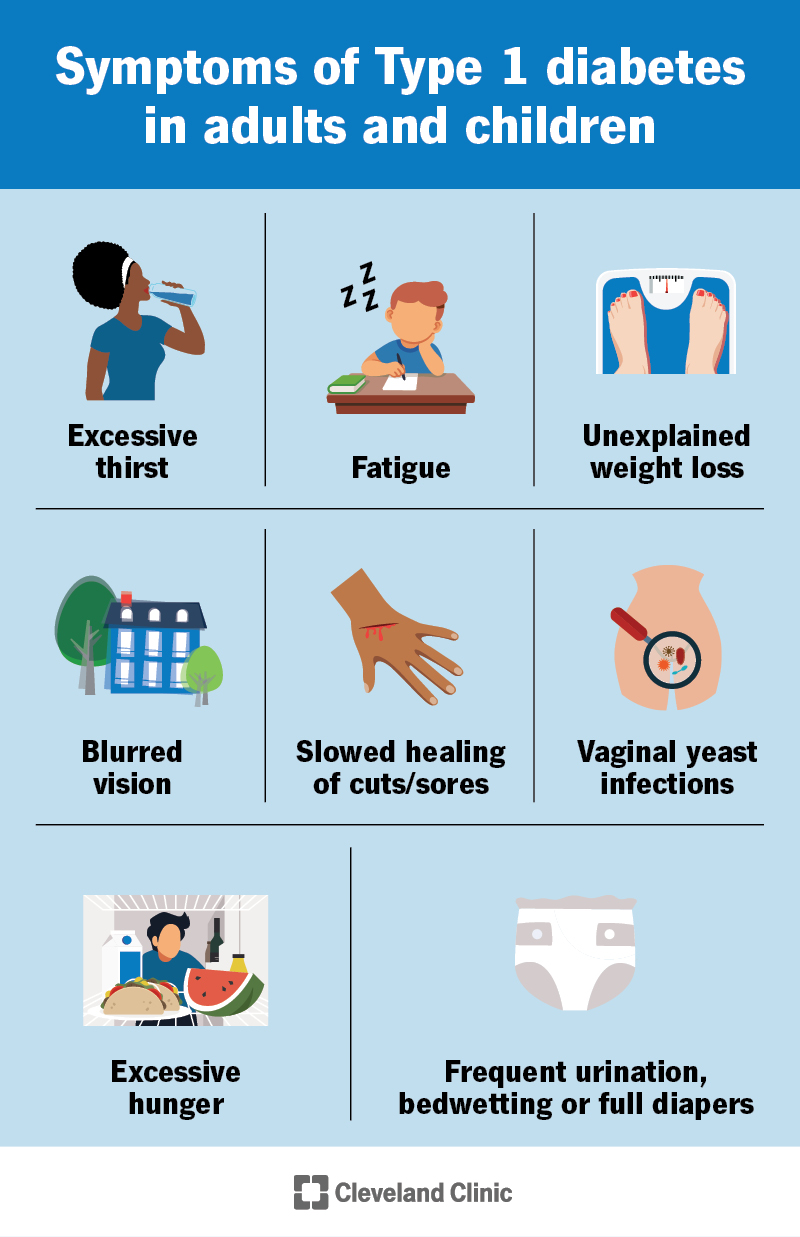
Have you noticed a sudden increase in your need to urinate? Polyuria, or excessive urination, is one of the classic symptoms of Diabetes Mellitus. This happens because when blood glucose levels are consistently high, the kidneys try to remove the excess sugar by producing more urine. If you find yourself making more frequent trips to the bathroom, especially during the night, it’s worth considering if this symptom could be related to diabetes.
Polydipsia
Polydipsia, or excessive thirst, often goes hand in hand with polyuria. When there is an excess of sugar in your bloodstream, your body tries to dilute it by drawing water from your tissues, which can make you feel incredibly thirsty. If you find yourself feeling parched even after drinking plenty of fluids, it may be a sign of diabetes.
Unexplained Weight Loss
Weight loss can be an exciting milestone for many but if it happens without any effort on your part, it’s important to investigate further. Diabetes can cause unexplained weight loss because when your body doesn’t produce enough insulin or can’t use it properly, it starts breaking down fat and muscle for energy. If you’ve noticed a sudden drop on the scale without any lifestyle changes, it’s worth considering if diabetes could be the cause.
Fatigue
Feeling constantly tired, even after a good night’s sleep, can be a sign of various health issues, including diabetes. When your body is unable to effectively use glucose for energy, you may feel fatigued and lacking in energy. If you’re experiencing persistent tiredness, it’s worth considering if diabetes could be a potential culprit.
Blurred Vision
Blurry vision can sometimes be an indicator of diabetes. High blood sugar levels can affect the lenses in your eyes, leading to changes in your vision. If you’ve noticed a sudden difficulty in focusing or have experienced blurred vision, it’s important to get your eyes checked and consider the possibility of diabetes.
Slow-healing Sores
If you’ve noticed that cuts, bruises, or sores take longer than usual to heal, it could be a sign of diabetes. High blood sugar levels can affect blood circulation and damage nerves, which can slow down the healing process. If you find that your wounds are not healing as quickly as they used to, it’s worth considering if diabetes could be a contributing factor.
Frequent Infections
Diabetes can weaken the immune system, making it harder for your body to fight off infections. If you find yourself frequently falling ill or experiencing recurring infections, it may be a sign that your immune system is compromised due to high blood sugar levels. Taking note of these symptoms can help you determine if diabetes could be a potential concern.
Tingling or Numbness in Hands or Feet
One of the symptoms of diabetes is peripheral neuropathy, which can cause tingling or numbness in your hands or feet. This occurs when prolonged high blood sugar levels damage the nerves in your extremities. If you’re experiencing any unusual sensations in your hands or feet, it’s worth considering if diabetes could be a possible cause.
Dry, Itchy Skin
Diabetes can also affect the health of your skin. High blood sugar levels can cause dryness, itchiness, and other skin irritations. If you’re finding that your skin feels excessively dry or itchy, it could be a symptom of diabetes.
Frequent Urination at Night
If you’re finding yourself waking up multiple times during the night to use the bathroom, it may be a sign of diabetes. Excessive urination at night, also known as nocturia, can occur when your kidneys are trying to eliminate the excess sugar from your bloodstream. If you’re experiencing this symptom, it’s worth considering if diabetes could be a potential cause.
Diagnosis of Diabetes Mellitus
If you’re experiencing any of the symptoms mentioned above or are concerned about your risk for diabetes, it’s important to consult with a healthcare professional for a proper diagnosis. Here are several tests commonly used to diagnose Diabetes Mellitus:
Fasting Plasma Glucose Test
A fasting plasma glucose test measures your blood sugar level after you’ve fasted for at least 8 hours. If your blood glucose level is higher than normal, it may be an indication of diabetes.
Oral Glucose Tolerance Test
The oral glucose tolerance test is another way to diagnose diabetes. It involves drinking a sugary beverage and then having your blood glucose levels measured at regular intervals. This test helps determine how well your body can handle glucose and if you have diabetes.
Random Plasma Glucose Test
If you’re experiencing symptoms of diabetes, a random plasma glucose test can be conducted at any time of the day without fasting. If your blood glucose level is found to be consistently high, it may be an indication of diabetes.
Glycated Hemoglobin (A1C) Test
The A1C test measures your average blood sugar level over the past 2 to 3 months. It provides a comprehensive picture of your blood glucose control and can help diagnose diabetes.
Urinalysis
A urinalysis involves testing a urine sample for the presence of glucose and ketones. If glucose is detected in your urine, it may be a sign of diabetes.
Blood Tests
Blood tests, such as a lipid profile, kidney function tests, and liver function tests, may be performed to assess your overall health and potential complications related to diabetes.
Prickly Heat Test
In some cases, a prickly heat test may be recommended. This involves testing a small patch of skin for diabetes-related nerve damage. It can help diagnose peripheral neuropathy, a common complication of diabetes.
Remember, these tests should always be conducted under the guidance of a healthcare professional. If you suspect you may have diabetes, seeking medical advice is crucial for an accurate diagnosis and appropriate treatment.
In conclusion, it’s important to be aware of the symptoms associated with Diabetes Mellitus. Recognizing these signs can prompt you to seek medical attention and get the appropriate testing done. Remember, early detection and management of diabetes can greatly reduce the risk of complications and help you maintain good health. Don’t hesitate to reach out to your healthcare provider if you have any concerns or questions about diabetes.