
Did you know that breast cancer can also affect men? Although it is less common, male breast cancer still poses a significant health risk. In this article, we will explore the diagnosis and treatment options available for men with breast cancer. From understanding the warning signs to discussing various treatment approaches, we aim to provide you with a comprehensive overview of male breast cancer management. So, let’s shed light on this lesser-known form of cancer and empower you with the knowledge you need to detect and treat it effectively.
Diagnosis of Male Breast Cancer
Understanding Male Breast Cancer
Male breast cancer is a rare form of cancer that develops in the breast tissue of men. Although breast cancer is commonly associated with women, men can also be affected by this disease. It is important for men to be aware of the signs and symptoms of male breast cancer, as early detection can greatly improve the chances of successful treatment.
Common Symptoms of Male Breast Cancer
The symptoms of male breast cancer are similar to those experienced by women with breast cancer. It is crucial to pay attention to any changes in the breasts and seek medical evaluation if any of the following symptoms are present:
- A painless lump or thickening in the breast tissue
- Changes in the skin texture, such as dimpling or puckering
- Changes in the nipple, such as redness, scaling, or discharge
- Swelling or lumps in the armpit area
If you notice any of these symptoms, it is important to see a doctor as soon as possible for further evaluation.
Diagnostic Tests for Male Breast Cancer
To accurately diagnose male breast cancer, several diagnostic tests may be performed. These tests help determine the presence and extent of the disease. Common diagnostic tests for male breast cancer include:
- Breast imaging: Mammography and ultrasound are used to visualize the breast tissue and detect any abnormalities.
- Biopsy: A tissue sample is taken from the breast and examined under a microscope to determine if cancer cells are present.
- Blood tests: Blood tests can help evaluate overall health and assess specific markers associated with breast cancer.
- Genetic testing: In cases where there is a strong family history of breast cancer, genetic testing may be recommended to identify any inherited mutations.
Staging and Prognosis
Stages of Male Breast Cancer
Staging is an important process that helps determine the extent and progression of male breast cancer. The stages of male breast cancer, similar to those in women, are determined by the size of the tumor, lymph node involvement, and the presence or absence of metastasis. The stages range from stage 0, indicating non-invasive cancer, to stage IV, indicating advanced cancer that has spread to other parts of the body.
Prognosis and Survival Rates
The prognosis for male breast cancer can vary depending on the stage and characteristics of the cancer. However, with early detection and appropriate treatment, the prognosis for male breast cancer is generally positive. According to the American Cancer Society, the 5-year survival rate for localized male breast cancer is approximately 96%, highlighting the importance of early diagnosis and intervention.
Types of Male Breast Cancer
Ductal Carcinoma in Situ (DCIS)
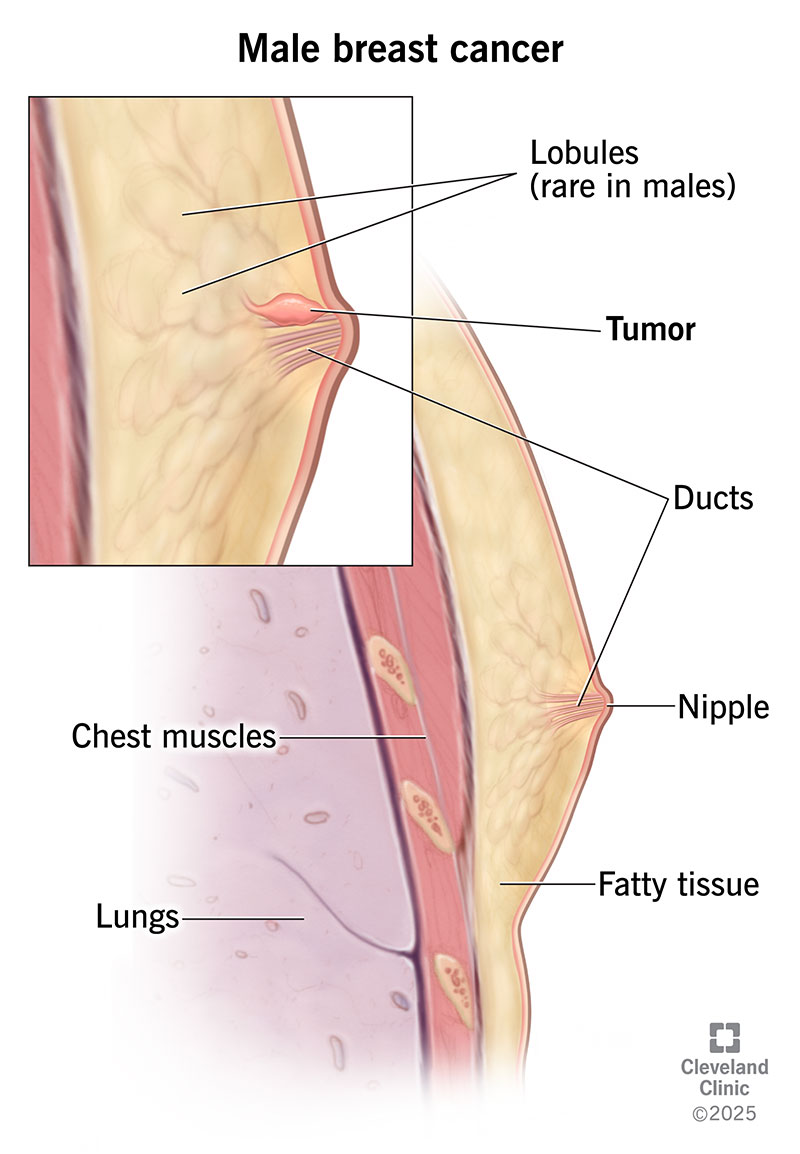
Ductal Carcinoma in Situ (DCIS) is a non-invasive form of male breast cancer. It starts in the milk ducts of the breast and has not spread to nearby tissues. DCIS is often detected through mammography and is highly treatable when diagnosed early. Treatment options for DCIS may include surgery, radiation therapy, and hormone therapy.
Invasive Ductal Carcinoma (IDC)
Invasive Ductal Carcinoma (IDC) is the most common type of male breast cancer. It begins in the milk ducts but has the potential to spread to nearby tissues. IDC may present as a lump in the breast or changes in the nipple or skin. Treatment options for IDC typically include surgery, radiation therapy, chemotherapy, hormone therapy, and targeted therapy.
Lobular Carcinoma in Situ (LCIS)
Lobular Carcinoma in Situ (LCIS) is a condition where cancer cells form in the lobules of the breast. LCIS is considered a marker of increased risk for developing invasive breast cancer, but it is not cancer itself. Close monitoring and risk reduction strategies may be recommended for individuals diagnosed with LCIS.
Inflammatory Breast Cancer
Inflammatory Breast Cancer is a rare but aggressive form of male breast cancer. It is characterized by symptoms such as redness, swelling, and warmth in the breast. Due to its aggressive nature, treatment for inflammatory breast cancer often involves a combination of chemotherapy, surgery, radiation therapy, and targeted therapy.
Paget’s Disease of the Nipple
Paget’s Disease of the Nipple is a rare type of male breast cancer that starts in the milk ducts and spreads to the nipple and areola. It often presents with symptoms such as itching, scaling, redness, and discharge from the nipple. Treatment for Paget’s Disease of the Nipple may involve surgery, radiation therapy, chemotherapy, and hormone therapy.
Risk Factors for Male Breast Cancer
Age and Gender
The risk of developing male breast cancer increases with age. Most cases occur in men between the ages of 60 and 70. Being male is also a significant risk factor, as breast cancer is more commonly diagnosed in women.
Family History and Genetics
A family history of breast cancer, particularly in close relatives, can increase the risk of male breast cancer. Additionally, certain genetic mutations, such as BRCA2, can significantly increase the likelihood of developing breast cancer in men.
Radiation Exposure
Exposure to radiation, such as undergoing radiation therapy for other cancers or occupational exposure, can increase the risk of male breast cancer. It is important to discuss any history of radiation exposure with a healthcare provider.
Hormonal Imbalances and Medications
Conditions that cause hormonal imbalances, such as Klinefelter syndrome or cirrhosis, can increase the risk of male breast cancer. Certain medications, such as those used to treat prostate cancer, may also raise the risk.
Treatment Options for Male Breast Cancer
Surgery
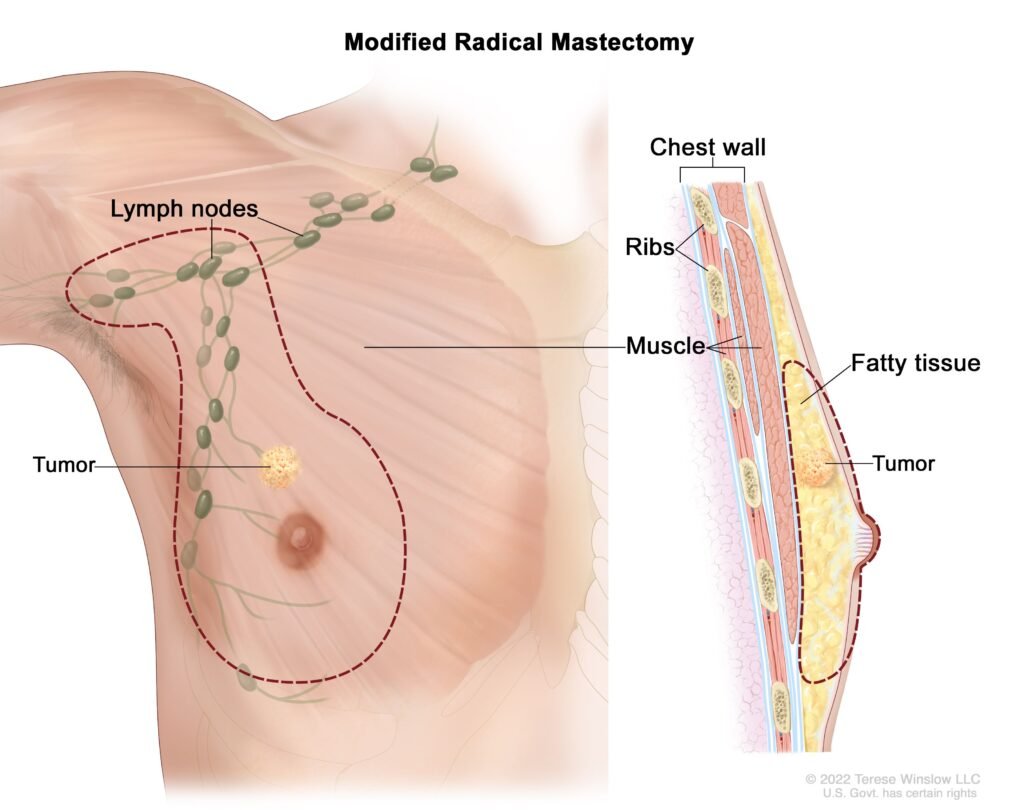
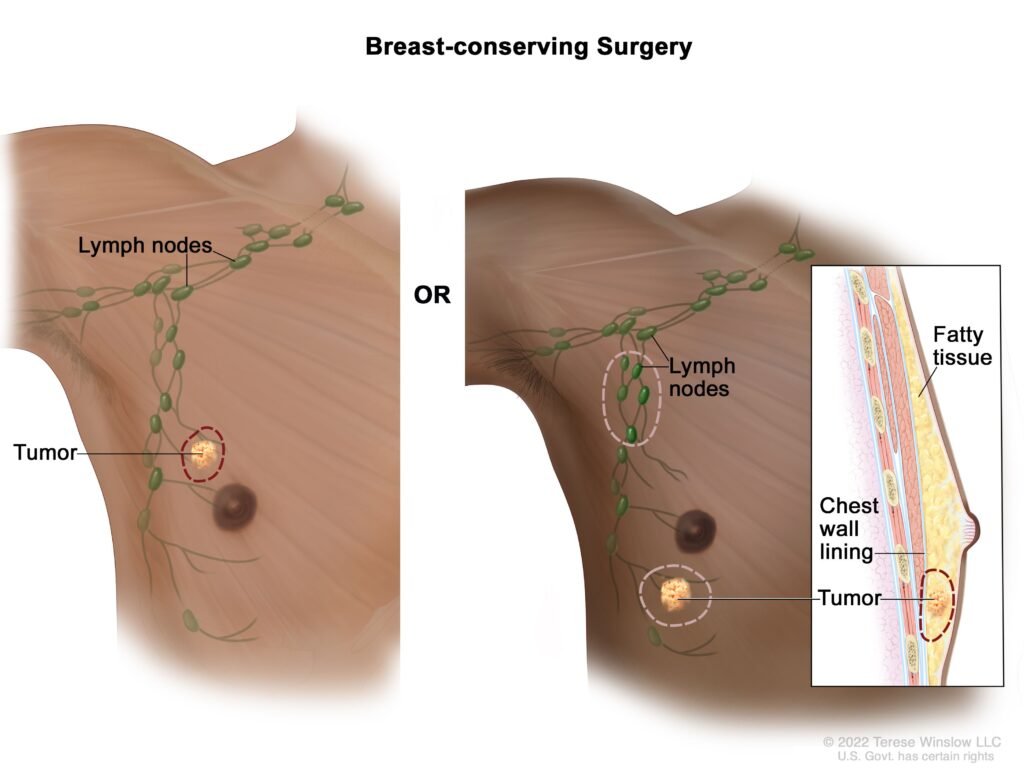
Surgery is a common treatment option for male breast cancer. The specific surgical procedure depends on the stage and characteristics of the cancer. Breast-conserving surgery, known as a lumpectomy, involves removing the tumor and a small amount of surrounding tissue. Mastectomy, the removal of the entire breast, may be performed in cases where the cancer is more advanced or has spread to the surrounding tissues.
Radiation Therapy
Radiation therapy involves the use of high-energy beams to target and kill cancer cells. It may be recommended following surgery to eliminate any remaining cancer cells and reduce the risk of recurrence. External beam radiation therapy is the most common type used for male breast cancer. Brachytherapy, which involves placing radioactive material directly into the breast tissue, may also be used in specific cases.
Chemotherapy
Chemotherapy uses powerful drugs to destroy cancer cells throughout the body. It may be recommended for male breast cancer in cases where there is a higher risk of recurrence or if the cancer has spread to nearby lymph nodes or other organs. Adjuvant chemotherapy is given after surgery to reduce the risk of recurrence. Neoadjuvant chemotherapy is administered before surgery to shrink tumors and facilitate surgical removal.
Hormone Therapy
Hormone therapy, also known as endocrine therapy, is used to block the effects of hormones that promote the growth of breast cancer cells. It is primarily recommended for male breast cancer cases where hormone receptors are present. Hormone therapy for male breast cancer often involves the use of anti-estrogen medications known as selective estrogen receptor modulators (SERMs) or aromatase inhibitors. Gonadotropin-releasing hormone (GnRH) agonists may also be used to suppress hormone production.
Targeted Therapy
Targeted therapy specifically targets certain molecules that play a role in cancer growth and progression. In male breast cancer, targeted therapy is commonly used for HER2-positive breast cancer. HER2-targeted therapy aims to block the effects of the HER2 protein, which is overexpressed in some breast cancer cells. PARP inhibitors, which interfere with DNA repair mechanisms, may also be used in certain cases.
Surgical Procedures for Male Breast Cancer
Breast Conserving Surgery (Lumpectomy)
Breast-conserving surgery, also known as a lumpectomy, involves removing the tumor and a small rim of surrounding normal breast tissue. It is an option for individuals with early-stage male breast cancer who wish to preserve their breast. Following the surgery, radiation therapy is often recommended to reduce the risk of recurrence.
Mastectomy
Mastectomy is a surgical procedure that involves the removal of the entire breast. It may be recommended for individuals with larger tumors, multiple tumors, or more advanced cancer. Various types of mastectomy are available, including simple mastectomy, modified radical mastectomy, and skin-sparing mastectomy. Reconstructive surgery can be performed to rebuild the breast after mastectomy if desired.
Sentinel Lymph Node Biopsy
During a sentinel lymph node biopsy, the surgeon identifies and removes the lymph node(s) that are most likely to have cancer cells if the cancer has spread beyond the breast. This procedure helps assess the extent of cancer spread and helps guide further treatment decisions.
Axillary Lymph Node Dissection
In cases where cancer has spread to the lymph nodes, an axillary lymph node dissection may be performed. This procedure involves removing several lymph nodes from the underarm area. It helps determine the extent of lymph node involvement and helps guide treatment decisions.
Radiation Therapy for Male Breast Cancer
External Beam Radiation Therapy
External beam radiation therapy is the most common type of radiation therapy used for male breast cancer. It involves using a machine to deliver high-energy radiation beams to the affected breast and surrounding tissue. The treatment is carefully planned to target the cancer cells while minimizing damage to healthy tissues.
Brachytherapy
Brachytherapy, also known as internal radiation therapy, involves placing radioactive material directly into the breast tissue. This targeted approach allows for a higher dose of radiation to be delivered to the tumor while reducing the exposure to nearby healthy tissues. Brachytherapy may be considered in specific cases, such as when the tumor is small and localized.
Chemotherapy for Male Breast Cancer
Adjuvant Chemotherapy
Adjuvant chemotherapy is administered after surgery to destroy any remaining cancer cells and reduce the risk of recurrence. It is typically recommended for individuals with larger tumors, lymph node involvement, or more advanced cancer. The specific chemotherapy drugs used and the duration of treatment depend on various factors, including the individual’s overall health and the characteristics of the cancer.
Neoadjuvant Chemotherapy
Neoadjuvant chemotherapy is given before surgery with the aim of shrinking tumors and facilitating surgical removal. This approach can be beneficial in cases where the tumor is large or locally advanced, as it may increase the likelihood of successful surgical outcomes. The specific chemotherapy regimen is determined based on the individual’s unique circumstances.
Chemotherapy Drugs Used
Several different chemotherapy drugs may be used to treat male breast cancer, either alone or in combination. Some commonly used drugs include doxorubicin, cyclophosphamide, paclitaxel, and docetaxel. The choice of drugs and the treatment regimen are determined based on the characteristics of the cancer and the individual’s overall health.
Side Effects and Management
Chemotherapy can cause various side effects, including fatigue, nausea, hair loss, and increased susceptibility to infections. It is important for individuals undergoing chemotherapy to communicate any side effects they experience to their healthcare team. Supportive care measures, such as medications and lifestyle adjustments, can help manage these side effects and improve quality of life during treatment.

Hormone Therapy for Male Breast Cancer
Types of Hormone Therapy
Hormone therapy, also known as endocrine therapy, is a systemic treatment approach that targets the effects of hormones on cancer growth. There are two main types of hormone therapy used for male breast cancer: selective estrogen receptor modulators (SERMs) and aromatase inhibitors.
Selective Estrogen Receptor Modulators (SERMs)
SERMs, such as tamoxifen, work by blocking the effects of estrogen on breast cancer cells. They are commonly recommended for individuals with hormone receptor-positive breast cancer. SERMs can help reduce the risk of recurrence, slow the growth of cancer cells, and improve overall survival.
Aromatase Inhibitors
Aromatase inhibitors, such as anastrozole or letrozole, work by reducing the production of estrogen in the body. They are typically used in postmenopausal individuals with hormone receptor-positive breast cancer. Aromatase inhibitors are generally more effective in these individuals compared to SERMs.
Gonadotropin-Releasing Hormone (GnRH) Agonists
Gonadotropin-releasing hormone (GnRH) agonists, such as goserelin, may be used in certain cases to suppress the production of male hormones (testosterone) that can promote the growth of hormone receptor-positive breast cancer. GnRH agonists are primarily used in premenopausal individuals who are unable to take tamoxifen or aromatase inhibitors.
Targeted Therapy for Male Breast Cancer
HER2-Targeted Therapy
HER2-targeted therapy specifically targets the HER2 protein, which is overexpressed in some breast cancer cells. Women are more likely to have HER2-positive breast cancer than men, but it can still occur in males. HER2-targeted therapy can help slow the growth of cancer cells and improve outcomes for individuals with HER2-positive male breast cancer.
HER2-Positive Male Breast Cancer
HER2-positive male breast cancer refers to cases where the cancer cells have an overexpression of the HER2 protein. It is a more aggressive subtype of breast cancer that requires targeted therapy alongside other treatments, such as chemotherapy or hormone therapy. HER2-targeted therapy, such as trastuzumab or pertuzumab, may be used to specifically address the HER2-positive nature of the cancer.
PARP Inhibitors
PARP inhibitors are a newer class of targeted therapies that block certain proteins involved in DNA repair. They may be used in cases where there is an identified genetic mutation, such as BRCA2, which increases the risk of male breast cancer. PARP inhibitors can help disrupt cancer cell growth and improve treatment outcomes.
In conclusion, male breast cancer is a rare but important health concern that men should be aware of. Understanding the symptoms, diagnostic tests, staging, and treatment options can help men navigate their journey with male breast cancer. It is crucial to seek medical attention if any concerning signs or symptoms are noticed, as early detection and appropriate treatment can greatly improve outcomes. Remember, you are not alone in this, and there is a supportive network of healthcare professionals, family, and friends ready to assist you every step of the way.
