
Hey there! Did you know that breast cancer can affect men too? It’s not just something that women have to worry about. Male breast cancer may be rare, but it’s important to be aware of the signs and symptoms so that it can be detected early and treated effectively. In this article, we’ll be exploring the different signs and symptoms of male breast cancer, bringing attention to a topic that often goes under the radar. So whether you’re a man or someone who cares about the men in your life, it’s time to learn more about this important health issue.
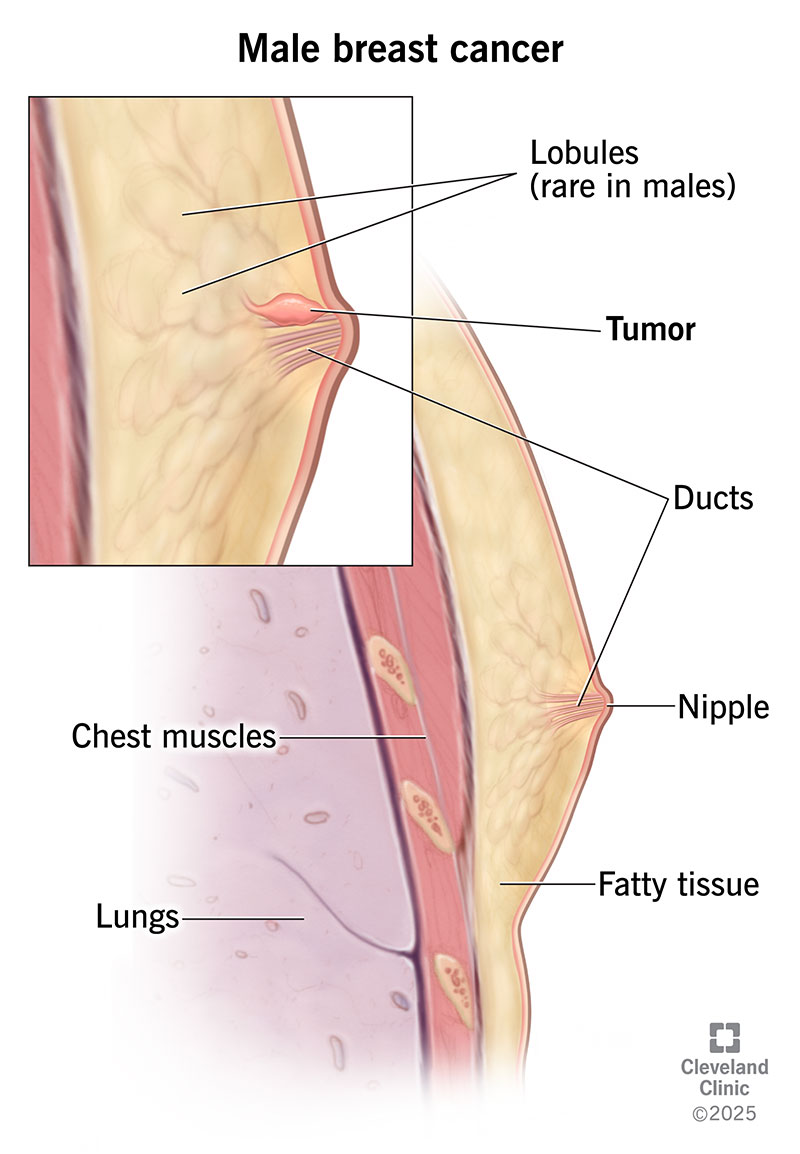
Overview
Male breast cancer is a rare condition in which malignant cells form in the breast tissue of men. Although breast cancer is predominantly associated with women, it is important to recognize that it can also occur in men. While the overall incidence of male breast cancer is significantly lower than in women, understanding the risk factors and potential causes can help in its early detection and treatment. In this article, we will explore the various factors that can contribute to the development of male breast cancer and the importance of follow-up care.
Risk Factors
While the exact cause of male breast cancer is unknown, certain factors have been identified that increase the risk of its occurrence. It is important to note that having one or more risk factors does not necessarily mean that one will develop the disease. Some of the key risk factors include:
Genetic factors
In cases where there are certain genetic mutations such as BRCA2 gene mutations, the risk of male breast cancer increases significantly. These mutations can be inherited from a parent or can occur spontaneously. Individuals with a family history of breast or ovarian cancer should consider genetic testing to determine their susceptibility to the disease.
Hormonal factors
The hormone estrogen, responsible for the development and regulation of female sexual characteristics, can also play a role in male breast cancer. Conditions such as Klinefelter syndrome, where there is an extra X chromosome, can lead to increased levels of estrogen. Elevated estrogen levels can promote the growth of abnormal cells in the breast tissue, increasing the risk of cancer development.
Exposure to radiation
Exposure to high levels of radiation, especially in the chest area, is another risk factor for male breast cancer. This can include exposure from prior cancer treatments such as radiation therapy or occupational exposure to radiation. It is important to discuss any history of radiation exposure with your healthcare provider to assess your risk.
High estrogen levels
Certain medical conditions or medications that increase estrogen levels can also contribute to the development of male breast cancer. Conditions like obesity or liver disease can cause an imbalance in hormone levels and increase the risk. Medications like hormone replacement therapy or those used in the treatment of prostate cancer may also have estrogenic effects.
Age
As with many types of cancer, the risk of developing male breast cancer increases with age. The majority of cases are diagnosed in men over the age of 60. It is important to be aware of any changes in the breast tissue and seek prompt medical attention, regardless of age.
Family history
A history of breast or ovarian cancer in close family members, particularly first-degree relatives like a mother or sister, can significantly increase the risk of male breast cancer. Individuals with a family history should be vigilant about breast self-exams and annual screening tests.
Klinefelter syndrome
Men born with Klinefelter syndrome, a genetic disorder characterized by the presence of an extra X chromosome, are at an increased risk of developing male breast cancer. This syndrome, which affects roughly one in every 500 males, often results in elevated estrogen levels, hence heightening the risk.

Follow-up care
If you have been diagnosed with male breast cancer or fall into any of the high-risk categories, it is crucial to prioritize follow-up care. Regular check-ups with your healthcare provider, including physical exams and imaging studies, can help monitor any changes in the breast tissue and detect any potential recurrence or signs of metastasis.
It is also important to develop a comprehensive treatment plan with your healthcare team, which may include surgery, chemotherapy, radiation therapy, and hormone therapy. Adhering to the recommended treatment and following up with your medical team can improve outcomes and ensure any potential issues are addressed promptly.
In conclusion, male breast cancer is a rare but real condition that affects a small percentage of men. Understanding the risk factors and potential causes is crucial for early detection and effective treatment. By being aware of the signs and symptoms, seeking medical attention promptly, and prioritizing follow-up care, men can take necessary steps towards preventing and managing male breast cancer. Remember, your health is invaluable, and knowledge is power when it comes to your well-being.
