
Hey there! Did you know that breast cancer isn’t just a concern for women? It may come as a surprise, but men can also develop breast cancer. In fact, breast cancer in men accounts for a small percentage of all breast cancer cases. However, understanding this lesser-known condition is crucial in order to detect and treat it early. In this article, we’ll explore the basics of breast cancer in men, including the risk factors, symptoms, and available treatment options. So, let’s dive right in and shed some light on this important topic!
Gender Differences in Breast Cancer
Breast cancer is often associated with women, but it is important to recognize that men can also be affected by this disease. While the incidence of breast cancer in men is much lower compared to women, it is still a significant concern. In this article, we will explore the signs and symptoms, risk factors, diagnosis and staging, as well as treatment options for breast cancer in men.
Signs and Symptoms in Men
When it comes to breast cancer in men, the signs and symptoms are quite similar to those experienced by women. The most common sign is the presence of a lump or swelling in the breast. Other notable changes in the breast include changes in the nipple, such as inversion or discharge, dimpling or redness of the breast skin, and changes in the shape or size of the breast. It is important for men to pay attention to these changes and consult a healthcare professional if they experience any of these symptoms.
Risk Factors in Men
Several risk factors can increase a man’s chances of developing breast cancer. One such factor is a hormonal imbalance. Men with high estrogen levels or low testosterone levels are at a higher risk. Additionally, a family history of breast cancer or known genetic mutations, such as BRCA2, can increase the likelihood of developing the disease. Other risk factors include radiation exposure, environmental factors, obesity, and alcohol consumption. Being aware of these risk factors can help men make informed decisions about their health and take necessary precautions.
Diagnosis and Staging in Men
Diagnosing breast cancer in men involves a series of tests and procedures. The first step is a physical examination and medical history assessment to evaluate any abnormalities in the breast. Imaging tests, such as mammograms, ultrasounds, and MRIs, can provide detailed images of the breast tissue and help detect any suspicious areas. If an abnormality is found, a biopsy is performed to collect tissue samples for further analysis. Pathologists examine these samples under a microscope to determine whether cancer is present and, if so, the type and stage of the disease. Staging helps determine the extent of the cancer and guides treatment decisions.
Treatment Options for Men
When it comes to treating breast cancer in men, the options are similar to those available for women. Surgery is a common treatment approach and may involve either a mastectomy, which involves the removal of the entire breast, or a lumpectomy, which removes only the tumor and a surrounding margin of healthy tissue. Radiation therapy uses high-energy beams to destroy cancer cells and is often recommended after surgery to reduce the risk of recurrence. Chemotherapy utilizes drugs to kill cancer cells throughout the body and may be administered before or after surgery. Hormone therapy, which blocks or reduces the effects of hormones that promote cancer growth, and targeted therapy, which targets specific molecules within cancer cells, are also viable treatment options.
Types of Breast Cancer in Men
Breast cancer in men can occur in different forms, with some of the most common types being:
Infiltrating Ductal Carcinoma
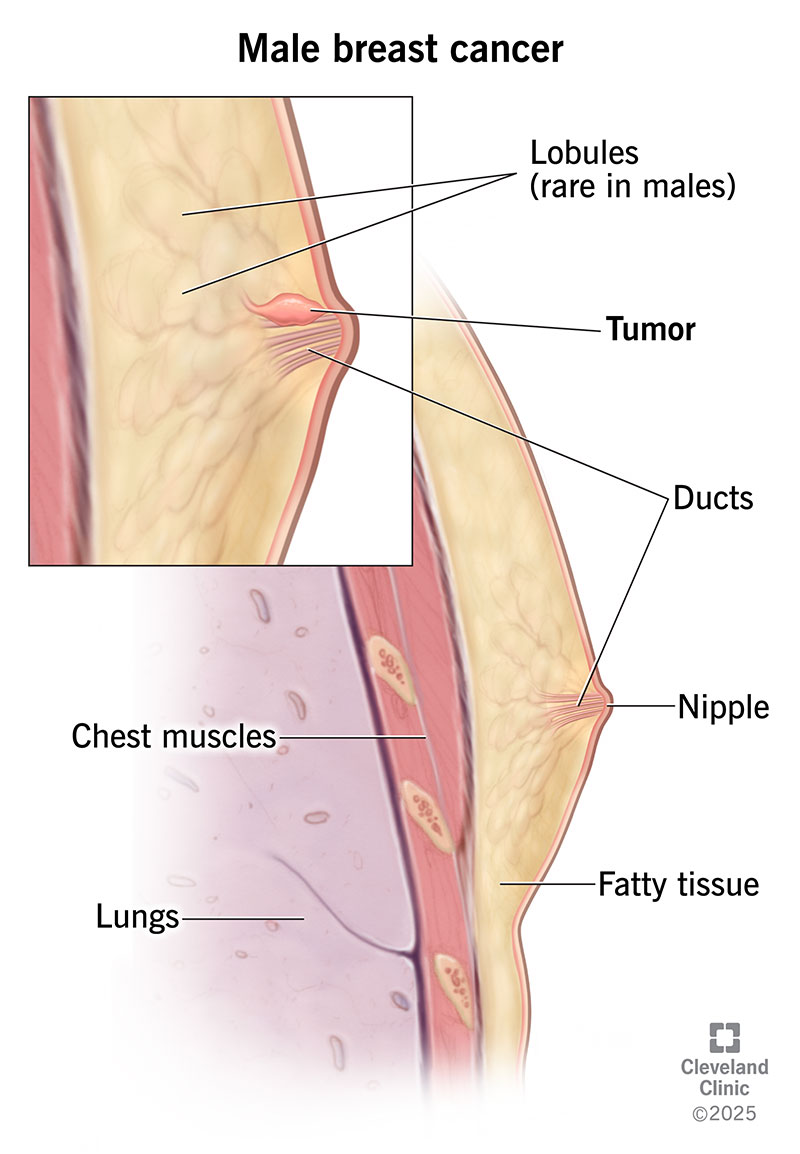
Infiltrating ductal carcinoma is the most common type of breast cancer in both men and women. It starts in the milk ducts, spreads beyond the ducts, and invades the surrounding breast tissue. This type of cancer may present as a lump or cause changes in the nipple or breast skin.
Ductal Carcinoma in Situ
Ductal carcinoma in situ refers to cancer cells that have formed within the milk ducts but have not spread into the surrounding breast tissue. While it is considered non-invasive, it is still a cause for concern as it can progress to invasive breast cancer if left untreated.
Paget’s Disease of the Nipple
Paget’s disease of the nipple is a rare form of breast cancer that typically starts in the ducts and spreads to the nipple and areola. Symptoms include crusting, redness, and itchiness of the nipple area. It is often associated with other types of breast cancer.
Lobular Carcinoma in Situ
Lobular carcinoma in situ is characterized by abnormal cells in the lobules of the breast. It is considered a risk factor for invasive breast cancer and may require careful monitoring and intervention to prevent progression.
Understanding the different types of breast cancer in men is crucial for early detection, accurate diagnosis, and appropriate treatment decisions.

Causes and Risk Factors
While the exact causes of breast cancer in men are still not fully understood, several factors are known to increase the risk of developing the disease. These include:
Hormonal Imbalance
Hormonal imbalances, such as elevated estrogen levels or decreased testosterone levels, can increase the risk of breast cancer in men. Conditions such as Klinefelter syndrome and obesity can contribute to hormonal imbalances, making it important for men with these conditions to be aware of their increased risk.
Family History and Genetics
A family history of breast cancer, particularly in first-degree relatives, can significantly increase a man’s risk of developing the disease. Genetic mutations, such as BRCA2, also play a role in breast cancer risk. Men with known genetic mutations should discuss their risk and appropriate screening strategies with a healthcare professional.
Radiation Exposure
Previous radiation therapy to the chest area, commonly used to treat conditions such as lymphoma, increases the risk of breast cancer in men. It is important for individuals who have received radiation therapy to be aware of this increased risk and undergo regular breast examinations as recommended by their healthcare providers.
Environmental Factors
Exposure to certain environmental factors, such as high levels of estrogen-like compounds found in some pesticides or industrial chemicals, may contribute to the development of breast cancer in men. Limiting exposure to these substances can help reduce the risk.
Obesity and Alcohol Consumption
Obesity and regular alcohol consumption have been identified as risk factors for breast cancer in men. Maintaining a healthy weight and moderate alcohol intake are important for overall health and can help reduce the risk of developing breast cancer.
Understanding these causes and risk factors can empower men to make lifestyle choices that promote their well-being and reduce the likelihood of developing breast cancer. Regular health check-ups and discussions with healthcare professionals are essential for early detection and intervention.
Signs and Symptoms
Awareness of the signs and symptoms of breast cancer in men is crucial for early detection and prompt medical attention. Some common signs and symptoms include:
Lump or Swelling in the Breast
The presence of a lump or swelling in the breast is the most common sign of breast cancer in both men and women. It is essential for men to be familiar with the normal texture of their breasts, allowing them to identify any changes or abnormalities promptly.
Changes in the Nipple
Changes in the nipple, such as inversion, flattening, redness, or scaling, may indicate the presence of breast cancer. Discharge from the nipple, especially if it is bloody or occurs spontaneously, should be evaluated by a healthcare professional.
Dimpling or Redness of the Breast Skin
Breast cancer can cause changes in the texture and appearance of the breast skin, including dimpling, puckering, or redness. These changes should not be ignored and should be addressed with a healthcare professional.
Changes in the Shape or Size of the Breast
Any noticeable changes in the shape or size of the breast should be examined by a healthcare professional. These changes can sometimes be subtle, but they should be taken seriously and investigated further.
Understanding these signs and symptoms is essential for men in order to detect breast cancer at its earliest stages. Regular self-examinations and seeking medical attention when abnormal changes are noticed can greatly improve outcomes.
Diagnosis and Staging
Diagnosing and staging breast cancer in men involves a combination of tests and procedures designed to determine the extent of the disease. The following are commonly used methods:
Physical Examination and Medical History
A thorough physical examination of the breast, including palpation of any lumps or abnormalities, is the first step in diagnosing breast cancer. The healthcare provider will also gather the patient’s medical history, including any family history of breast cancer or other relevant risk factors.
Imaging Tests (Mammogram, Ultrasound, MRI)
Imaging tests, such as mammograms, ultrasounds, and MRIs, provide detailed images of the breast tissue and can help identify suspicious areas. Mammograms are particularly useful in detecting breast cancer in men, despite the challenges of the smaller breast size.
Biopsy and Pathology
If an abnormality is detected during the physical examination or imaging tests, a biopsy is performed. This involves removing a sample of tissue or cells from the breast for further analysis. Pathologists examine these samples under a microscope to determine the presence of cancer, the type, and other characteristics that guide treatment decisions.
Staging of Breast Cancer
Staging is an important step in determining the extent of breast cancer and developing an appropriate treatment plan. Staging takes into account factors such as tumor size, lymph node involvement, and the presence of metastasis. It helps classify the cancer into different stages, from early-stage localized disease to advanced-stage metastatic disease.
Accurate diagnosis and staging are critical for determining the most effective treatment options for men with breast cancer. Healthcare professionals work closely with patients to ensure a thorough evaluation and provide the best possible care.
Treatment Options
Treatment options for breast cancer in men are similar to those available for women and depend on the stage and characteristics of the cancer. The following are common treatment modalities used in the management of breast cancer in men:
Surgery (Mastectomy, Lumpectomy)
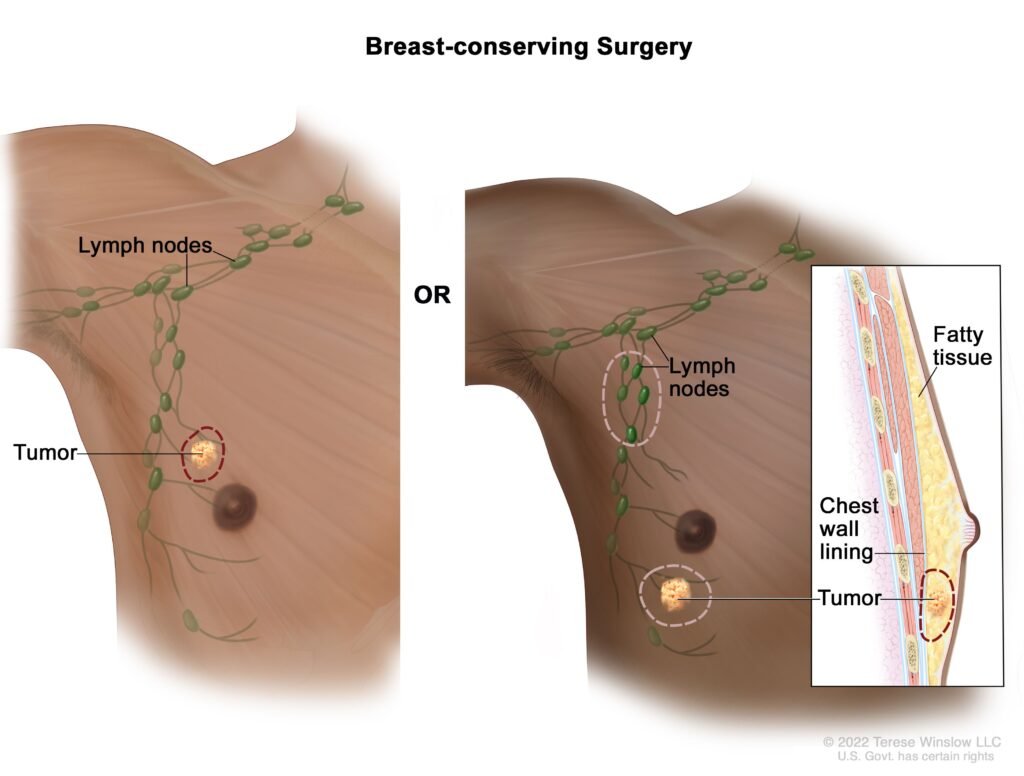
Surgery is a common treatment option for breast cancer and may involve either a mastectomy or a lumpectomy. A mastectomy involves the removal of the entire breast, while a lumpectomy removes only the tumor and the surrounding margin of healthy tissue. The choice of surgery depends on the stage and extent of the cancer, as well as patient preference.
Radiation Therapy
Radiation therapy uses high-energy beams to target and destroy cancer cells. It is often recommended after surgery to eliminate remaining cancer cells and reduce the risk of recurrence. Radiation therapy can be administered externally or internally, depending on the specific circumstances.
Chemotherapy
Chemotherapy involves the use of drugs to kill cancer cells throughout the body. It can be given before or after surgery, depending on the stage and characteristics of the cancer. Chemotherapy regimens vary but often consist of a combination of drugs given in cycles.
Hormone Therapy
Hormone therapy is primarily used for the treatment of hormone receptor-positive breast cancers. It aims to block or reduce the effects of hormones, such as estrogen, that promote cancer cell growth. Medications, such as selective estrogen receptor modulators (SERMs) or aromatase inhibitors, may be prescribed for this purpose.
Targeted Therapy
Targeted therapy involves the use of drugs that specifically target certain molecules within cancer cells. These drugs can block the signals that cancer cells need to grow and divide. Targeted therapy is often used in combination with other treatments and is tailored to the specific characteristics of the cancer.
The choice of treatment depends on various factors, including the stage and type of breast cancer, the presence of specific receptors, and the individual’s overall health. Decisions regarding treatment should be made in consultation with a multidisciplinary healthcare team.

Side Effects and Complications
Breast cancer treatment can have side effects and complications that vary from person to person. Some commonly experienced side effects include:
Fatigue and Weakness
Fatigue and weakness are common side effects of breast cancer treatment. They may result from the treatment itself or the emotional and physical strain of dealing with the disease. Rest, proper nutrition, and gentle exercise can help manage these symptoms.
Hair Loss
Chemotherapy and targeted therapy can cause hair loss, including loss of scalp, facial, and body hair. While hair loss is often temporary, it can have a significant impact on a person’s self-image and emotional well-being.
Nausea and Vomiting
Certain chemotherapy drugs can cause nausea and vomiting. Anti-nausea medications are often prescribed to help manage these side effects. Eating small, frequent meals and avoiding certain foods or smells that trigger nausea can also be helpful.
Loss of Sexual Desire
Some breast cancer treatments, such as hormone therapy, can impact a person’s libido and sexual desire. Open communication with a healthcare professional and support from a partner or counselor can help address these concerns.
Heart Problems
Certain chemotherapy drugs and radiation therapy to the chest area can affect the heart, potentially leading to heart problems. Regular cardiac monitoring and lifestyle modifications may be recommended to minimize these risks.
Osteoporosis
Hormone therapy and certain cancer treatments can increase the risk of osteoporosis, a condition characterized by weak and brittle bones. Adequate calcium and vitamin D intake, weight-bearing exercises, and medication if needed can help manage and prevent osteoporosis.
It is essential for individuals undergoing breast cancer treatment to have open communication with their healthcare providers regarding side effects. Support from healthcare professionals, caregivers, and support groups can make coping with these challenges more manageable.
Psychological Impact of Breast Cancer in Men
A breast cancer diagnosis can have a significant psychological impact on men. Emotional distress and anxiety are common reactions to the diagnosis, treatment, and uncertainty associated with the disease. Concerns about body image and changes in masculinity may also arise. However, it is important to remember that these emotional responses are normal and that help and support are available.
Emotional Distress and Anxiety
A breast cancer diagnosis can trigger a range of emotions, including fear, sadness, anger, and anxiety. It is important for men to acknowledge and express these feelings, whether it be through talking to loved ones, seeking professional counseling, or joining support groups. Finding healthy coping mechanisms, such as engaging in hobbies or practicing relaxation techniques, can also help manage emotional distress.
Effect on Self-Image and Masculinity
Breast cancer can impact a man’s perception of self-image and masculinity. The physical changes associated with breast cancer treatment, such as hair loss or scarring after surgery, can cause feelings of self-consciousness and affect a man’s confidence and self-esteem. Open communication with healthcare providers, loved ones, and support groups can provide a safe space for discussing these concerns and finding ways to regain a positive self-image.
Coping Mechanisms and Support
Finding healthy coping mechanisms and seeking support from others are vital aspects of navigating the emotional challenges of breast cancer. Engaging in activities that bring joy and relaxation, seeking professional counseling, and connecting with support groups specifically tailored for men with breast cancer can provide a sense of community and understanding. It is important for men to remember that they are not alone and that help is available to support them throughout their journey.
Survivorship and Follow-up Care
Survivorship and follow-up care are essential aspects of managing breast cancer in men. Even after successfully completing treatment, individuals need ongoing care and monitoring to ensure their well-being. The following are important considerations:
Long-Term Effects of Treatment
Breast cancer treatment can have long-term effects that require ongoing monitoring and management. These may include cardiac issues, osteoporosis, and hormonal changes. Regular follow-up appointments with healthcare providers can help identify and address any potential long-term effects of treatment.
Monitoring for Recurrence
Breast cancer can recur following treatment, necessitating ongoing surveillance and monitoring. Regular physical examinations, imaging tests, and sensitive tumor markers can help detect any signs of recurrence early, enabling timely intervention if needed.
Psychosocial Support for Survivors
Psychosocial support is an integral part of survivorship care. Support groups, counseling services, and survivorship programs can provide emotional support, promote overall well-being, and help survivors navigate the challenges of transitioning into life after breast cancer treatment.
Empowering men who have survived breast cancer with information and support helps them lead fulfilling lives and effectively manage any challenges they may encounter on their journey to survivorship.
Advances in Research
Advancements in research play a critical role in improving the prevention, diagnosis, and treatment of breast cancer in men. Ongoing studies continue to shed light on various aspects of the disease, including the following:
Clinical Trials and Innovative Treatments
Clinical trials offer opportunities for individuals with breast cancer to access cutting-edge treatments currently undergoing testing. Participating in clinical trials not only provides potential benefits for patients but also contributes to the advancement of knowledge and the development of new and effective treatments.
Understanding Genetic Mutations
Ongoing research focuses on understanding the role of genetic mutations in breast cancer development and progression. Advances in genetic testing technology and increased awareness of potential mutations help identify individuals at higher risk and guide personalized treatment and prevention strategies.
Immunotherapy in Breast Cancer
Immunotherapy, which stimulates the body’s immune system to fight cancer cells, is an emerging treatment approach for various cancers, including breast cancer. Ongoing research seeks to further understand the role of immunotherapy in breast cancer treatment, improve its effectiveness, and minimize potential side effects.
Detection of Circulating Tumor Cells
Detecting circulating tumor cells (CTCs) holds promise for improved diagnosis, monitoring, and treatment of breast cancer. Ongoing research is aimed at refining the methods for detecting and analyzing these cells, potentially leading to more accurate and personalized treatment decisions.
Advancements in breast cancer research are crucial for improving outcomes, enhancing the quality of life of individuals affected by the disease, and ultimately finding a cure.
In conclusion, breast cancer in men is a rare but important condition that requires attention and awareness. Recognizing the signs and symptoms, understanding the risk factors, seeking prompt medical attention, and being proactive in one’s health can greatly impact outcomes. Healthcare professionals are dedicated to providing comprehensive care, and ongoing research continues to advance the understanding and treatment of breast cancer in men. With early detection, appropriate treatment, and support, men can navigate their breast cancer journey with resilience and hope.
