Have you ever experienced discomfort in your stomach, bloating, or irregular bowel movements? If so, you may be among the millions of people who suffer from digestive disorders. Digestive disorders encompass a wide range of conditions that can impact various parts of the digestive system, including the esophagus, stomach, intestines, and liver. In this article, we will explore the common symptoms of digestive disorders and discuss the diagnostic methods used by healthcare professionals to identify and treat these conditions. With a better understanding of the signs and diagnosis process, you can take a proactive approach to managing your digestive health and finding relief from these bothersome symptoms.

I. Overview of Digestive Disorders
A. Definition of Digestive Disorders
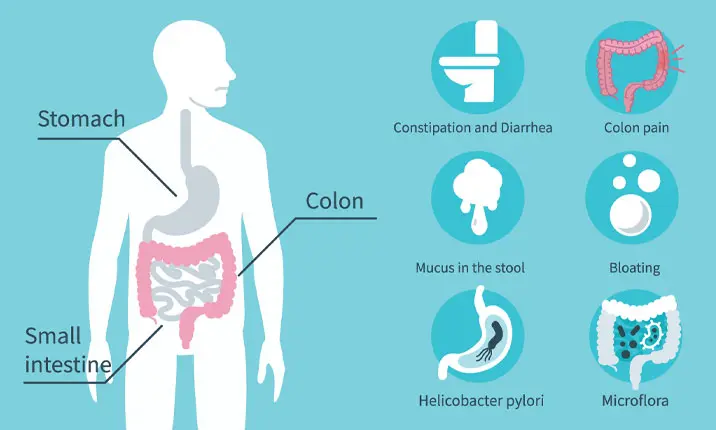
Digestive disorders refer to a wide range of conditions that affect the digestive system, which is responsible for breaking down food and absorbing nutrients. These disorders can impact various parts of the digestive system, including the esophagus, stomach, intestines, liver, gallbladder, and pancreas. They can cause significant discomfort and disrupt the normal functioning of the digestive system, leading to a variety of symptoms.
B. Types of Digestive Disorders
There are numerous types of digestive disorders, each with its own set of symptoms and causes. Some of the commonly encountered digestive disorders include irritable bowel syndrome (IBS), inflammatory bowel disease (IBD), gastritis, gastroesophageal reflux disease (GERD), and peptic ulcers. These conditions can range from mild to severe and may require different approaches to management and treatment.
C. Common Causes of Digestive Disorders
Digestive disorders can have various causes, including but not limited to:
- Diet: Consuming a diet high in fats, processed foods, and inadequate fiber can contribute to digestive issues.
- Food intolerances: Certain individuals may experience digestive symptoms due to specific food intolerances, such as lactose intolerance or gluten sensitivity.
- Infections: Bacterial, viral, or parasitic infections can lead to digestive disorders, such as gastroenteritis.
- Stress: High levels of stress can disrupt the normal functioning of the digestive system.
- Medications: Some medications, such as nonsteroidal anti-inflammatory drugs (NSAIDs), can irritate the digestive system and cause issues.
- Genetic factors: Some digestive disorders, like Crohn’s disease and ulcerative colitis, have a genetic component.
II. Common Symptoms of Digestive Disorders
A. Abdominal Pain
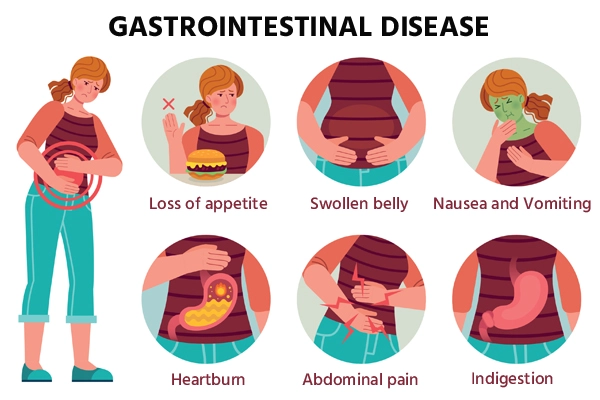
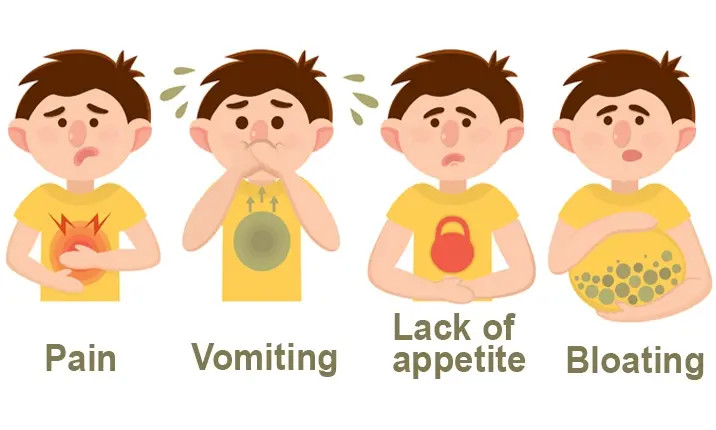
Abdominal pain is one of the most common symptoms associated with digestive disorders. It can range from mild discomfort to severe cramping and can occur anywhere in the abdomen. The pain may be constant or intermittent and can be associated with other symptoms, such as bloating and changes in bowel habits.
B. Diarrhea
Diarrhea is characterized by loose, watery stools and is another prevalent symptom of digestive disorders. It can be acute or chronic and is often accompanied by abdominal pain, cramping, and urgency to have a bowel movement. Diarrhea can lead to dehydration if not managed appropriately.
C. Constipation
On the other end of the spectrum, constipation is a common symptom that involves difficulty passing stool or infrequent bowel movements. It can cause straining, bloating, and discomfort. Chronic constipation may indicate an underlying digestive disorder that requires medical attention.
D. Nausea and Vomiting
Nausea and vomiting can occur due to various digestive disorders. These symptoms can be triggered by factors like eating certain foods, infections, or underlying conditions like GERD. Persistent or severe nausea and vomiting should be evaluated by a healthcare professional.
E. Bloating and Flatulence
Bloating and excessive flatulence are often experienced by individuals with digestive disorders. Bloating refers to the sensation of fullness or tightness in the abdomen, while flatulence relates to the release of gas from the digestive system. These symptoms can be caused by swallowed air, certain foods, or underlying digestive issues.
F. Heartburn and Acid Reflux
Heartburn and acid reflux occur when stomach acid flows back into the esophagus, causing a burning sensation in the chest or throat. These symptoms are commonly associated with GERD but can also occur in other digestive disorders. They can be triggered by certain foods, lying down after a meal, or an increase in stomach acid production.
III. Specific Symptoms of Digestive Disorders
A. Irritable Bowel Syndrome
Irritable bowel syndrome (IBS) is a common digestive disorder that can cause a variety of symptoms, including abdominal pain, bloating, diarrhea, and constipation. It is a chronic condition characterized by intermittent flare-ups of symptoms. IBS symptoms can be triggered by certain foods, stress, hormonal changes, or bacterial imbalances in the gut.
B. Inflammatory Bowel Disease
Inflammatory bowel disease (IBD) encompasses conditions like Crohn’s disease and ulcerative colitis. These chronic inflammatory conditions can lead to symptoms such as abdominal pain, diarrhea (sometimes bloody), fatigue, weight loss, and reduced appetite. IBD typically involves periods of remission and flare-ups, requiring ongoing management.
C. Gastritis
Gastritis refers to inflammation of the stomach lining and can result in symptoms like abdominal pain, bloating, nausea, vomiting, and indigestion. It can be caused by infections, excessive alcohol consumption, chronic use of NSAIDs, or autoimmune conditions. Gastritis can usually be diagnosed through medical history, physical examination, and specific tests.
D. Gastroesophageal Reflux Disease
Gastroesophageal reflux disease (GERD) is a digestive disorder characterized by the backward flow of stomach acid into the esophagus. This condition can result in symptoms such as heartburn, regurgitation of acid or food, chest pain, and difficulty swallowing. Left untreated, GERD can lead to complications like esophageal ulcers or strictures.
E. Peptic Ulcers
Peptic ulcers are open sores that typically develop on the lining of the stomach or upper small intestine. They can cause symptoms such as abdominal pain, bloating, heartburn, indigestion, and nausea. Peptic ulcers are often caused by a bacterial infection called Helicobacter pylori or by long-term use of NSAIDs.
IV. Diagnosing Digestive Disorders
A. Medical History and Physical Examination
When evaluating digestive disorders, doctors usually begin by taking a detailed medical history to understand the patient’s symptoms, their duration, and potential triggers. They will then conduct a physical examination to check for any signs of discomfort or abnormalities in the abdomen. This initial assessment helps narrow down the potential causes of the digestive issues.
B. Laboratory Tests
Various laboratory tests may be ordered to aid in the diagnosis of digestive disorders. These may include blood tests to check for signs of inflammation or infection, stool tests to detect parasites or blood in the stool, and breath tests to detect certain bacterial overgrowths or food intolerances.
C. Imaging Tests
Imaging tests, such as X-rays, ultrasound, or CT scans, can provide detailed images of the digestive system and help identify structural abnormalities, tumors, or inflammation. These tests are often ordered when the cause of the digestive disorder is not apparent from the medical history and physical examination alone.
D. Endoscopy
Endoscopy involves the use of a flexible tube with a camera (endoscope) that is inserted into the digestive tract to visualize the lining of the esophagus, stomach, or intestines. It allows doctors to inspect for abnormalities, take biopsies, or even perform certain therapeutic procedures if necessary.
E. Biopsy
If abnormalities are seen during endoscopy or other imaging tests, a biopsy may be performed to collect tissue samples for further analysis. Biopsies can help determine the cause of the digestive disorder, identify inflammatory conditions or infections, and screen for cancerous cells.
F. Stool Analysis
Stool analysis can provide valuable information about digestive disorders. It may involve testing for the presence of blood, parasites, bacteria, or other pathogens in the stool. Stool analysis is commonly used to diagnose conditions like infections, inflammatory bowel disease, or malabsorption issues.
V. Common Misdiagnosis of Digestive Disorders
A. Functional Gastrointestinal Disorders
Functional gastrointestinal disorders, such as functional dyspepsia or functional abdominal pain syndrome, can mimic the symptoms of various digestive disorders. These conditions are often diagnosed when no structural or biochemical abnormalities are found during diagnostic evaluations. They are typically managed through lifestyle modifications and symptom control.
B. Food Intolerances
Food intolerances, such as lactose intolerance or fructose malabsorption, can present with symptoms similar to digestive disorders. These conditions occur when the body has difficulty digesting or absorbing certain food components. Identifying and avoiding the trigger foods is often key to managing food intolerances.
C. Psychological Factors
Psychological factors can influence digestive symptoms and may sometimes be mistaken for digestive disorders. Stress, anxiety, depression, or somatization disorders can manifest as physical symptoms impacting the digestive system. Addressing these psychological factors through therapy or stress management techniques may help alleviate symptoms.
D. Other Medical Conditions
There are several medical conditions that can cause symptoms similar to digestive disorders. Examples include gallbladder disease, pancreatic disorders, hormonal imbalances, or certain autoimmune conditions. It is important to rule out these conditions through comprehensive medical evaluations to ensure accurate diagnosis and appropriate treatment.
VI. Seeking Medical Help for Digestive Disorders
A. When to See a Doctor
Any persistent or severe digestive symptoms should prompt a visit to a healthcare professional. This is especially important if symptoms are causing significant discomfort, impacting daily activities, or are accompanied by other concerning signs, such as weight loss, blood in the stool, or difficulty swallowing. Early intervention can help prevent complications and improve outcomes.
B. Consulting a Gastroenterologist
If symptoms persist or a digestive disorder is suspected, it may be advisable to consult a gastroenterologist. These specialists have expertise in diagnosing and managing conditions of the digestive system. They will conduct a thorough evaluation and may recommend further diagnostic tests or refer to other specialists if necessary.
C. Sharing Symptoms and Concerns
During medical consultations, it is essential to provide detailed information about the symptoms experienced, their duration, and any triggers or patterns noticed. Openly share concerns and any impact the symptoms may have on daily life. The more information provided, the better equipped healthcare professionals will be to assess and diagnose the condition accurately.
D. Providing Medical History
Apart from symptom-related information, providing a comprehensive medical history is crucial in diagnosing digestive disorders. Previous surgeries, medications, allergies, and family history of digestive disorders or other related conditions should be disclosed. This can provide valuable context for the healthcare professional to make an accurate diagnosis.
VII. Treatment Options for Digestive Disorders
A. Medications
Medications are often used to alleviate symptoms and manage digestive disorders. Depending on the specific condition, doctors may prescribe antacids, proton pump inhibitors, prokinetics, antibiotics, or anti-inflammatory drugs. The choice of medication will depend on the underlying cause of the digestive disorder and the severity of symptoms.