
Are you or someone you know struggling with Attention Deficit Hyperactivity Disorder (ADHD)? If so, you’re not alone. In this article, we will explore a variety of effective strategies for managing ADHD, offering practical tips and advice to help you navigate the challenges that come with this condition. Whether you’re seeking ways to improve focus and productivity, develop better organizational skills, or maintain healthy relationships, this comprehensive guide has got you covered. So, let’s dive in and discover how you can conquer ADHD and thrive in your daily life.
Understanding ADHD
What is ADHD?
ADHD, which stands for Attention Deficit Hyperactivity Disorder, is a neurodevelopmental disorder that affects both children and adults. It is characterized by a persistent pattern of inattention, hyperactivity, and impulsivity that interferes with daily functioning and development. Individuals with ADHD often struggle with paying attention, organizing tasks, staying focused, and controlling their impulses.
Prevalence of ADHD
ADHD is a common neurodevelopmental disorder. According to the Centers for Disease Control and Prevention (CDC), it affects approximately 6.1 million children in the United States, which amounts to around 9.4% of children aged 2-17. The prevalence of ADHD tends to vary across different age groups, with higher rates observed in children than in adults. However, it’s important to note that ADHD can persist into adulthood, affecting 4.4% of adults aged 18 and older.
Causes of ADHD
The exact causes of ADHD are not yet fully understood. However, research suggests that a combination of genetic, environmental, and neurological factors may contribute to the development of ADHD. Genetic factors play a significant role, as ADHD tends to run in families. Certain brain regions involved in attention, impulse control, and executive functioning may also be involved in ADHD. Environmental factors, such as exposure to toxins during pregnancy or early childhood, may increase the risk of developing ADHD. However, more research is needed to fully understand the complex interplay of these factors in ADHD development.
Diagnosing ADHD
Recognizing the symptoms
Recognizing the symptoms of ADHD is crucial for early identification and intervention. The symptoms of ADHD can be grouped into two main categories: inattention and hyperactivity/impulsivity. Inattention symptoms may include having difficulty sustaining focus on tasks, being easily distracted, and being forgetful. Hyperactivity/impulsivity symptoms may include excessive fidgeting, difficulty staying seated, interrupting others, and acting without considering the consequences. These symptoms must be present consistently and significantly impair daily functioning in multiple areas of life for a diagnosis of ADHD.
Consulting a healthcare professional
If you suspect that you or your child may have ADHD, it is important to consult a healthcare professional, such as a psychiatrist or a pediatrician. These professionals have experience in diagnosing and managing ADHD. They will conduct a comprehensive evaluation, which may involve interviews, questionnaires, and assessments, to gather information about the symptoms, medical history, and daily functioning. Consulting with a healthcare professional is essential for accurate diagnosis and appropriate treatment planning.
Diagnostic testing
To diagnose ADHD, healthcare professionals may use various diagnostic criteria, such as the criteria outlined in the Diagnostic and Statistical Manual of Mental Disorders (DSM-5). They may also use rating scales, behavioral checklists, and other assessment tools to gather information about the individual’s behavior and symptoms. Additionally, they may gather collateral information from parents, teachers, or other significant individuals in the person’s life. The diagnostic process aims to rule out other potential causes of the symptoms and determine whether the symptoms meet the criteria for ADHD.
Medication for ADHD
Stimulant medications
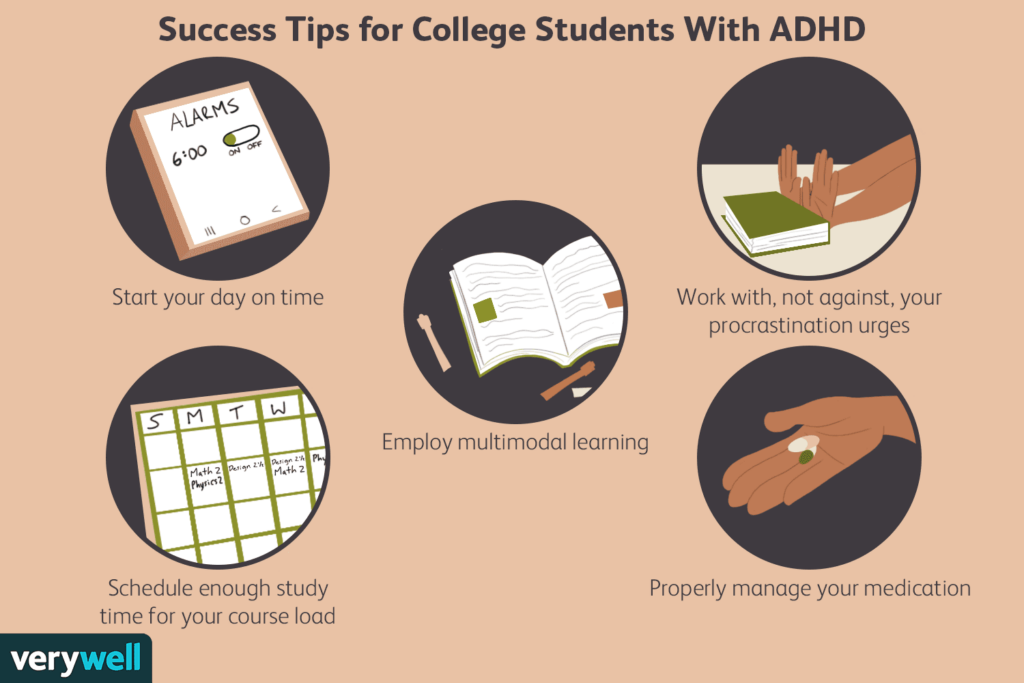
Stimulant medications are commonly prescribed for the management of ADHD symptoms. These medications work by increasing the levels of certain neurotransmitters in the brain, which can improve attention, hyperactivity, and impulsivity. Commonly prescribed stimulant medications include methylphenidate (e.g., Ritalin) and amphetamine (e.g., Adderall). They come in different forms, such as immediate-release and extended-release, providing options to suit individual needs. Stimulant medications can be highly effective in reducing ADHD symptoms, but their use should be carefully monitored and adjusted by a healthcare professional.
Non-stimulant medications
In cases where stimulant medications are not suitable or well-tolerated, non-stimulant medications may be prescribed. These medications work differently than stimulants, targeting different neurotransmitters in the brain. Non-stimulant medications used for ADHD management include atomoxetine (e.g., Strattera), guanfacine (e.g., Intuniv), and clonidine (e.g., Kapvay). While non-stimulant medications may not be as effective in addressing all ADHD symptoms, they can still provide relief and improve overall functioning. It is important to discuss the potential benefits and side effects of these medications with a healthcare professional.
Side effects and considerations
Like any medication, ADHD medications can have side effects. Stimulant medications may cause appetite suppression, sleeping difficulties, and mood changes. Non-stimulant medications may lead to drowsiness, dizziness, or changes in blood pressure. However, these side effects can be managed by adjusting the dosage or trying different medications. It is crucial to communicate openly with a healthcare professional about any side effects or concerns, as they can provide guidance and support throughout the medication management process.
Behavioral Therapy for ADHD
Cognitive-behavioral therapy
Cognitive-behavioral therapy (CBT) is a commonly used approach for managing ADHD symptoms. It focuses on identifying and changing unhealthy thinking patterns and behaviors that contribute to ADHD-related difficulties. CBT techniques can help individuals with ADHD develop strategies to improve focus, manage impulsivity, and enhance problem-solving skills. Additionally, CBT can address co-occurring conditions, such as anxiety or depression, which often accompany ADHD.
Parenting and behavior management training
Parenting and behavior management training can be highly beneficial for parents of children with ADHD. These programs provide parents with strategies and techniques to positively manage their child’s behavior and create a structured and supportive environment. Techniques may involve setting clear expectations, implementing consistent consequences, and using rewards and reinforcements to encourage desired behaviors. With proper training and support, parents can enhance their child’s self-regulation skills and reduce disruptive behaviors.
School-based interventions
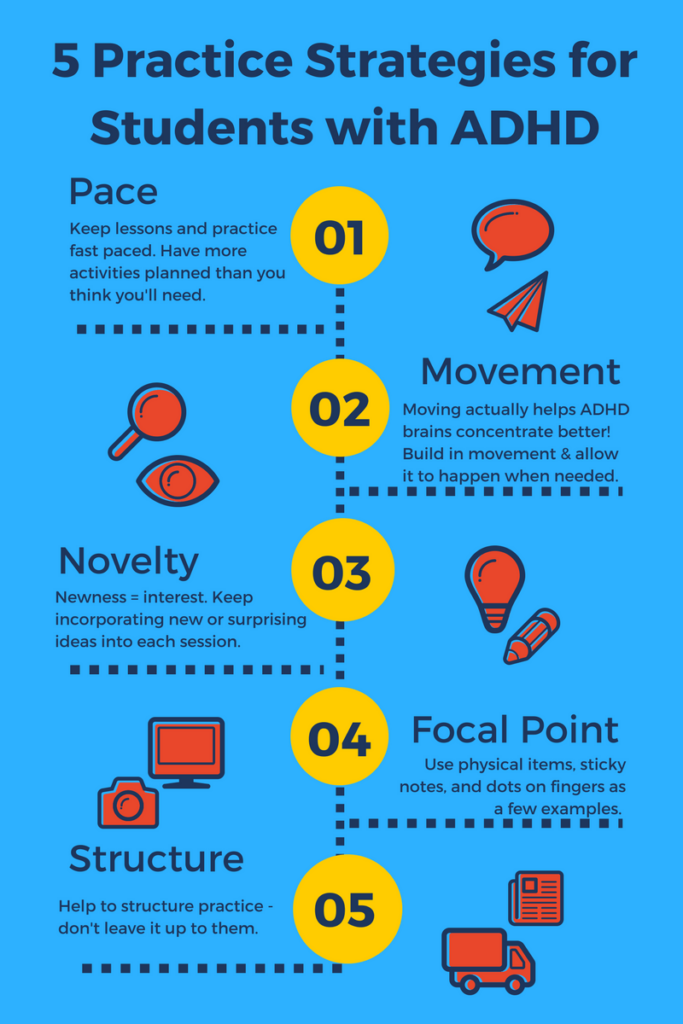
School-based interventions play a crucial role in supporting children with ADHD in an educational setting. These interventions involve collaboration between educators, school psychologists, and other professionals to create individualized education plans (IEPs) or 504 plans for students with ADHD. These plans may include accommodations, such as extended time for assignments, preferential seating, or additional support in the classroom. Additionally, providing educational strategies, such as organizational skills training and study skills coaching, can help students with ADHD thrive academically.

Managing Time and Organization
Creating schedules and routines
Creating schedules and routines is key to managing time and organization for individuals with ADHD. Establishing a consistent daily routine can help reduce the feeling of being overwhelmed and provide a sense of structure. Breaking tasks into smaller, manageable steps and assigning specific time slots for each activity can make tasks more achievable. Visual tools, such as calendars or task boards, can serve as helpful reminders and assist in keeping track of deadlines and commitments.
Using calendars and planners
Calendars and planners are invaluable tools for individuals with ADHD to stay organized. By recording important dates, appointments, and deadlines, individuals can effectively manage their time and prioritize tasks. It is important to opt for a calendar or planner system that suits personal preferences and needs. Some may prefer electronic calendars or smartphone apps, while others may prefer traditional paper planners. Experimenting with different systems can help determine the most effective method for staying organized.
Prioritizing tasks
Prioritization is essential when managing time and organization with ADHD. Breaking down tasks into urgent, important, and non-urgent categories can help individuals focus on what needs to be done first. It is important to consider deadlines, level of importance, and the estimated time required for each task. By prioritizing tasks, individuals can avoid feeling overwhelmed and tackle responsibilities in a structured and manageable manner.
Improving Study Skills
Creating a suitable study environment
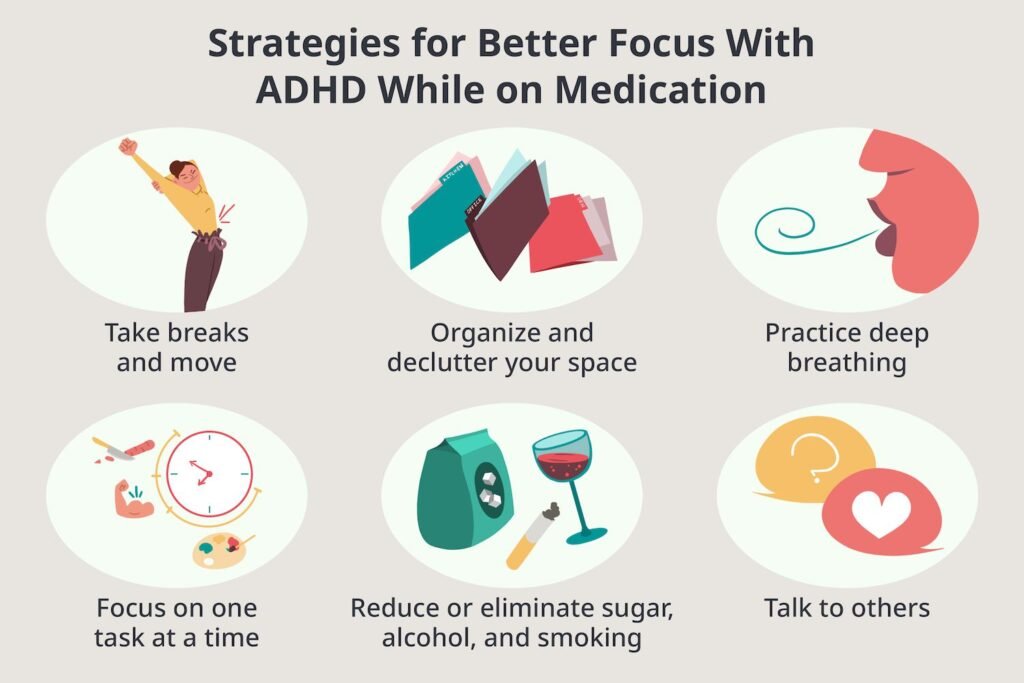
Creating a suitable study environment is crucial for individuals with ADHD to maximize their focus and productivity. A quiet and well-organized space free from distractions, such as noise or clutter, is ideal. Eliminating unnecessary visual or auditory distractions, using noise-canceling headphones, and implementing a regular study routine can help create an environment conducive to learning.
Breaking tasks into smaller parts
Large tasks can feel overwhelming for individuals with ADHD, making it difficult to start or complete them. Breaking tasks into smaller, more manageable parts can provide a sense of progress and achievement. By focusing on one task at a time, individuals can build momentum and overcome the sense of being overwhelmed. Utilizing task lists or checklists can be helpful in outlining the smaller steps required for completing larger tasks.
Utilizing study techniques
Different study techniques can be highly beneficial for individuals with ADHD. Techniques such as chunking information into smaller, organized segments, using mnemonic devices or acronyms to remember key concepts, and practicing active recall through self-testing can enhance learning and retention. Experimenting with different study techniques and finding what works best for each individual can significantly improve academic performance.
Developing Social Skills
Empathy and perspective-taking
Developing empathy and perspective-taking skills can enhance social interactions for individuals with ADHD. Empathy involves understanding and sharing the feelings of others, while perspective-taking involves seeing a situation from another person’s point of view. Practicing empathy and perspective-taking can improve communication, help manage conflicts, and strengthen interpersonal relationships. Engaging in activities that promote empathy, such as volunteering or participating in group discussions, can be beneficial.
Active listening and communication
Active listening and effective communication skills are essential in developing strong social skills. Active listening involves fully focusing on and understanding what others are saying without interrupting or being distracted. It is important to maintain eye contact, nod or provide verbal affirmations, and ask clarifying questions to ensure comprehension. Communicating clearly, using appropriate gestures and body language, and being respectful and considerate in conversations are vital in fostering positive social connections.
Conflict resolution
Conflict resolution skills are crucial for individuals with ADHD to navigate interpersonal conflicts successfully. Learning to manage disagreements, negotiate compromises, and express emotions in a healthy manner can help maintain positive relationships. Conflict resolution techniques, such as active listening, assertive communication, and seeking mutually beneficial solutions, can be learned through therapy, counseling, or participating in conflict resolution workshops.
Physical Exercise and ADHD
Role of exercise in managing ADHD
Regular physical exercise has been shown to have numerous benefits in managing ADHD symptoms. Exercise increases the production of neurotransmitters, such as dopamine and norepinephrine, which are often dysregulated in individuals with ADHD. This, in turn, can improve attention, impulse control, and overall mood. Exercise also provides an outlet for excess energy and can reduce hyperactivity. Engaging in physical activities has been associated with improved executive functioning, academic performance, and overall well-being for individuals with ADHD.
Recommended types of exercise
Various types of exercise can be beneficial for individuals with ADHD. Aerobic exercises, such as running, swimming, or cycling, have been shown to have positive effects on attention and impulse control. Strengthening exercises, such as weightlifting or yoga, can improve body awareness and increase self-regulation. Sports activities, such as soccer or basketball, can provide an opportunity for social interaction and improve coordination. The key is to find activities that are enjoyable and sustainable, as consistency is important to reap the benefits of exercise.
Incorporating exercise into daily routine
Incorporating exercise into the daily routine can be challenging, but it is worth the effort. Setting realistic goals and committing to regular physical activity can help establish a routine. Finding activities that can be integrated into daily life, such as taking the stairs instead of the elevator or going for a walk during lunch breaks, can make exercise more accessible. Working with a personal trainer, joining a fitness class, or participating in team sports can provide additional motivation and accountability.
Diet and Nutrition for ADHD
Importance of a balanced diet
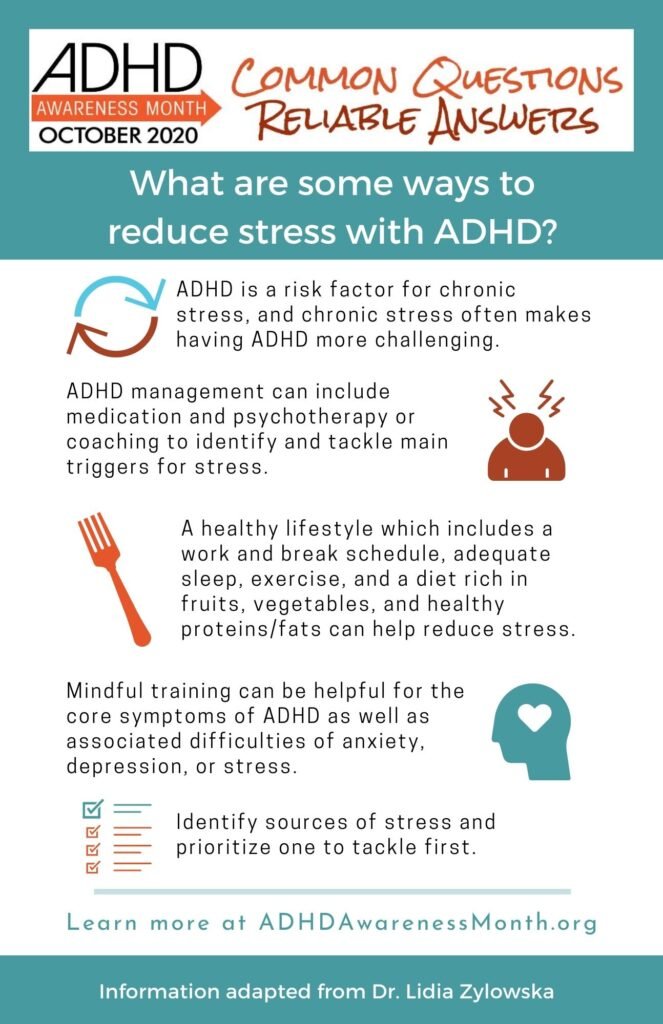
Maintaining a balanced diet is important for individuals with ADHD as it can impact overall health and well-being. Eating a variety of nutrient-rich foods, including fruits, vegetables, whole grains, lean proteins, and healthy fats, provides essential vitamins, minerals, and antioxidants that support brain function. Good nutrition can help stabilize moods, enhance concentration, and improve energy levels. Avoiding excessive consumption of sugary snacks, processed foods, and caffeine can also help reduce hyperactivity and impulsivity.
Foods to include and avoid
While there is no specific “ADHD diet,” certain foods may provide additional benefits. Foods rich in omega-3 fatty acids, such as fatty fish (salmon, mackerel) or walnuts, have been associated with improved focus and cognitive function. Including foods containing adequate protein, such as lean meats, eggs, or beans, can help stabilize blood sugar levels and sustain energy throughout the day. On the other hand, it is important to avoid or minimize the intake of foods with artificial additives, artificial colors, or high amounts of refined sugars, as they may exacerbate ADHD symptoms in some individuals.
Supplements and alternative treatments
Supplements and alternative treatments for ADHD should be approached with caution and discussed with a healthcare professional. While some individuals may find certain supplements, such as omega-3 fatty acids or certain vitamins, beneficial, there is limited scientific evidence to support their efficacy. It is important to ensure the safety and quality of any supplements and to follow the recommended dosage guidelines. Alternative treatments, such as herbal remedies or acupuncture, should also be discussed with a healthcare professional to determine their potential benefits and risks for individuals with ADHD.
Alternate Therapies for ADHD
Mindfulness and meditation
Mindfulness and meditation practices can be valuable tools for individuals with ADHD to improve attention, self-awareness, and emotional regulation. Mindfulness involves paying attention to the present moment with an attitude of openness and acceptance. Meditation practices, such as focused breathing or body scan exercises, can help individuals with ADHD develop a greater sense of calm and reduce impulsivity. Incorporating mindfulness and meditation into daily routines can promote overall well-being and reduce stress.
Yoga and relaxation techniques
Yoga and relaxation techniques can provide physical and mental benefits for individuals with ADHD. Yoga combines physical postures, controlled breathing, and mindfulness, promoting body awareness and relaxation. Engaging in yoga classes or following guided yoga sessions can help individuals improve flexibility, reduce anxiety, and enhance self-regulation. Relaxation techniques, such as deep breathing exercises or progressive muscle relaxation, can also be beneficial in managing stress and promoting a sense of calm.
Biofeedback and neurofeedback
Biofeedback and neurofeedback are alternative therapies that aim to train individuals to control certain physiological processes. Biofeedback involves using sensors and monitoring devices to provide real-time feedback on measures such as heart rate or muscle tension. Neurofeedback, on the other hand, utilizes electrodes placed on the scalp to provide feedback on brainwave activity. These therapies can help individuals with ADHD learn self-regulation techniques by gaining awareness and control over their physiological responses. Working with trained professionals is essential to ensure the safety and effectiveness of these therapies.
Understanding ADHD is essential for individuals with the condition and their loved ones. By recognizing the symptoms, consulting healthcare professionals, and exploring various treatment options, individuals with ADHD can effectively manage their symptoms and improve their overall quality of life. From medication to therapy, behavioral strategies, lifestyle modifications, and alternative therapies, there is a wide range of approaches available to support individuals with ADHD in reaching their full potential. With proper support, understanding, and appropriate interventions, individuals with ADHD can thrive and succeed in various aspects of life.
Watch This Video Below
Related Terms About Effective Strategies for Managing ADHD
Organizational Strategies For Adhd Students, Strategies For Adhd, Strategies For Adhd At Home, Strategies For Adhd At Work, Strategies For Adhd Students, Strategies For Dealing With Adhd And Odd, Strategies For Dealing With Adhd Child, Strategies For Dealing With Adhd Students, Strategies For Dealing With Students With Adhd, Strategies For Managing Adhd