
Living with Avoidant Personality Disorder can be challenging, but with the right strategies, managing this condition is possible. This article explores effective techniques that can help you navigate your daily life, enhance your relationships, and improve your overall well-being. From cognitive-behavioral therapy to self-care practices, discover empowering ways to overcome avoidance behaviors and foster a more fulfilling life.
Understanding Avoidant Personality Disorder
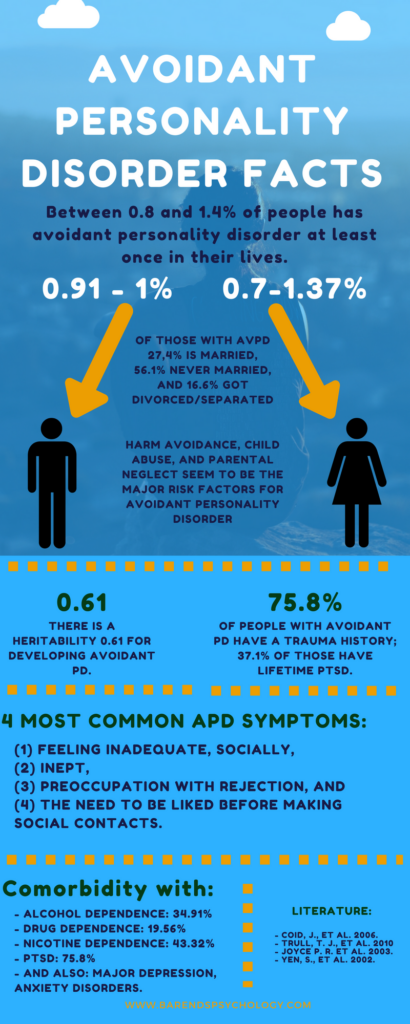
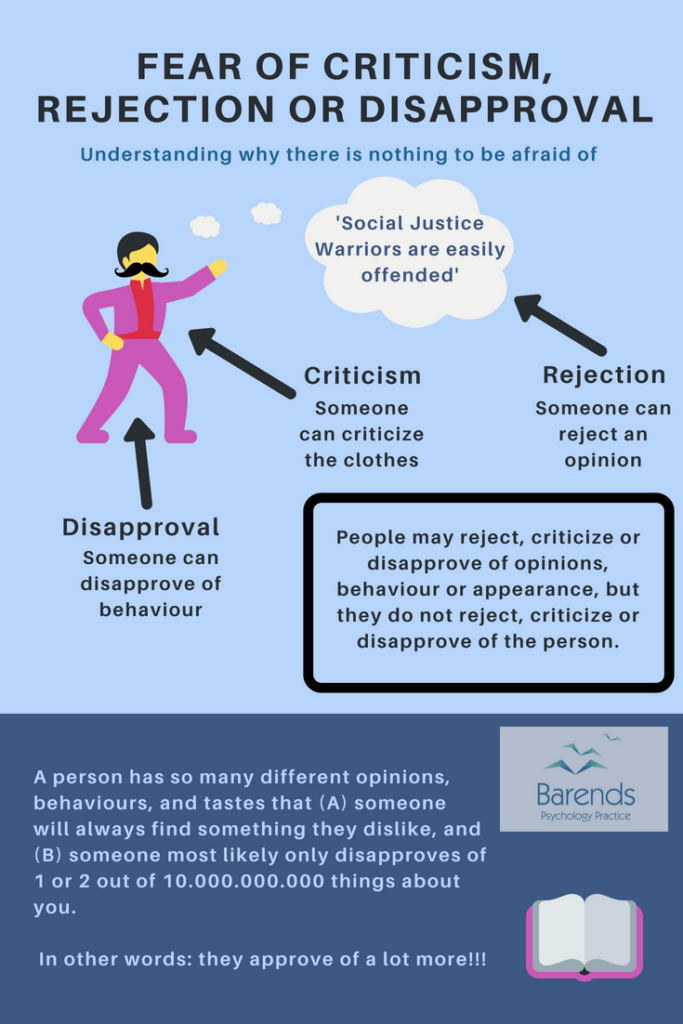
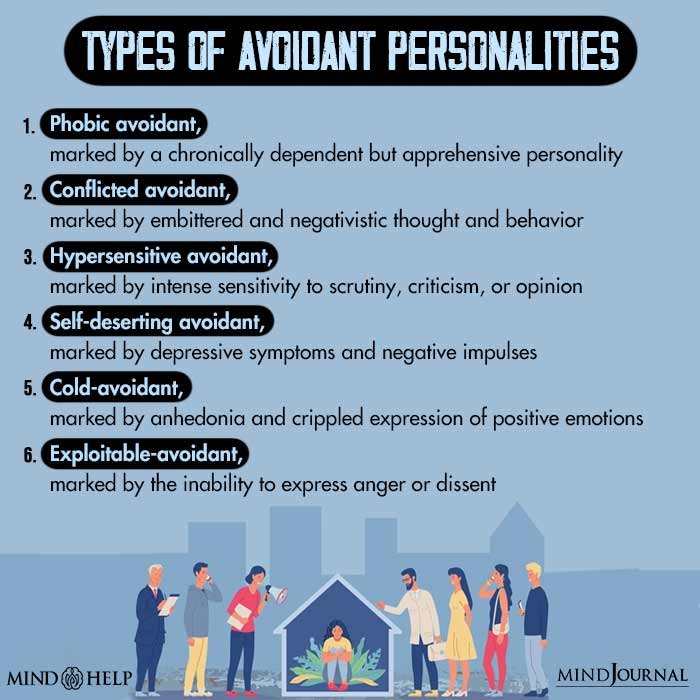
If you or someone you know tends to avoid social interactions out of fear of rejection, criticism, or embarrassment, it may be a sign of Avoidant Personality Disorder (AVPD). AVPD is a mental health condition characterized by extreme shyness, low self-esteem, and an overwhelming fear of being judged negatively by others. It can significantly impact one’s ability to form and maintain relationships, pursue opportunities, and enjoy a fulfilling life. However, with proper understanding and support, it is possible to manage and improve the symptoms of AVPD.
Identifying Symptoms of Avoidant Personality Disorder
Recognizing the symptoms of AVPD is crucial in seeking professional help and support. Some common signs of AVPD include persistent feelings of inadequacy, hypersensitivity to criticism or rejection, reluctance to engage in social activities, extreme self-consciousness, avoidance of interpersonal relationships, fear of humiliation, and a tendency to underestimate one’s abilities. While everyone may experience some of these feelings occasionally, individuals with avoidant traits will consistently exhibit these symptoms, causing distress and interfering with their daily functioning.
Diagnosis and Treatment Options
Diagnosing Avoidant Personality Disorder requires a comprehensive evaluation by a mental health professional, such as a psychiatrist or psychologist. The assessment typically includes a detailed review of symptoms, personal history, and any past traumas or social difficulties. It is essential to rule out other conditions that may present with similar symptoms, such as social anxiety disorder or depression. Once diagnosed, a suitable treatment plan can be developed, tailored to the needs of the individual.
Psychotherapy for Avoidant Personality Disorder
Psychotherapy, also known as talk therapy, is considered the most effective treatment for Avoidant Personality Disorder. This form of therapy involves working with a trained therapist to explore and address the underlying issues contributing to AVPD. Several approaches can prove beneficial in providing support and guidance to individuals with AVPD, including Cognitive-Behavioral Therapy (CBT), Exposure Therapy, Social Skills Training, and Supportive Therapy.
Cognitive-Behavioral Therapy (CBT)
CBT is a widely used therapeutic approach that focuses on identifying and changing negative thought patterns and behaviors. In the case of AVPD, CBT can help individuals challenge their belief systems regarding rejection, criticism, and self-worth. By learning new coping strategies, individuals can gradually build self-confidence and reduce avoidance behaviors. CBT often involves homework assignments, role-playing exercises, and practical techniques to improve social interactions.
Exposure Therapy
Exposure therapy aims to reduce the fear and anxiety associated with specific situations by gradually exposing individuals to those situations. In the context of AVPD, exposure therapy may involve gradually increasing social interactions in a controlled and supportive environment. This can help individuals confront their fears and challenge the belief that they will always be judged negatively. Over time, exposure therapy can lead to increased comfort and confidence in social settings.
Social Skills Training
Many individuals with AVPD struggle with social interactions due to a lack of essential social skills. Social skills training can help individuals develop and enhance these skills, such as active listening, effective communication, assertiveness, and conflict resolution. By learning and practicing these skills, individuals can improve their confidence in social situations and increase their chances of forming meaningful relationships.
Supportive Therapy
Supportive therapy focuses on building a trusting and compassionate therapeutic relationship. It provides individuals with a safe space to express their fears, concerns, and frustrations without facing judgment or rejection. In supportive therapy, the therapist offers empathy, validation, and encouragement, aiming to enhance self-esteem and reduce feelings of loneliness. This approach can be particularly beneficial for individuals with AVPD, as it helps them build trust and develop more positive perceptions of themselves and others.
Medication Options
While psychotherapy is the primary treatment for Avoidant Personality Disorder, medication may be considered in certain cases. Medications such as selective serotonin reuptake inhibitors (SSRIs) or serotonin-norepinephrine reuptake inhibitors (SNRIs) are commonly prescribed to help manage symptoms of anxiety and depression that often coexist with AVPD. However, medication alone is not usually sufficient to address the core symptoms of AVPD and is often used in conjunction with psychotherapy for the best outcomes.
Building and Maintaining Supportive Relationships
One of the significant challenges for individuals with AVPD is forming and maintaining supportive relationships. However, with time and effort, it is possible to cultivate meaningful connections. Here are some strategies that can help:
- Practice self-compassion: Cultivate a compassionate attitude towards yourself and acknowledge that everyone makes mistakes and faces challenges. Treat yourself with kindness and understanding.
- Start small: Begin by engaging in low-pressure social activities that you enjoy, such as joining a book club or volunteering. Gradually expose yourself to more significant social challenges as you build confidence.
- Seek support: Lean on friends, family, or support groups who understand and accept you. Surrounding yourself with understanding and supportive individuals can provide a sense of belonging and validation.
- Set realistic expectations: Avoid putting excessive pressure on yourself or expecting perfection in social situations. Accept that not every interaction will go perfectly, and it is okay to make mistakes and learn from them.
- Practice active listening: Engage in attentive listening when interacting with others. Show genuine interest and empathy, and allow the conversation to flow naturally.
- Celebrate progress: Acknowledge and celebrate your achievements, no matter how small. Each step towards overcoming avoidance and building relationships is significant, and recognizing your growth can motivate further progress.
Remember, managing Avoidant Personality Disorder is a journey, and everyone’s path is unique. With professional help, support, and self-care, it is possible to lead a fulfilling life, develop meaningful connections, and gain confidence in navigating social interactions. Reach out to mental health professionals for guidance, and never hesitate to ask for support whenever you need it. You are not alone, and there is hope for a brighter future.
