
Navigating Relationships with Avoidant Personality Disorder can be a challenging endeavor, but with a little understanding and patience, you can foster healthy connections. This article delves into the complexities of Avoidant Personality Disorder, providing insights and strategies for both individuals with the disorder and their loved ones. By shedding light on the unique challenges faced by those with Avoidant Personality Disorder, this piece aims to promote empathy and support in navigating relationships with grace and understanding.

Understanding Avoidant Personality Disorder
Definition of Avoidant Personality Disorder
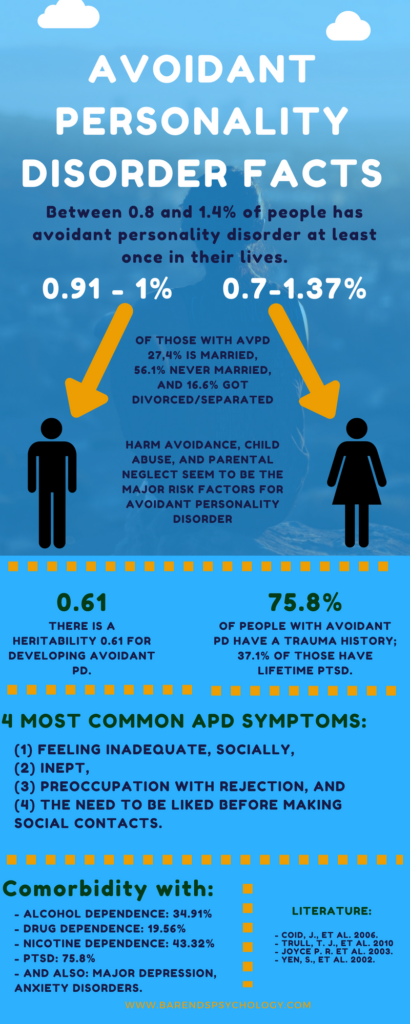
Avoidant Personality Disorder (AvPD) is a mental health condition characterized by a pervasive pattern of social inhibition, feelings of inadequacy, and an overwhelming fear of rejection or criticism. Individuals with AvPD tend to avoid social interactions and intimate relationships, often choosing isolation as a means of protecting themselves from potential rejection and humiliation. This disorder typically begins in early adulthood and can significantly impact various aspects of an individual’s life, including work, friendships, and romantic relationships.
Symptoms of Avoidant Personality Disorder
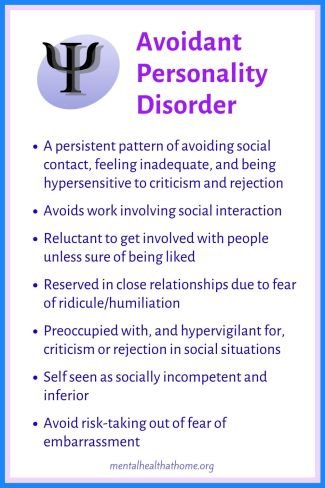
People with AvPD often experience a range of symptoms that affect their social interactions and overall well-being. Some common symptoms include:
-
Persistent fear of criticism or rejection: Individuals with AvPD have an intense fear of being negatively judged, criticized, or rejected by others. This fear can be so overwhelming that they may avoid situations or people that could potentially trigger these feelings.
-
Avoidance of social situations: People with AvPD often go to great lengths to avoid social situations where they may need to interact with others. They may actively avoid parties, gatherings, or any activity that involves meeting new people or being in a group setting.
-
Feelings of inadequacy and low self-esteem: Individuals with AvPD often have a deep-seated belief that they are inherently inadequate or inferior to others. This can lead to low self-esteem, feelings of unworthiness, and a sense of being fundamentally flawed.
-
Isolation and withdrawal: Due to the fear of rejection and criticism, individuals with AvPD may choose to isolate themselves from others. They may prefer solitude and spend a significant amount of time alone, avoiding social contacts and relationships altogether.
-
Hypersensitivity to criticism or rejection: Even perceived or minor criticism can have a profound impact on individuals with AvPD. They may interpret criticism as confirmation of their unworthiness, leading to feelings of shame, embarrassment, and further reinforcing their avoidance behaviors.
Challenges in Relationships with Avoidant Personality Disorder
Fear of Rejection and Intimacy
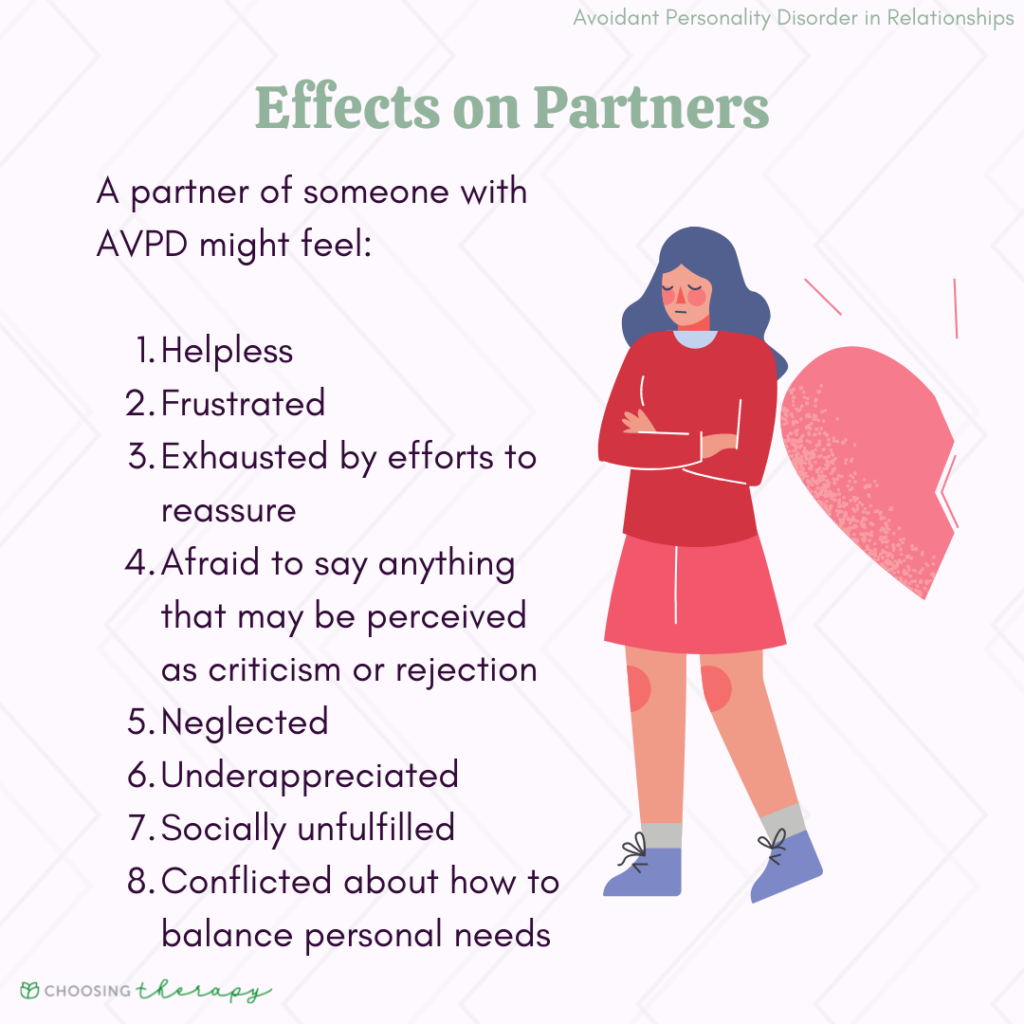
One of the primary challenges in relationships with individuals with AvPD is their fear of rejection and intimacy. This fear can make it difficult for them to open up emotionally and form deep connections with their partners. They may constantly worry about being judged or abandoned, leading them to withdraw from intimacy and potential opportunities for closeness.
Difficulty in Expressing Emotions
Individuals with AvPD often struggle with expressing their emotions. They may feel uncomfortable showing vulnerability or sharing their true feelings, fearing that they will be met with rejection or criticism. Consequently, their partners may find it challenging to understand and connect with them on an emotional level, as their emotions are often tightly guarded.
Avoidance of Conflict
Conflict can be particularly distressing for individuals with AvPD. They may have a strong aversion to conflict and will go out of their way to avoid it at all costs. This avoidance can create challenges in relationships, as conflicts that arise are left unresolved or simmer beneath the surface. As a result, resentment and frustration may build over time, impacting the overall health of the relationship.
Building Trust and Security
Recognizing Boundaries and Communication Styles
In relationships with individuals with AvPD, it is crucial to recognize and respect their boundaries and communication styles. Understand that they may need more time and space to process their emotions or make decisions. By being patient and allowing them this space, you can help create an environment that feels safe and non-threatening to them.
Creating a Safe and Supportive Environment
Building trust and security is essential for individuals with AvPD. Creating a safe and supportive environment involves fostering open and nonjudgmental communication, validating their feelings and experiences, and actively demonstrating empathy and understanding. Consistently showing up as a reliable and supportive partner can help alleviate their fears and insecurities.
Consistent and Reliable Interactions
Consistency and reliability are key factors in building trust with individuals with AvPD. It is important to be dependable and follow through on commitments, as this helps to establish a sense of security and predictability. Avoiding sudden changes or surprises can also help alleviate anxiety and minimize feelings of uncertainty.
Coping Strategies for Partners of Someone with Avoidant Personality Disorder
Educating Yourself about the Disorder
One of the most effective coping strategies for partners of individuals with AvPD is to educate yourself about the disorder. Understanding the symptoms, triggers, and challenges associated with AvPD can help you develop empathy and provide better support. By becoming knowledgeable about AvPD, you can also recognize that certain behaviors or responses are not personal, but rather a result of the disorder.
Practicing Empathy and Patience
Empathy and patience are invaluable when in a relationship with someone with AvPD. Acknowledge and validate their fears and insecurities, and try to understand the motivations behind their avoidance behaviors. Avoid judgment or criticism, and instead, offer support and reassurance. Practice patience by giving them the time and space they need to feel comfortable and open up.
Seeking Professional Support
Navigating a relationship with someone with AvPD can be challenging, and seeking professional support can be highly beneficial for both partners. Individual therapy for the person with AvPD can help them address their fears and develop healthier coping mechanisms. Couples therapy can also provide a safe space for open communication and help both partners navigate the unique challenges of the relationship.
Self-Care for Individuals with Avoidant Personality Disorder
Prioritizing Emotional Well-being
Self-care is crucial for individuals with AvPD. Prioritizing emotional well-being involves engaging in activities that promote relaxation, self-reflection, and self-compassion. This can include practicing mindfulness, engaging in hobbies or activities that bring joy, and surrounding oneself with a supportive network of friends and loved ones.
Developing Healthy Coping Mechanisms
Developing healthy coping mechanisms is essential for managing the symptoms of AvPD. This can include practicing stress-reduction techniques such as deep breathing exercises or engaging in regular physical activity. Seeking professional support from a therapist who specializes in AvPD can also help individuals learn adaptive strategies for managing anxiety and navigating social interactions.
Engaging in Therapy and Support Groups
Therapy, particularly cognitive-behavioral therapy (CBT), can be highly effective in treating AvPD. In therapy, individuals can explore the underlying beliefs and thought patterns that contribute to their avoidance behaviors. Additionally, participating in support groups with others who have AvPD can provide a sense of community and understanding, offering a space to share experiences, learn coping strategies, and offer mutual support.
Improving Intimacy and Connection
Open and Honest Communication
Improving intimacy and connection starts with open and honest communication. Creating a space where both partners feel safe and comfortable expressing their thoughts and emotions is vital. Encourage dialogue about fears and insecurities, and actively listen without judgment. By openly discussing desires and needs, partners can work together to find ways to build intimacy and connection that feel safe and fulfilling for both.
Building Emotional Intimacy Gradually
For individuals with AvPD, building emotional intimacy can be a gradual process. It is important to be patient and understanding, allowing them to open up at their own pace. Establishing a foundation of trust and security is crucial before moving towards deeper emotional connections. By taking small, manageable steps towards vulnerability, individuals can gradually expand their comfort zone and build emotional intimacy with their partner.
Exploring Shared Interests and Activities
Shared interests and activities can be a bridge to intimacy and connection for individuals with AvPD. Finding common ground and engaging in enjoyable activities together can help create positive shared experiences. This can range from simple activities like going for walks or cooking together to more significant experiences like traveling or pursuing mutual hobbies. By focusing on shared interests, individuals can cultivate a sense of belonging and deepen their connection.

Working through Fear of Rejection
Identifying and Challenging Negative Thought Patterns
Fear of rejection often stems from negative thought patterns and beliefs about oneself. It is essential to help individuals with AvPD identify and challenge these negative thoughts. Encourage them to reflect on their self-perception and question the validity of their self-critical beliefs. By replacing negative thoughts with more realistic and positive ones, they can gradually work towards overcoming their fear of rejection.
Gradual Exposure to Rejection
Gradual exposure to rejection can help individuals with AvPD build resilience and confront their fear. Encourage them to engage in situations that involve a minimal risk of rejection and gradually increase exposure as they become more comfortable. This incremental approach allows individuals to build confidence and challenge their avoidance behaviors in a controlled and supportive environment.
Building Self-Esteem and Confidence
Building self-esteem and confidence is a crucial step in managing the fear of rejection. Encourage individuals with AvPD to engage in activities that promote personal growth and accomplishment. Celebrate their achievements, no matter how small, and remind them of their strengths. By nurturing self-esteem, individuals can develop a more positive self-perception, which can help counteract their fear of rejection.
Managing Avoidance of Conflict
Recognizing Avoidant Behavior Patterns
Managing avoidance of conflict starts with recognizing and understanding avoidant behavior patterns. Encourage individuals with AvPD to reflect on their patterns of avoidance and examine their motivations and fears related to conflict. By becoming aware of these patterns, individuals can take proactive steps towards addressing and managing their avoidance behaviors.
Using Assertiveness Techniques
Developing assertiveness skills can be beneficial in managing conflict avoidance. Individuals with AvPD can learn techniques to express their needs and concerns in a clear and respectful manner. Encourage them to practice assertiveness in low-risk situations and offer support and feedback as they work towards assertive communication. By developing these skills, they can navigate conflicts while maintaining healthy boundaries and promoting understanding.
Seeking Couples Therapy
If conflicts persist and avoidance becomes a significant challenge in the relationship, couples therapy can be a valuable resource. Couples therapy provides a safe and neutral space to explore and address underlying issues. A trained therapist can help couples improve communication, develop conflict resolution strategies, and promote understanding and empathy between partners.
Addressing Emotional Expression Challenges
Exploring Alternative Means of Expression
Individuals with AvPD often struggle with expressing their emotions directly. Encourage them to explore alternative means of expression, such as creative outlets like writing, painting, or music. Engaging in these activities can provide a non-threatening way to process and express emotions, allowing for a deeper understanding and connection with themselves and their partners.
Encouraging Emotional Vulnerability
Encouraging emotional vulnerability is essential for individuals with AvPD. Partners can create a safe and accepting environment that promotes vulnerability by actively listening, validating emotions, and demonstrating empathy. By openly sharing their own emotions and experiences, partners can encourage individuals with AvPD to slowly open up and express their own feelings in return.
Supporting Emotional Regulation
Individuals with AvPD can benefit from support in developing healthy emotional regulation skills. Encourage the use of relaxation techniques, such as deep breathing or meditation, to manage feelings of anxiety or overwhelm. Help them identify triggers and develop coping strategies to navigate emotional situations. By offering support and understanding, partners can contribute to the emotional well-being of individuals with AvPD.
Seeking Professional Help
Individual Therapy for Avoidant Personality Disorder
Individual therapy, particularly cognitive-behavioral therapy (CBT), can be highly effective in treating AvPD. A therapist can provide guidance and support in challenging avoidance behaviors and negative thought patterns, as well as help individuals develop healthier coping strategies. Therapy can also help individuals process past experiences and build resilience, leading to greater overall well-being.
Couples Therapy for Relationship Challenges
Couples therapy can be an invaluable resource for couples dealing with the challenges of AvPD. A trained therapist can facilitate open communication, provide tools for conflict resolution, and support both partners in understanding and empathizing with each other’s experiences. Couples therapy can strengthen the bond between partners and help navigate the unique dynamics and struggles associated with AvPD.
Support Groups for Peer Guidance
Support groups can provide a sense of community and understanding for individuals with AvPD and their partners. It can be reassuring to connect with others who share similar experiences and challenges. Support groups offer a space to share insights, exchange coping strategies, and receive guidance and understanding from peers who have firsthand knowledge of AvPD.
In conclusion, relationships with individuals with Avoidant Personality Disorder can present unique challenges. However, with empathy, patience, and a commitment to understanding, it is indeed possible for both partners to build a fulfilling and supportive relationship. By recognizing and addressing the core symptoms and challenges associated with AvPD, individuals can develop healthy coping mechanisms, foster emotional intimacy, and support each other’s growth and well-being. Seeking professional help, both individually and as a couple, can provide valuable support and guidance throughout the journey. Remember, navigating a relationship with AvPD requires effort and understanding, but it can also lead to a deep and fulfilling connection.