
Have you been experiencing discomfort and pain in your hip? If so, there’s good news – an effective treatment for irritable hip has been discovered! Irritable hip, also known as transient synovitis, is a common condition that affects children between the ages of 3 and 10. It typically causes pain, stiffness, and limited movement in the hip joint. But now, medical researchers have developed a treatment plan that has shown promising results in alleviating the symptoms and providing relief. In this article, we will explore this new treatment option and how it can help those suffering from irritable hip regain their mobility and live a pain-free life.
Understanding Irritable Hip
What is Irritable Hip?
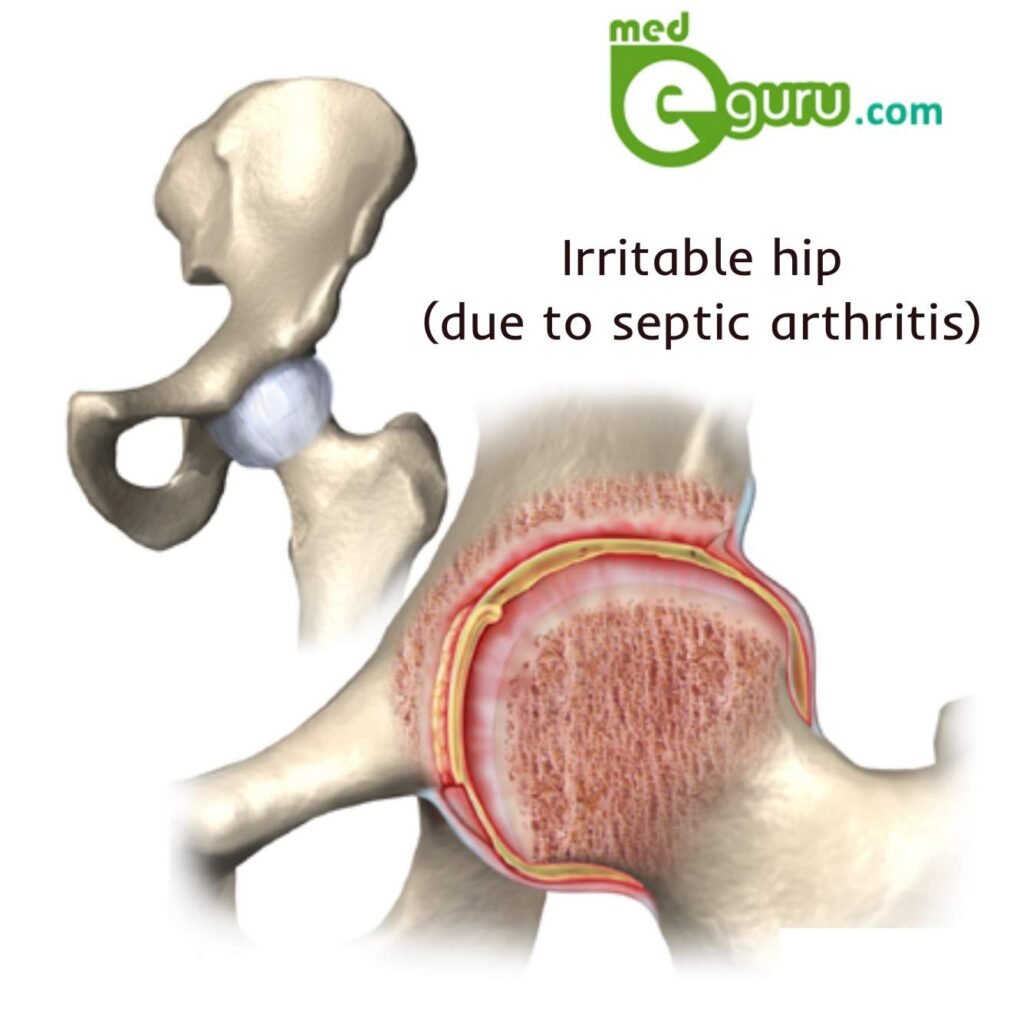
Irritable Hip, also known as Transient Synovitis, is a common condition that affects children between the ages of 3 and 10. It is characterized by hip pain, limping, and restricted movement. Despite its name, irritable hip doesn’t cause any permanent damage to the hip joint. The pain is usually caused by inflammation of the synovial membrane, which lines the inner surface of the hip joint.
Causes of Irritable Hip
The exact cause of irritable hip is still unknown. However, it is often believed to be a result of a viral infection that causes inflammation in the hip joint. Some theories suggest that certain viral infections trigger an immune response, leading to the production of antibodies that attack the synovial membrane. This ultimately leads to the inflammation, pain, and other symptoms associated with irritable hip.
Symptoms of Irritable Hip
The most common symptom of irritable hip is pain in the hip joint, which can be accompanied by limping or difficulty in walking. The pain may also radiate to the thigh or knee. Children with irritable hip might avoid putting weight on the affected leg and may experience stiffness or decreased range of motion in the hip joint. In some cases, children may also have a low-grade fever.
Diagnosing Irritable Hip
Medical History and Physical Examination
To diagnose irritable hip, your doctor will begin by taking a detailed medical history, asking about your child’s symptoms and any recent illnesses. A physical examination will also be conducted to assess the range of motion of the hip joint and to check for any signs of inflammation or tenderness. The doctor may also perform other tests to rule out other possible causes of hip pain, such as an infection or structural abnormalities.
Imaging and Laboratory Tests
Imaging tests, such as X-rays or ultrasound, may be ordered to evaluate the hip joint and rule out other conditions. X-rays can help identify any fractures or abnormalities in the bone, while ultrasound can provide a detailed view of the soft tissues and synovial membrane. Additionally, laboratory tests, such as blood tests, may be conducted to check for signs of infection or inflammation.
Conservative Treatment Options
Rest and Activity Modification
One of the primary treatment approaches for irritable hip is rest and activity modification. Resting and avoiding activities that aggravate the symptoms can help reduce inflammation and relieve pain. Your doctor may advise limiting weight-bearing activities or using crutches for a brief period to allow the hip joint to heal.
Pain Relief Medications
Over-the-counter pain medications, such as acetaminophen or ibuprofen, can be used to relieve pain and reduce inflammation in the hip joint. Your doctor may recommend the appropriate dosage based on your child’s age and weight. It is important to follow the recommended dosage and consult with a healthcare professional before giving any medication to your child.
Physical Therapy
Physical therapy can play a crucial role in the management of irritable hip. A qualified physical therapist can design a personalized exercise program to strengthen the muscles around the hip joint and improve flexibility. They may also use techniques such as heat or cold therapy, massage, or electrical stimulation to help alleviate pain and promote healing.
Alternative Therapies
Acupuncture
Acupuncture is an alternative therapy that involves the insertion of thin needles into specific points on the body. It is believed to help restore the balance of energy and promote healing. Some studies suggest that acupuncture may be beneficial in managing pain and inflammation associated with irritable hip. However, more research is needed to fully understand its effectiveness in treating this condition.
Chiropractic Care
Chiropractic care focuses on the diagnosis and treatment of musculoskeletal disorders, including hip pain. Chiropractors use manual adjustments and other techniques to improve joint function and reduce pain. While there may be anecdotal evidence of the effectiveness of chiropractic care in treating irritable hip, scientific studies are limited. It is essential to consult with a qualified chiropractor before considering this treatment option for your child.
Supplemental Therapies
Certain supplemental therapies, such as herbal remedies or dietary supplements, are often suggested as alternative treatment options for irritable hip. However, it is crucial to approach these therapies with caution and consult with a healthcare professional before using them, especially in children. The safety and effectiveness of these therapies are not well-established, and they may interact with other medications or cause adverse reactions.
Surgical Treatment Options
Indications for Surgery
In most cases, irritable hip resolves on its own with conservative treatment measures. However, in rare instances where the symptoms persist or worsen despite conservative management, surgery may be considered. Surgery is typically reserved for cases where there is suspected damage to the hip joint or if other serious conditions are suspected.
Arthroscopy
Arthroscopy is a minimally invasive surgical procedure that allows the surgeon to visualize and treat the hip joint using small incisions and specialized instruments. It can be used to remove any inflamed synovial tissue or to repair any structural abnormalities within the joint. Arthroscopy is considered a safe and effective option with minimal scarring and a shorter recovery period compared to traditional open surgery.
Joint Replacement
In extremely rare cases where there is severe joint damage or degeneration, a total hip replacement may be recommended. This involves removing the damaged hip joint and replacing it with an artificial joint. Joint replacement is generally reserved for adults or older adolescents and is not commonly performed for irritable hip in children.
Preventive Measures
Maintaining Proper Weight
Maintaining a healthy weight can help reduce the risk of developing hip pain or other musculoskeletal conditions. Excess weight places additional stress on the hip joint, which can increase the likelihood of inflammation and pain. Encouraging your child to adopt a healthy lifestyle, including a balanced diet and regular exercise, can promote proper weight management and overall musculoskeletal health.
Avoiding Hip Injuries
Preventing hip injuries is essential in reducing the risk of developing irritable hip. Encourage your child to practice safe techniques during physical activities and sports. This includes wearing appropriate protective gear, maintaining proper form, and avoiding excessive strain or impact on the hips. Additionally, teaching your child about the importance of warming up and stretching before physical activity can help prevent injuries.
Exercising Regularly
Regular exercise is vital for maintaining strong muscles and flexibility around the hip joint. Low-impact activities such as swimming, bicycling, or yoga can help improve overall hip joint function and reduce the risk of developing musculoskeletal conditions. Encourage your child to engage in regular physical activity while ensuring they use proper techniques and do not overexert themselves.

Complications and Recovery
Potential Complications
In most cases, irritable hip resolves without any complications. However, there are some potential complications to be aware of. Rarely, irritable hip can progress to a more serious condition known as septic arthritis, which is characterized by a bacterial infection in the hip joint. It is important to monitor your child’s symptoms and seek prompt medical attention if there are any signs of worsening pain, increased swelling, or fever.
Recovery Period
The recovery period for irritable hip varies depending on the severity of the symptoms and the effectiveness of the chosen treatment approach. In general, with conservative treatment options, most children start to experience relief within a few days to weeks. It is essential to follow the prescribed treatment plan and attend any follow-up appointments to ensure proper healing.
Rehabilitation Program
In some cases, a rehabilitation program may be recommended to aid in the recovery process. This may involve ongoing physical therapy or exercises to restore strength, flexibility, and range of motion in the hip joint. Your child’s healthcare provider or physical therapist will devise a personalized plan based on their specific needs and goals.
Supportive Measures
Assistive Devices
Assistive devices, such as crutches or walkers, may be used during the recovery period to provide support and alleviate pressure on the hip joint. These devices can help your child maintain mobility while reducing pain and preventing further damage. Your healthcare provider or physical therapist can provide guidance on the proper use of assistive devices.
Home Modifications
Making certain modifications at home can help create a more supportive environment for your child during their recovery. This may include adjusting the height of furniture or installing handrails or grab bars to provide stability and prevent falls. Creating a clutter-free space can also minimize the risk of tripping or accidental injuries.
Psychological Support
Living with irritable hip can be challenging for both the child and the family. It is important to offer emotional support and reassurance to your child during their recovery process. Communicate openly and honestly about their condition, addressing any concerns or fears they may have. Additionally, seeking psychological support from a therapist or support group can help manage any emotional and psychological challenges that may arise.
Prognosis of Irritable Hip
Factors Affecting Prognosis
The prognosis of irritable hip is generally excellent, with most children experiencing complete resolution of symptoms within a few weeks to a few months. The younger the child, the better the prognosis, as their joints are more resilient and heal more quickly. Compliance with the recommended treatment plan, including rest, medication, and physical therapy, also plays a significant role in achieving a positive prognosis.
Long-term Outlook
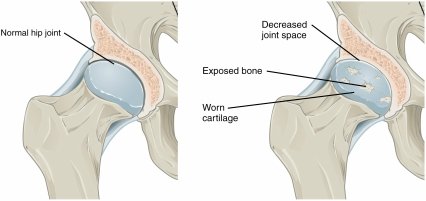
In most cases, irritable hip does not cause any long-term complications or permanent damage to the hip joint. Once the inflammation resolves and symptoms subside, the hip joint typically returns to normal function. However, it is important to monitor your child’s hip health and seek medical attention if there are any recurrent or persistent symptoms that may indicate a different underlying condition.
Research and Advances
Current Research Studies
Ongoing research studies are focused on further understanding the underlying causes of irritable hip and developing more effective treatment options. Researchers are investigating the role of genetic factors, viral infections, and immune system abnormalities in the development of irritable hip. Additionally, studies are exploring new diagnostic techniques and potential targeted therapies to improve outcomes for children with irritable hip.
Emerging Treatment Options
Advancements in technology and medical research are continuously leading to the development of new treatment options for irritable hip. These may include innovative surgical techniques, enhanced pain management strategies, or targeted immunotherapy approaches. As research progresses, it is hoped that these emerging treatment options will contribute to improved outcomes and a better quality of life for children with irritable hip.