
You’re about to embark on a journey of uncovering the enigmatic world of Irritable Hip Syndrome in adults. This article aims to demystify the condition and empower you with valuable knowledge that will help you navigate the complexities of this oft-overlooked ailment. Brace yourself for a friendly exploration into the mechanics, symptoms, and treatment options of irritable hip syndrome, as we shed light on this condition that affects countless adults worldwide. By the end of this journey, you’ll have a better understanding of how to identify, manage, and overcome the challenges posed by irritable hip syndrome. So, get ready to unravel the mysteries behind this fascinating syndrome that has quietly plagued so many.
What is Irritable Hip Syndrome
Definition and Overview
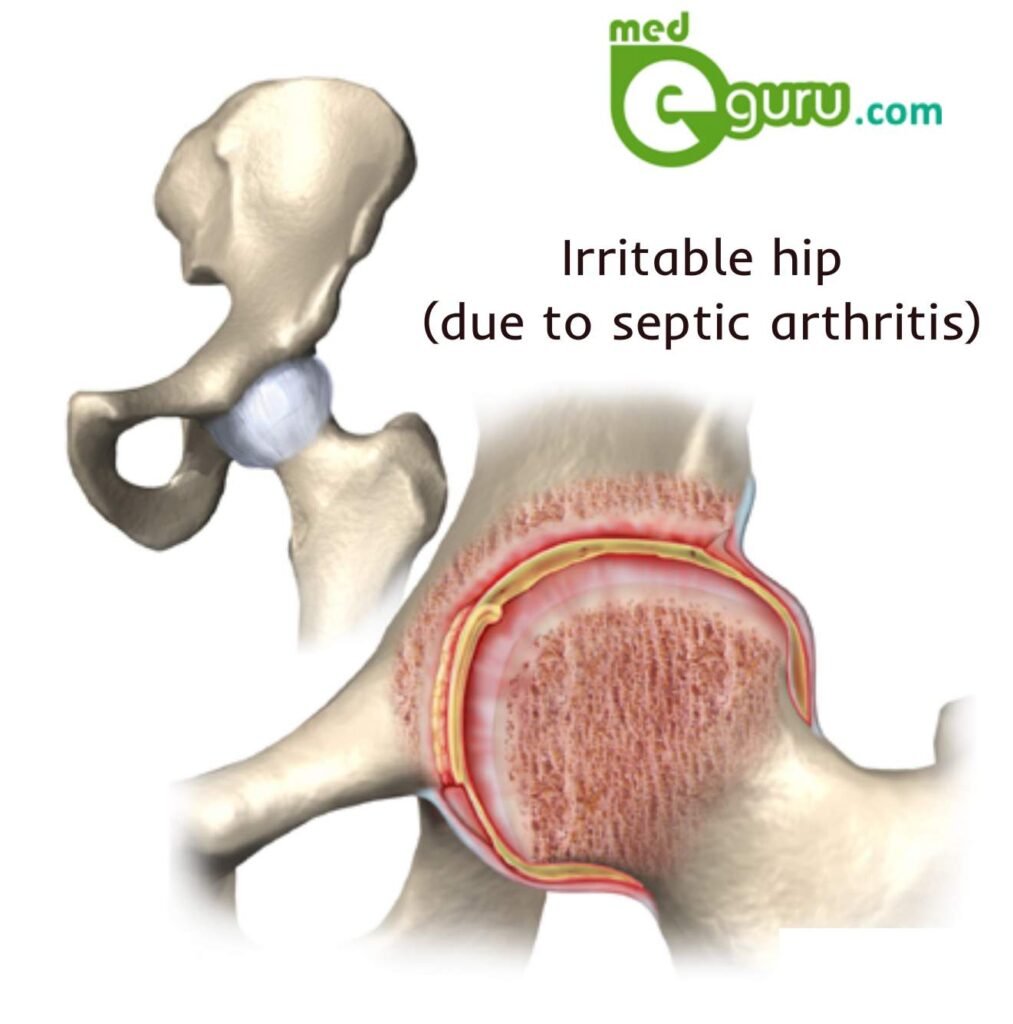
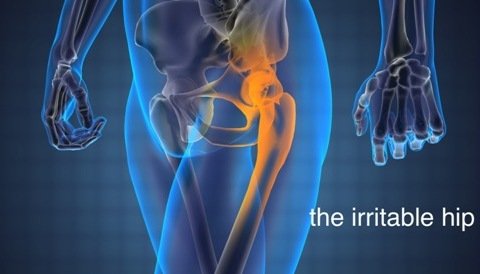
Irritable Hip Syndrome, also known as Transient Synovitis of the Hip, is a condition that primarily affects children between the ages of 3 and 10. However, it can also occur in adults, although it is less common. This condition causes inflammation and swelling in the hip joint, leading to pain and limited mobility. The exact cause of Irritable Hip Syndrome is still unknown, but it is believed to be triggered by a viral infection or an immune response.
Causes of Irritable Hip Syndrome
The precise cause of Irritable Hip Syndrome remains unclear, but it is often associated with a recent viral infection, such as a cold or flu. It is believed that the body’s immune system reacts to the viral infection and mistakenly targets the hip joint, causing inflammation. Other factors that may contribute to the development of Irritable Hip Syndrome include trauma to the hip, certain autoimmune diseases, or even genetic predisposition.
Symptoms of Irritable Hip Syndrome
The symptoms of Irritable Hip Syndrome can vary from person to person, but the most common signs include hip pain, limping, and difficulty bearing weight on the affected leg. Additionally, individuals with this condition may experience stiffness in the hip joint, limited range of motion, and swelling around the hip area. It is essential to recognize these symptoms and seek medical attention promptly for an accurate diagnosis and appropriate treatment.
Diagnosing Irritable Hip Syndrome
Physical Examination
When you visit your healthcare provider with symptoms of hip pain and limited mobility, they will start by conducting a thorough physical examination. This examination will involve assessing your range of motion, observing how you walk or limp, and palpating the hip joint to identify any areas of tenderness or swelling. The physical examination is crucial in ruling out other potential causes of your symptoms and narrowing down the diagnosis.
Medical History
During the diagnostic process, your healthcare provider will inquire about your medical history and any recent infections you may have had. It is essential to provide them with accurate information to help them understand the possible triggers for your symptoms. They may also ask about any previous injuries to the hip or any underlying medical conditions that could contribute to the development of Irritable Hip Syndrome.
Imaging Tests
To confirm the diagnosis of Irritable Hip Syndrome and rule out other conditions, your healthcare provider may order imaging tests. X-rays can provide detailed images of the hip joint, allowing the healthcare provider to identify any structural abnormalities or signs of inflammation. In some cases, an ultrasound or MRI may be recommended to provide a more comprehensive view of the hip joint and surrounding tissues.
Treatment Options for Irritable Hip Syndrome
Conservative Treatment
In most cases, Irritable Hip Syndrome can be managed with conservative treatment methods. This approach involves rest, avoiding activities that worsen symptoms, and using pain management techniques to alleviate discomfort. Your healthcare provider may recommend using ice packs on the hip area to reduce inflammation or applying heat packs for soothing relief. Using over-the-counter pain relievers, such as acetaminophen or nonsteroidal anti-inflammatory drugs (NSAIDs), can also be helpful in managing pain.
Physical Therapy
Physical therapy is an integral part of the treatment plan for individuals with Irritable Hip Syndrome. A skilled physical therapist will guide you through exercises and stretches to improve hip strength, flexibility, and range of motion. They may also use techniques such as massage and joint mobilization to reduce pain and inflammation. Physical therapy can significantly enhance your recovery and restore normal function to the hip joint.
Medication
In some cases, your healthcare provider may prescribe medication to alleviate pain and reduce inflammation. This may include prescription-strength pain relievers or corticosteroid injections directly into the hip joint. These medications target the source of the inflammation, providing temporary relief and facilitating the healing process. It is essential to follow your healthcare provider’s instructions regarding medication use and any potential side effects.
Surgical Options
While most cases of Irritable Hip Syndrome can be managed with conservative treatment, there are rare instances where surgery may be necessary. This typically occurs when the symptoms persist despite other treatment methods or if there are structural abnormalities in the hip joint. Surgical options may include procedures to remove any loose fragments or repair damaged tissues. Your healthcare provider will discuss the surgical options with you in detail and help you make an informed decision if surgery is required.
Preventing Irritable Hip Syndrome
Maintaining a Healthy Weight
Maintaining a healthy weight is crucial for preventing many musculoskeletal conditions, including Irritable Hip Syndrome. Excessive weight places additional stress on the hip joint, increasing the risk of inflammation and injury. By following a balanced diet and engaging in regular exercise, you can keep your weight within a healthy range, reducing the strain on your hip joints and lowering the chances of developing this condition.
Regular Exercise
Engaging in regular exercise is not only essential for overall health but also plays a vital role in preventing Irritable Hip Syndrome. Exercise helps strengthen the muscles around the hip joint, providing stability and support. It also helps maintain flexibility and range of motion, reducing the risk of inflammation and injury. Low-impact exercises such as swimming, cycling, and walking are particularly beneficial for hip health.
Proper Nutrition
Maintaining a healthy diet rich in essential nutrients is crucial for optimal joint health. Ensuring an adequate intake of calcium, vitamin D, and other essential vitamins and minerals can promote strong bones, reduce the risk of inflammation, and support overall joint function. Incorporate foods such as leafy greens, dairy products, fatty fish, and nuts into your diet to provide the necessary nutrients for healthy hips.

Living with Irritable Hip Syndrome
Managing Pain and Discomfort
Living with Irritable Hip Syndrome can be challenging, but there are ways to manage pain and discomfort effectively. Along with the prescribed pain medications, using heat or cold packs on the hip area can provide temporary relief. It is also beneficial to practice relaxation techniques, such as deep breathing and guided imagery, to help alleviate stress and promote pain management. Additionally, maintaining good posture and avoiding prolonged periods of sitting or standing can help reduce hip pain.
Mobility Aids and Assistive Devices
In some cases, individuals with Irritable Hip Syndrome may require mobility aids or assistive devices to support their daily activities. These include canes, crutches, or walkers to assist with walking, especially during flare-ups. These aids help alleviate the weight-bearing load on the hip joint, reducing pain and preventing further damage. Your healthcare provider or physical therapist can guide you in choosing the appropriate assistive devices to ensure optimal mobility and independence.
Potential Complications of Irritable Hip Syndrome
Arthritis
In rare cases, individuals with Irritable Hip Syndrome may develop arthritis in the affected hip joint. Prolonged inflammation and damage to the joint cartilage can lead to the degeneration of the hip joint, causing pain, stiffness, and reduced mobility. It is essential to follow up with your healthcare provider regularly and seek appropriate treatment to minimize the risk of complications such as arthritis.
Joint Stiffness
Another potential complication of Irritable Hip Syndrome is joint stiffness. The inflammation and swelling in the hip joint can result in limited range of motion and stiffness. This can significantly impact your ability to perform daily activities and affect your overall quality of life. Regular physical therapy, stretching exercises, and maintaining an active lifestyle can help prevent and alleviate joint stiffness.
Research and Advances in Irritable Hip Syndrome
Current Studies
Ongoing research is being conducted to enhance our understanding of Irritable Hip Syndrome and improve treatment outcomes. Many studies are focused on identifying the underlying causes and risk factors associated with the condition. Additionally, researchers are exploring innovative treatment techniques, such as regenerative therapies and minimally invasive surgical approaches, to promote faster healing and better long-term outcomes in individuals with Irritable Hip Syndrome.
Promising Treatments
While there is no definitive cure for Irritable Hip Syndrome, there are several promising treatments currently being investigated. These include the use of stem cell therapies to promote tissue repair and reduce inflammation in the hip joint. Additionally, advances in arthroscopic surgery techniques may result in less invasive procedures, allowing for faster recovery and improved outcomes. It is an exciting time in research and development, offering hope for individuals with Irritable Hip Syndrome.
Support and Resources for Individuals with Irritable Hip Syndrome
Support Groups
Connecting with others who are experiencing similar challenges can be incredibly beneficial for individuals with Irritable Hip Syndrome. Support groups provide a platform to share experiences, exchange coping strategies, and offer emotional support. Local hospitals, community centers, and online platforms often host support groups specifically for individuals with musculoskeletal conditions such as Irritable Hip Syndrome.
Online Communities
Online communities and forums dedicated to Irritable Hip Syndrome can provide a wealth of information and support. These platforms allow individuals to connect with others, share their stories, and discuss various treatment options and coping strategies. It is essential to approach online information with caution and consult with healthcare professionals before making any decisions regarding treatment or management.
Professional Organizations
Professional organizations specializing in musculoskeletal conditions can be excellent resources for individuals with Irritable Hip Syndrome. These organizations often provide educational materials, research updates, and lists of healthcare providers specializing in the treatment of hip conditions. They may also host conferences and events where you can learn more about the latest advancements in the field. Some notable professional organizations include the American Orthopaedic Society for Sports Medicine and the American Academy of Orthopaedic Surgeons.
Frequently Asked Questions about Irritable Hip Syndrome
How long does it take to recover from irritable hip syndrome?
The recovery time for Irritable Hip Syndrome can vary from person to person. In most cases, the symptoms gradually improve within a few weeks to a couple of months with proper rest and conservative treatment methods. However, in some cases, it may take longer for complete recovery, especially if complications arise or if surgery is required. Your healthcare provider will guide you through the recovery process, monitoring your progress and adjusting the treatment plan as necessary.
Can irritable hip syndrome affect both hips?
While Irritable Hip Syndrome typically affects only one hip, it is possible for it to occur in both hips, although this is less common. If you experience symptoms in both hips, it is important to consult with your healthcare provider for a comprehensive evaluation and accurate diagnosis. They will determine the appropriate treatment plan based on your specific condition.
Is surgery always required for irritable hip syndrome?
Surgery is not always required for Irritable Hip Syndrome. In the majority of cases, conservative treatment methods, such as rest, physical therapy, and pain management techniques, are sufficient to manage the symptoms and promote recovery. Surgery is only considered when symptoms persist or if there are structural abnormalities in the hip joint that require intervention. Your healthcare provider will assess your condition and recommend the most appropriate treatment options for you.
Conclusion
Irritable Hip Syndrome, although more commonly seen in children, can also affect adults and cause significant discomfort and limitations. While the exact cause of this condition remains unknown, prompt diagnosis and appropriate treatment can help alleviate symptoms and promote recovery. Conservative treatment methods, including rest, physical therapy, and pain management techniques, are usually effective in managing Irritable Hip Syndrome. In rare cases, surgery may be necessary. By prioritizing preventive measures such as maintaining a healthy weight, engaging in regular exercise, and adopting proper nutrition, you can help reduce the risk of developing this condition. Remember to consult with healthcare professionals for an accurate diagnosis, personalized treatment plan, and ongoing support throughout your journey with Irritable Hip Syndrome.