
Imagine waking up one morning with a throbbing pain in your hip that just won’t go away. It feels stiff, you can’t move it properly, and walking becomes a challenge. This is the reality for many adults suffering from irritable hip syndrome. In this article, we will explore effective approaches and treatments for managing this condition, providing you with the knowledge and tools to alleviate pain and regain your mobility. Say goodbye to the discomfort and hello to a life without limits!
Understanding Irritable Hip Syndrome
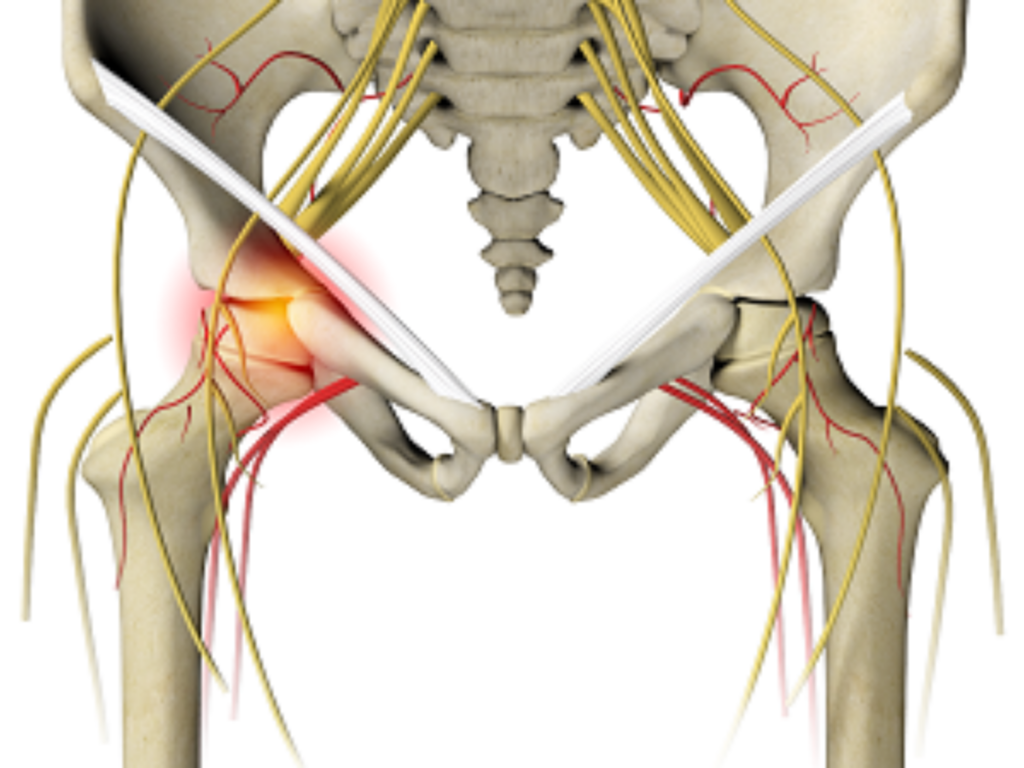
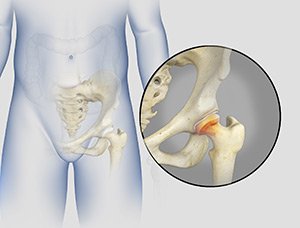
Irritable Hip Syndrome, also known as acute transient synovitis of the hip, is a condition that primarily affects children between the ages of 3 and 10. However, it can also occur in adults, although it is less common. It is characterized by inflammation of the hip joint, causing pain, stiffness, and limited mobility. Understanding the causes, risk factors, and symptoms of Irritable Hip Syndrome is crucial for accurate diagnosis and effective management.
Definition of Irritable Hip Syndrome
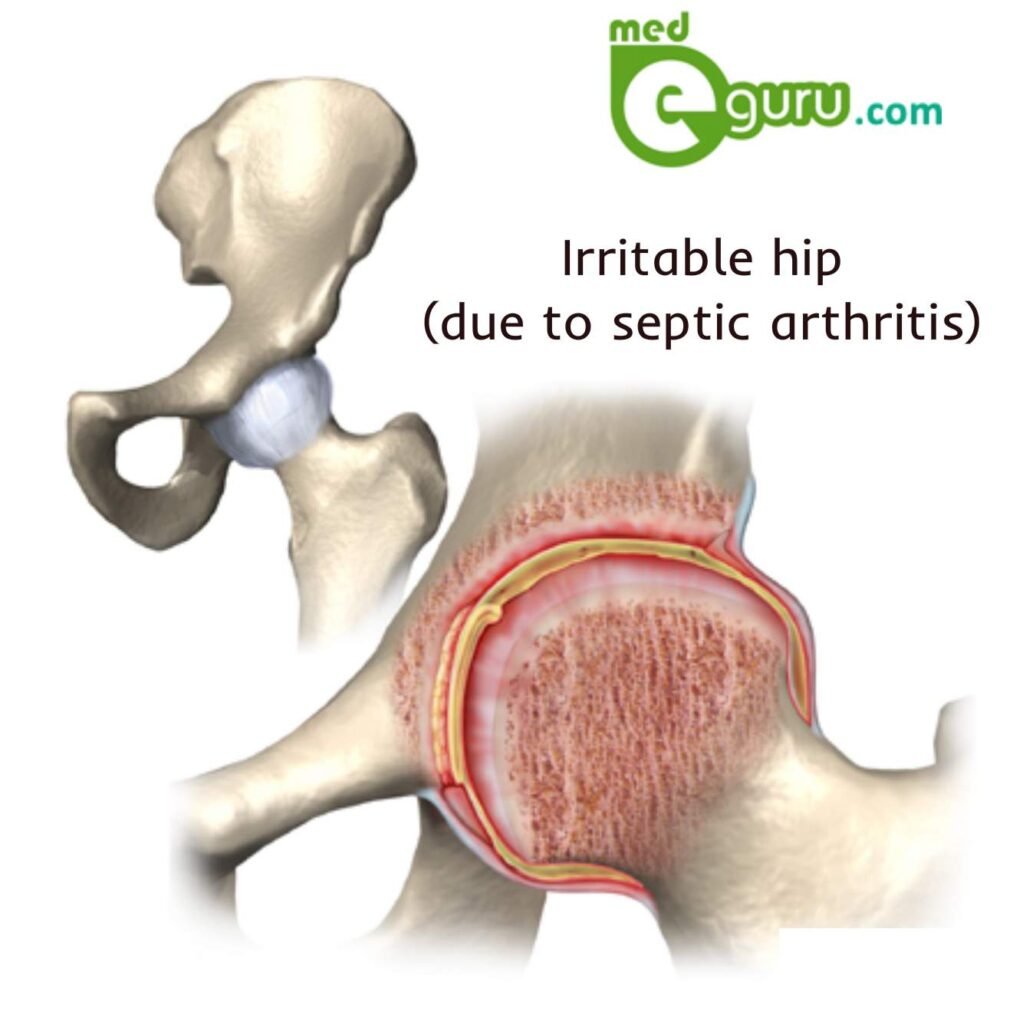
Irritable Hip Syndrome is a self-limiting condition that usually resolves on its own within a few days to weeks. It is characterized by inflammation of the synovial lining and the joint capsule of the hip joint. This inflammation leads to pain, swelling, and limited range of motion. While the exact cause of Irritable Hip Syndrome is unknown, it is thought to be triggered by a viral or bacterial infection, making it similar to other reactive arthritis conditions.
Causes of Irritable Hip Syndrome
The exact cause of Irritable Hip Syndrome remains unclear, but it is believed to be triggered by an infection, particularly a viral or bacterial infection. In some cases, a recent upper respiratory infection, such as a cold or flu, may precede the development of hip pain and inflammation. The infection likely leads to an immune response, causing inflammation in the hip joint. It is important to note that not all individuals with a recent infection will develop Irritable Hip Syndrome, indicating that other factors may contribute to its development.
Risk factors for Irritable Hip Syndrome
Several factors may increase the risk of developing Irritable Hip Syndrome. Children between the ages of 3 and 10 are most commonly affected, with boys being more susceptible than girls. Recent upper respiratory infections, particularly those caused by viruses such as influenza or adenovirus, may also increase the likelihood of developing the condition. Additionally, a family history of Irritable Hip Syndrome or other autoimmune or inflammatory conditions may increase the risk.
Diagnosing Irritable Hip Syndrome
Diagnosing Irritable Hip Syndrome involves a thorough evaluation of the symptoms and physical examination. Imaging tests may also be conducted to rule out other hip joint disorders. Timely and accurate diagnosis is crucial to ensure appropriate management and rule out other potential causes of hip pain.
Symptoms of Irritable Hip Syndrome
The hallmark symptom of Irritable Hip Syndrome is hip pain. The pain is typically localized to the groin area and may radiate to the thigh or knee. The affected hip may feel stiff, making it difficult to move or bear weight. In some cases, the pain may be aggravated by physical activity or movement, while rest may alleviate the symptoms. Other accompanying symptoms may include swelling and tenderness around the joint, as well as a mild fever.
Physical examination
During a physical examination, your healthcare provider will assess the range of motion of your hip joint and look for any signs of inflammation or tenderness. They may gently manipulate your hip to check for pain or instability. The physical examination is crucial in differentiating Irritable Hip Syndrome from other hip joint disorders, such as septic arthritis or Legg-Calve-Perthes disease.
Imaging tests
In most cases, Irritable Hip Syndrome can be diagnosed based on clinical evaluation and physical examination. However, in certain situations where the diagnosis is uncertain or other hip joint disorders need to be ruled out, imaging tests may be recommended. X-rays are commonly used to evaluate the bony structures of the hip joint and rule out any fractures or abnormalities. In some cases, an ultrasound or MRI may be ordered to assess the soft tissues and fluid accumulation within the joint capsule.
Managing Irritable Hip Syndrome
The management of Irritable Hip Syndrome involves a multimodal approach aimed at alleviating pain, reducing inflammation, and promoting the healing process. While the condition often resolves on its own, various treatment options can help manage the symptoms and support a speedy recovery.
Conservative treatment options
For most cases of Irritable Hip Syndrome, conservative treatment options are sufficient to manage the symptoms and facilitate recovery. These may include rest, avoiding activities that exacerbate the pain, and using crutches or a wheelchair if necessary. Applying ice packs to the affected hip can help reduce inflammation and alleviate pain. Additionally, over-the-counter nonsteroidal anti-inflammatory drugs (NSAIDs), such as ibuprofen, may be recommended to relieve pain and reduce inflammation.
Medications for pain relief
In more severe or persistent cases of Irritable Hip Syndrome, your healthcare provider may prescribe stronger pain medications, such as opioids or corticosteroids, to manage severe pain and inflammation. These medications should be used under close supervision and for a limited duration due to their potential side effects.
Physical therapy exercises
Physical therapy can play a crucial role in the management of Irritable Hip Syndrome, particularly in cases where there is stiffness or limited range of motion. A physical therapist can guide you through specific exercises and stretches to help improve flexibility, strengthen the hip muscles, and restore normal joint function. Additionally, they may use techniques such as ultrasound or electrical stimulation to reduce pain and promote healing.
Preventing Irritable Hip Syndrome
While Irritable Hip Syndrome cannot always be prevented, certain measures can help reduce the risk of developing the condition.
Maintaining a healthy weight
Maintaining a healthy weight is essential for overall joint health, including the hip joint. Excess weight places additional stress on the joints, increasing the risk of inflammation and injury. By adopting a balanced diet and engaging in regular physical activity, you can promote joint health and minimize the risk of developing Irritable Hip Syndrome.
Avoiding excessive hip stress
Avoiding excessive stress on the hip joint can help prevent the development or recurrence of Irritable Hip Syndrome. This includes activities that involve repetitive or high-impact movements, such as running or jumping. If you participate in sports or activities that place strain on the hip, be sure to use proper technique, warm up adequately, and take regular breaks to avoid overloading the joint.
Regular exercise
Engaging in regular exercise can strengthen the muscles around the hip joint, providing stability and support. Low-impact activities, such as swimming, cycling, or yoga, can help improve joint flexibility and reduce the risk of hip joint inflammation. It is important to incorporate exercises that target the hip muscles to maintain their strength and stability.
Coping with Irritable Hip Syndrome
Living with Irritable Hip Syndrome can impact daily activities and quality of life. However, there are strategies and support available to help cope with the challenges associated with this condition.
Impact on daily activities
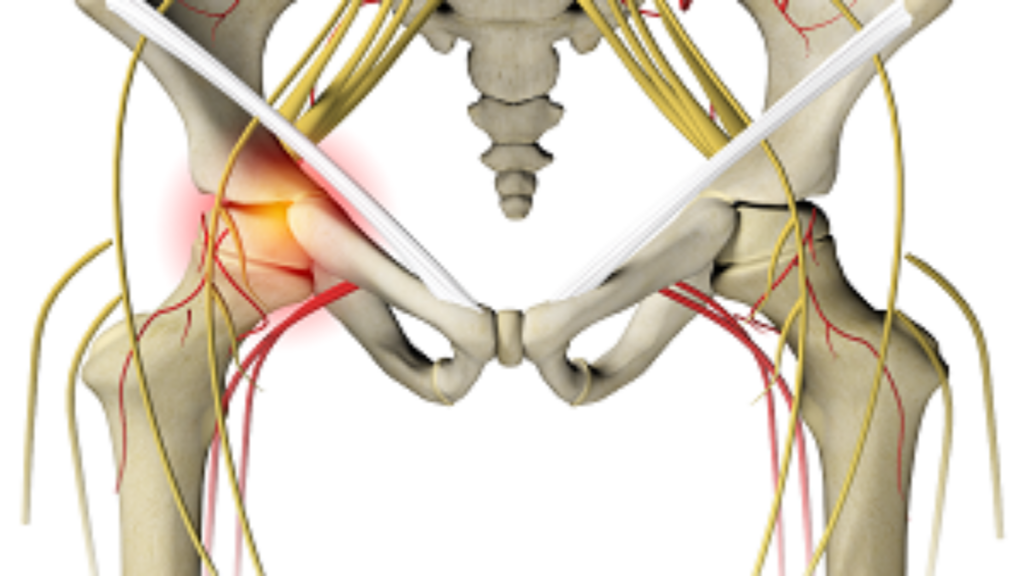
Irritable Hip Syndrome can restrict your ability to perform daily activities, such as walking, climbing stairs, or participating in physical activities. It is essential to pace yourself, take breaks when needed, and modify activities to minimize discomfort. Using assistive devices, such as canes or crutches, can also help alleviate stress on the hip joint and facilitate mobility.
Support groups and counseling
Joining support groups or seeking counseling can be beneficial for individuals with Irritable Hip Syndrome. Connecting with others who understand the challenges can provide emotional support, practical tips, and a sense of belonging. Counseling or therapy can also help individuals cope with the impact of the condition on their mental well-being and develop strategies to manage pain and stress.
Alternative Therapies for Irritable Hip Syndrome
In addition to conventional treatment options, certain alternative therapies may offer symptomatic relief for individuals with Irritable Hip Syndrome. It is important to consult with your healthcare provider before trying any alternative treatments.
Acupuncture
Acupuncture, a traditional Chinese therapy, involves the insertion of thin needles into specific points on the body to stimulate healing and pain relief. Some individuals with Irritable Hip Syndrome have reported improvement in pain and mobility with acupuncture sessions. However, more research is needed to establish its effectiveness and safety in managing this condition.
Chiropractic care
Chiropractic care focuses on manipulating the spine and other joints to promote proper alignment and function. Some chiropractors use specific techniques to treat hip joint disorders and alleviate pain associated with Irritable Hip Syndrome. However, the efficacy and safety of chiropractic care for this specific condition are not yet well-established.
Herbal remedies
Herbal remedies, such as turmeric, ginger, or Boswellia, are commonly used for their anti-inflammatory properties. Some individuals may find relief from Irritable Hip Syndrome symptoms by incorporating these herbs into their diet or using them in supplement form. However, it is crucial to consult with a healthcare professional before using any herbal remedies, as they may interact with certain medications or have potential side effects.
Surgical Treatment for Irritable Hip Syndrome
In rare cases where conservative treatments fail to provide relief or if there are complications, surgical intervention may be necessary.
When surgery may be recommended
Surgery for Irritable Hip Syndrome is generally considered a last resort option when other treatment methods have been exhausted. It may be recommended if there is persistent hip pain, joint instability, or if fluid accumulation in the joint capsule is causing significant discomfort. Your healthcare provider will evaluate your specific case and discuss the potential risks and benefits of surgery.
Types of surgical procedures
The specific surgical procedure recommended will depend on the underlying cause and severity of the condition. In some cases, an arthrocentesis may be performed to remove excess fluid from the joint or to obtain a sample for analysis. In rare instances, if there is significant joint damage, a hip arthroscopy or open surgery may be necessary to repair or reconstruct the hip joint structures.
Rehabilitation after Hip Surgery
Following hip surgery, appropriate rehabilitation and post-surgical care are crucial for a successful recovery and optimal outcome.
Post-surgical care
After hip surgery, you will likely need to stay in the hospital for a few days to ensure proper wound healing and pain management. Your healthcare team will closely monitor your recovery, administer any necessary medications, and provide guidance on movement restrictions and pain management techniques.
Physical therapy and exercises
Physical therapy is an essential component of rehabilitation after hip surgery. A physical therapist will work closely with you to develop a personalized rehabilitation program tailored to your specific needs and goals. This may involve a combination of stretching, strengthening exercises, and gradual weight-bearing activities to restore mobility, rebuild strength, and improve function.
Complications of Irritable Hip Syndrome
While most cases of Irritable Hip Syndrome resolve without complications, there are potential risks and long-term effects associated with this condition.
Hip joint stiffness
In some individuals, Irritable Hip Syndrome may lead to hip joint stiffness or persistent discomfort even after the initial symptoms have subsided. This can affect mobility and daily activities. Physical therapy and regular exercise may help overcome hip joint stiffness and restore range of motion.
Development of osteoarthritis
Although rare, individuals who have experienced Irritable Hip Syndrome may be at a slightly increased risk of developing hip osteoarthritis later in life. Osteoarthritis is a degenerative joint condition characterized by cartilage breakdown and joint inflammation. Maintaining a healthy lifestyle, including weight management and regular exercise, can help reduce the risk of developing osteoarthritis and promote joint health.
Future Research and Promising Treatments
As medical research continues to advance, there is ongoing exploration into potential breakthrough treatments for Irritable Hip Syndrome.
Current studies and advancements
Researchers are investigating various aspects of Irritable Hip Syndrome, including its exact cause, risk factors, and potential diagnostic markers. Recent studies have focused on identifying reliable biomarkers to assist in diagnosing the condition more accurately. Additionally, advancements in imaging techniques, such as magnetic resonance imaging, may improve visualization of the affected hip joint.
Potential breakthrough treatments
While no specific breakthrough treatments have been identified for Irritable Hip Syndrome in adults, ongoing research may uncover new therapeutic approaches. These may include targeted anti-inflammatory medications, regenerative therapies, or innovative surgical techniques that enhance joint stability and repair. Continued research efforts hold the potential to improve the management and outcomes for individuals with this condition.