
Hey, you! Have you ever wondered about the impact of marijuana addiction on our lives? Well, in this article, we’ll explore the various effects that marijuana addiction can have. From the physical and mental consequences to the impact on relationships and overall well-being, we’ll shed light on this often misunderstood topic. So, grab a cup of tea, get cozy, and let’s dive into the world of marijuana addiction together.
Physical Effects
Lung Damage
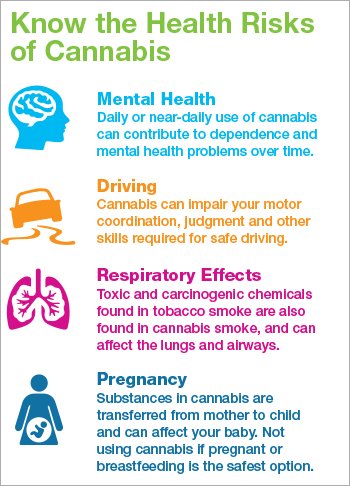
When you smoke marijuana, the harmful chemicals can cause damage to your lungs. Just like tobacco smoke, marijuana smoke contains toxins and carcinogens that irritate and inflame the delicate tissues of your lungs. Over time, this can lead to chronic bronchitis and respiratory issues. If you frequently use marijuana, you may experience symptoms such as coughing, wheezing, and shortness of breath.
Increased Heart Rate
Using marijuana can also lead to an increased heart rate or heart palpitations. This is due to the psychoactive compound called tetrahydrocannabinol (THC), which affects the cardiovascular system. It can cause your heart to beat faster and even trigger anxiety or panic attacks in some individuals. This is especially concerning for those with pre-existing heart conditions or high blood pressure.
Impaired Motor Function
Marijuana affects the central nervous system, impairing motor function and coordination. This can have serious implications if you operate heavy machinery or vehicles while under the influence. Even simple tasks like driving or operating a bicycle can become much more dangerous, increasing the risk of accidents and injuries.
Weakened Immune System
Regular marijuana use can weaken your immune system, making you more susceptible to infections and illnesses. The THC in marijuana suppresses certain immune system functions, including the production of antibodies and cytokines. This can leave you vulnerable to respiratory infections, bacterial illnesses, and even certain types of cancers.
Psychological Effects
Impaired Memory and Cognitive Function
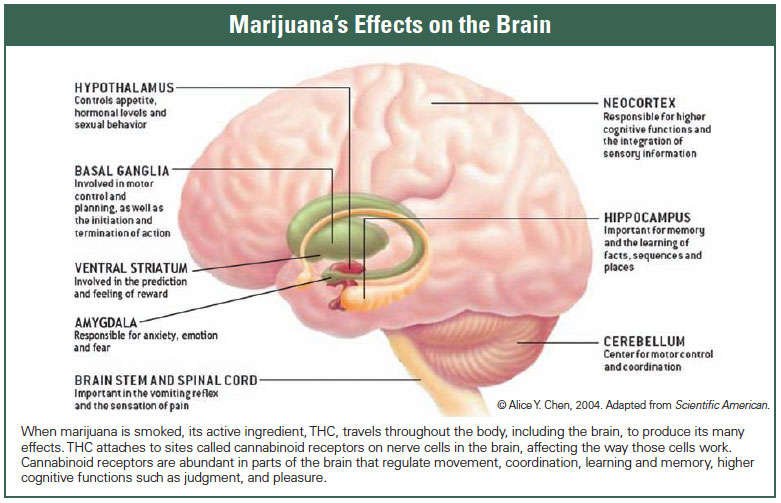
Marijuana can have a profound impact on your memory and cognitive function. The psychoactive compounds in marijuana, especially THC, interfere with the normal functioning of the brain’s memory and learning systems. Research has shown that heavy marijuana use can lead to short-term memory loss, difficulty concentrating, and impaired decision-making skills.
Paranoia and Anxiety
For some individuals, marijuana use can trigger feelings of paranoia and anxiety. The psychoactive effects of THC can cause an overactivation of certain brain regions, leading to increased levels of fear and worry. While not everyone experiences these side effects, they can be particularly distressing for those who do.
Depression and Mood Swings
Marijuana use has been linked to an increased risk of developing depression and experiencing mood swings. This is believed to be connected to the way in which marijuana affects the brain’s reward center and neurotransmitter systems. While marijuana may temporarily provide a feeling of euphoria, prolonged use can lead to dysregulation of these systems, resulting in depressive symptoms and unstable moods.

Social Effects
Isolation and Withdrawal
Marijuana addiction can lead to isolation and withdrawal from social interactions. As individuals become more dependent on the drug, they may prioritize obtaining and using marijuana over maintaining relationships and engaging in social activities. This can have a significant impact on their overall well-being and quality of life.
Difficulty in Relationships
Marijuana addiction can strain relationships with family, friends, and romantic partners. Loved ones may become frustrated or concerned about an individual’s drug use, leading to conflicts and strained communication. Additionally, the mood swings and personality changes associated with marijuana use can make it challenging for individuals to maintain healthy and stable relationships.
Poor Academic and Work Performance
The use of marijuana can have detrimental effects on academic and work performance. Impaired memory, cognitive function, and motivation can make it difficult for individuals to focus and perform at their best. This can result in missed opportunities, poor grades, and potential job loss. Marijuana addiction can hinder an individual’s ability to reach their full potential in academic and professional settings.
Financial Consequences
Increased Expenditure
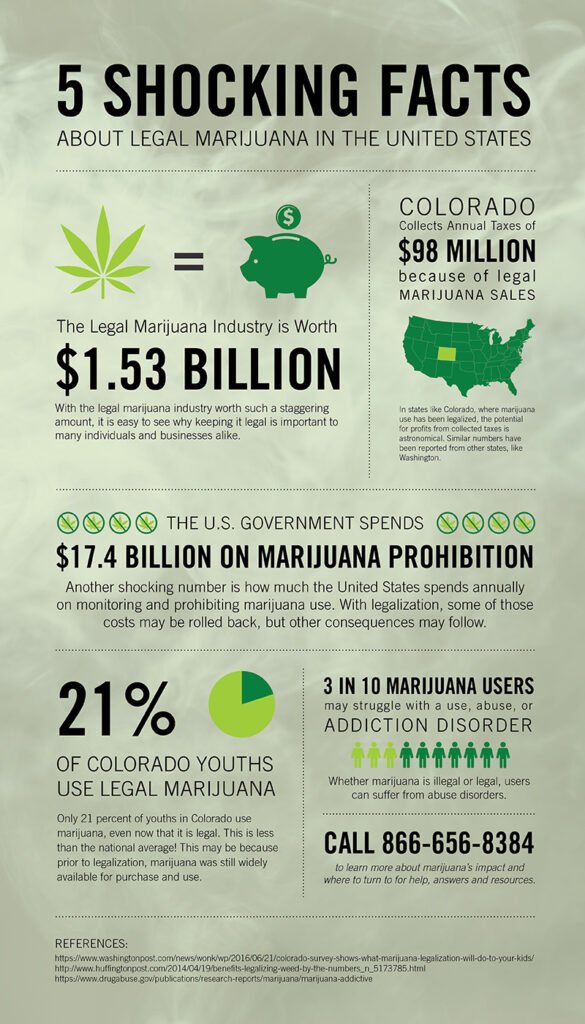
Marijuana addiction can have significant financial consequences. The cost of purchasing marijuana can add up over time, especially if an individual develops a tolerance and needs to consume larger quantities to achieve the desired effects. This can lead to financial strain and difficulties in managing other expenses.
Loss of Employment Opportunities
Marijuana addiction can also lead to the loss of employment opportunities. Many employers have strict policies regarding drug use, and if an individual tests positive for marijuana or is unable to perform their job duties due to the effects of marijuana, their employment may be in jeopardy. This can result in financial instability and difficulty finding future employment.

Legal Issues
Possession and Distribution Charges
While the legality of marijuana varies by jurisdiction, the possession and distribution of marijuana without appropriate authorization can lead to legal issues. Depending on the severity of the offense and the local laws, individuals may face fines, probation, or even incarceration. These legal consequences can have long-lasting impacts on an individual’s life and future opportunities.
Criminal Record and Impact on Future Opportunities
A criminal record resulting from marijuana-related offenses can have a significant impact on an individual’s future opportunities. It can make it difficult to secure employment, obtain housing, or pursue certain educational or professional opportunities. Having a criminal record can also create barriers to building a stable and successful life.
Impact on Mental Health
Higher Risk of Mental Health Disorders
Marijuana addiction is associated with a higher risk of developing mental health disorders. Research has shown that individuals who use marijuana regularly are more likely to experience symptoms of anxiety, depression, and psychotic disorders. The exact relationship between marijuana use and mental health is complex, but it is clear that there is a correlation.
Exacerbation of Existing Mental Health Conditions
For individuals who already struggle with mental health conditions, marijuana use can exacerbate their symptoms. The psychoactive properties of marijuana can increase feelings of anxiety, worsen depression, and even trigger psychotic episodes in those predisposed to such conditions. It is essential for individuals with pre-existing mental health conditions to be aware of the potential risks and consult with healthcare professionals.
Gateway Drug Theory
Potential for Progressing to Harder Substances
The gateway drug theory suggests that using marijuana may increase the likelihood of progressing to harder substances. While not everyone who uses marijuana will go on to use other drugs, research has found a correlation between early marijuana use and later experimentation with more dangerous drugs. This highlights the need for early intervention and prevention efforts.
Increased Drug Exposure and Risk Taking
Using marijuana exposes individuals to a culture and community where other drugs may be more readily available. This increases their exposure and potential temptation to try other substances. Additionally, the altered perception and judgment caused by marijuana use can lead individuals to engage in risk-taking behaviors, including experimenting with other drugs.
Effects on Brain Development
Negative Impact on Adolescent Brain Development
Marijuana use during adolescence can have detrimental effects on brain development. The adolescent brain is still undergoing significant changes and is more vulnerable to the effects of drugs. Studies have shown that regular marijuana use during this critical period can lead to long-term cognitive impairments, including lower IQ and difficulties with attention and memory.
Potential Long-Term Cognitive Effects
Long-term marijuana use, even in adulthood, has been associated with potential cognitive impairments. The exact extent of these effects is still being studied, but research suggests that heavy, prolonged marijuana use can lead to difficulties with attention, memory, and problem-solving skills. It is important to consider the long-term consequences when making decisions about marijuana use.
Withdrawal Symptoms
Irritability and Aggression
When individuals who are addicted to marijuana attempt to quit or reduce their use, they may experience withdrawal symptoms. These symptoms can include irritability and aggression, making it challenging to stop using the drug. The brain and body have become dependent on marijuana, and withdrawal can be physically and emotionally uncomfortable.
Insomnia and Sleep Problems
Withdrawal from marijuana can also lead to sleep disturbances, such as insomnia or vivid dreams. Individuals may have difficulty falling asleep or staying asleep, which can further contribute to irritability, fatigue, and difficulties in daily functioning. These sleep disturbances can persist for several weeks or even months after discontinuing marijuana use.
Decreased Appetite
Loss of appetite and weight loss are common withdrawal symptoms associated with marijuana addiction. The THC in marijuana can stimulate the appetite, and when an individual stops using the drug, their appetite may decrease. This can result in unintended weight loss and nutritional deficiencies if not appropriately managed.
Treatment Options
Cognitive Behavioral Therapy (CBT)
Cognitive Behavioral Therapy (CBT) is a widely used treatment approach for marijuana addiction. CBT helps individuals identify and change negative thought patterns and behaviors associated with drug use. It focuses on developing coping strategies, enhancing problem-solving skills, and promoting healthy lifestyle changes. CBT can be effective in helping individuals overcome addiction and prevent relapse.
Support Groups and 12-Step Programs
Support groups, such as Narcotics Anonymous (NA), can provide invaluable support and guidance to individuals struggling with marijuana addiction. These groups offer a safe and understanding environment where individuals can share their experiences, receive encouragement, and learn from others who have successfully overcome addiction. 12-Step Programs, like Marijuana Anonymous, offer a structured approach to recovery, incorporating spiritual principles and personal accountability.
Medication-Assisted Treatment
In some cases, medication-assisted treatment (MAT) may be recommended for individuals with severe marijuana addiction. Medications such as bupropion or naltrexone can help reduce cravings and manage withdrawal symptoms. However, medication-assisted treatment should always be used in conjunction with therapy and other support services to address the underlying psychological and behavioral aspects of addiction.
In conclusion, marijuana addiction can have a wide range of physical, psychological, social, financial, and legal consequences. From lung damage and impaired cognitive function to strained relationships and financial instability, the effects of marijuana addiction can significantly impact all aspects of your life. Recognizing the risks associated with marijuana use is crucial in making informed decisions about your health and well-being. If you or someone you know is struggling with marijuana addiction, it is essential to seek professional help and explore treatment options that can support recovery and long-term sobriety. Remember, you are not alone, and there are resources available to help you on your journey towards a healthier and happier life.