
Are you or someone you know struggling with cannabis addiction? In this article, we will explore the various treatments available for combating this addiction and help you understand the most effective ways to overcome it. Cannabis addiction is a growing concern, and it is crucial to find the right strategies for recovery. Whether you are seeking professional help, medications, therapy, or self-help techniques, this article will provide valuable insights to guide you on your path to recovery. Let’s explore the world of effective treatments for cannabis addiction together.
Cannabis Addiction
Understanding Cannabis Addiction
Cannabis addiction, also known as marijuana addiction, refers to the chronic and compulsive use of cannabis despite negative consequences. It involves a psychological and physical dependence on the psychoactive compounds found in cannabis, primarily delta-9-tetrahydrocannabinol (THC). Understanding the factors that contribute to cannabis addiction is crucial in developing effective treatment approaches.
Addiction to cannabis can develop due to various reasons. For some individuals, it may be a way to cope with stress, anxiety, or other mental health issues. Others may turn to cannabis as a means of self-medication or to enhance pleasure. Additionally, genetic and environmental factors can also play a role in predisposing individuals to develop an addiction to cannabis.
Prevalence of Cannabis Addiction
Cannabis addiction is a significant public health concern, with a substantial number of individuals struggling with dependence on this substance. According to the National Institute on Drug Abuse (NIDA), approximately 9% of cannabis users become addicted. The risk of developing an addiction increases for those who begin using cannabis at an early age or use it frequently.
It is important to note that while cannabis addiction is not as widespread as addiction to substances such as alcohol or opioids, it still poses significant challenges to individuals and their families. Recognizing the prevalence of cannabis addiction highlights the need for effective treatment approaches to help those who are struggling.
Effects of Cannabis Addiction
Cannabis addiction can have a range of negative effects on various aspects of an individual’s life. Physically, chronic cannabis use can lead to respiratory problems, impaired cognitive function, and an increased risk of mental health disorders such as anxiety and depression. It can also impact motivation, memory, and coordination.
Psychologically, cannabis addiction can contribute to changes in behavior, mood swings, and impaired judgment. It can strain relationships, hinder academic or professional performance, and interfere with daily functioning. Understanding the detrimental effects of cannabis addiction is crucial in motivating individuals to seek treatment.
Treatment Approaches for Cannabis Addiction
Fortunately, there are several evidence-based treatment approaches available to help individuals overcome cannabis addiction. These approaches aim to address the psychological, physical, and social aspects of addiction. Let’s explore some of the effective treatment options:
1. Behavioral Therapies
Behavioral therapies are widely used in the treatment of substance use disorders, including cannabis addiction. These therapies focus on modifying maladaptive thought patterns and behaviors associated with addiction.
1.1 Cognitive Behavioral Therapy (CBT)
CBT is a commonly utilized therapy for cannabis addiction. It helps individuals identify and change negative thought patterns that contribute to substance abuse. It also teaches coping skills to manage cravings and develop healthier behaviors.
1.2 Motivational Enhancement Therapy (MET)
MET is a client-centered therapy that aims to enhance an individual’s motivation to change their behavior. It helps individuals explore and resolve ambivalence towards ending their cannabis use. MET encourages self-reflection and assists in setting achievable goals for recovery.
1.3 Contingency Management
Contingency management is a behavioral therapy that utilizes positive reinforcement to promote abstinence from cannabis. It involves rewarding individuals for meeting treatment goals, such as passing drug tests or attending therapy sessions. This approach can be effective in promoting continued abstinence and motivation for recovery.
2. Medication-Assisted Treatment
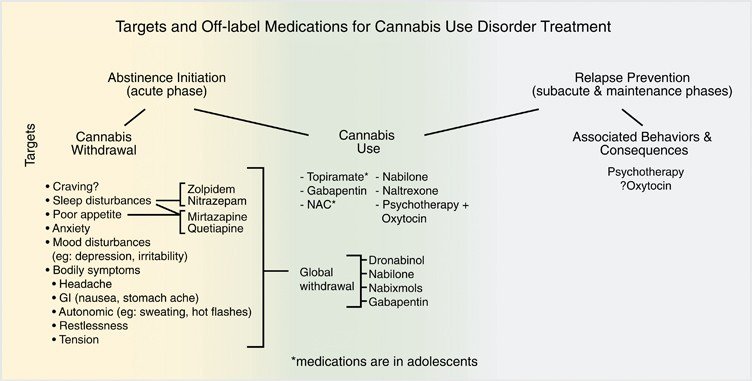
Medication-assisted treatment involves the use of medications to support individuals in their efforts to overcome cannabis addiction. While there are currently no FDA-approved medications specifically for cannabis addiction, some medications have shown promise in reducing withdrawal symptoms and cravings.
2.1 Naltrexone
Naltrexone is an opioid receptor antagonist that has shown potential in reducing cannabis cravings. It blocks the effects of THC, helping to reduce the rewarding effects of cannabis. However, further research is needed to establish its effectiveness in cannabis addiction treatment.
2.2 Sativex
Sativex is an oromucosal spray that contains both THC and cannabidiol (CBD). It is primarily used in the treatment of multiple sclerosis-related spasticity, but it has also shown potential in reducing cannabis withdrawal symptoms and cravings. Sativex is not widely available and requires further research to determine its effectiveness in cannabis addiction treatment.
3. Support Groups and Peer Support
Support groups and peer support play a valuable role in the recovery process for individuals struggling with cannabis addiction. These groups provide a supportive and understanding environment where individuals can share their experiences, learn from others, and receive encouragement throughout their journey to recovery.
3.1 Narcotics Anonymous (NA)
Narcotics Anonymous is a widely known support group that follows the Twelve-Step program originated by Alcoholics Anonymous. While NA primarily focuses on substance addiction, including opioids, many individuals with cannabis addiction have found support and guidance in NA meetings.
3.2 Marijuana Anonymous (MA)
Marijuana Anonymous specifically caters to individuals struggling with marijuana addiction. It provides a platform for individuals to share their stories, seek support, and work through the challenges of overcoming cannabis addiction. MA meetings help individuals build a supportive network and develop coping strategies.
4. Motivational Interviewing
Motivational interviewing is a counseling approach that aims to evoke an individual’s intrinsic motivation to change their behavior. It involves a collaborative and non-confrontational conversation where the therapist encourages individuals to explore their reasons for change. Motivational interviewing can be an effective tool in helping individuals resolve their ambivalence towards quitting cannabis.
5. Integrated Treatment
Integrated treatment approaches seek to address both substance use disorders and co-occurring mental health disorders simultaneously. This approach recognizes the complex interplay between substance abuse and underlying mental health conditions. By treating both conditions simultaneously, individuals have a greater chance of achieving long-term recovery.
6. Family-Based Interventions
Family-based interventions involve the participation of family members in the treatment process. These interventions aim to improve family dynamics, enhance communication, and educate family members about cannabis addiction. By involving the family, individuals receive a greater support system and a better chance of maintaining sobriety.
7. Mindfulness-Based Therapies
Mindfulness-based therapies, such as mindfulness meditation, promote present-moment awareness and non-judgmental acceptance. These therapies help individuals develop healthier coping mechanisms, manage cravings, and reduce stress. Mindfulness-based interventions can be incorporated into an individual’s daily routine to support their recovery journey.
8. Alternative Therapies
In addition to traditional treatment approaches, alternative therapies have gained attention for their potential benefits in cannabis addiction treatment.
8.1 Acupuncture
Acupuncture involves the insertion of thin needles into specific points on the body to restore energy balance. It has been suggested that acupuncture can help reduce cravings and withdrawal symptoms associated with cannabis addiction. While evidence is limited, some individuals find acupuncture helpful as part of their overall treatment plan.
8.2 Yoga and Meditation
Yoga and meditation practices promote physical and mental well-being while reducing stress. Integrating yoga and meditation into a person’s recovery plan can help cultivate mindfulness, promote relaxation, and enhance overall health. These practices can complement other treatment approaches and support long-term recovery.
9. Residential Treatment Programs
Residential treatment programs provide individuals with a structured and supportive environment for their recovery journey. These programs typically involve living in a treatment facility for a set period, where individuals receive comprehensive care, including therapy, counseling, and support. Residential treatment programs can be highly effective for individuals with severe cannabis addiction or co-occurring disorders.
10. Outpatient Rehabilitation Programs
Outpatient rehabilitation programs provide flexibility for individuals to receive treatment while continuing their daily lives. These programs involve regular therapy sessions, counseling, and support group meetings. Outpatient programs can be a suitable option for individuals with mild to moderate cannabis addiction who have a strong support system in place.
Conclusion
While cannabis addiction presents significant challenges, it is essential to recognize that effective treatment approaches exist. Behavioral therapies, medication-assisted treatment, support groups, and alternative therapies offer a range of options to support individuals in their recovery from cannabis addiction. By understanding the prevalence and effects of cannabis addiction and exploring the available treatment approaches, individuals can take the necessary steps towards a healthier and more fulfilling life. Remember, seeking help is a sign of strength and the first step towards recovery. You are not alone, and there are resources available to support you on this journey of overcoming cannabis addiction.