
Hey there! Curious to uncover the mysteries behind marijuana addiction? Look no further, because this article is here to shed some light on the topic. Whether you’re a seasoned marijuana user or just someone trying to expand their knowledge, understanding this particular addiction can be quite eye-opening. So, let’s explore the various aspects surrounding marijuana addiction, from its effects on the brain to potential treatment options. Get ready to broaden your understanding and gain some insights into the world of marijuana addiction!
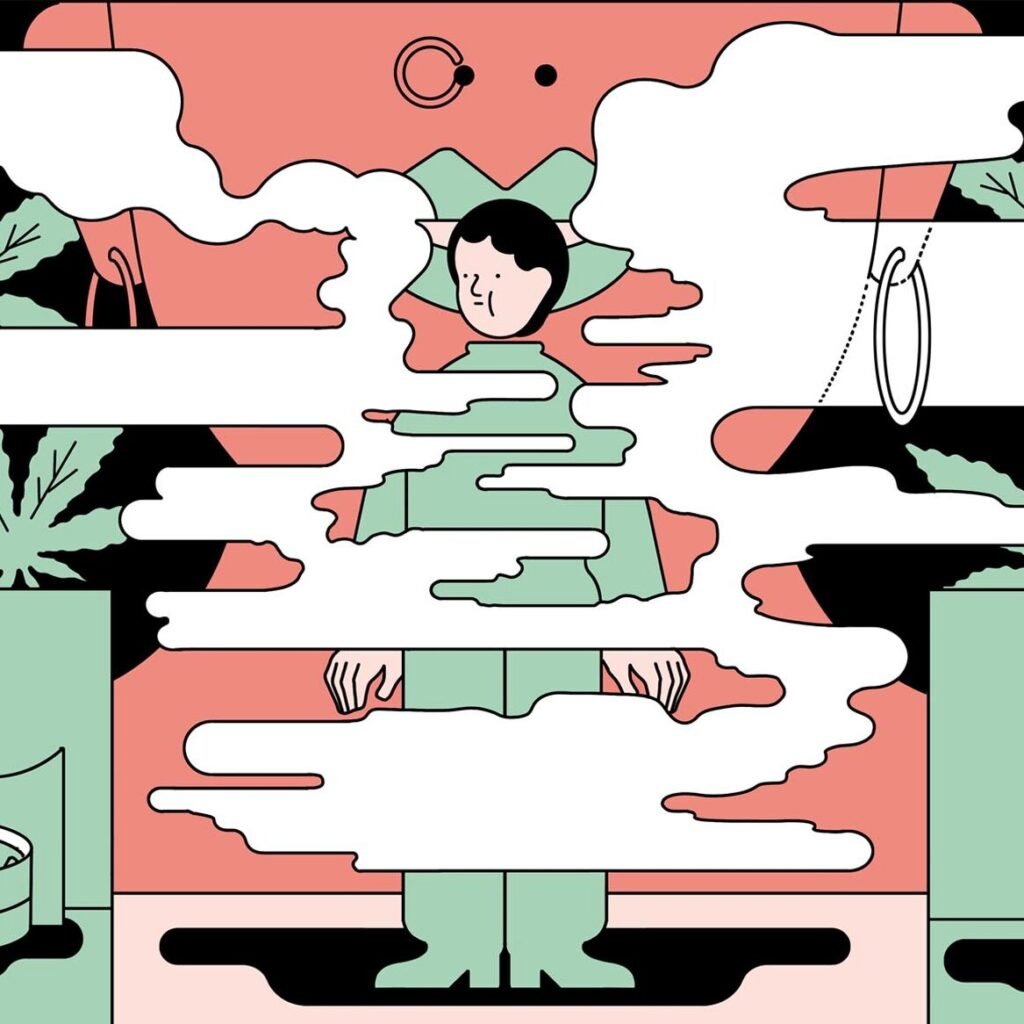
Understanding Marijuana Addiction
Marijuana addiction is a complex issue that continues to be a topic of debate and discussion in many societies around the world. While some people may believe that marijuana is a harmless substance, it is important to understand that like any other drug, it has the potential for addiction. In this article, we will delve into the topic of marijuana addiction, exploring its causes, signs and symptoms, effects on physical and mental health, withdrawal symptoms, long-term consequences, treatment options, and available support and resources. By gaining a comprehensive understanding of marijuana addiction, we can empower ourselves and others with the knowledge needed to address this issue effectively.
Overview of Marijuana Addiction
Marijuana, also known as cannabis or weed, contains a psychoactive chemical called delta-9-tetrahydrocannabinol (THC), which is responsible for its mind-altering effects. When marijuana is used frequently and in large amounts, it can lead to addiction. Marijuana addiction, also known as cannabis use disorder, occurs when an individual develops a dependence on the drug, experiencing cravings and difficulties in controlling its use. It is important to note that not everyone who uses marijuana will become addicted, as factors such as genetics, environment, and individual susceptibility play a role in addiction development.

Causes of Marijuana Addiction
The causes of marijuana addiction are multifaceted and can vary from person to person. Certain risk factors, however, can increase the likelihood of developing an addiction. These factors include genetic predisposition, a family history of addiction, co-occurring mental health disorders like anxiety or depression, a lack of healthy coping mechanisms, peer pressure, and early exposure to marijuana. Additionally, regular and prolonged marijuana use can lead to changes in the brain’s reward system, making it more difficult for individuals to experience pleasure without the drug.
Signs and Symptoms of Marijuana Addiction
Recognizing the signs and symptoms of marijuana addiction is crucial in order to intervene and provide necessary support. Some common signs of marijuana addiction include an increased tolerance, needing larger amounts of the drug to achieve the desired effect, experiencing withdrawal symptoms when attempting to quit, spending a significant amount of time using or obtaining marijuana, neglecting responsibilities and relationships, and experiencing cravings or persistent desire to use the drug. Physical signs such as bloodshot eyes, increased heart rate, and poor coordination may also be present.

Effects of Marijuana Addiction on Physical Health
Marijuana addiction can have various negative effects on physical health. Prolonged marijuana use can lead to respiratory issues such as chronic bronchitis and an increased risk of lung infections. It may also impair memory and cognitive function, affecting learning and attention abilities. Regular marijuana use can impact the immune system, making individuals more susceptible to infections. Additionally, marijuana use can lead to cardiovascular problems, including an increased heart rate and an elevated risk of heart attack and stroke.
Effects of Marijuana Addiction on Mental Health
Marijuana addiction can also have significant effects on mental health. Regular and heavy marijuana use has been linked to an increased risk of developing mental health disorders, such as anxiety and depression. The drug can exacerbate existing mental health conditions and contribute to symptoms of psychosis, including hallucinations and delusions. Marijuana use can also impair decision-making abilities, leading to poor judgment and increased risk-taking behavior.

Withdrawal Symptoms and Detoxification
When individuals with marijuana addiction attempt to quit or reduce their use, they may experience withdrawal symptoms. These symptoms can include irritability, anxiety, depression, insomnia, loss of appetite, and cravings. While marijuana withdrawal symptoms are generally not life-threatening, they can be uncomfortable and may contribute to relapse. Detoxification, which involves removing the drug from the body, can be the first step in treating marijuana addiction. Medical supervision and support from professionals can help individuals manage withdrawal symptoms and safely navigate the detoxification process.
Long-Term Consequences of Marijuana Addiction
Neglecting to seek help for marijuana addiction can lead to long-term consequences. Continual marijuana use can significantly impact personal relationships, leading to strained family dynamics, conflicts with friends, and difficulties in professional settings. It may hinder academic and career progress, resulting in decreased motivation, poor performance, and limited opportunities. Additionally, marijuana addiction can contribute to financial strain and legal troubles, as the drug is often illegal in many jurisdictions. It is important to recognize that the consequences of addiction, if left untreated, can become progressively more severe over time.
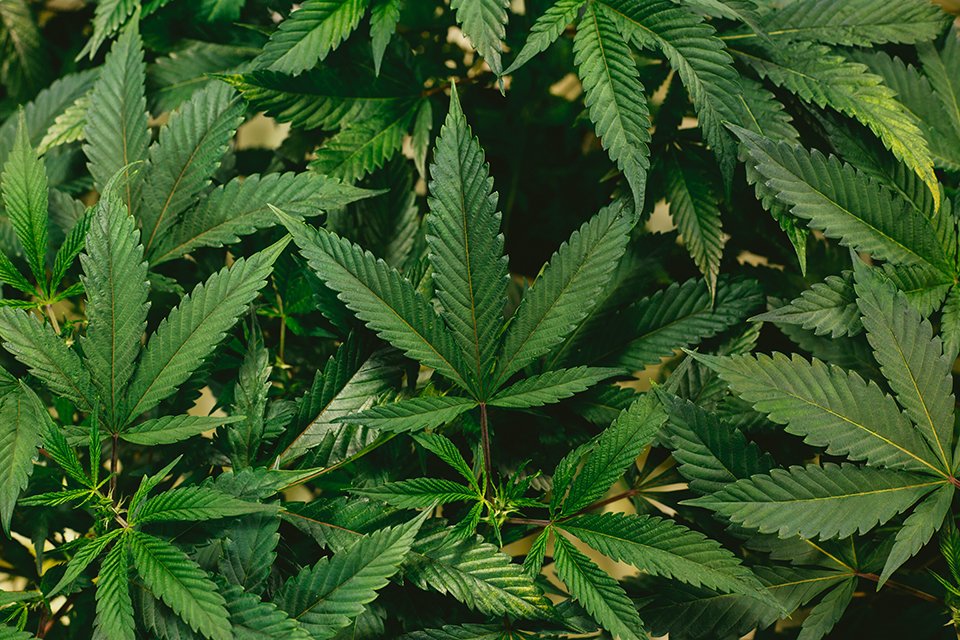
Treatment Options for Marijuana Addiction
When it comes to treating marijuana addiction, various options are available. It is important to choose an approach that caters to individual needs and circumstances. Some common treatment modalities for marijuana addiction include counseling, behavioral therapies, support groups, and medication when necessary. Cognitive-behavioral therapy (CBT) can be particularly beneficial in helping individuals identify and modify the thoughts and behaviors associated with addiction. Motivational interviewing and contingency management can also be effective approaches in addressing marijuana addiction.
Support and Resources for Overcoming Marijuana Addiction
Recovering from marijuana addiction often requires ongoing support and access to resources. Support groups, such as Marijuana Anonymous, can provide a sense of community and understanding for individuals going through similar struggles. Individual counseling or therapy sessions can help individuals identify and address underlying issues contributing to addiction. Rehabilitation centers and treatment programs specializing in substance abuse can provide comprehensive care and guidance throughout the recovery process. It is important to explore available resources and reach out for support when needed.
Prevention and Education on Marijuana Addiction
Prevention and education play crucial roles in addressing marijuana addiction. By increasing awareness and knowledge about the risks and consequences associated with marijuana use, individuals can make informed decisions and better protect themselves and their loved ones. Comprehensive prevention strategies may include school-based prevention programs, community outreach initiatives, and public health campaigns. It is essential to promote a culture of open conversation, where individuals feel empowered to seek information and support without judgment or stigma.
In conclusion, understanding marijuana addiction is essential in order to address the issue effectively. By recognizing the causes, signs, and symptoms of marijuana addiction, its effects on physical and mental health, the importance of withdrawal management, the potential long-term consequences, available treatment options, and the support and resources available, individuals can empower themselves and others in overcoming marijuana addiction. With proper prevention efforts and a compassionate approach towards those struggling with addiction, we can work towards building healthier and happier communities.