
- ### It’s More Than Just Skin Deep: Understanding the Emotional Fallout of Teen Acne
You’re navigating the turbulent waters of adolescence, a time of immense change and burgeoning identity. Then, seemingly overnight, your skin becomes a battlefield. Pustules, papules, cysts – they erupt, uninvited guests on your once-clear complexion. You might try to ignore them, to chalk them up to a temporary phase. But their persistent presence feels impossible to escape. You catch your reflection, and instead of seeing the person you know you are, you see the acne, dominating the landscape of your face. This isn’t just a physical inconvenience; it’s a profound emotional experience, one that can ripple through your identity, your relationships, and your overall well-being. As the Listicle Content Architect, I’m here to guide you through the complex emotional terrain that teen acne can create, empowering you with knowledge and understanding because, trust me, you are not alone in this. This listicle will delve into the multifaceted emotional effects, offering insights and strategies to navigate this challenging period.
- ### The Erosion of Self-Esteem: When Your Reflection Becomes Your Enemy
This is perhaps the most immediate and pervasive emotional impact of teen acne. You look in the mirror, and the reflection staring back is not one you recognize or like. Each blemish feels like a glaring announcement of imperfection, a scarlet letter you can’t hide. This constant self-scrutiny can chip away at your self-worth, leaving you feeling unattractive, flawed, and inadequate.
Feeling Like You’re Constantly Under a Microscope
Imagine walking into a room and feeling every eye, every glance, directed at your skin. Even if no one is actually looking, the anxiety is palpable. You become hyper-aware of your acne, convinced that everyone else is just as aware, and that they’re judging you for it. This heightened sense of exposure can be incredibly stressful, leading to a constant state of vigilance and a desire to disappear.
The Internal Critic Takes Over
Your inner voice, which should ideally be a supportive friend, can transform into a harsh critic. You’ll hear phrases like, “You look so gross,” “Nobody will ever want to date you with skin like that,” or “Why can’t you just look normal?” These self-deprecating thoughts, amplified by the visual evidence of acne, can become deeply ingrained, shaping your perception of yourself in profoundly negative ways.
Comparing Yourself to Others Becomes a Painful Sport
Scrolling through social media or observing your peers can exacerbate these feelings. You see filtered perfection, seemingly flawless skin, and it’s easy to fall into the trap of comparison. You think, “Why them and not me?” This comparison fuels resentment and further erodes your self-esteem, making you feel like you’re permanently on the losing end of the beauty lottery.
Impact on Daily Activities
The fear of judgment can seep into your daily routines. You might start avoiding social events, feeling reluctant to go to school, or even hesitating to smile fully for fear of drawing attention to your skin. This avoidance can lead to social isolation, limiting your opportunities for connection and enjoyment.
- ### The Shadow of Anxiety and Self-Consciousness: A Constant State of Unease
Acne doesn’t just affect your appearance; it directly fuels your anxiety and instills a pervasive sense of self-consciousness. This isn’t just a fleeting nervousness; it can become a constant companion, impacting how you interact with the world and how you feel about yourself in any given moment.
Social Situations Become Minefields
Every social interaction, from a casual chat with a classmate to a school dance or a party, can feel like a high-stakes performance where your acne is the main act. You might rehearse conversations in your head, worrying about what to say and how to act, all while silently stressing about how your skin looks. The fear of being the “one with the bad skin” can be overwhelming.
The Dread of Unexpected Encounters
Even simple things like running into someone you know unexpectedly at the grocery store or the mall can trigger a wave of panic. You might instinctively try to cover your face or turn away, a subconscious reaction to the perceived flaw. This constant vigilance against unwanted attention can be exhausting.
Self-Consciousness in Intimate Settings
As you begin to explore romantic relationships, acne can introduce a whole new layer of anxiety. You might worry about kissing, about a partner touching your face, or about them seeing you first thing in the morning without any makeup. This self-consciousness can make intimacy feel daunting and can hinder the development of genuine connection.
The Performance of “Normalcy”
You might develop a habit of trying to “act normal” despite your internal turmoil. This can involve overcompensating with excessive friendliness, being overly quiet, or resorting to wearing hats, scarves, or heavy makeup to mask your skin. This continuous effort to present a façade can be emotionally draining and contribute to a feeling of inauthenticity.
Fear of Rejection
Underlying much of this anxiety is a deep-seated fear of rejection. You worry that your acne will be a barrier to friendship, to romantic interest, and to acceptance. This fear can lead you to withdraw, self-sabotaging your chances of forming the connections you crave.
- ### The Sting of Self-Doubt and Insecurity: Questioning Your Worth
When your skin is a source of distress, it’s inevitable that self-doubt and insecurity will take root. This can manifest in many ways, affecting your confidence in your abilities, your judgments, and your overall sense of self-worth.
Questioning Your Attractiveness
This is a direct consequence of the constant focus on physical appearance. You begin to doubt your own attractiveness, believing that clear skin is the ultimate prerequisite for being considered desirable. This can lead to a reluctance to put yourself out there, whether it’s for a date or simply to express your opinion.
Doubting Your Capabilities
While acne is a skin condition, its emotional impact can bleed into other areas of your life. You might start to question your intelligence, your talents, or your leadership potential, believing that your flawed skin somehow diminishes your overall worth or capability. This is a dangerous misconception, as your intelligence and abilities are entirely separate from your complexion.
Difficulty in Making Decisions
When your self-esteem is low, you may find it harder to trust your own judgment. This can lead to indecisiveness, as you second-guess your choices, fearing that they will be wrong – perhaps a reflection of your perceived personal “wrongness” due to your acne.
Feeling Undeserving of Good Things
A profound insecurity can lead to a feeling that you don’t deserve good things. This could be a compliment, an invitation, or even a success. You might subconsciously push away positive experiences, believing that you are not worthy of them because of your perceived imperfections.
The Cycle of Insecurity
This self-doubt can create a vicious cycle. Because you feel insecure, you might act in ways that betray that insecurity, which then reinforces the feeling. For example, if you feel insecure about your skin, you might avoid eye contact, making you appear withdrawn, which then leads others to perceive you as aloof, further fueling your insecurity.
- ### The Weight of Frustration and Hopelessness: When Solutions Seem Elusive
You’ve tried everything, or at least it feels that way. You’ve washed, scrubbed, applied creams, maybe even caved to the latest online fad. Yet, the acne persists, and this can lead to overwhelming feelings of frustration and, eventually, hopelessness.
The Cycle of Failed Treatments
The sheer number of over-the-counter products, home remedies, and even prescriptions can be overwhelming. When one isn’t effective, or only moderately so, the cycle of trying something new, hoping for results, and then experiencing disappointment can be incredibly demoralizing. You start to feel like nothing works.
Misinformation and Misguided Advice
You might be bombarded with well-meaning but often inaccurate advice from friends, family, or online forums. “Just wash your face more!” or “It’s all in your head!” This type of advice can be incredibly dismissive of your experience and can make you feel misunderstood and even more frustrated.
The Emotional Toll of Persistence
Acne is not a quick fix for most teens. It can take months, even years, of treatment and management. This prolonged struggle can be emotionally taxing, leading you to feel worn down and exhausted by the constant effort required to manage your skin.
The Feeling of Being “Broken”
When your efforts to improve your skin seem futile, you might start to internalize this as a personal failure. You might feel like your body is “broken” or that you are somehow beyond help. This can lead to a sense of deep discouragement and a reluctance to even try new treatments.
When Hope Starts to Fade
Hopelessness is the dark cousin of frustration. It’s the feeling that no matter what you do, your acne will never go away. This can lead to a surrender of sorts, where you stop trying to address the problem altogether, which can, in turn, exacerbate the emotional impact. It’s a difficult place to be, and it’s crucial to remember that help is available and persistence with the right strategies can eventually lead to improvement.
- ### Moving Forward: Strategies for Coping and Rebuilding Confidence
The emotional toll of teen acne can be significant, but it is not insurmountable. You have the power to navigate these challenges and rebuild your confidence. Here are some strategies that can help you move forward, reclaim your self-esteem, and cultivate a more positive relationship with yourself.
Seek Professional Guidance – It’s More Than Just a Cosmetic Issue
Your immediate and most impactful step is to consult a dermatologist. They are the experts who can accurately diagnose your acne, understand its underlying causes, and recommend the most effective treatments. Don’t be embarrassed to talk to them about the emotional impact – they’ve heard it all before and are equipped to help. This professional support can alleviate a significant amount of frustration and provide a clear path forward. Furthermore, consider speaking with a therapist or school counselor. They can provide a safe space to express your feelings, develop coping mechanisms, and address the anxiety, self-consciousness, and low self-esteem that acne can trigger.
Challenge Your Negative Self-Talk – Become Your Own Best Friend
Become mindful of the way you speak to yourself. When you catch yourself engaging in negative self-talk, pause. Ask yourself: Is this thought true? Is it helpful? Would I say this to a friend? Replace harsh criticisms with more compassionate and realistic affirmations. Focus on your positive qualities, your achievements, and your strengths that have nothing to do with your skin. You are more than your acne.
Educate Yourself About Acne – Knowledge is Power
Understanding acne can demystify it and reduce the feeling of being powerless. Learn about the causes, different types of acne, and the science behind various treatments. This knowledge can help you differentiate between helpful advice and misinformation, and empower you to make informed decisions about your skincare. It can also help you realize that acne is a common medical condition, not a personal failing.
Focus on What You Can Control – Skincare as Self-Care
While you may not be able to eliminate acne overnight, you can establish a consistent and effective skincare routine. View this routine not as a chore but as an act of self-care. Use gentle, non-comedogenic products as recommended by your dermatologist. Be patient with the process. Taking control of your skincare can provide a sense of agency and accomplishment.
Diversify Your Definition of Beauty and Attractiveness
Challenge the narrow societal standards of beauty often portrayed in media. Recognize that attractiveness encompasses a wide range of qualities, including personality, kindness, intelligence, humor, and confidence. Surround yourself with people who appreciate you for who you are, not just what you look like. Actively seek out diverse representations of beauty in media and popular culture.
Build a Strong Support System – You Don’t Have to Go it Alone
Talk to trusted friends, family members, or peers who have experienced similar issues. Sharing your feelings and hearing from others who understand can be incredibly validating and reduce feelings of isolation. Participate in online forums or support groups specifically for teens with acne. Knowing you’re not alone can make a world of difference.
Develop Healthy Habits – Overall Well-being Matters
While not a direct cure, a healthy lifestyle can positively impact your overall well-being and indirectly support your skin health. Ensure you’re getting enough sleep, eating a balanced diet, and engaging in regular physical activity. These habits can boost your mood, reduce stress, and contribute to a greater sense of self-care, which can then indirectly benefit your skin and your emotional resilience. Remember, you are a whole person, and taking care of yourself holistically is key.
FAQs
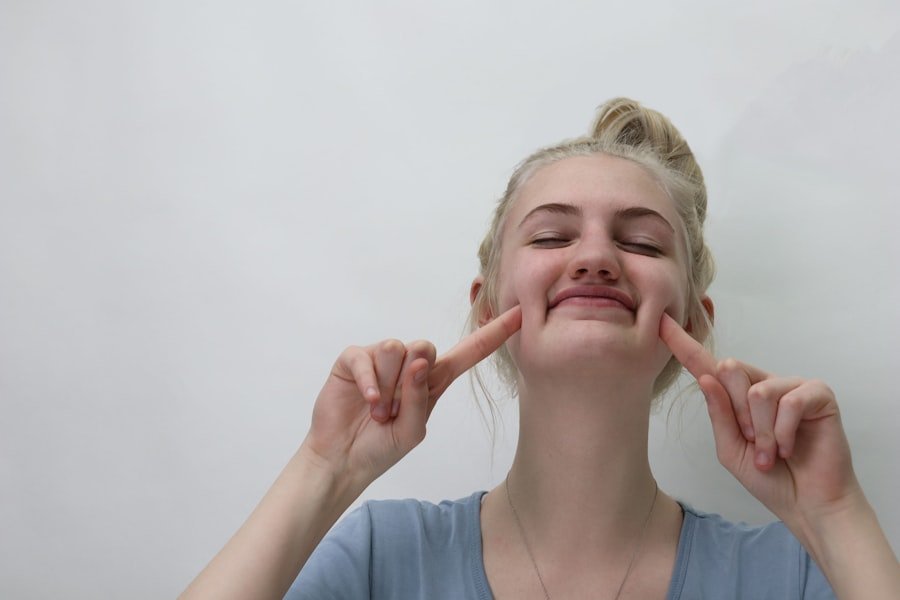
What are the emotional effects of teen acne?
Teen acne can have a significant impact on a teenager’s emotional well-being. It can lead to feelings of embarrassment, low self-esteem, and social anxiety.
How does teen acne affect self-esteem?
Teen acne can negatively impact a teenager’s self-esteem, leading to feelings of self-consciousness and inadequacy. It can also affect their confidence and overall sense of worth.
What are the social effects of teen acne?
Teen acne can lead to social withdrawal and avoidance of social situations. It can also result in difficulties forming and maintaining friendships, as well as participating in social activities.
Can teen acne lead to mental health issues?
Yes, teen acne has been linked to an increased risk of developing mental health issues such as depression and anxiety. It can also contribute to feelings of isolation and loneliness.
How can the emotional effects of teen acne be managed?
Managing the emotional effects of teen acne involves seeking support from family, friends, and healthcare professionals. Developing a skincare routine and seeking treatment from a dermatologist can also help improve the emotional impact of teen acne.