
Dealing with the side effects of Ewing Sarcoma treatment can be a challenging journey, but with the right guidance and support, you can navigate these obstacles with strength and resilience. From hair loss to fatigue, nausea to emotional distress, the journey may seem overwhelming at times. However, by understanding the common side effects and implementing effective management strategies, you can find comfort and relief along the way. In this article, we will explore some practical tips to help you manage the side effects of Ewing Sarcoma treatment, empowering you to stay positive and focused on your healing journey.
Managing Side Effects of Ewing Sarcoma Treatment
Introduction to Ewing Sarcoma
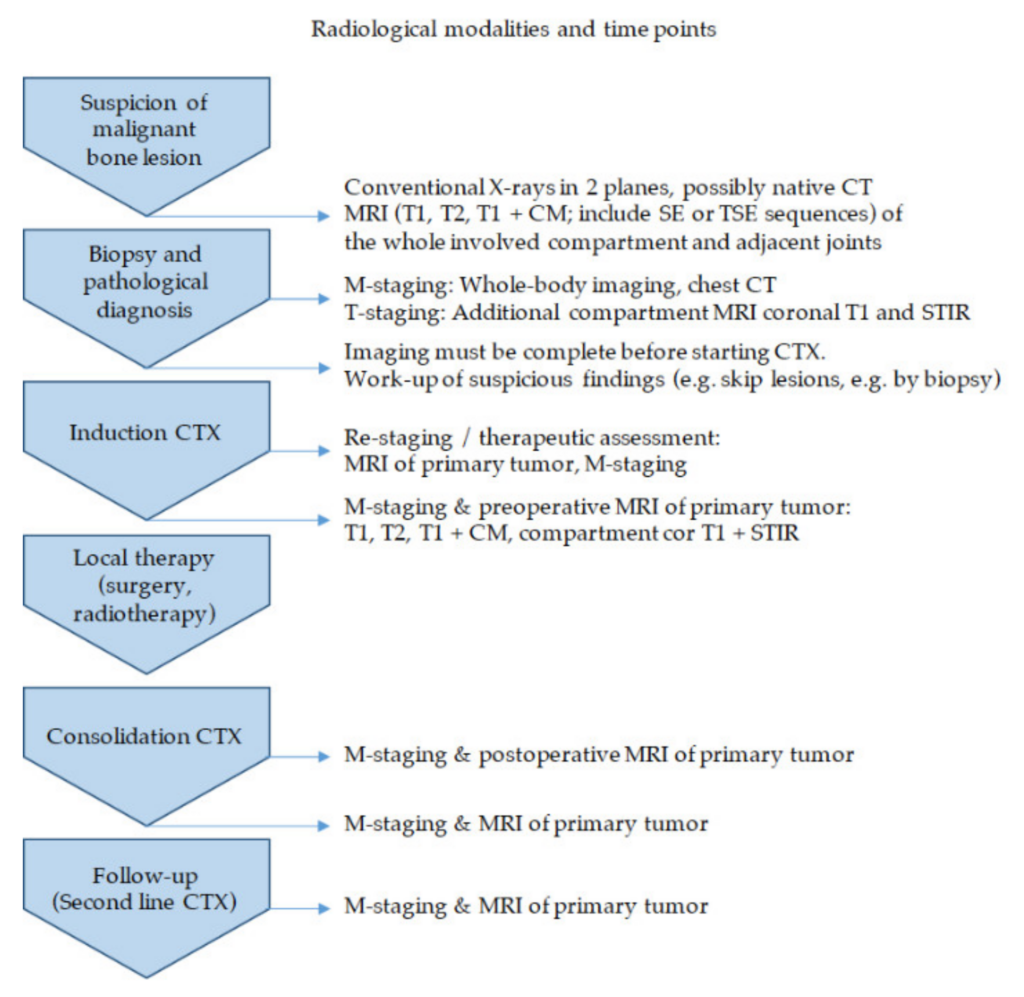
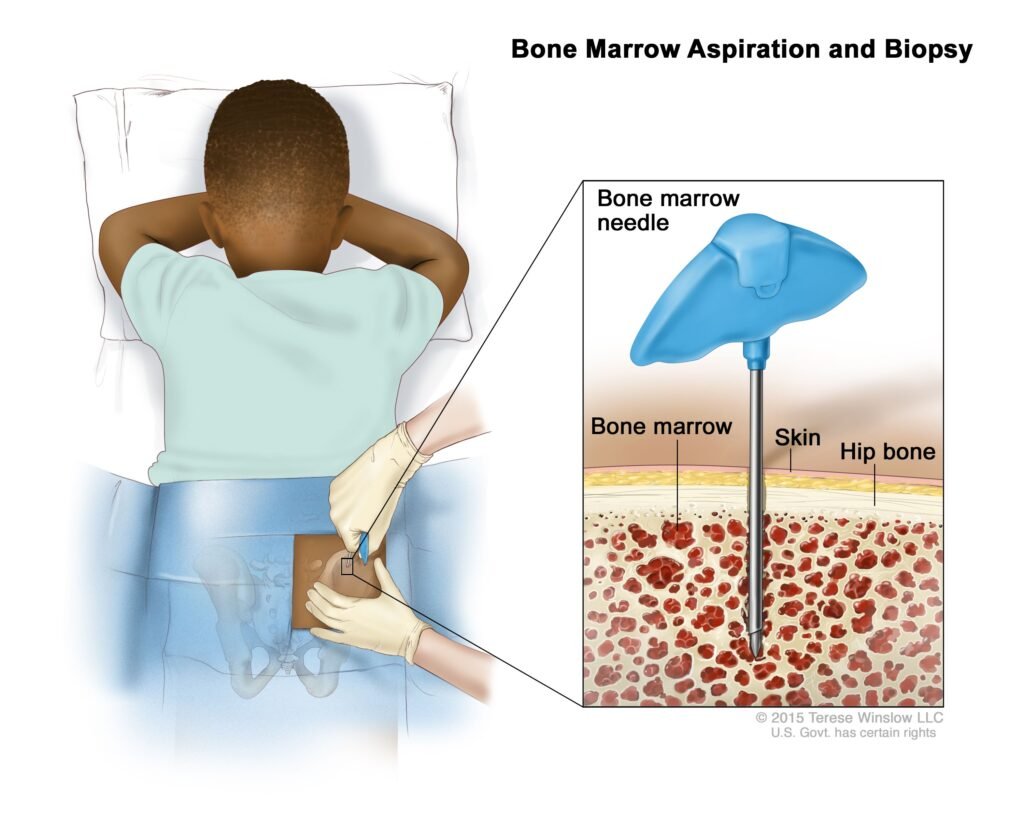
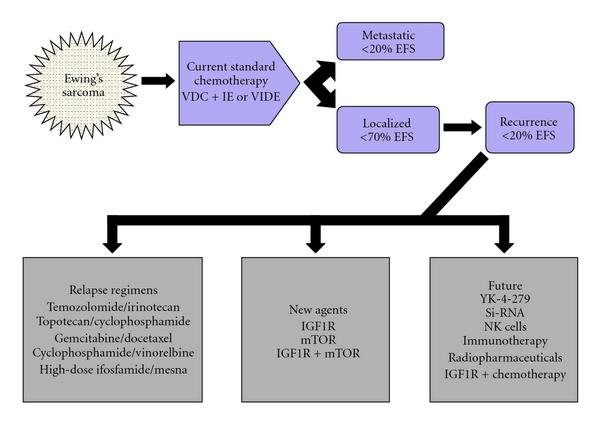
Ewing Sarcoma is a type of cancer that primarily affects children and young adults. It most commonly occurs in the bones, particularly in the long bones of the body, but can also develop in soft tissues like muscles or cartilage. The primary treatment for Ewing Sarcoma typically involves a combination of surgery, radiation therapy, and chemotherapy. While these treatments are crucial for fighting the cancer, they can also cause several side effects. It’s important to manage these side effects effectively to ensure the overall well-being and quality of life for individuals undergoing Ewing Sarcoma treatment.
Primary Treatment for Ewing Sarcoma
-
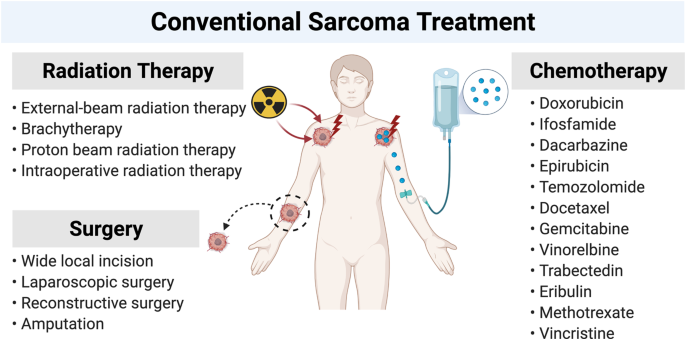
Surgery: Surgery is often the first step in the treatment of Ewing Sarcoma. The goal is to remove the tumor and any surrounding tissue that may be affected. The type and extent of the surgery will depend on the location and size of the tumor.
-
Radiation Therapy: Radiation therapy uses high-energy beams to kill cancer cells. It may be used before surgery to shrink the tumor or after surgery to destroy any remaining cancer cells. However, radiation therapy can also lead to side effects, particularly in the area being treated.
-
Chemotherapy: Chemotherapy involves the use of powerful drugs to kill cancer cells throughout the body. This treatment is usually given in cycles, with rest periods in between to allow the body to recover. Chemotherapy can have various side effects, some of which may be temporary and others that may last longer.
Common Side Effects of Ewing Sarcoma Treatment
-
Nausea and Vomiting: Many chemotherapy drugs can cause nausea and vomiting. These side effects can be managed with medications, dietary changes, and alternative therapies.
-
Hair Loss: Hair loss, also known as alopecia, is a common side effect of chemotherapy. Strategies such as scalp cooling, wigs, and psychological support can help individuals cope with this change in appearance.
-
Fatigue: Cancer treatment can cause extreme tiredness and fatigue. Rest, energy conservation techniques, and incorporating gentle exercises into daily routines can help manage fatigue.
-
Infections: Cancer treatment can weaken the immune system, making individuals more susceptible to infections. Practicing good hygiene, managing neutropenia (a low white blood cell count), and avoiding sick people can help prevent infections.
-
Anemia: Anemia is a condition characterized by a low red blood cell count, resulting in fatigue and weakness. Iron supplements, blood transfusions, and dietary changes can help manage anemia.
-
Mouth Sores: Chemotherapy and radiation can cause painful mouth sores. Effective oral care, medications, and diet modifications can help alleviate discomfort and promote healing.
-
Changes in Appetite: Cancer treatment may affect appetite and taste preferences. Eating small, frequent meals, using nutritional supplements, and working with a dietitian can help maintain proper nutrition.
-
Skin Changes: Radiation therapy can cause skin irritation and changes such as dryness or redness. Proper skin care, moisturizers, and sun protection are essential for managing these skin changes.
-
Emotional and Psychological Effects: Coping with cancer treatment can bring various emotional and psychological challenges. Counseling, support groups, mind-body techniques, and art or music therapy can provide support and promote emotional well-being.
Managing Nausea and Vomiting
-
Medications: Anti-nausea medications, also known as anti-emetics, can help alleviate nausea and vomiting. These medications may be prescribed before or after chemotherapy sessions.
-
Dietary Changes: Avoiding spicy, greasy, or strong-smelling foods can help reduce nausea. Eating small, frequent meals and staying hydrated can also be beneficial.
-
Alternative Therapies: Acupuncture, acupressure, and ginger supplements are alternative therapies that may help alleviate nausea and vomiting. It’s important to discuss these options with the healthcare team before incorporating them into the treatment plan.
Managing Hair Loss
-
Scalp Cooling: Scalp cooling systems can reduce hair loss during chemotherapy. These devices cool the scalp, narrowing blood vessels and reducing the amount of chemotherapy drugs that reach the hair follicles.
-
Wigs and Hairpieces: Wigs, hairpieces, and scarves can help individuals feel more comfortable and confident during hair loss. It’s essential to find a reputable provider and get help in selecting and styling appropriate options.
-
Psychological Support: Talking to a therapist or joining support groups for individuals experiencing hair loss can provide emotional support and help individuals cope with the changes in their appearance.
Managing Fatigue
-
Rest and Sleep: Ensuring an adequate amount of restful sleep is crucial for managing fatigue. Establishing a regular sleep schedule, creating a comfortable sleep environment, and practicing relaxation techniques can promote better sleep quality.
-
Energy Conservation Techniques: Prioritizing activities, delegating tasks, and balancing rest and activity periods can help conserve energy and reduce fatigue.
-
Exercise and Physical Activity: Engaging in gentle exercises such as walking, stretching, or yoga can help improve energy levels and reduce fatigue. It’s important to consult with the healthcare team before starting any exercise regimen.
Managing Infections
-
Good Hygiene Practices: Frequent handwashing, proper oral care, and regular bathing can minimize the risk of infection. Using alcohol-based hand sanitizers when soap and water are not available is also recommended.
-
Managing Neutropenia: Neutropenia, a low white blood cell count, increases the risk of infections. The healthcare team may recommend medications or growth factors to stimulate white blood cell production and reduce the risk.
-
Avoiding Sick People: Avoiding contact with individuals who have colds, flu, or other contagious illnesses can help decrease the risk of infections. It’s important to prioritize personal health and well-being during treatment.
Managing Anemia
-
Iron Supplements: Iron supplements may be prescribed to increase red blood cell production and alleviate anemia. It’s important to follow the healthcare team’s recommendations regarding dosage and timing.
-
Blood Transfusions: In severe cases of anemia, blood transfusions may be necessary to replenish red blood cells. This procedure can help increase energy levels and improve overall well-being.
-
Dietary Changes: Consuming iron-rich foods such as leafy greens, lean meats, and beans can help support healthy red blood cell production. It’s beneficial to work with a dietitian to develop a balanced meal plan.
Managing Mouth Sores
-
Oral Care: Maintaining good oral hygiene by gently brushing teeth, using a soft toothbrush, and regularly rinsing the mouth with alcohol-free mouthwash can help prevent and manage mouth sores.
-
Medications: The healthcare team may prescribe topical solutions or mouthwashes to alleviate pain and promote healing of mouth sores.
-
Diet Modifications: Consuming soft, non-irritating foods such as mashed potatoes, yogurt, or smoothies can help individuals with mouth sores maintain proper nutrition while minimizing discomfort.
Managing Changes in Appetite
-
Small, Frequent Meals: Eating smaller meals throughout the day rather than large meals can help individuals with decreased appetite maintain proper nutrition.
-
Nutritional Supplements: Nutritional supplements, such as protein shakes or meal replacement drinks, can help bridge any nutrient gaps and provide essential vitamins and minerals.
-
Working with a Dietitian: A dietitian can help develop a personalized eating plan, provide guidance on meal choices, and address any specific concerns related to changes in appetite.
Managing Skin Changes
-
Skin Care: Gently cleansing the skin with mild, fragrance-free products and avoiding harsh irritants can help minimize skin irritation and dryness.
-
Moisturizers and Skin Products: Applying fragrance-free moisturizers or specialized skin products recommended by the healthcare team can help keep the skin hydrated and promote its overall health.
-
Sun Protection: Protecting the skin from excessive sun exposure by wearing protective clothing, using sunscreen with a high SPF, and seeking shade during peak sunlight hours is essential for preventing further skin damage.
Managing Emotional and Psychological Effects
-
Counseling and Support Groups: Seeking professional counseling services or joining support groups can provide a safe space for individuals to express their feelings and fears during the treatment process.
-
Mind-Body Techniques: Participating in relaxation exercises, mindfulness meditation, or yoga can help reduce stress, promote emotional well-being, and improve overall quality of life.
-
Art or Music Therapy: Engaging in creative activities such as drawing, painting, or playing a musical instrument can provide a positive outlet for emotions and help individuals cope with the emotional challenges of Ewing Sarcoma treatment.
Conclusion
Managing the side effects of Ewing Sarcoma treatment is an important aspect of ensuring the overall well-being and quality of life for individuals undergoing treatment. By effectively managing nausea and vomiting, hair loss, fatigue, infections, anemia, mouth sores, changes in appetite, skin changes, and emotional and psychological effects, individuals can navigate the treatment process with greater comfort and resilience. It’s crucial to communicate openly with the healthcare team, follow their recommendations, and seek support from loved ones and relevant resources. Together, these strategies can help individuals maintain their physical and emotional health throughout their Ewing Sarcoma treatment journey.