
Imagine waking up one morning and noticing that your arm or leg is swollen and achy. You may brush it off as a minor inconvenience, but what if this condition persisted and began to affect your daily life? This is where understanding lymphoedema becomes crucial. In this article, we will explore the causes and treatment options for lymphoedema, an often misunderstood condition that affects thousands of individuals worldwide. So, sit back, relax, and let’s dive into the fascinating world of lymphoedema.
Understanding Lymphoedema: Causes and Treatment

What is Lymphoedema?
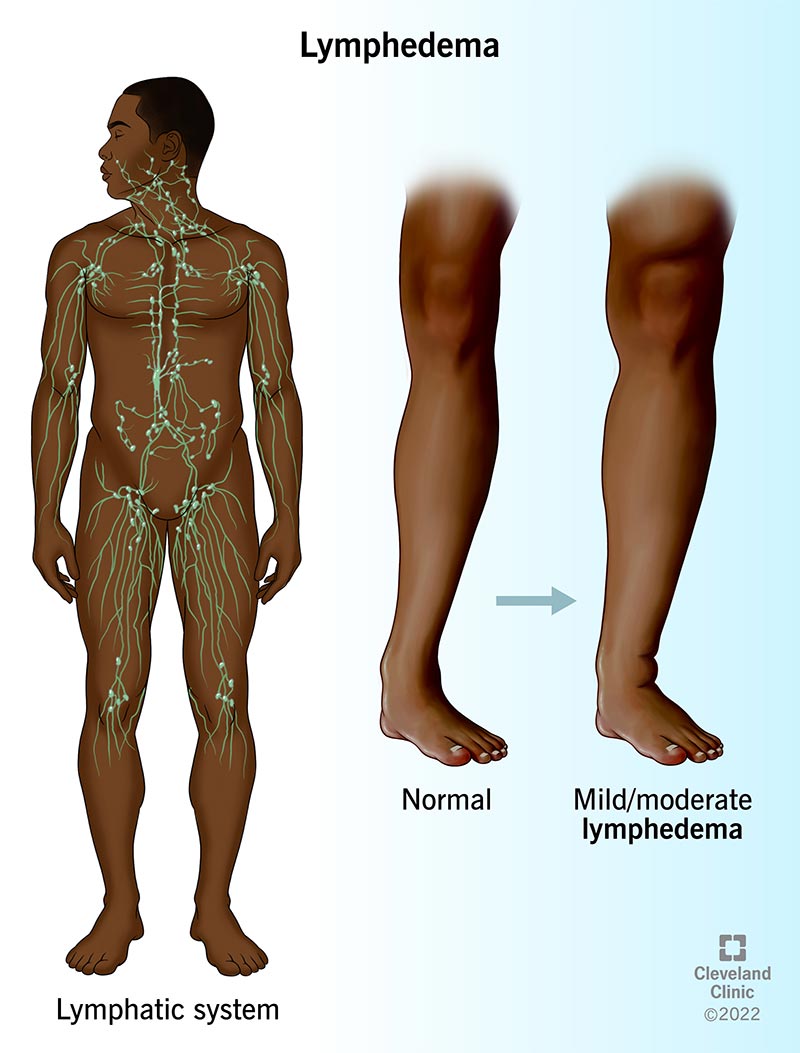
Lymphoedema is a chronic condition characterized by the accumulation of lymphatic fluid in the tissues, leading to swelling and discomfort. The lymphatic system, which is a crucial part of our immune system, helps remove waste and fluid from the body. When this system is compromised, lymphatic fluid can build up, resulting in the development of lymphoedema.
Causes of Lymphoedema
Lymphoedema can have two main causes: primary lymphoedema and secondary lymphoedema.

Primary Lymphoedema
Primary lymphoedema is a rare condition that is typically inherited. It occurs due to abnormalities or malformations in the lymphatic system, which can cause inadequate lymph drainage. This form of lymphoedema often presents itself at birth or during adolescence. It can affect one or both legs, and in some cases, the arms as well.
Secondary Lymphoedema
Secondary lymphoedema develops as a result of damage to the lymphatic system. Surgery, radiation therapy, infections, and trauma can all contribute to the development of secondary lymphoedema. Cancer treatments that involve the removal or radiation of lymph nodes are common causes of secondary lymphoedema. It can affect any part of the body that has undergone treatment.

Risk Factors for Lymphoedema
While primary lymphoedema is predominantly caused by genetic factors, there are several risk factors associated with secondary lymphoedema. These include obesity, older age, previous episodes of lymphoedema, history of cellulitis (skin infection), and certain medical conditions such as venous insufficiency or deep vein thrombosis (blood clots).
Symptoms of Lymphoedema
The most common symptom of lymphoedema is persistent swelling in the affected area. This swelling may increase throughout the day and can be accompanied by feelings of heaviness and discomfort. The skin in the affected area may appear tight or shiny, and in some cases, there may be a decreased range of motion due to the swelling. If left untreated, lymphoedema can lead to further complications such as infections and skin changes.

Diagnosing Lymphoedema
If you suspect you may have lymphoedema, it is essential to seek medical attention for an accurate diagnosis. A healthcare professional will typically perform a physical examination to assess the extent of swelling and evaluate your medical history. Imaging tests, such as ultrasound or MRI scans, may be used to further assess the condition of your lymphatic system. A diagnosis of lymphoedema is typically made based on the presence of persistent swelling along with other clinical signs.
Medical Management of Lymphoedema
While there is no cure for lymphoedema, there are various treatment options available to manage the condition and improve symptoms. These include:
1. Manual Lymphatic Drainage (MLD)
MLD is a specialized massage technique performed by trained therapists. It involves gentle, rhythmic movements to stimulate lymphatic flow and reduce swelling. MLD can help manage lymphoedema by redirecting fluid away from the affected area, thus relieving discomfort and improving overall function.
2. Compression Therapy
Compression garments, such as bandages or stockings, are commonly used in the treatment of lymphoedema. These garments apply gentle pressure to the affected area, facilitating the movement of lymphatic fluid and reducing swelling. Compression therapy can also help prevent the progression of lymphoedema and maintain the results achieved through other treatment methods.
3. Exercise and Physical Therapy
Engaging in regular exercise and physical therapy can be beneficial for individuals with lymphoedema. Exercise helps promote lymphatic flow, reduce swelling, and strengthen the muscles involved in lymphatic drainage. Physical therapists can provide guidance on appropriate exercises and techniques to manage lymphoedema effectively.
4. Surgical Interventions
In severe cases of lymphoedema that do not respond to conservative treatments, surgical interventions may be considered. These procedures aim to improve lymphatic drainage and reduce swelling. Surgical options may include lymphatic bypass surgery, lymph node transplant, or liposuction to remove excess tissue.
Other Treatment Options
In addition to the main treatment methods mentioned above, other complementary therapies may be used to manage lymphoedema. These can include pneumatic compression devices, which use air pressure to stimulate lymphatic flow, and laser therapy, which helps reduce swelling and inflammation.
Self-Care Techniques for Lymphoedema
Taking care of yourself and practicing self-care techniques is an important aspect of managing lymphoedema. Some self-care techniques that can be beneficial include:
- Keeping the affected area clean and moisturized to prevent skin infections
- Elevating the affected limb to reduce swelling
- Avoiding constriction or tight clothing that may impede lymphatic flow
- Practicing gentle stretching exercises to maintain flexibility and improve lymphatic drainage
Preventing Lymphoedema Complications
While there is no guaranteed way to prevent lymphoedema, there are measures you can take to reduce the risk of complications. These include:
- Practicing good skin hygiene to prevent infections
- Avoiding extreme temperature changes that can affect lymphatic flow
- Protecting the skin from injuries and burns
- Maintaining a healthy weight through a balanced diet and regular exercise
- Wearing appropriate footwear and avoiding prolonged periods of standing or sitting
Conclusion
Lymphoedema is a chronic condition that can significantly impact an individual’s quality of life. Understanding the causes and available treatment options is crucial for effectively managing the condition. By seeking medical attention, following a personalized treatment plan, and practicing self-care techniques, individuals with lymphoedema can find relief from symptoms and prevent complications. Remember, you are not alone in your journey with lymphoedema, and healthcare professionals are there to support you every step of the way.