
Are you tired of relying on medications to manage your arthritis symptoms? Look no further! In this article, we will explore the world of natural remedies for arthritis, offering alternative approaches to alleviate your pain, inflammation, and discomfort. From herbal remedies to acupuncture and lifestyle changes, discover the power of these natural solutions to help you find relief and improve your quality of life. Say goodbye to your reliance on conventional treatments and join us on this journey to explore the benefits of holistic and natural approaches to arthritis management.
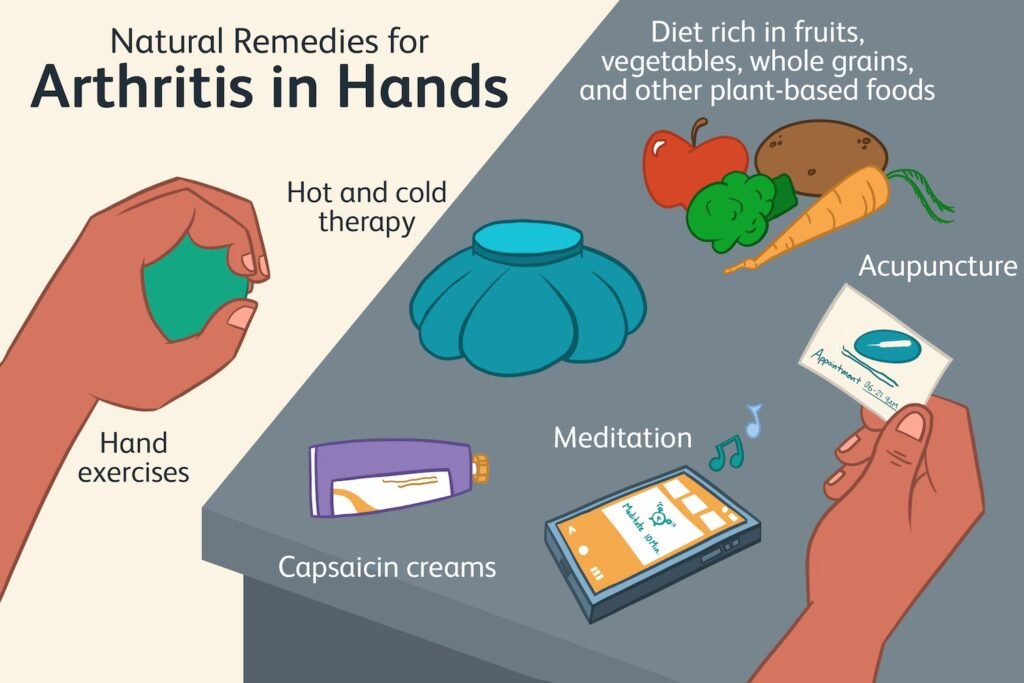
Understanding Arthritis
Arthritis is a common condition that affects millions of people worldwide. It is characterized by inflammation and pain in the joints, which can make everyday activities challenging. However, there are various treatment options available, both conventional and natural, that can help alleviate the symptoms and improve your quality of life.
Overview of arthritis
Arthritis is not a single disease but rather a term that encompasses several conditions that affect the joints. The most common types of arthritis include osteoarthritis, rheumatoid arthritis, and psoriatic arthritis. These conditions can cause redness, swelling, stiffness, and pain in the affected joints, making it difficult to perform simple tasks.
Types of arthritis
- Osteoarthritis: This is the most prevalent type of arthritis, primarily affecting the elderly. It occurs when the protective cartilage in the joints breaks down, leading to pain and stiffness.
- Rheumatoid arthritis: Unlike osteoarthritis, rheumatoid arthritis is an autoimmune disease that causes the body’s immune system to mistakenly attack the lining of the joints. This condition can lead to joint deformity and loss of function.
- Psoriatic arthritis: Psoriatic arthritis typically develops in individuals with psoriasis. It causes joint pain, stiffness, and swelling, often accompanied by patches of red, scaly skin.
Causes of arthritis
The exact cause of arthritis is still not fully understood. However, several factors can contribute to its development. These include genetics, age, previous joint injuries, obesity, and certain infections. Understanding the potential causes of arthritis can help in its prevention and management.
Conventional Treatment for Arthritis
While there is no cure for arthritis, conventional treatment options aim to manage symptoms, reduce inflammation, and improve joint function. These treatment approaches can involve medications and, in more severe cases, surgery.
Overview of conventional treatment options
Conventional treatment for arthritis typically involves a multidisciplinary approach. It may include a combination of medications, physical therapy, occupational therapy, and lifestyle modifications.
Medications for arthritis
- Nonsteroidal anti-inflammatory drugs (NSAIDs): NSAIDs, such as ibuprofen and naproxen, are commonly prescribed to alleviate pain and reduce inflammation.
- Corticosteroids: These potent anti-inflammatory medications are often prescribed for severe arthritis symptoms.
- Disease-modifying antirheumatic drugs (DMARDs): DMARDs are primarily used to treat rheumatoid arthritis and work by modifying the immune system’s response to reduce joint damage.
- Biologic response modifiers: Biologics are a newer class of drugs that target specific molecules involved in the immune response. They are typically prescribed for moderate to severe rheumatoid arthritis.
Surgery for arthritis
In some cases, when conventional treatments fail to provide sufficient relief, surgery may be considered as a last resort. Joint replacement surgeries, such as hip or knee replacements, are common procedures for arthritis patients. These surgeries aim to restore joint function and reduce pain.
Natural Remedies for Arthritis
In addition to conventional treatment options, many people turn to natural remedies to manage arthritis symptoms. Natural remedies can provide relief from pain, reduce inflammation, and improve joint flexibility.
Benefits of natural remedies
Natural remedies for arthritis come with several benefits. They are generally safe, have fewer side effects compared to medications, and can be easily incorporated into your lifestyle. Additionally, natural remedies often focus on improving overall health, which can have a positive impact on arthritis symptoms.
Role of diet and exercise in arthritis management
Diet and exercise play a crucial role in managing arthritis. A healthy, balanced diet can help reduce inflammation and provide essential nutrients for joint health. Including foods rich in omega-3 fatty acids, such as fatty fish, nuts, and seeds, can have anti-inflammatory effects. Regular exercise, such as low-impact activities, stretching, and strength training, can help improve joint flexibility, reduce pain, and maintain a healthy weight.
Herbal Remedies for Arthritis
Herbal remedies have been used for centuries to alleviate arthritis symptoms. Many herbs possess anti-inflammatory and analgesic properties that can provide relief from pain and stiffness.
Turmeric
Turmeric is a well-known spice that contains a compound called curcumin, known for its anti-inflammatory properties. Studies have shown that curcumin can help reduce joint pain and inflammation in arthritis patients.
Ginger
Ginger is another herb with potent anti-inflammatory properties. It has been traditionally used to alleviate pain associated with arthritis. Consuming ginger or using it topically in the form of ginger oil can provide relief.
Green tea
Green tea is rich in antioxidants that can help reduce inflammation. It has also been shown to inhibit certain molecules involved in arthritis development. Drinking green tea regularly may have a positive impact on arthritis symptoms.
Boswellia
Boswellia, also known as Indian frankincense, is derived from the Boswellia serrata tree. It contains compounds known to have anti-inflammatory effects and may help reduce joint swelling and pain.
Willow bark
Willow bark contains a compound called salicin, which is similar to aspirin in its pain-relieving and anti-inflammatory properties. It has been used as a natural remedy for arthritis for centuries.
Stinging nettle
Stinging nettle has been traditionally used to treat arthritis due to its anti-inflammatory properties. It can be consumed as a tea or applied topically as a cream or gel.

Supplements for Arthritis
Alongside herbal remedies, certain supplements have shown promise in managing arthritis symptoms and improving joint health.
Fish oil
Fish oil contains omega-3 fatty acids, which have anti-inflammatory effects. Taking fish oil supplements can help reduce joint inflammation and pain associated with arthritis.
Glucosamine
Glucosamine is a naturally occurring compound found in cartilage. It is often taken as a supplement to support joint health and reduce pain in arthritis patients. However, its effectiveness is still debated among researchers.
Chondroitin
Chondroitin is another compound found in cartilage. It is often combined with glucosamine in supplements and is believed to help slow down the progression of joint damage in arthritis.
Methylsulfonylmethane (MSM)
MSM is a sulfur-containing compound that has anti-inflammatory and antioxidant properties. It is commonly used to reduce joint pain and inflammation in arthritis patients.
S-adenosylmethionine (SAMe)
SAMe is a naturally occurring compound in the body that has been used as a supplement for arthritis. It may help reduce joint pain, stiffness, and inflammation.
Manual Therapies for Arthritis
Manual therapies, such as acupuncture, massage therapy, and chiropractic care, can provide relief from arthritis symptoms and improve joint function.
Acupuncture
Acupuncture involves the insertion of thin needles into specific points on the body. It is believed to help stimulate the body’s natural pain-relieving mechanisms and improve energy flow. Acupuncture sessions can provide relief from joint pain and stiffness associated with arthritis.
Massage therapy
Massage therapy involves the manipulation of soft tissues to improve circulation, reduce muscle tension, and promote relaxation. It can help alleviate pain, improve range of motion, and reduce stiffness in arthritic joints.
Chiropractic care
Chiropractic care focuses on the alignment of the spine and musculoskeletal system to improve overall health. It can help reduce joint pain and stiffness commonly experienced in arthritis patients.

Physical Modalities for Arthritis
Physical modalities, such as hot and cold therapy, transcutaneous electrical nerve stimulation (TENS), and ultrasound therapy, can be beneficial in managing arthritis symptoms.
Hot and cold therapy
Hot and cold therapy involves the application of heat or cold to the affected joints. Heat helps to relax muscles and improve blood circulation, while cold therapy numbs the area and reduces inflammation. Alternating between hot and cold packs can provide relief from arthritis pain and swelling.
Transcutaneous electrical nerve stimulation (TENS)
TENS is a therapy that uses low-voltage electrical currents to stimulate nerve fibers and reduce pain signals. It can be effective in providing relief from arthritis pain and improving joint function.
Ultrasound therapy
Ultrasound therapy involves the use of sound waves to provide deep heat to the affected joints. This therapy can help reduce pain, increase circulation, and improve mobility in arthritic joints.
Mind-Body Practices for Arthritis
Mind-body practices focus on the connection between the mind and body and can be helpful in managing arthritis symptoms by reducing stress, improving relaxation, and enhancing overall well-being.
Yoga
Yoga combines physical poses, breathing exercises, and meditation to improve flexibility, reduce stress, and enhance mind-body awareness. Practicing yoga regularly can help relieve joint pain and increase joint mobility in arthritis patients.
Tai chi
Tai chi is an ancient Chinese martial art that involves slow, flowing movements and deep breathing. It can help improve balance, flexibility, and muscle strength, which are essential for individuals with arthritis.
Meditation
Meditation involves focusing the mind and redirecting thoughts to achieve a state of deep relaxation and mental clarity. Regular meditation practice can help reduce stress and manage arthritis symptoms.
Guided imagery
Guided imagery is a relaxation technique that involves using visualization to create positive mental images. It can help reduce pain perception and promote a sense of calm and well-being in individuals with arthritis.
Deep breathing exercises
Deep breathing exercises, such as diaphragmatic breathing or belly breathing, can help reduce stress and promote relaxation. These exercises can be practiced anywhere and at any time to manage arthritis symptoms.

Alternative Approaches for Arthritis
Several alternative approaches, such as homeopathy, Ayurveda, and traditional Chinese medicine, have been used to manage arthritis symptoms and improve overall well-being.
Homeopathy
Homeopathy is a holistic approach that uses highly diluted substances to stimulate the body’s natural healing abilities. Homeopathic remedies for arthritis are prescribed based on the individual’s specific symptoms and overall health.
Ayurveda
Ayurveda is an ancient Indian system of medicine that focuses on achieving balance in the body, mind, and spirit. Ayurvedic treatments for arthritis often involve a combination of herbal remedies, dietary modifications, and lifestyle recommendations.
Traditional Chinese medicine
Traditional Chinese medicine (TCM) is a comprehensive medical system that uses herbal medicine, acupuncture, and other techniques to restore balance and promote healing. TCM views arthritis as a disruption of the body’s energy flow and aims to rebalance it using various interventions.
Safety and Considerations
While natural remedies and alternative approaches can be beneficial for managing arthritis symptoms, it is essential to consult with a healthcare provider before making any changes to your treatment plan. Some considerations to keep in mind include:
Consulting with a healthcare provider
It is crucial to discuss any natural remedies or supplements you plan to try with your healthcare provider. They can provide guidance, ensure there are no contraindications with your current medications, and monitor your progress.
Potential drug interactions
Certain natural remedies and supplements can interact with prescription medications and cause adverse effects. It is vital to inform your healthcare provider about all the medications and supplements you are taking to avoid potential interactions.
Side effects and allergies
Natural remedies, supplements, and alternative therapies may have side effects or trigger allergic reactions in some individuals. It is important to be mindful of any adverse reactions and discontinue use if any negative symptoms arise.
Overall, understanding arthritis and exploring the variety of treatment options available can help you find the best approach to manage your symptoms and improve your quality of life. Remember to consult with your healthcare provider and listen to your body’s needs as you navigate different remedies and therapies.
