
In this article, we will be taking a closer look at the symptoms of Dementia with Lewy Bodies (DLB). DLB is a progressive neurodegenerative disorder that affects brain function and primarily occurs in older adults. By understanding the symptoms associated with DLB, you will be equipped with valuable knowledge to recognize and support individuals who may be affected by this condition. So, let’s dive into the world of DLB and explore its unique set of symptoms together.
What is Dementia with Lewy Bodies?
Dementia with Lewy Bodies (DLB) is a neurodegenerative disorder characterized by the presence of abnormal protein deposits, called Lewy bodies, in the brain. These deposits disrupt the normal functioning of brain cells and lead to the development of cognitive, motor, and psychiatric symptoms. DLB is considered one of the most common causes of dementia after Alzheimer’s disease and vascular dementia.
Definition
DLB is defined as a clinical diagnosis based on the presence of specific symptoms, including cognitive decline, visual hallucinations, and motor features associated with Parkinson’s disease. The key distinguishing feature of DLB is the early and prominent cognitive impairment, which differentiates it from Parkinson’s disease dementia, where cognitive decline occurs later in the disease progression.
Prevalence
DLB accounts for approximately 4-16% of all dementia cases, making it the third most common cause of dementia. It affects both men and women equally and is more common in older individuals, with most cases diagnosed after the age of 65. While the exact prevalence is difficult to determine due to the challenges in diagnosing DLB, it is estimated that there are millions of people worldwide living with this condition.
Causes and risk factors
The exact cause of DLB is unknown, but researchers believe that a combination of genetic and environmental factors contributes to its development. Some studies have identified specific genetic mutations associated with an increased risk of DLB, but these mutations are relatively rare. Other risk factors include advanced age, a family history of DLB or other neurodegenerative disorders, and a history of head injuries or exposure to certain chemicals.
Clinical Features
Early symptoms
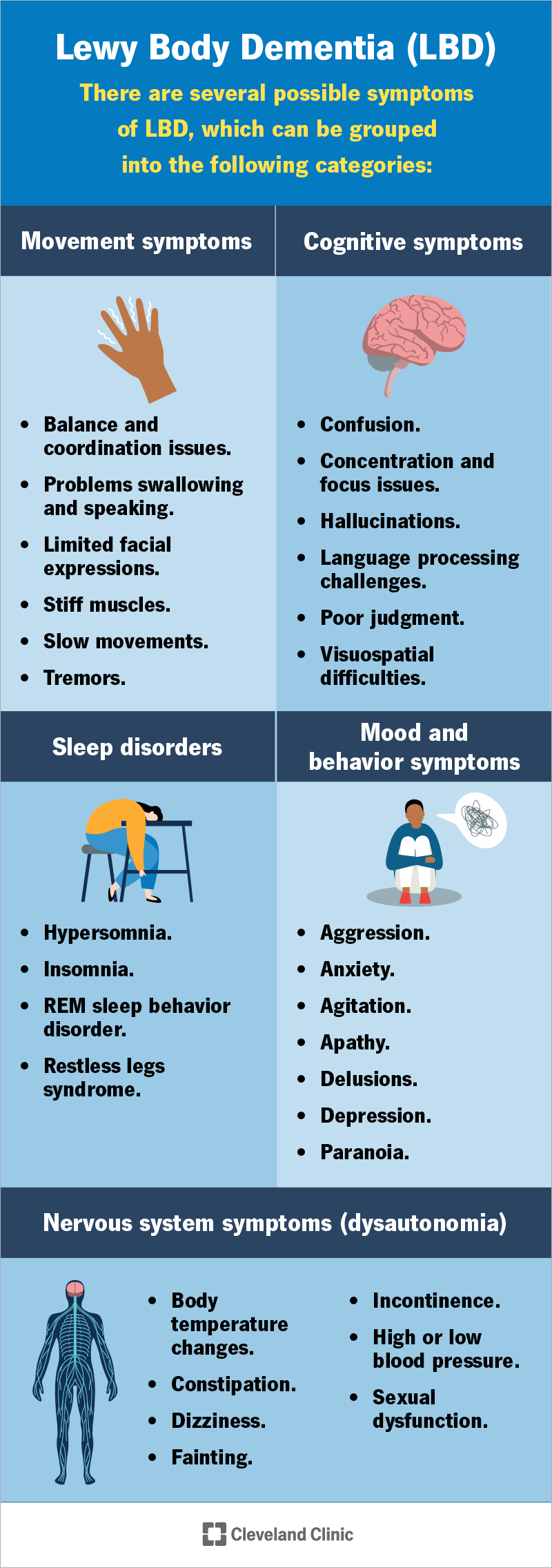
DLB typically begins with subtle cognitive changes, which may include fluctuating attention and alertness, impaired executive function, and difficulties with visuospatial skills. These early symptoms may be easily overlooked or attributed to other causes, such as normal aging or stress. However, they tend to progress over time and become more pronounced, ultimately leading to a significant impact on daily functioning.
Cognitive decline
In DLB, cognitive decline occurs early in the disease course and often affects multiple cognitive domains, including memory, language, and executive function. Unlike Alzheimer’s disease, where memory impairment is usually the initial symptom, DLB is characterized by deficits in attention and visuospatial abilities. These cognitive changes can make it challenging for individuals with DLB to perform everyday tasks and maintain their independence.
Visual hallucinations
Visual hallucinations are a hallmark feature of DLB and are often one of the first symptoms reported by affected individuals. These hallucinations can be vivid and realistic, involving people, animals, or objects. They may occur both during wakefulness and sleep, contributing to disruptions in sleep patterns. Visual hallucinations in DLB are distinct from those seen in other forms of dementia and are considered a major diagnostic criterion.
Parkinsonism
DLB is closely related to Parkinson’s disease, and many individuals with DLB develop parkinsonian motor symptoms, such as bradykinesia (slowness of movement), rigidity, and tremor. However, in DLB, these symptoms tend to be more symmetrical and may fluctuate in severity. The presence of parkinsonism can help differentiate DLB from other forms of dementia, such as Alzheimer’s disease, where motor symptoms are less common.
Other motor symptoms
In addition to parkinsonism, individuals with DLB may experience other motor abnormalities, including gait disturbances, falls, and muscle stiffness. These motor symptoms can significantly affect mobility and increase the risk of injuries. It is essential for healthcare providers to assess and address these motor impairments to improve overall functioning and quality of life in individuals with DLB.

Psychiatric Symptoms
Depression
Depression is common in DLB and can occur at any stage of the disease. It is estimated that up to 50% of individuals with DLB experience symptoms of depression, such as persistent sadness, loss of interest or pleasure in activities, changes in appetite or weight, and sleep disturbances. Treating depression in DLB is crucial as it can significantly impact mood, cognition, and overall well-being.
Anxiety
Anxiety is another common psychiatric symptom in DLB, with up to 75% of individuals experiencing excessive worry, restlessness, irrational fears, and physical manifestations such as palpitations or shortness of breath. Anxiety can worsen cognitive impairment and contribute to a decline in quality of life. Appropriate management strategies, including medications and psychotherapy, can help alleviate anxiety symptoms in individuals with DLB.
Apathy
Apathy refers to a loss of motivation, initiative, and interest in activities. It is estimated that nearly 70% of individuals with DLB experience apathy, which can significantly impair their ability to engage in meaningful activities and participate in social interactions. Apathy is often underrecognized and undertreated in DLB, but interventions targeting this symptom can lead to improved functioning and overall quality of life.
Delusions
Delusions are false beliefs that are firmly held despite evidence to the contrary. They are relatively common in DLB, affecting about 40-50% of individuals. Delusions in DLB often involve paranoid or persecutory themes, with affected individuals believing they are being watched, followed, or plotted against. Delusions can cause significant distress and may require pharmacological intervention to manage the associated agitation or anxiety.
Sleep disturbances
Sleep disturbances are prevalent in DLB and can significantly impact both the affected individual and their caregivers. Rapid Eye Movement (REM) sleep behavior disorder (RBD) is a prominent sleep disturbance in DLB, characterized by vivid and often violent dreams accompanied by abnormal motor behaviors during REM sleep. Insomnia, excessive daytime sleepiness, and restless leg syndrome are also common in DLB and can further contribute to cognitive impairment and behavioral disturbances.
Fluctuating Cognition
Episodic confusion
One of the hallmarks of DLB is fluctuating cognition, which refers to unpredictable changes in cognitive abilities over short periods. Individuals with DLB may experience episodes of confusion or disorientation that come and go, leading to significant challenges in daily functioning. Fluctuating cognition can be distressing for both the affected individual and their caregivers, but understanding and managing these fluctuations can help enhance overall cognitive function.
Attention and alertness variability
Along with episodic confusion, fluctuations in attention and alertness are common in DLB. Individuals may have periods of increased alertness and engagement, followed by periods of drowsiness or inattention. These fluctuations can make it challenging to maintain focus, follow conversations, or complete tasks. Caregivers and healthcare providers play a crucial role in identifying these attentional fluctuations and adjusting strategies accordingly.
Deterioration in executive function
Executive functions, which include skills like planning, problem-solving, and decision-making, are often severely impaired in DLB. The decline in executive function can lead to difficulties with initiating and organizing tasks, multitasking, and adapting to changes in routines. Executive dysfunction in DLB has a significant impact on independence and requires tailored interventions, such as environmental modifications and compensatory strategies, to maximize functioning.

Rapid Eye Movement Sleep Behavior Disorder (RBD)
Definition and prevalence
Rapid Eye Movement (REM) sleep behavior disorder is a sleep disorder characterized by the loss of normal muscle atonia during REM sleep, resulting in disrupted sleep and the acting out of vivid and often violent dreams. RBD is relatively common in DLB and is believed to be a part of the disease spectrum. It is estimated that over 80% of individuals with DLB have RBD, while only a small percentage of the general population has this sleep disorder.
Association with DLB
RBD is considered one of the core features of DLB and can often precede the onset of cognitive and motor symptoms. The presence of RBD is believed to reflect underlying Lewy body pathology in specific brain regions responsible for regulating sleep and wakefulness. Evidence suggests that individuals with RBD are at an increased risk of developing DLB or other synucleinopathies, such as Parkinson’s disease, later in life.
Significance in diagnosis
The presence of RBD can be a valuable clue in the diagnosis of DLB, especially in cases where the cognitive or motor symptoms are not yet apparent. It is important for healthcare providers to inquire about sleep disturbances and to consider further evaluation for DLB in individuals with a history of RBD. Diagnosing DLB early allows for appropriate management strategies to be implemented and can help improve overall outcomes and quality of life.
Autonomic Symptoms
Orthostatic hypotension
Orthostatic hypotension refers to a drop in blood pressure upon standing up, leading to symptoms such as lightheadedness, dizziness, and even fainting. Autonomic dysfunction, including orthostatic hypotension, is common in DLB and can significantly impact an individual’s ability to mobilize safely. Managing orthostatic hypotension in DLB involves lifestyle modifications, such as drinking adequate fluids and avoiding sudden postural changes, as well as pharmacological interventions when necessary.
Urinary and bowel dysfunction
DLB can affect the autonomic nervous system, leading to urinary and bowel dysfunction. Individuals may experience urinary urgency, frequency, or incontinence, as well as constipation or fecal incontinence. These autonomic symptoms can significantly impact an individual’s quality of life and may require the use of medications, dietary modifications, and behavioral interventions to manage effectively.
Sexual dysfunction
Sexual dysfunction is a common but often underreported symptom in DLB. Both men and women may experience a loss of libido, difficulties with arousal or achieving orgasm, and changes in sexual function. Sexual dysfunction can contribute to psychological distress and strain in relationships. Open communication with healthcare providers and the consideration of appropriate interventions, such as medication adjustments or counseling, can help address these concerns.
Sweating abnormalities
Abnormal sweating, including excessive sweating (hyperhidrosis) or reduced sweating (anhidrosis), can occur in individuals with DLB due to autonomic dysfunction. These sweating abnormalities may be bothersome and can lead to skin problems or discomfort. Managing sweating abnormalities in DLB typically involves addressing the underlying autonomic dysfunction and implementing strategies to maintain skin hygiene and comfort.

Neuroleptic Sensitivity
Increased risk of adverse reactions
Individuals with DLB are highly sensitive to neuroleptic medications, commonly used to manage behavioral and psychological symptoms of dementia. Neuroleptics, such as typical antipsychotics, can worsen motor symptoms, increase the risk of falls, and lead to severe side effects, including neuroleptic malignant syndrome. This sensitivity is believed to be related to the underlying dopamine dysfunction in DLB and highlights the need for cautious medication management in this population.
Role of antipsychotic medications
While neuroleptic medications should generally be avoided in DLB due to the risk of worsening symptoms, there may be situations where their use becomes necessary. Atypical antipsychotics, such as quetiapine, are typically preferred over typical antipsychotics due to their lower risk of extrapyramidal side effects. The decision to use antipsychotic medications in DLB requires careful consideration of the potential benefits and risks, with close monitoring for adverse effects.
Diagnosis
Diagnostic criteria
The diagnosis of DLB is primarily based on clinical criteria, as there are currently no definitive pathological or biomarker tests available. The consensus criteria for diagnosing DLB include two levels: the probable DLB diagnosis and the possible DLB diagnosis. The probable DLB diagnosis requires the occurrence of dementia along with two or more core features, such as visual hallucinations, parkinsonism, or fluctuating cognition. The possible DLB diagnosis allows for the presence of only one core feature, along with supportive biomarkers or imaging findings.
Differential diagnosis
Differentiating DLB from other forms of dementia, such as Alzheimer’s disease or Parkinson’s disease dementia, can be challenging due to overlapping clinical features. However, certain characteristics, such as early and prominent cognitive fluctuations, visual hallucinations, and parkinsonism, increase the likelihood of a DLB diagnosis. Comprehensive evaluations, including a detailed clinical history, neurological examination, and neuropsychological testing, can help differentiate DLB from other conditions and guide appropriate management strategies.

Treatment
Non-pharmacological interventions
Non-pharmacological interventions play a crucial role in the management of DLB and should be considered as the first-line approach whenever possible. These interventions include providing education and support to individuals and their caregivers, optimizing the environment to reduce sensory overload and fall risks, and implementing strategies to enhance cognitive functioning. Occupational therapy and speech therapy can also be beneficial in addressing functional impairments and communication difficulties.
Pharmacological treatment
Pharmacological treatment in DLB aims to manage specific symptoms, such as cognitive impairment, psychiatric symptoms, and motor abnormalities. Cholinesterase inhibitors, such as donepezil, are commonly prescribed to improve cognitive function and alleviate behavioral symptoms. Certain medications, such as selective serotonin reuptake inhibitors (SSRIs) or serotonin-norepinephrine reuptake inhibitors (SNRIs), may be used to target depression, anxiety, or apathy. The use of medications for Parkinson’s disease, such as levodopa, can help manage parkinsonism in DLB. However, medication management should be individualized, taking into account the person’s overall health, potential drug interactions, and the risk of side effects.
Management of motor symptoms
Motor symptoms, such as parkinsonism and gait disturbances, can impact mobility and increase the risk of falls in individuals with DLB. Physical therapy can play a crucial role in managing these symptoms by improving balance, strength, and coordination. Assistive devices, such as walkers or canes, may also be recommended to enhance safety during ambulation. In some cases, the use of medications, such as levodopa or dopamine agonists, can help alleviate motor symptoms and improve overall functioning.
Prognosis
Average life expectancy
The prognosis of DLB varies depending on multiple factors, including the age and overall health of the individual, the severity of symptoms, and the presence of comorbidities. On average, individuals with DLB have a shorter life expectancy compared to those with Alzheimer’s disease or vascular dementia. Studies suggest that the average survival after the onset of DLB ranges from 5 to 8 years, although some individuals may live for as long as 20 years with proper management and supportive care.
Disability and quality of life
DLB often leads to significant disability and a decline in the quality of life for affected individuals and their caregivers. The complex interplay of cognitive, motor, and psychiatric symptoms can make it challenging to maintain independence, engage in meaningful activities, and maintain social connections. However, appropriate management strategies, including a multidisciplinary approach involving healthcare providers, therapists, and support services, can help optimize care and improve overall outcomes in individuals living with DLB.
In conclusion, Dementia with Lewy Bodies (DLB) is a complex neurodegenerative disorder characterized by cognitive decline, visual hallucinations, motor abnormalities, and psychiatric symptoms. The diagnosis of DLB requires careful evaluation and consideration of specific clinical criteria, as there are currently no definitive tests available. Management of DLB involves a multidisciplinary approach, including non-pharmacological interventions, pharmacological treatment targeting specific symptoms, and supportive care. Although DLB can have a significant impact on an individual’s functioning and quality of life, early diagnosis and appropriate interventions can help optimize care and improve overall outcomes.