
If you or someone you know is affected by Dementia with Lewy Bodies, you’ll be relieved to know that there may be some promising treatments on the horizon. This form of dementia, characterized by a combination of cognitive decline, movement and sleep disturbances, and hallucinations, can be incredibly challenging to manage. However, recent research has brought to light potential therapies that could help improve the lives of those living with this condition. In this article, we will explore some of these exciting treatment options and their potential impact on individuals with Dementia with Lewy Bodies.

Current understanding of Dementia with Lewy Bodies
Dementia with Lewy Bodies (DLB) is a neurodegenerative disorder that is characterized by the presence of abnormal protein clusters, called Lewy bodies, in the brain. These Lewy bodies are mainly composed of a protein called alpha-synuclein and are associated with the degeneration of brain cells in areas responsible for thinking, memory, and movement. DLB shares similarities with other types of dementia, such as Alzheimer’s disease and Parkinson’s disease, but has its unique set of symptoms and diagnostic criteria.
Definition and symptoms of Dementia with Lewy Bodies
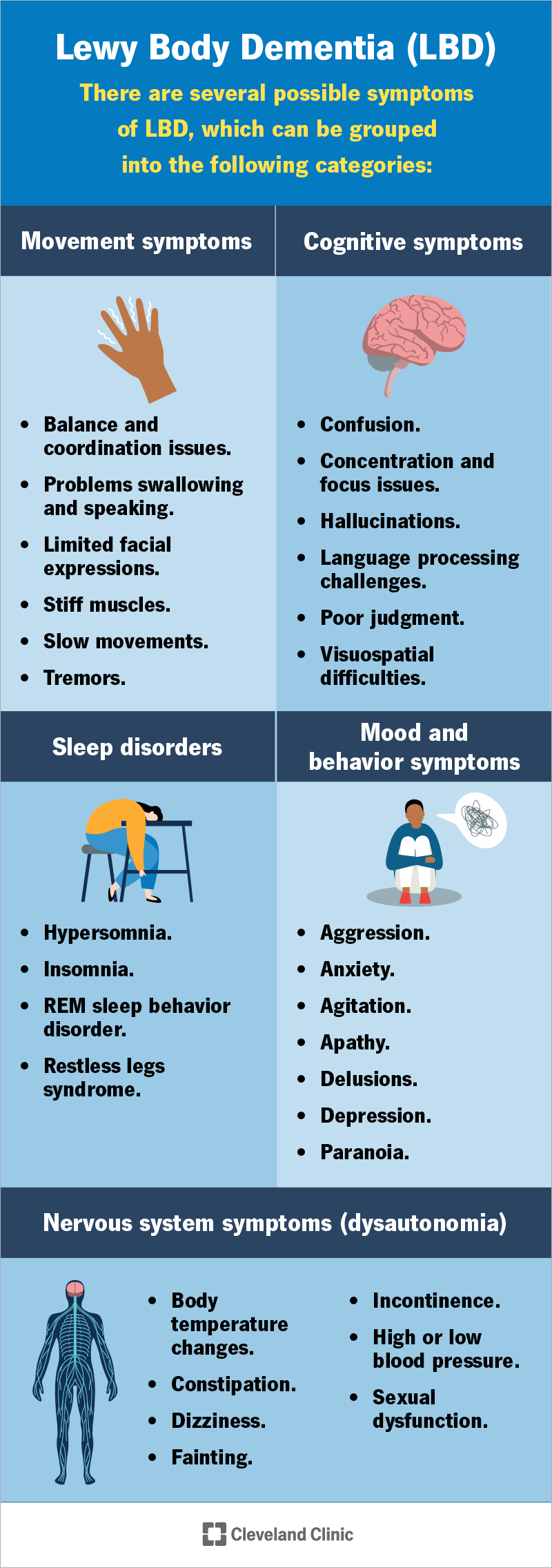
DLB is a progressive dementia that typically presents with a combination of cognitive, motor, and psychiatric symptoms. The defining feature of DLB is the presence of cognitive fluctuations, which means that individuals with DLB experience unpredictable changes in attention, alertness, and confusion throughout the day. Other cognitive symptoms include problems with memory, executive function, and visuospatial abilities.
Motor symptoms in DLB are similar to those observed in Parkinson’s disease and can include muscle stiffness, tremors, and slowed movement. These motor symptoms may be more pronounced during the later stages of the disease.
Psychiatric symptoms are also common in DLB and can include depression, anxiety, hallucinations, and delusions. Visual hallucinations, in particular, are characteristic of DLB and can be one of the earliest symptoms.
Causes and risk factors of Dementia with Lewy Bodies
The exact causes of DLB are still not fully understood, but there are several potential factors that may contribute to its development. One of the key factors is the accumulation of abnormal alpha-synuclein protein in the brain, but the reasons behind this accumulation are still being investigated.
Certain genetic mutations are believed to increase the risk of developing DLB, although these mutations are relatively rare. Additionally, age is a significant risk factor, with DLB most commonly affecting individuals over the age of 65.
Similarities and differences with other types of dementia
DLB shares some similarities with other types of dementia, particularly Alzheimer’s disease and Parkinson’s disease. All three conditions involve the accumulation of abnormal proteins in the brain and cause progressive loss of cognitive function. However, DLB stands out due to its unique combination of cognitive fluctuations, visual hallucinations, and motor symptoms.
Compared to Alzheimer’s disease, DLB tends to have a more rapid onset and progression. On the other hand, DLB differs from Parkinson’s disease dementia in that the cognitive symptoms appear earlier in the disease course and are more prominent.
Diagnosing Dementia with Lewy Bodies
Diagnosing DLB can be challenging due to the overlap of symptoms with other dementias and the variable presentation of the disease. However, early and accurate diagnosis is crucial for appropriate management and treatment.
Challenges in diagnosing Dementia with Lewy Bodies
One of the primary challenges in diagnosing DLB is distinguishing it from other types of dementia, such as Alzheimer’s disease and Parkinson’s disease dementia. The overlapping symptoms and shared pathological features can lead to misdiagnosis or delayed diagnosis. Additionally, the fluctuating nature of cognitive symptoms in DLB can further complicate the diagnostic process, as individuals may appear more cognitively intact during clinical assessments.
Diagnostic criteria and clinical assessments
To aid in the diagnosis of DLB, several diagnostic criteria have been established, including those developed by the Consortium on Dementia with Lewy Bodies (DLB Consortium) and the International Parkinson and Movement Disorder Society (MDS). These criteria emphasize the core clinical features of DLB, such as cognitive fluctuations, visual hallucinations, and parkinsonism.
Clinical assessments, including cognitive testing, neurological examinations, and psychiatric evaluations, are essential in evaluating individuals suspected of having DLB. These assessments help to identify the presence of characteristic symptoms and rule out other potential causes of cognitive impairment.
Role of imaging and biomarkers
Imaging techniques, such as magnetic resonance imaging (MRI) and positron emission tomography (PET), can provide valuable information in the diagnosis of DLB. These imaging modalities can help identify patterns of brain atrophy and assess the presence of abnormal protein deposits, such as amyloid and tau, which are commonly seen in other dementias.
Biomarkers, including cerebrospinal fluid analysis and blood tests, are also being investigated for their potential role in diagnosing DLB. These biomarkers may help detect specific molecular abnormalities associated with the disease and aid in distinguishing DLB from other dementias.

Conventional treatments for Dementia with Lewy Bodies
Currently, there is no cure for DLB, and treatment primarily focuses on managing its symptoms and improving quality of life. A multidisciplinary approach involving healthcare professionals from various disciplines is often adopted to address the complex needs of individuals with DLB.
Overview of current treatment options
The treatment of DLB typically involves a combination of pharmacological and non-pharmacological interventions. Medications may be prescribed to manage cognitive symptoms, motor symptoms, and psychiatric symptoms. Non-pharmacological interventions, such as cognitive stimulation therapy, occupational therapy, and physical exercise, can also play a crucial role in improving daily functioning and overall well-being.
Medication to manage cognitive symptoms
Cholinesterase inhibitors, such as rivastigmine, are commonly prescribed to manage cognitive symptoms in DLB. These medications work by increasing the levels of acetylcholine, a neurotransmitter involved in memory and cognition. Cholinesterase inhibitors have been shown to improve cognitive function, attention, and activities of daily living in individuals with DLB.
Medication to manage motor symptoms
For the management of motor symptoms in DLB, medications targeting dopamine, such as levodopa, may be prescribed. Levodopa is a precursor to dopamine and can help alleviate stiffness, tremors, and other motor difficulties associated with DLB.
Non-pharmacological interventions
Non-pharmacological interventions, including cognitive stimulation therapy, occupational therapy, physical exercise, and music and art therapy, can provide meaningful benefits in individuals with DLB. These interventions aim to improve cognition, enhance daily functioning, maintain mobility, and promote overall well-being.
Promising medication-based treatments for Dementia with Lewy Bodies
Various medication-based treatments are currently being investigated for their potential use in managing DLB symptoms. While further research is needed, some medications show promise and may offer new avenues for treatment.
Cholinesterase inhibitors
Cholinesterase inhibitors, such as donepezil and galantamine, have shown efficacy in improving cognitive function and reducing psychiatric symptoms in DLB. These medications work by increasing the levels of acetylcholine, a neurotransmitter involved in memory and cognition.
Glutamate modulators
Abnormalities in the glutamate system have been implicated in DLB, and medications targeting glutamate receptors are being explored as potential treatments. Memantine, a glutamate modulator, has shown some benefit in improving cognitive and psychiatric symptoms in DLB.
Antidepressants
Depression is a common symptom in DLB, and antidepressant medications, such as selective serotonin reuptake inhibitors (SSRIs), may be prescribed to manage this symptom. SSRIs work by increasing the levels of serotonin, a neurotransmitter involved in mood regulation.
Anti-psychotics
Anti-psychotic medications may be prescribed to manage psychotic symptoms, such as hallucinations and delusions, in DLB. However, caution must be exercised when using these medications due to the increased risk of adverse effects, such as sedation and worsened parkinsonism.
Investigational medications and clinical trials for Dementia with Lewy Bodies
Numerous clinical trials are underway to explore potential disease-modifying drugs and novel medications targeting specific pathways in DLB.
Potential disease-modifying drugs
Researchers are investigating various drugs that have the potential to modify the underlying disease process in DLB. These drugs target factors such as abnormal protein accumulation, inflammation, and oxidative stress, which are believed to contribute to the progression of the disease.
Novel medications targeting specific pathways
Several innovative medications are being developed to target specific pathways involved in the pathogenesis of DLB. These medications aim to modulate alpha-synuclein metabolism, enhance neurotransmitter function, or protect against neurodegeneration.
Ongoing and upcoming clinical trials
Various clinical trials are currently underway to assess the safety and efficacy of novel treatments for DLB. These trials involve the testing of new medications, as well as the investigation of existing drugs approved for other conditions that may have potential benefits in DLB.
Non-pharmacological interventions for Dementia with Lewy Bodies
In addition to medication-based treatments, non-pharmacological interventions play a crucial role in managing the symptoms and improving the quality of life for individuals with DLB.
Cognitive stimulation therapy
Cognitive stimulation therapy involves engaging individuals in activities and exercises that stimulate various cognitive functions, such as memory, attention, and problem-solving. This form of therapy aims to improve cognitive abilities and enhance overall well-being.
Occupational therapy
Occupational therapy focuses on improving the ability to perform daily activities and maintaining independence. Occupational therapists work with individuals with DLB to develop strategies, provide assistive devices, and modify the environment to maximize functioning and quality of life.
Physical exercise and balance training
Physical exercise and balance training can help individuals with DLB maintain mobility, improve muscle strength, and reduce the risk of falls. Exercise programs tailored to the individual’s abilities and needs can have significant benefits in terms of physical and cognitive functioning.
Music and art therapy
Music and art therapy offer creative and expressive outlets for individuals with DLB. These therapies can help enhance mood, reduce anxiety, improve communication, and provide a sense of enjoyment and fulfillment.

Emerging technologies for Dementia with Lewy Bodies
Advancements in technology have the potential to revolutionize the care and management of DLB. Several emerging technologies show promise in enhancing the well-being and quality of life for individuals with DLB.
Virtual reality therapy
Virtual reality therapy involves the use of immersive virtual environments to provide therapeutic experiences. This technology can be utilized to improve cognition, enhance mobility, alleviate anxiety, and provide enjoyable and engaging activities for individuals with DLB.
Robotics and assistive devices
Robotic devices and assistive technologies can assist individuals with DLB in performing daily tasks, such as dressing, eating, and mobility. These devices can help improve independence, reduce caregiver burden, and promote a sense of autonomy.
Smart home technologies
Smart home technologies, including home automation systems and remote monitoring devices, can provide a supportive and safe environment for individuals with DLB. These technologies can help with medication reminders, fall detection, and emergency response, allowing individuals to age in place with dignity and safety.
Telemedicine and remote monitoring
Telemedicine and remote monitoring technologies enable healthcare professionals to assess and monitor individuals with DLB from a distance. This can be especially beneficial for those with limited mobility or living in remote areas, providing access to specialized care and reducing the burden of travel.
Integrative approaches for Dementia with Lewy Bodies
Integrative approaches involve combining conventional medical therapies with complementary and alternative treatments to optimize symptom management and overall well-being in individuals with DLB.
Nutritional interventions
Certain dietary modifications and nutritional supplements may offer benefits in managing DLB symptoms. For example, a diet rich in antioxidants and omega-3 fatty acids may have neuroprotective effects. Additionally, supplements such as B vitamins and vitamin D may support cognitive function and overall brain health.
Complementary and alternative therapies
Complementary and alternative therapies, such as acupuncture, aromatherapy, and herbal medicine, may have a role in managing certain symptoms of DLB, such as pain, sleep disturbances, and anxiety. However, it is essential to consult with healthcare professionals before incorporating these therapies into the treatment plan.
Mind-body interventions
Mind-body interventions, including mindfulness meditation, yoga, and tai chi, can help reduce stress, enhance relaxation, and improve overall well-being in individuals with DLB. These practices may also have positive effects on cognition, mood, and physical functioning.
Combination approaches
Integrative approaches often involve combining various therapies and interventions to address the complex needs of individuals with DLB comprehensively. This personalized and multi-faceted approach aims to optimize symptom management, promote overall health, and improve quality of life.

Clinical management and care strategies for Dementia with Lewy Bodies
Clinical management of DLB requires a multidisciplinary approach involving healthcare professionals from various disciplines. The focus is not only on the individual with DLB but also on providing support and resources for their caregivers.
Multidisciplinary approach to care
An optimal care plan for DLB involves the collaboration of neurologists, geriatricians, psychiatrists, nurses, occupational therapists, physical therapists, and other healthcare professionals. This multidisciplinary team can provide comprehensive assessments, personalized treatment plans, and ongoing support for individuals with DLB and their caregivers.
Support for caregivers
Caregivers of individuals with DLB play a vital role in providing daily care and support. However, caregiving can be physically, emotionally, and mentally challenging. It is essential to provide caregivers with education, respite care, and access to support groups to help them cope with the demands of caregiving and maintain their own well-being.
End-of-life planning and palliative care
End-of-life planning and palliative care are crucial components of clinical management for individuals with DLB. These aspects focus on ensuring comfort, dignity, and quality of life, particularly in the later stages of the disease. Advance care planning, including discussions about preferences for medical interventions and end-of-life decisions, can help individuals and their families navigate this challenging time.
Education and support groups
Education about DLB, its symptoms, and management strategies is vital for individuals with the disease and their families. Support groups provide an opportunity for individuals to connect with others facing similar challenges, share experiences, and receive emotional support. These resources can help individuals and their families navigate the complexities of DLB and find solace in a supportive community.
Challenges and future directions in the treatment of Dementia with Lewy Bodies
Despite advancements in understanding and treatment, several challenges and research gaps still exist in the field of DLB. Addressing these challenges and focusing on future research priorities is essential to improve the diagnosis, management, and outcomes for individuals with DLB.
Barriers to advancements in treatment
Limited awareness and recognition of DLB among healthcare professionals and the general public can delay diagnosis and appropriate management. Additionally, the complex nature of DLB, with its overlapping symptoms and variable progression, presents challenges in research and clinical practice. Further research is needed to unravel the underlying mechanisms of DLB and develop targeted treatments.
Unmet needs and research gaps
There are several unmet needs and research gaps in the field of DLB. These include the development of reliable biomarkers for early diagnosis, the identification of genetic and environmental risk factors, and the exploration of potential disease-modifying interventions. There is also a need for studies focusing on optimizing non-pharmacological interventions, incorporating technology-based interventions, and improving care strategies for individuals with DLB.
Priority areas for future research
Future research in DLB should prioritize several key areas. These include the validation of diagnostic criteria, the development of biomarkers for early detection, the identification of novel therapeutic targets, and the exploration of personalized treatment approaches. Longitudinal studies and larger clinical trials are needed to evaluate the safety and efficacy of promising treatments and interventions. Additionally, studies focusing on improving caregiver support and addressing the psychosocial impact of DLB are essential to enhance the overall well-being of individuals with the disease and their families.
In conclusion, Dementia with Lewy Bodies is a complex and debilitating neurodegenerative disorder that requires a comprehensive and multidisciplinary approach to management. While there are currently no curative treatments available, conventional treatments, promising medication-based treatments, non-pharmacological interventions, emerging technologies, integrative approaches, and clinical management and care strategies can all play a vital role in improving the quality of life for individuals with DLB. However, further research is needed to overcome the challenges, fill the research gaps, and address the unmet needs in DLB, ultimately leading to better diagnostics, more effective treatments, and improved outcomes for those living with this devastating condition.