
Mononucleosis, also known as mono, is a common viral infection that causes fatigue, sore throat, and swollen lymph nodes. While most cases of mono resolve on their own within a few weeks, there are a number of complications that can arise from this illness. In this article, we will explore the various complications of mono, including hepatitis, anemia, and potential neurological complications. By understanding the possible complications, you will be better equipped to recognize and manage the symptoms of mono, ensuring a quicker and smoother recovery process.
Overview of Mononucleosis
Definition of mononucleosis
Mononucleosis, also known as mono or the “kissing disease,” is a viral infection caused by the Epstein-Barr virus (EBV). It is characterized by flu-like symptoms, including extreme fatigue, sore throat, and swollen lymph nodes. Mononucleosis primarily affects teenagers and young adults, but it can also impact people of all ages.
Epidemiology of mononucleosis
Mononucleosis is a common illness worldwide. It is estimated that around 90% of the global population has been infected with EBV at some point in their lives, with most infections occurring during childhood or adolescence. The virus is highly contagious and can spread through direct contact with infected saliva, such as kissing or sharing utensils. The incidence of mononucleosis is higher in developed countries and tends to increase during late winter and early spring.
Causes of mononucleosis
The primary cause of mononucleosis is the Epstein-Barr virus (EBV). This virus belongs to the herpes virus family and is typically transmitted through close contact with an infected individual. Once the virus enters the body, it infects B lymphocytes, a type of white blood cell, leading to an immune response and the characteristic symptoms of mononucleosis.
Transmission of mononucleosis
As mentioned earlier, mononucleosis is primarily transmitted through direct contact with infected saliva. This can occur through activities such as kissing, sharing utensils, or drinking from the same glass as an infected person. It can also spread through respiratory droplets when an infected individual coughs or sneezes. Additionally, mononucleosis can be transmitted through blood transfusions or organ transplantations, although these modes of transmission are rare.
Signs and Symptoms of Mononucleosis
Common symptoms of mononucleosis
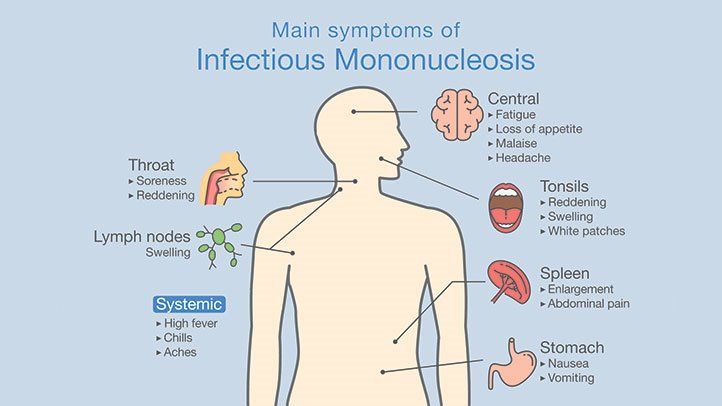
The most common symptoms of mononucleosis include extreme fatigue, sore throat, swollen lymph nodes, and fever. Individuals with mono often experience a severe sore throat that makes swallowing difficult. They may also have a lack of appetite, body aches, and headaches. In some cases, the liver and spleen may become enlarged, leading to upper abdominal pain.
Atypical symptoms of mononucleosis
While the aforementioned symptoms are typical of mononucleosis, there are some atypical symptoms that may arise. These can include a rash, jaundice (yellowing of the skin and eyes), enlarged tonsils with a white coating, and swollen eyelids. Some individuals may also experience depression, anxiety, or confusion as a result of the infection.
Length and progression of symptoms
The symptoms of mononucleosis usually begin to appear within four to six weeks after infection with the Epstein-Barr virus. The initial symptoms may be mild and flu-like but can gradually worsen over the course of a week or two. Most individuals experience symptoms for two to four weeks, although fatigue and malaise can persist for several more weeks or even months.
Diagnosis and Testing
Physical examination and medical history
When diagnosing mononucleosis, healthcare providers typically start with a physical examination and a thorough review of the patient’s medical history. They will look for common symptoms associated with mono, such as enlarged lymph nodes or tonsils, and inquire about recent exposure to individuals with mononucleosis or any other potential risk factors.
Blood tests for mononucleosis
Blood tests are commonly used to confirm the diagnosis of mononucleosis. These tests measure various factors, including the presence of specific antibodies produced by the immune system in response to the Epstein-Barr virus. A complete blood count (CBC) is also performed to assess the number and types of blood cells, as mononucleosis can lead to an increase in the number of white blood cells.
Differential diagnoses
It is important to differentiate mononucleosis from other conditions with similar symptoms. Differential diagnoses for mono may include strep throat, tonsillitis, influenza, or other viral infections. The results of the physical examination, medical history, and blood tests help healthcare providers rule out other potential causes and arrive at an accurate diagnosis.
Complications in diagnosing mononucleosis
Diagnosing mononucleosis can be challenging due to the overlapping symptoms with other common illnesses. Additionally, some individuals may have mild or atypical symptoms, making it difficult to identify the underlying cause. In such cases, additional testing or consultation with specialists may be necessary to reach a definitive diagnosis.
Complications of Mononucleosis
Splenic complications
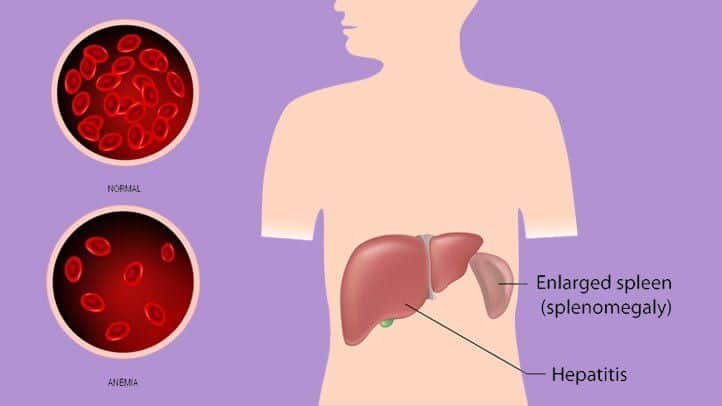
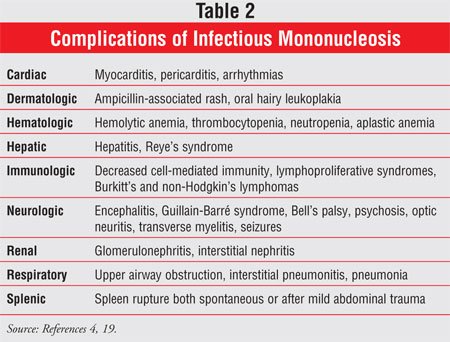
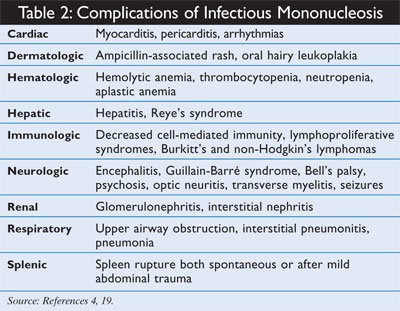
One of the potential complications of mononucleosis is splenic enlargement, also known as splenomegaly. The spleen, a vital organ located in the left upper abdomen, can become enlarged due to the inflammation caused by the Epstein-Barr virus. In rare cases, the enlarged spleen can rupture, leading to life-threatening internal bleeding.
Hepatic complications
The liver can also be affected by mononucleosis, leading to hepatic complications. Hepatitis, inflammation of the liver, can occur, resulting in symptoms such as jaundice, abdominal pain, and elevated liver enzymes. While severe liver involvement is rare, it is crucial to monitor liver function and provide appropriate management if complications arise.
Respiratory complications
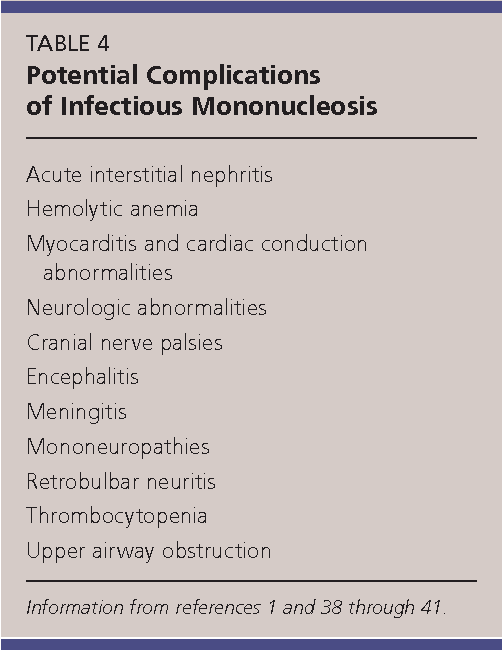
Although uncommon, mononucleosis can cause respiratory complications. These may include pneumonia, difficulty breathing, or acute respiratory distress syndrome (ARDS). Individuals with severe respiratory symptoms may require hospitalization for close monitoring and supportive care.
Neurological complications
In rare cases, mononucleosis can affect the central nervous system, leading to neurological complications. Meningitis, inflammation of the membranes surrounding the brain and spinal cord, can occur and may present with symptoms such as headache, neck stiffness, and sensitivity to light. Encephalitis, inflammation of the brain, is another potential complication that can cause neurological symptoms such as seizures or altered mental status.
Cardiovascular complications
While uncommon, mononucleosis can occasionally affect the cardiovascular system. Myocarditis, inflammation of the heart muscle, can occur and may result in symptoms such as chest pain, irregular heart rhythms, or heart failure. These complications require prompt medical evaluation and management.
Hematological complications
Mononucleosis can impact the blood, leading to hematological complications. These may include anemia, thrombocytopenia (low platelet count), or abnormalities in other blood cell counts. Individuals with severe hematological complications may require monitoring and, in some cases, blood transfusions.
Gastrointestinal complications
In rare instances, mononucleosis can cause gastrointestinal complications such as abdominal pain, nausea, vomiting, or diarrhea. These symptoms are usually self-limiting and resolve on their own with symptom management.
Renal complications
Renal complications associated with mononucleosis are extremely rare. In some cases, individuals may experience glomerulonephritis, inflammation of the small blood vessels in the kidneys. Symptoms can include blood in the urine, swelling, and changes in urine output. Prompt medical evaluation is necessary if renal complications are suspected.
Endocrine complications
While less common, mononucleosis can affect the endocrine system. It can lead to inflammation of the thyroid gland, known as thyroiditis, resulting in symptoms such as neck pain, fatigue, and disturbances in thyroid hormone levels. Close monitoring and appropriate management are essential for individuals with endocrine complications.
Psychiatric complications
In some cases, mononucleosis can have psychological impacts, leading to psychiatric complications. Individuals may experience mood changes, depression, or anxiety during their illness. Emotional support, counseling, or referral to mental health professionals may be necessary to address these complications.
Management and Treatment of Complications
Splenic complications management
If an individual with mononucleosis develops splenomegaly, they must avoid any activities that could potentially cause trauma to the abdomen, such as contact sports. Close monitoring of the spleen’s size is necessary, and surgical intervention may be required if a rupture occurs.
Hepatic complications management
Management of hepatic complications involves close monitoring of liver function and ensuring the individual receives adequate rest, hydration, and nutrition. Medications may be administered to alleviate symptoms such as jaundice or abdominal pain, and in severe cases, hospitalization and specialized care may be necessary.
Respiratory complications management
Treatment for respiratory complications of mononucleosis focuses on supportive care. This may involve administering oxygen, providing fluids, and using medications to alleviate symptoms such as cough or difficulty breathing. Hospitalization may be required for individuals with severe respiratory distress.
Neurological complications management
In the case of neurological complications, close monitoring and supportive care are necessary. Treatment may involve medications to manage symptoms such as seizures or intracranial pressure. In severe cases, hospitalization in a specialized neurology or intensive care unit may be warranted.
Cardiovascular complications management
Cardiovascular complications require immediate medical attention. Treatment involves addressing any underlying cardiac issues, providing supportive care, and managing symptoms such as chest pain or irregular heart rhythms. In severe cases, cardiac interventions may be necessary.
Hematological complications management
The management of hematological complications depends on the specific complication present. This may involve blood transfusions, medication to stimulate red or white blood cell production, or addressing underlying causes such as autoimmune reactions. Close monitoring by a hematologist is often necessary.
Gastrointestinal complications management
Gastrointestinal complications associated with mononucleosis are usually self-limiting and resolve with symptom management. Treatment focuses on alleviating symptoms such as abdominal pain, nausea, or diarrhea, and ensuring proper hydration and nutrition.
Renal complications management
Management of renal complications in mononucleosis often involves addressing the underlying cause, such as glomerulonephritis. This may include medications to reduce inflammation, dietary modifications, and close monitoring of kidney function. Consultation with a nephrologist is typically necessary.
Endocrine complications management
In the case of endocrine complications, management may involve medications to address thyroid inflammation, close monitoring of thyroid hormone levels, and appropriate treatment for any resulting hormonal imbalances. Consultation with an endocrinologist is commonly recommended.
Psychiatric complications management
Psychiatric complications associated with mononucleosis may require professional help, such as counseling or referral to a mental health specialist. Providing emotional support, education, and appropriate interventions to address any mood changes or psychological distress is crucial.
Prevention and Prognosis
Preventive measures for mononucleosis
Since mononucleosis is primarily transmitted through direct contact with infected saliva, practicing good hygiene and avoiding close contact with individuals who have active infections can help prevent its spread. This includes not sharing utensils, avoiding kissing or intimate contact during an active infection, and practicing regular handwashing.
Prognosis of mononucleosis
The prognosis for mononucleosis is generally good, with most individuals recovering fully within a few weeks. However, fatigue and malaise can persist for an extended period, sometimes lasting several months. Complications, while possible, are rare, and prompt medical attention and appropriate management can minimize their impact.
Long-term effects and complications
In a few cases, individuals may experience long-term effects or complications from mononucleosis. These can include chronic fatigue syndrome, which is characterized by prolonged and debilitating fatigue, as well as potential impacts on immune function. Regular follow-up with healthcare providers is crucial for monitoring and managing any long-term effects or complications.
Risk Factors
Age and mononucleosis
Mononucleosis primarily affects teenagers and young adults, with the highest incidence occurring between the ages of 15 and 24. While it can affect individuals of all ages, younger individuals tend to be more susceptible to the infection due to close contact with others in school or social settings.
Gender and mononucleosis
Gender does not significantly impact the risk of acquiring mononucleosis. Both males and females are equally susceptible to the infection and its complications.
Immune system status and mononucleosis
Individuals with weakened immune systems, such as those with HIV/AIDS or undergoing immunosuppressive therapy, may be at a higher risk of severe or prolonged mononucleosis. Their immune systems may struggle to effectively combat the Epstein-Barr virus, leading to more pronounced symptoms and potential complications.
Lifestyle factors and mononucleosis
Certain lifestyle factors can increase the risk of contracting mononucleosis. Engaging in behaviors such as kissing multiple partners, sharing drinking glasses or utensils, and participating in contact sports without taking appropriate precautions can elevate the risk of transmission. Adopting healthy lifestyle practices, such as good hygiene and avoiding high-risk activities, can help reduce the likelihood of infection.
Pregnancy and Mononucleosis
Effects of mononucleosis on pregnancy
Contracting mononucleosis during pregnancy does not typically pose a significant risk to the developing fetus. However, it is essential to monitor the expecting mother’s health and manage symptoms appropriately to ensure her well-being and the health of the baby. Complications, such as splenic rupture or severe liver involvement, can impact pregnancy and may require specialized care.
Management and recommendations during pregnancy
Pregnant individuals diagnosed with mononucleosis should receive regular prenatal care and maintain open communication with their healthcare provider. Rest, hydration, and over-the-counter pain medications approved by the healthcare provider may be recommended to alleviate symptoms. Close monitoring of any potential complications is essential.
Mononucleosis Complications in Children
Different manifestations in children
Mononucleosis in children can have different manifestations compared to teenagers or adults. Younger children may experience milder symptoms, and the infection can sometimes present as a flu-like illness rather than the typical symptoms seen in older individuals. Children may be less likely to complain of a sore throat or extreme fatigue.
Diagnosis challenges in children
Diagnosing mononucleosis in children can be challenging due to the overlapping symptoms with other common childhood illnesses. Additionally, younger children may have difficulty relaying their symptoms accurately or may not have noticeable symptoms at all. Healthcare providers may need to rely on laboratory testing and careful evaluation to arrive at a diagnosis.
Treatment approaches for children
Treatment for mononucleosis in children focuses on supportive care and managing symptoms. This includes ensuring adequate rest, providing hydration, and administering over-the-counter pain medications as directed by the healthcare provider. Monitoring for any potential complications is crucial, particularly in young children who may be at higher risk.
Conclusion
Mononucleosis, caused by the Epstein-Barr virus, is a common viral infection that primarily affects teenagers and young adults. While most individuals experience mild symptoms and recover fully within a few weeks, there are potential complications that can arise. Prompt diagnosis and appropriate management of these complications, such as splenic or hepatic involvement, respiratory or neurological complications, and other systemic effects, are essential for the well-being of individuals with mononucleosis. By practicing preventive measures and seeking timely medical attention, the prognosis for mononucleosis is generally favorable, with most individuals able to resume their normal activities after recovery.