
Hey there! Did you know that there is a fascinating link between mononucleosis, also known as the “kissing disease,” and chronic fatigue syndrome? Mononucleosis, or mono for short, is a viral infection that can cause extreme fatigue, among other symptoms. Interestingly, research has shown that individuals who have had mono are more likely to develop chronic fatigue syndrome later in life. In this article, we’ll explore this intriguing connection and delve into the potential reasons behind it. So, grab a cup of tea and get ready to uncover the fascinating link between mono and chronic fatigue syndrome!

Overview of Mononucleosis
Mononucleosis, also known as “mono”, is a viral infection that is commonly caused by the Epstein-Barr virus (EBV). It primarily affects teenagers and young adults, although people of all ages can contract it. Mono is often referred to as the “kissing disease” because it is typically transmitted through saliva, leading to its prevalence among young individuals who engage in close contact activities such as kissing, sharing drinks, and using the same utensils. This contagious infection is characterized by symptoms such as extreme fatigue, sore throat, swollen lymph nodes, and fever.
Causes of Mononucleosis
As mentioned earlier, mononucleosis is most frequently caused by the Epstein-Barr virus (EBV). EBV is a member of the herpesvirus family and is one of the most common viruses worldwide. It is primarily transmitted through direct contact with saliva or other bodily fluids of an infected person. In addition to EBV, other viruses such as cytomegalovirus (CMV) and the hepatitis virus can also cause similar symptoms to mononucleosis.
Symptoms of Mononucleosis
The symptoms of mononucleosis can vary from person to person, but they typically include extreme fatigue, sore throat, swollen lymph nodes, fever, headache, and muscle weakness. In some cases, individuals may also experience an enlarged spleen or liver, loss of appetite, and a skin rash. While most people recover within a few weeks, some individuals may experience lingering fatigue and weakness for several months.
Link between Mononucleosis and Chronic Fatigue Syndrome
Definition of Chronic Fatigue Syndrome
Chronic Fatigue Syndrome (CFS), also known as myalgic encephalomyelitis (ME), is a complex and debilitating condition characterized by extreme fatigue that is not alleviated by rest. The fatigue experienced by individuals with CFS is often accompanied by other symptoms such as cognitive difficulties, muscle and joint pain, and sleep disturbances. The exact cause of CFS is unknown, but it is believed to be influenced by a combination of factors, including viral infections such as mononucleosis.
The Relationship between Mononucleosis and Chronic Fatigue Syndrome
Research has shown a clear association between mononucleosis and the development of chronic fatigue syndrome. Studies have found that approximately 10-12% of individuals who have had mono go on to develop CFS. This suggests that mononucleosis may act as a trigger for the development of CFS in some individuals. The exact mechanisms behind this link are still not fully understood, but it is believed that the immune response to the initial viral infection may play a role.
Prevalence of Chronic Fatigue Syndrome following Mononucleosis
While only a minority of individuals who contract mononucleosis go on to develop chronic fatigue syndrome, the prevalence is still significant. It is estimated that around 1 in 10 individuals with mononucleosis will develop CFS. This highlights the importance of monitoring individuals who have had mono, particularly if they continue to experience persistent fatigue and other symptoms beyond the typical recovery period.

Signs and Symptoms
Common Signs and Symptoms of Chronic Fatigue Syndrome
Chronic fatigue syndrome is characterized by a wide range of symptoms that can vary in severity and duration. The most prominent symptom is severe fatigue that lasts for at least six months and is not relieved by rest. Other common symptoms include cognitive difficulties, such as problems with memory and concentration, post-exertional malaise, muscle and joint pain, unrefreshing sleep, and headaches. Individuals with CFS may also experience gastrointestinal issues, sensitivity to light and noise, and mood disturbances.
Differentiating Symptoms of Mononucleosis and Chronic Fatigue Syndrome
While there is some overlap in symptoms between mononucleosis and chronic fatigue syndrome, there are also distinct differences. Mononucleosis is characterized by symptoms such as sore throat, swollen lymph nodes, and fever, which are not typically seen in CFS. Additionally, the fatigue experienced in mononucleosis tends to resolve within a few weeks to months, whereas in CFS, it persists for an extended period of time.
Diagnosis
Diagnostic Criteria for Chronic Fatigue Syndrome
Diagnosing chronic fatigue syndrome can be challenging, as there are no specific laboratory tests or imaging studies that can definitively confirm the condition. Instead, diagnosis is primarily based on the presence of specific symptoms and the exclusion of other potential underlying causes. The diagnostic criteria for CFS, as outlined by the Centers for Disease Control and Prevention (CDC), include the presence of severe fatigue lasting at least six months and the presence of other symptoms such as cognitive difficulties and post-exertional malaise. These symptoms should not be explained by any other medical or psychiatric condition.
Tests and Examinations for Diagnosing Mononucleosis and Chronic Fatigue Syndrome
When diagnosing mononucleosis, healthcare providers may order blood tests to check for the presence of antibodies to the Epstein-Barr virus or other viruses known to cause mononucleosis. These tests can help to confirm the presence of an active infection. In the case of chronic fatigue syndrome, there are no specific tests available for diagnosis. However, healthcare providers may order blood tests to rule out other potential causes of fatigue, such as anemia or thyroid dysfunction.

Potential Mechanisms
Viral Persistence Hypothesis
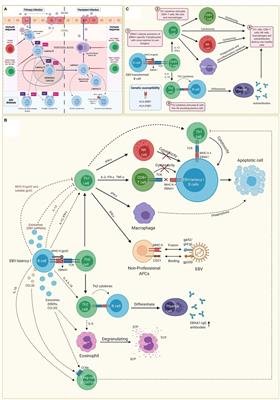
One of the proposed mechanisms for the link between mononucleosis and chronic fatigue syndrome is the viral persistence hypothesis. According to this theory, the initial viral infection, such as Epstein-Barr virus, may persist in the body even after the acute symptoms of mononucleosis have resolved. This ongoing viral presence may lead to a prolonged immune response, causing chronic inflammation and fatigue.
Autoimmunity Hypothesis
Another possible mechanism is the autoimmunity hypothesis, which suggests that the viral infection triggers an abnormal immune response in susceptible individuals. This response may result in the immune system mistakenly attacking healthy cells and tissues, leading to the development of chronic fatigue syndrome.
Neuroendocrine Dysfunction Hypothesis
The neuroendocrine dysfunction hypothesis proposes that mononucleosis and subsequent chronic fatigue syndrome may be associated with alterations in the functioning of the hypothalamic-pituitary-adrenal (HPA) axis, which is responsible for regulating the body’s stress response. It is believed that the initial viral infection may disrupt the delicate balance of this system, leading to chronic fatigue and other symptoms.
Long-Term Effects
Impact on Daily Life and Functioning
Chronic fatigue syndrome can have a profound impact on an individual’s daily life and functioning. The persistent fatigue and other debilitating symptoms can make it difficult for individuals to perform routine activities such as work, school, or even household chores. The cognitive difficulties associated with CFS can also affect concentration and memory, making it challenging to complete tasks that require mental focus. Overall, the long-term effects of CFS can significantly impact a person’s quality of life.
Risk Factors for Developing Chronic Fatigue Syndrome after Mononucleosis
While anyone who has had mononucleosis can potentially develop chronic fatigue syndrome, certain factors may increase the risk. These include the severity of the initial infection, the presence of certain genetic markers, and underlying immune system abnormalities. Additionally, individuals who continue to experience persistent fatigue beyond the expected recovery period are more likely to develop CFS.

Treatment and Management
Symptomatic Treatment Options for Chronic Fatigue Syndrome
Currently, there is no specific cure for chronic fatigue syndrome, and treatment aims to alleviate the symptoms and improve quality of life. Symptomatic treatment options may include over-the-counter pain relievers for muscle and joint pain, sleep aids for sleep disturbances, and medications to manage other specific symptoms such as headaches or gastrointestinal issues. It is important for individuals with CFS to work closely with their healthcare providers to find the most effective management strategies for their individual symptoms.
Pacing and Activity Management Strategies
Pacing and activity management strategies are often recommended for individuals with chronic fatigue syndrome. This involves carefully balancing periods of rest and activity to prevent overexertion and conserve energy. It is important to establish realistic goals and to listen to your body’s limitations. Gradually increasing activity levels over time can help to improve stamina and reduce the risk of symptom exacerbation.
Psychological Interventions
Because chronic fatigue syndrome can have a significant impact on mental well-being, psychological interventions such as cognitive-behavioral therapy (CBT) or counseling may be beneficial. These therapies can help individuals develop coping strategies for managing the emotional challenges associated with CFS, as well as address any underlying anxiety or depression.
Prevention
Preventive Measures for Mononucleosis
While it is not always possible to prevent mononucleosis, there are certain measures that can reduce the risk of contracting the virus. These include practicing good hygiene by frequently washing hands, avoiding close contact with individuals who have active infections, and refraining from sharing personal items such as drinking glasses or utensils. It is also advisable to maintain a strong immune system through regular exercise, a balanced diet, and adequate sleep.
Reducing the Risk of Developing Chronic Fatigue Syndrome
Although there is no guaranteed way to prevent the development of chronic fatigue syndrome following mononucleosis, early intervention and proper management of the initial infection may reduce the risk. It is essential for individuals who have had mono to take the necessary time to rest and recover fully before gradually resuming their normal activities. It is also important to seek medical attention if symptoms persist beyond the expected recovery period to ensure appropriate care and support.
Support and Resources
Support Groups for Individuals with Chronic Fatigue Syndrome
Living with chronic fatigue syndrome can be challenging, and individuals may benefit from joining support groups where they can connect with others who are experiencing similar struggles. Support groups provide a space to share experiences, exchange coping strategies, and offer emotional support. Local community centers, hospitals, and online forums may provide information on support groups in your area.
Online Resources and Organizations Providing Information on Mononucleosis and Chronic Fatigue Syndrome
The internet can be a valuable source of information for individuals seeking resources and further understanding of mononucleosis and chronic fatigue syndrome. Various reputable organizations, such as the Centers for Disease Control and Prevention (CDC) and the National Institute of Allergy and Infectious Diseases (NIAID), offer comprehensive information on these conditions. Additionally, online forums and websites dedicated to chronic fatigue syndrome provide a platform for individuals to access information and share experiences.
Conclusion
In conclusion, mononucleosis and chronic fatigue syndrome are interconnected conditions that can have a significant impact on an individual’s health and daily functioning. While mononucleosis typically resolves within a few weeks to months, a portion of individuals may develop chronic fatigue syndrome. The link between these two conditions is still not fully understood, but researchers have proposed various mechanisms, including viral persistence, autoimmunity, and neuroendocrine dysfunction. Early intervention, proper management, and support are essential for those affected by mononucleosis and chronic fatigue syndrome. Ongoing research efforts are focusing on further understanding the underlying causes and developing more effective treatments for both conditions.