
Gastroesophageal reflux disease (GERD) is a chronic condition that affects millions of people worldwide. It occurs when stomach acid frequently flows back into the esophagus, leading to irritation and discomfort. You may experience symptoms such as heartburn, regurgitation, chest pain, and difficulty swallowing.
These symptoms can vary in intensity and frequency, often exacerbated by certain foods, lifestyle choices, or even stress. Understanding the underlying causes of GERD is crucial for managing its symptoms effectively. Several factors contribute to the development of GERD.
One common cause is a weakened lower esophageal sphincter (LES), which normally acts as a barrier to prevent stomach contents from flowing back into the esophagus. Lifestyle choices, such as obesity, smoking, and excessive alcohol consumption, can also increase your risk of developing GERD. Additionally, certain foods—like spicy dishes, citrus fruits, and fatty meals—can trigger symptoms.
Recognizing these triggers is essential for you to take control of your condition and improve your quality of life.
Key Takeaways
- GERD is caused by the weakening of the lower esophageal sphincter and can cause symptoms such as heartburn, regurgitation, and chest pain.
- The DASH diet focuses on reducing sodium intake and increasing consumption of fruits, vegetables, whole grains, and lean proteins.
- The DASH diet can help alleviate symptoms of GERD by promoting weight loss, reducing inflammation, and improving overall digestive health.
- Meal ideas for a GERD-friendly DASH diet include oatmeal with bananas, grilled chicken with quinoa and steamed vegetables, and yogurt with berries.
- Low-acid foods such as melons, bananas, and oatmeal can be incorporated into the DASH diet to help manage GERD symptoms.
The DASH Diet: An Overview
The Dietary Approaches to Stop Hypertension (DASH) diet was originally designed to help lower blood pressure, but its principles can also be beneficial for those suffering from GERD. This diet emphasizes whole foods, including fruits, vegetables, whole grains, lean proteins, and low-fat dairy products. By focusing on nutrient-dense foods, the DASH diet promotes overall health while providing a balanced approach to eating.
You may find that adopting this diet not only helps manage your GERD symptoms but also supports your overall well-being. The DASH diet encourages you to limit your intake of sodium, added sugars, and saturated fats. Instead, it promotes the consumption of potassium-rich foods, which can help counteract the effects of sodium on blood pressure.
By incorporating a variety of food groups into your meals, you can ensure that you are getting the essential nutrients your body needs while also minimizing the risk of GERD flare-ups. This balanced approach makes the DASH diet an appealing option for those looking to improve their health and manage their symptoms effectively.
Benefits of the DASH Diet for GERD
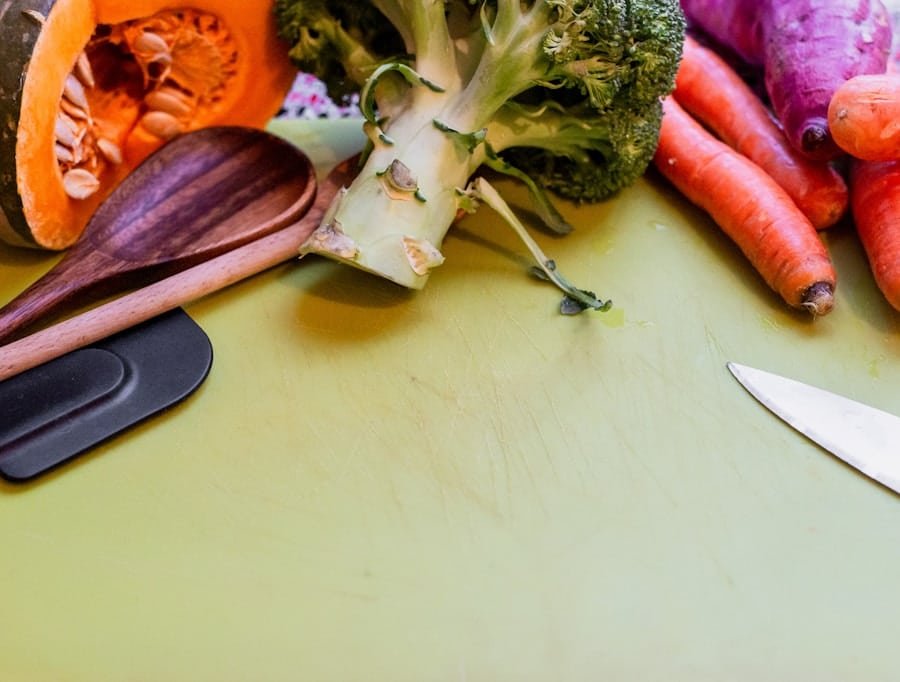
One of the primary benefits of the DASH diet for individuals with GERD is its focus on whole, unprocessed foods. These foods are generally easier on the digestive system and less likely to trigger acid reflux symptoms. By incorporating more fruits and vegetables into your meals, you can increase your fiber intake, which aids digestion and promotes a healthy gut.
This can be particularly beneficial for those who experience bloating or discomfort associated with GERD. Additionally, the DASH diet encourages you to consume lean proteins and healthy fats, which can help reduce inflammation in the body. Foods like fish, nuts, and seeds provide essential nutrients without contributing to acid production in the stomach.
By following this diet, you may find that your overall health improves while also experiencing fewer GERD symptoms. The emphasis on balanced nutrition can lead to weight loss or maintenance, which is another important factor in managing GERD effectively.
Meal Ideas for GERD-Friendly DASH Diet
When following a GERD-friendly DASH diet, it’s essential to plan meals that are both nutritious and satisfying. For breakfast, consider oatmeal topped with sliced bananas and a sprinkle of cinnamon. This meal is not only filling but also gentle on your stomach.
You might also enjoy a smoothie made with spinach, almond milk, and a scoop of protein powder for a quick and easy option that provides essential nutrients without triggering reflux. For lunch and dinner, focus on lean proteins like grilled chicken or fish paired with steamed vegetables and whole grains such as quinoa or brown rice. A salad made with mixed greens, cucumbers, and grilled chicken drizzled with a light vinaigrette can be both refreshing and satisfying.
You could also try baked sweet potatoes topped with black beans and avocado for a hearty meal that aligns with both the DASH diet principles and your need to manage GERD symptoms effectively.
Incorporating Low-Acid Foods into the DASH Diet
Incorporating low-acid foods into your DASH diet is crucial for managing GERD symptoms effectively. Foods such as bananas, melons, oatmeal, and whole grains are excellent choices that can help neutralize stomach acid and reduce irritation in the esophagus. You may find that these foods not only provide essential nutrients but also help you feel more comfortable after meals.
Another way to include low-acid foods is by focusing on lean proteins like chicken, turkey, and fish. These options are less likely to trigger acid reflux compared to fatty cuts of meat or fried foods. Additionally, consider using herbs and spices like ginger or turmeric in your cooking; these can add flavor without increasing acidity.
By being mindful of your food choices and prioritizing low-acid options within the DASH framework, you can create meals that support both your health goals and your comfort.
Avoiding Trigger Foods for GERD in the DASH Diet
Common Trigger Foods to Avoid
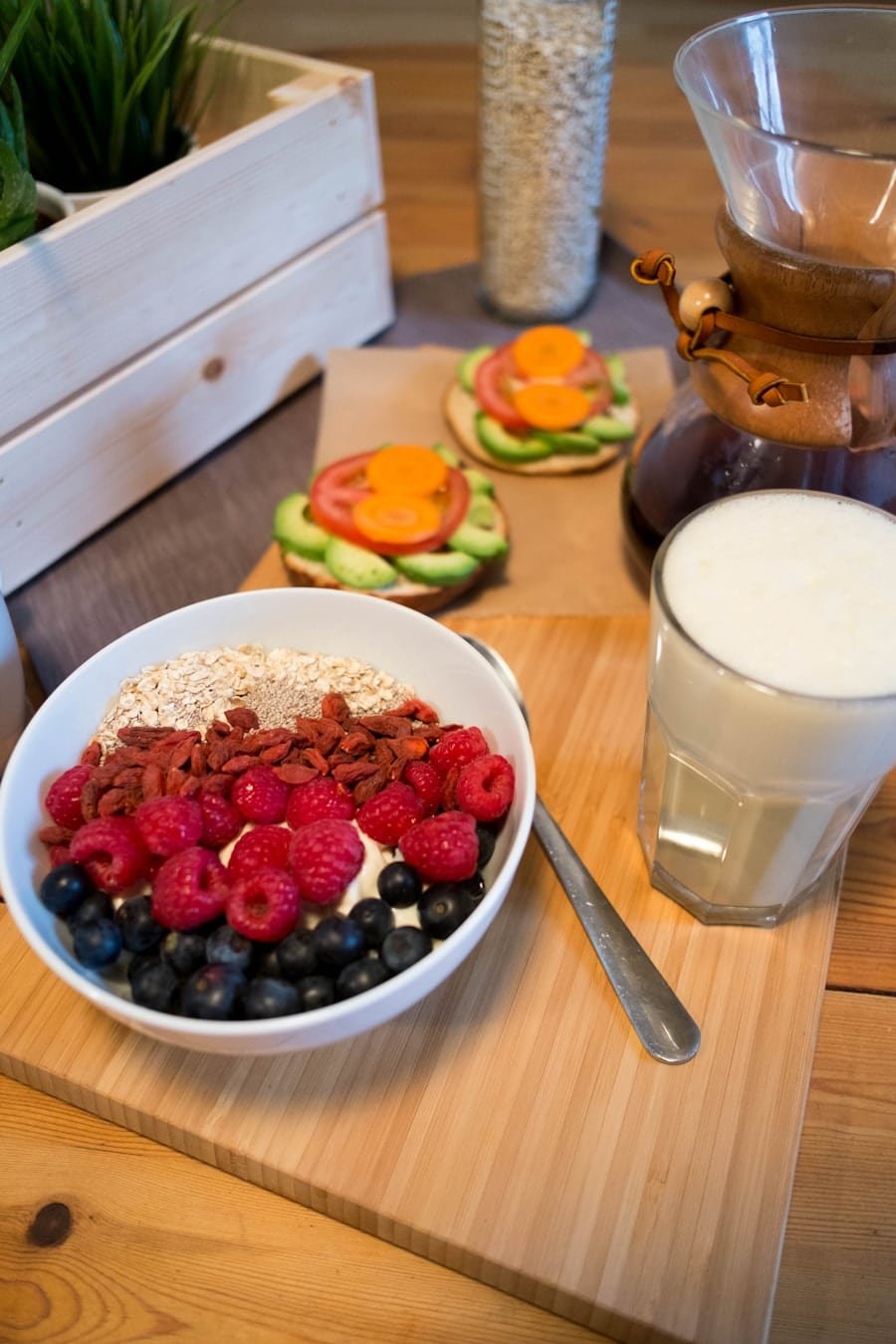
Common culprits include spicy foods, citrus fruits, tomatoes, chocolate, caffeine, and carbonated beverages.
Tracking Your Symptoms and Finding Alternatives
You may want to keep a food diary to track what you eat and how it affects your symptoms; this can help you pinpoint specific triggers that you should avoid. When planning meals on the DASH diet, focus on alternatives that are less likely to provoke reflux. For instance, instead of reaching for a tomato-based sauce for pasta dishes, consider using a light olive oil or pesto sauce instead. Opt for herbal teas instead of caffeinated beverages to stay hydrated without risking irritation.
Creating a Sustainable Eating Plan
By being proactive about avoiding trigger foods while still adhering to the principles of the DASH diet, you can create a sustainable eating plan that supports your health and minimizes discomfort.
Tips for Following the DASH Diet with GERD
Successfully following the DASH diet while managing GERD requires some practical strategies. First and foremost, portion control is key; eating smaller meals more frequently throughout the day can help prevent excessive stomach pressure that leads to reflux. You might find it helpful to eat at least two to three hours before lying down or going to bed to allow time for digestion.
Another important tip is to stay hydrated by drinking plenty of water throughout the day. However, be cautious about drinking large amounts during meals; this can increase stomach pressure and exacerbate reflux symptoms. Instead, sip water between meals to stay hydrated without overwhelming your digestive system.
By implementing these strategies alongside the DASH diet principles, you can create a more comfortable eating experience while managing your GERD effectively.
Consulting a Healthcare Professional for Personalized Advice
While the DASH diet offers numerous benefits for managing GERD symptoms, it’s essential to consult a healthcare professional for personalized advice tailored to your specific needs. A registered dietitian or nutritionist can help you create a meal plan that aligns with both the DASH principles and your individual dietary restrictions or preferences. They can also provide guidance on portion sizes and food combinations that work best for you.
Additionally, if you find that your symptoms persist despite dietary changes, it’s crucial to seek medical advice. A healthcare professional can help identify any underlying issues contributing to your GERD and recommend appropriate treatments or medications if necessary. By working closely with a healthcare provider, you can develop a comprehensive approach to managing your condition while enjoying the benefits of a balanced diet like the DASH diet.
FAQs
What is GERD?
GERD stands for Gastroesophageal Reflux Disease, which is a chronic digestive disorder that occurs when stomach acid flows back into the esophagus, causing irritation and discomfort.
What is the DASH Diet?
The DASH (Dietary Approaches to Stop Hypertension) Diet is a dietary plan designed to help lower blood pressure and improve overall health. It emphasizes consuming fruits, vegetables, whole grains, lean proteins, and low-fat dairy while reducing sodium, saturated fats, and added sugars.
How can the DASH Diet benefit individuals with GERD?
The DASH Diet can benefit individuals with GERD by promoting the consumption of foods that are less likely to trigger acid reflux, such as fruits, vegetables, and whole grains. Additionally, the emphasis on reducing sodium and saturated fats can help alleviate symptoms of GERD.
What are some meal ideas for individuals with GERD following the DASH Diet?
Meal ideas for individuals with GERD following the DASH Diet may include oatmeal with fresh berries for breakfast, a quinoa and vegetable stir-fry for lunch, and grilled salmon with steamed vegetables for dinner. Snack options can include Greek yogurt with honey and a handful of almonds.