
We’ve all experienced that uncomfortable burning sensation in our chests after a heavy meal or spicy dish. But have you ever wondered what exactly causes it and how it differs from acid reflux? In this article, we’ll break down the difference between heartburn and acid reflux, shedding light on their causes, symptoms, and potential treatment options. So, next time you’re reaching for the antacids, you’ll have a clear understanding of what’s really going on in your digestive system.
Definition of Heartburn
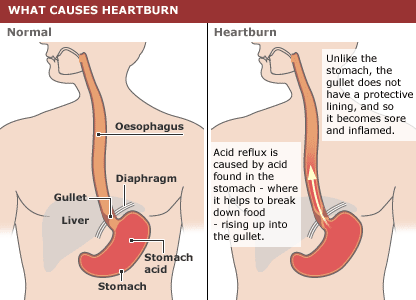
Heartburn is a common condition that occurs when stomach acid flows back into the esophagus. It is characterized by a burning sensation in the chest, often referred to as acid indigestion or pyrosis. This discomfort can extend from the diaphragm to the throat and may be accompanied by a sour or acidic taste in the mouth. Heartburn is usually a temporary phenomenon, but if it occurs frequently, it may be a symptom of a more severe condition known as acid reflux.
Causes of Heartburn
Heartburn is primarily caused by the malfunctioning of the lower esophageal sphincter (LES), a ring of muscle that separates the esophagus from the stomach. When the LES doesn’t close properly, stomach acid can flow back into the esophagus, causing heartburn. Some common triggers for heartburn include:
- Consuming large meals or lying down immediately after eating
- Eating spicy or fatty foods
- Drinking carbonated beverages, citrus fruit juices, or alcohol
- Smoking or exposure to secondhand smoke
Symptoms of Heartburn
People experiencing heartburn may have the following symptoms:
- Burning sensation in the chest, sometimes radiating to the throat
- Sour or bitter taste in the mouth
- Regurgitation of stomach acid or food
- Difficulty swallowing
- Persistent cough or hoarseness
Triggers for Heartburn
Certain foods and lifestyle factors can act as triggers for heartburn. These include:
- Spicy foods: Spices like chili peppers, hot sauce, and black pepper can irritate the esophagus and trigger heartburn.
- Fatty foods: High-fat foods, such as fried foods, butter, and oils, can slow down digestion and relax the LES, leading to heartburn.
- Citrus fruits and juices: Oranges, tomatoes, grapefruits, and their juices can increase acid production and irritate the esophagus.
- Carbonated beverages: The bubbles in carbonated drinks can cause pressure in the stomach, pushing acid back into the esophagus.
- Alcohol: Drinking alcohol can relax the LES and increase acid production, making heartburn more likely.
Definition of Acid Reflux
Acid reflux, also known as gastroesophageal reflux disease (GERD), is a chronic condition in which the stomach acid consistently flows back into the esophagus. It differs from heartburn as it involves more frequent and persistent symptoms.
Causes of Acid Reflux
The primary cause of acid reflux is a weakened or dysfunctional LES. Some factors that contribute to the development of acid reflux include:
- Hiatal hernia: When a portion of the stomach protrudes through the diaphragm, it can weaken the LES and cause acid reflux.
- Obesity: Excess weight can put pressure on the abdomen, pushing acid back into the esophagus.
- Pregnancy: Hormonal changes during pregnancy can relax the LES and increase acid reflux symptoms.
- Smoking: Tobacco smoke can irritate the esophagus and weaken the LES, leading to acid reflux.
- Certain medications: Some medications, such as nonsteroidal anti-inflammatory drugs (NSAIDs), calcium channel blockers, and sedatives, can relax the LES and contribute to acid reflux.
Symptoms of Acid Reflux
Individuals with acid reflux may experience the following symptoms:
- Persistent heartburn, often occurring after meals or when lying down
- Regurgitation of sour or bitter-tasting stomach acid
- Difficulty swallowing or a sensation of a lump in the throat (globus sensation)
- Chronic cough or hoarseness
- Asthma-like symptoms, such as wheezing or chest tightness
Complications of Acid Reflux
If left untreated, acid reflux can lead to several complications, including:
- Esophagitis: The repeated exposure of the esophagus to stomach acid can cause inflammation, leading to esophagitis.
- Esophageal strictures: Over time, the constant damage to the esophagus can cause scar tissue formation, narrowing the esophagus and making swallowing difficult.
- Barrett’s esophagus: In some cases, the lining of the esophagus can undergo changes due to acid reflux, increasing the risk of developing esophageal cancer.

Key Differences between Heartburn and Acid Reflux
While heartburn and acid reflux share some similarities, there are several key differences that set them apart.
Localization of Symptoms
Heartburn is primarily localized in the chest area, often behind the breastbone. The burning sensation can sometimes radiate to the throat or upper abdomen. On the other hand, acid reflux symptoms are not limited to the chest and can extend further up in the throat, often causing throat discomfort or a persistent cough.
Duration and Frequency of Symptoms
Heartburn episodes are usually short-lived and can be relieved with over-the-counter antacids or lifestyle changes. They tend to occur sporadically and are not necessarily a sign of a chronic condition. Acid reflux, on the other hand, is a chronic condition characterized by recurring symptoms for at least two or more days per week. It requires long-term management to prevent complications.
Potential for Complications
While heartburn is generally considered a temporary inconvenience, acid reflux carries a higher risk of complications. The chronic exposure of the esophagus to stomach acid can lead to esophagitis, esophageal strictures, and even increase the risk of developing esophageal cancer. These potential complications make acid reflux a condition that requires medical attention and appropriate management.
Management Options
Heartburn can often be managed with over-the-counter antacids or making certain lifestyle modifications, such as avoiding trigger foods and maintaining a healthy weight. Acid reflux, on the other hand, requires a more comprehensive approach that includes medication, lifestyle changes, and potentially even surgery, depending on the severity of the condition.
Similarities between Heartburn and Acid Reflux
Despite their differences, heartburn and acid reflux have some commonalities in terms of causes, symptoms, and treatment options.
Causes
Both heartburn and acid reflux are primarily caused by a malfunctioning LES. The relaxation or weakening of the LES allows stomach acid to flow back into the esophagus, leading to symptoms of heartburn or acid reflux.
Symptoms
Heartburn and acid reflux share many similar symptoms, such as a burning sensation in the chest, regurgitation of acidic contents, difficulty swallowing, and coughing. These symptoms can vary in intensity and frequency but are indicative of the presence of stomach acid in the esophagus.
Treatment Approach
The initial treatment approach for both heartburn and acid reflux involves lifestyle modifications, such as avoiding trigger foods, elevating the head of the bed, and losing weight if necessary. Additionally, over-the-counter antacid medications can provide temporary relief for heartburn symptoms. However, if the symptoms persist or worsen, it is important to seek medical advice for a proper diagnosis and treatment plan.

Diagnosis and Medical Evaluation
To accurately diagnose heartburn or acid reflux and determine the most appropriate treatment, medical evaluation is necessary. This evaluation usually consists of the following components:
Medical History
The doctor will ask about your symptoms, their duration and frequency, and any factors that seem to trigger or alleviate them. They will also inquire about your general health, medical conditions, and any medications you are currently taking.
Physical Examination
A physical examination may involve assessing the throat, lungs, and abdomen to check for any signs of inflammation, irritation, or abnormality. The doctor may also use gentle pressure on specific areas to assess tenderness or discomfort.
Diagnostic Tests
If the symptoms are severe, persistent, or do not respond to initial treatments, the doctor may order further diagnostic tests, which may include:
- Upper endoscopy: This procedure involves passing a flexible tube with a camera (endoscope) through the mouth and into the esophagus to examine the lining of the esophagus and stomach closely.
- Esophageal pH monitoring: This test measures the amount of acid in the esophagus over a 24-hour period. A small pH sensor is placed within the esophagus and connected to a portable monitor.
- Esophageal manometry: This test assesses the function and coordination of the esophageal muscles by measuring pressure changes within the esophagus.
These tests help provide a more accurate diagnosis and guide the appropriate management options.
Medical Treatments for Heartburn and Acid Reflux
There are several medical treatment options available for heartburn and acid reflux, depending on the severity of the symptoms and the underlying causes.
Over-the-Counter Medications
For mild to moderate heartburn symptoms, over-the-counter antacids like calcium carbonate, magnesium hydroxide, or aluminum hydroxide can provide temporary relief by neutralizing stomach acid. Histamine-2 receptor blockers (H2 blockers), such as ranitidine and famotidine, are also available without a prescription and can reduce the production of stomach acid.
Prescription Medications
If over-the-counter medications are ineffective, prescription-strength antacids or H2 blockers may be recommended. Proton pump inhibitors (PPIs), such as omeprazole and esomeprazole, are frequently prescribed to reduce acid production significantly.
Lifestyle Modifications
Certain lifestyle modifications can help manage heartburn and acid reflux symptoms. These may include:
- Avoiding trigger foods, such as spicy, fatty, or citrusy foods
- Eating smaller, more frequent meals
- Waiting at least 2-3 hours after eating before lying down or going to bed
- Elevating the head of the bed to prevent acid from flowing back into the esophagus
- Losing weight if overweight or obese
- Quitting smoking and avoiding secondhand smoke

Home Remedies and Natural Approaches
In addition to medical treatments, there are some home remedies and natural approaches that can help alleviate heartburn and acid reflux symptoms.
Dietary Adjustments
Making certain dietary adjustments can reduce the incidence of heartburn and acid reflux. Some tips include:
- Avoiding trigger foods, such as spicy, fatty, or acidic foods
- Opting for lean proteins, fruits, vegetables, and whole grains
- Eating smaller, more frequent meals instead of large, heavy meals
- Chewing food thoroughly and eating slowly
Weight Management
Maintaining a healthy weight is essential in managing heartburn and acid reflux symptoms. Excess weight can put pressure on the abdomen, pushing stomach acid up into the esophagus. Regular exercise and a balanced diet can help achieve and maintain a healthy weight.
Sleeping Position
Elevating the head of the bed or using a wedge pillow can help reduce acid reflux symptoms while sleeping. By keeping the upper body elevated, gravity can prevent stomach acid from flowing back into the esophagus.
When to Seek Medical Help
While occasional heartburn or acid reflux episodes are usually not cause for alarm, there are situations where medical attention should be sought.
Persistent or Severe Symptoms
If heartburn or acid reflux symptoms persist or worsen despite using over-the-counter antacids or making lifestyle modifications, it is advisable to consult a healthcare professional. Persistent symptoms may indicate an underlying condition that requires further evaluation and treatment.
Complications
Any signs of complications from acid reflux, such as difficulty swallowing, chest pain, unexplained weight loss, or blood in the stool or vomit, should prompt immediate medical attention.
Failure of Initial Treatment
If initial treatment attempts fail to provide relief or control symptoms, medical evaluation is essential to reassess the diagnosis and adjust the treatment plan accordingly.
Prevention Strategies
Preventing heartburn and acid reflux is possible with some lifestyle modifications and adherence to healthy practices. Some prevention strategies include:
Maintaining a Healthy Lifestyle
Adopting healthy habits can significantly reduce the risk of heartburn and acid reflux. This includes maintaining a balanced diet, regular exercise, avoiding tobacco products, and moderating alcohol consumption.
Avoiding Trigger Foods
Identifying and avoiding trigger foods can prevent the onset of heartburn and acid reflux symptoms. Keep a food diary to track which foods or beverages lead to symptom exacerbation and make the necessary adjustments to your diet.
Stress Management
Stress can worsen heartburn and acid reflux symptoms. Practicing stress management techniques, such as mindfulness, deep breathing exercises, and regular exercise, can help reduce stress and its impact on digestive health.
Conclusion
Heartburn and acid reflux are related conditions that share some similarities in terms of symptoms and causes. However, there are significant differences between the two, including the duration and frequency of symptoms, potential complications, and management approaches. While mild heartburn can often be managed with over-the-counter medications and lifestyle modifications, acid reflux requires a more comprehensive treatment plan due to its chronic nature and increased risk of complications. If you experience persistent or severe symptoms or fail to find relief with initial treatments, it is important to seek medical help for an accurate diagnosis and appropriate management. By implementing prevention strategies and making positive lifestyle changes, it is possible to reduce the occurrence and severity of heartburn and acid reflux, ultimately improving overall digestive health.
