
You’re a skincare enthusiast, or perhaps you’re just tired of those persistent marks left behind by breakouts. You’ve probably wondered, “How did this happen?” Understanding the development of acne scars is the first, crucial step towards effective treatment. As your Listicle Content Architect (LCA), I’m here to break down this complex process for you, revealing the underlying mechanisms that transform a temporary blemish into a lasting reminder. Get ready to dive into the fascinating, and sometimes frustrating, world of scar formation.
You might think of acne as a simple surface-level issue, but at its core, it’s an inflammatory disease. This inflammation is the true instigator of everything that follows, including scarring. It’s not just about a clogged pore; it’s about your body’s response to a multitude of factors that can go awry.
1.1. The Sebum Surge: Overproduction Fuels the Fire
Your skin naturally produces an oil called sebum. It’s essential for keeping your skin hydrated and protected. However, several factors can cause your sebaceous glands to go into overdrive, producing an excessive amount of sebum. Hormonal fluctuations, particularly androgens, are notorious culprits. These hormones increase during puberty, menstruation, and periods of stress, signaling your glands to ramp up production. Certain medications, genetics, and even diet can play a role in this sebum surplus, creating an environment ripe for trouble.
1.2. The Microbial Menace: Cutibacterium acnes Takes Hold
Your skin is home to a vast ecosystem of microorganisms, and normally, they coexist peacefully. One of the most common inhabitants is a bacterium called Cutibacterium acnes (formerly Propionibacterium acnes). In a balanced environment, this bacterium is largely harmless. However, when excess sebum accumulates, it provides a rich food source for C. acnes. This leads to a rapid proliferation of the bacteria within the hair follicle.
1.3. The Follicular Fortress: A Perfect Storm Within
The hair follicle, a structure responsible for growing hair, is where the magic (or in this case, the mayhem) begins. When excess sebum and dead skin cells start to accumulate, they clog the opening of the follicle. This blockage, known as a microcomedone, is the very first stage of acne development. As more sebum and dead skin cells get trapped, the microcomedone grows, eventually becoming a visible comedone – either a blackhead (open at the surface, so oxidized sebum appears black) or a whitehead (closed, appearing as a small, flesh-colored bump).
1.4. The Inflammatory Cascade: Your Immune System’s Overreaction
Once C. acnes proliferates within the clogged follicle, it begins to break down the sebum into fatty acids. These fatty acids are irritating to the follicle walls, triggering an inflammatory response from your immune system. Your body sends white blood cells to the area to combat the perceived threat. This influx of immune cells leads to redness, swelling, and pain – the hallmarks of an inflamed pimple, or papule. If the inflammation intensifies, it can progress to pustules (pimples with pus), nodules (large, painful lumps deep beneath the skin), and cysts (even larger, pus-filled lesions that can be extremely painful). It is this intense, deep, and prolonged inflammation that sets the stage for scarring.
2. The Battle Scarred Skin: How Inflammation Destroys Collagen
When acne lesions become severe and deeply inflamed, they don’t just hurt; they actively damage your skin’s underlying structure, particularly the crucial protein network responsible for its firmness and elasticity: collagen. This destruction is the primary mechanism behind the development of most acne scars.
2.1. The Macrophage Mobilization: Your Body’s Cleanup Crew
When inflammation escalates, your immune system deploys specialized cells called macrophages. These are the body’s “clean-up crew,” tasked with clearing away debris, dead cells, and, in this case, the damaged tissue within the inflamed follicle. While essential for healing, their aggressive action can also be destructive.
2.2. The Enzyme Assault: Breaking Down the Scaffolding
Macrophages release enzymes, such as matrix metalloproteinases (MMPs), into the affected area. These enzymes are designed to break down and remodel damaged tissue. In the context of severe acne, however, these MMPs can go into overdrive, not just clearing away the inflamed tissue but also significantly degrading the collagen and elastin fibers that provide your skin with its structural integrity and bounce. Think of it like a construction crew going a little too enthusiastically with the demolition tools.
2.3. The Collagen Collapse: Weakened Dermis, Visible Indentations
As collagen and elastin are broken down, the supportive scaffolding of your dermis (the deeper layer of your skin) becomes compromised. When the inflammation eventually subsides and the lesion begins to heal, your body attempts to rebuild this lost structure. However, the repair process is often imperfect and can result in the formation of less collagen than was originally present. This deficit in collagen creates a sunken or indented appearance, leading to the most common types of acne scars: atrophic scars.
2.4. The Inflammatory Byproducts: Further Damage and Disturbance
Beyond the direct enzymatic breakdown of collagen, the inflammatory process itself can release various chemical messengers and byproducts that can further disrupt the skin’s natural healing and regenerative processes. These factors can contribute to a less organized and less effective repair, increasing the likelihood of scar formation.
3. The Imperfect Reconstruction: The Body’s Flawed Healing Process
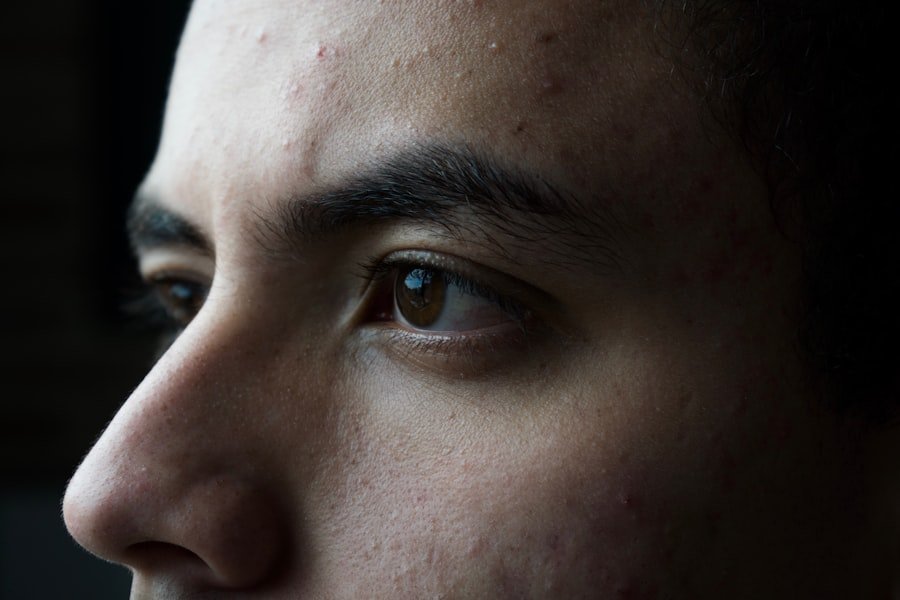
Even after the inflammation subsides and the initial damage is done, your body’s attempt to heal the injured skin is a complex and often imperfect process. This flawed reconstruction is a critical stage in scar development, dictating the final appearance of the marks left behind.
3.1. The Fibroblast Frenzy: Attempting to Rebuild
Once the aggressive inflammatory phase calves down, your body calls upon fibroblasts, specialized cells responsible for producing new collagen. They rush to the site of injury, working to patch up the damaged dermis and restore its structure. This is the primary mechanism of wound healing, aiming to replace lost tissue.
3.2. The Collagen Scarcity: A Patchy Repair Job
The problem is that in the case of severe acne, the existing collagen has been significantly degraded. The fibroblasts, while working diligently, often cannot precisely replicate the original organization and amount of collagen. They lay down new collagen fibers, but these can be less dense, more haphazardly arranged, and of a different quality than the original dermal matrix. This leads to areas where the skin is thinner and weaker.
3.3. The Lack of Architecture: Shrunken and Depressed Areas
When the new collagen deposition is insufficient, the skin in the affected area doesn’t regain its original volume or plumpness. This lack of tissue creates the characteristic depressed or sunken appearance of atrophic scars. Imagine a tent that has lost some of its support poles; it sags and loses its shape. This is precisely what happens to the skin with atrophic acne scarring.
3.4. The Micro-Scarring Mentality: Cumulative Damage
It’s also important to recognize that acne is often not a single event. You might experience multiple breakouts over weeks, months, or even years. Each inflammatory episode, even if individual lesions are not severe, can contribute to cumulative micro-damage to the skin’s collagen network. This ongoing assault makes comprehensive and flawless repair more challenging, increasing the overall susceptibility to scarring.
4. The Hyperpigmentation Puzzle: Melanin’s Misguided Migration
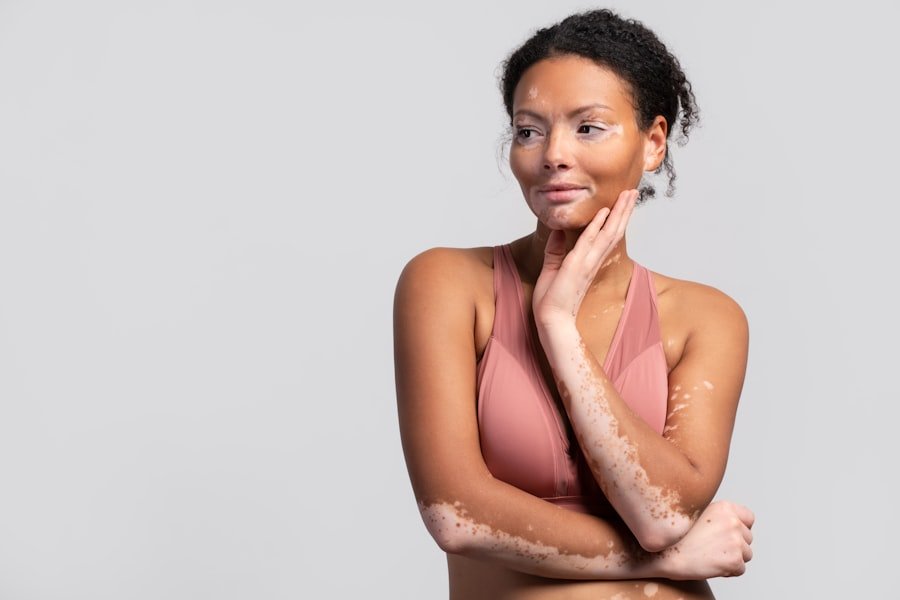
While atrophic scars are about a lack of collagen, another common consequence of acne is the development of post-inflammatory hyperpigmentation (PIH). This isn’t technically a scar in the same structural sense, but it’s a form of discoloration that can be stubborn and frustrating, often mistaken for scarring. Here, the issue lies with your skin’s pigment cells, melanocytes.
4.1. The Melanocyte Stimulation: Reacting to Injury
When your skin is injured by inflammation, whether from a popped pimple or a deep lesion, your melanocytes get a signal to go into overdrive. These cells are responsible for producing melanin, the pigment that gives your skin its color. The inflammation acts as a trigger, causing melanocytes to produce and deposit more melanin in the affected area.
4.2. The Melanin Overload: Darker Patches
This increased melanin production leads to areas of skin that appear darker than your surrounding complexion. This can manifest as brown, black, or even purplish spots, depending on your natural skin tone and the depth of the melanin deposition. The darker your skin, the more prone you might be to noticeable hyperpigmentation, as your melanocytes are naturally more active.
4.3. The Epidermal vs. Dermal Concern: Depth Matters
| Stage | Description |
|---|---|
| Inflammation | Acne causes inflammation in the skin, leading to redness and swelling. |
| Collagen Production | During the healing process, the body produces collagen to repair the skin. |
| Excess Collagen | If too much collagen is produced, it can create a raised scar known as a keloid. |
| Loss of Tissue | If the skin tissue is lost during the healing process, it can result in a depressed scar. |
The location of this excess melanin is crucial. If the melanin is deposited in the epidermis (the outermost layer of your skin), it’s generally easier to treat. However, if the inflammation has reached deeper into the dermis, the melanin can be deposited in the dermal layer as well. Dermal hyperpigmentation is typically darker and more persistent, as melanin in the dermis is much harder for your skin to naturally shed.
4.4. The UV Amplifier: Sunlight’s Role
Sun exposure is a major enemy of hyperpigmentation. Ultraviolet (UV) rays from the sun further stimulate melanocyte activity. This means that areas already affected by PIH can become even darker and more prominent if you don’t protect your skin from the sun. This is why SPF is not just for preventing sunburn; it’s a vital tool in managing and preventing the worsening of hyperpigmentation.
5. The Scar Types: Understanding Different Forms of Damage
Not all acne scars are created equal. The specific way your skin heals after an inflammatory breakout dictates the type of scar you’re left with. Recognizing these different forms is key to understanding treatment options.
5.1. Atrophic Scars: The Sunken Survivors
These are the most common type of acne scar and are characterized by a depressed or sunken appearance. They occur when the body doesn’t produce enough collagen during the healing process, leading to a loss of tissue. You can further categorize atrophic scars into subtypes:
5.1.1. Ice Pick Scars: The Narrow Pits
These are small, deep, and narrow scars that look like they were made by an ice pick. They tunnel down into the dermis, creating a V-shaped indentation. They are often the most challenging to treat.
5.1.2. Boxcar Scars: The Wider Depressions
Boxcar scars are wider than ice pick scars and have sharply defined edges, often with vertical sides. They can range in depth from shallow to deep and resemble chickenpox scars. Their appearance is due to a loss of collagen and supportive tissue.
5.1.3. Rolling Scars: The Undulating Landscape
Rolling scars give the skin an uneven, undulating appearance, like the surface of a gently rolling hill. Their name comes from the fact that the skin appears to “roll” down into the scar. This is caused by a band of fibrous tissue under the skin that pulls the overlying epidermis down, creating a wave-like effect.
5.2. Hypertrophic and Keloid Scars: The Raised Reminders
Unlike atrophic scars, hypertrophic and keloid scars are characterized by an overproduction of collagen, resulting in raised or elevated scar tissue.
5.2.1. Hypertrophic Scars: Slightly Raised Plaques
These scars are raised above the surrounding skin but remain confined to the boundaries of the original wound. They are common after severe acne, particularly on the chest and back, and can be reddish or purplish. They often improve over time, becoming flatter and less noticeable.
5.2.2. Keloid Scars: Overgrown and Spreading
Keloid scars are a more aggressive form of raised scar. They occur when the body produces an excessive amount of collagen that not only covers the original wound but also grows beyond its borders, forming thick, fibrous growths. Keloids can continue to grow over time and are more common in individuals with darker skin tones and in certain areas like the chest, shoulders, and earlobes.
5.3. Post-Inflammatory Hyperpigmentation (PIH) and Erythema (PIE): The Discoloration Duo
While technically not structural scars, these discolorations are a direct result of the acne healing process and are often considered alongside acne scarring.
5.3.1. Post-Inflammatory Hyperpigmentation (PIH): Dark Spots
As discussed earlier, PIH manifests as dark spots or patches caused by an overproduction of melanin in response to inflammation. These can be brown, black, or even purplish.
5.3.2. Post-Inflammatory Erythema (PIE): Red Spots
PIE refers to persistent redness in areas where acne lesions have healed. This is due to dilated blood vessels in the skin that remain after the inflammation subsides. PIE is more common in lighter skin tones and can appear as pink or red marks. It typically fades over time but can be quite persistent.
By understanding these various mechanisms and scar types, you’re now equipped with the foundational knowledge of how acne scars develop. This insight empowers you to approach treatment and prevention with greater clarity and confidence.
FAQs
What causes acne scars to develop?
Acne scars develop when the skin tissue is damaged during the healing process of acne. This can happen when the body produces too much collagen, leading to raised scars, or too little collagen, resulting in depressed scars.
What are the different types of acne scars?
There are several types of acne scars, including ice pick scars, boxcar scars, rolling scars, and hypertrophic scars. Ice pick scars are deep and narrow, while boxcar scars are wider with defined edges. Rolling scars create a wave-like appearance, and hypertrophic scars are raised and firm.
Can acne scars be prevented?
While it’s not always possible to prevent acne scars, there are steps that can be taken to minimize their development. This includes avoiding picking or squeezing acne lesions, using sunscreen to protect the skin, and seeking early treatment for severe acne.
How are acne scars treated?
Acne scars can be treated through various methods, such as laser therapy, chemical peels, microneedling, and dermal fillers. Each treatment option targets different types of scars and aims to improve the skin’s texture and appearance.
Are there any home remedies for acne scars?
Some home remedies for acne scars include applying aloe vera, honey, or lemon juice to the affected areas. However, it’s important to consult with a dermatologist before trying any home remedies to ensure they are safe and effective.