Isn’t it interesting how our bodies communicate with us? One of the ways your body sends you messages is through fluctuations in blood sugar levels. So, how do you feel when your blood sugar is too high?
Understanding High Blood Sugar Levels
When we talk about high blood sugar, or hyperglycemia, it often refers to a condition in which your blood glucose levels rise above the normal range. This can happen for various reasons, including lack of insulin, certain medications, or excessive intake of carbohydrates. It’s essential to recognize the feelings and symptoms associated with this condition because they can provide crucial insights into your overall health.
The Science Behind Blood Sugar
Before we get into how you might feel, it’s important to understand what blood sugar really is. Simply put, blood sugar is glucose that’s present in your bloodstream. Glucose is vital for your body; it provides energy to your cells. However, when levels are too high, it can be a cause for concern.
- Normal Blood Sugar Levels: Generally, a normal reading ranges from 70 to 130 mg/dL before meals and less than 180 mg/dL after meals.
- High Blood Sugar (Hyperglycemia): When your blood sugar reading is consistently above these numbers, especially above 180 mg/dL after eating, it indicates a problem that needs attention.
Understanding the science helps you appreciate why feeling the symptoms of high blood sugar can be both alarming and enlightening.
Common Symptoms of High Blood Sugar
When your blood sugar climbs too high, your body reacts in various ways. Here are some common symptoms you might experience:
Increased Thirst and Frequent Urination
One of the first signs you may notice is an increase in thirst. You might feel an urge to drink water constantly, and when you do, you may find yourself needing to use the bathroom more frequently.
- Reason: High blood sugar levels can lead to excess glucose being expelled through urine, which can dehydrate your body, causing you to crave more fluids.
Fatigue and Weakness
Feeling unusually tired or weak can be another telltale sign of elevated blood sugar levels. Perhaps you’ve noticed that your usual zest for life seems diminished, or even simple tasks take more effort.
- Reason: When your blood sugars are high, your body struggles to utilize glucose for energy, leaving you feeling drained.
Blurred Vision
Have you ever experienced blurred vision and wondered what was going on? High blood sugar can cause the lenses in your eyes to swell, affecting your ability to see clearly.
- Reason: Excess glucose influences the fluid levels in your eyes, leading to discomfort and blurred vision.
Headaches
Headaches can be frustrating, no doubt, and they can come when your blood sugar levels are out of range. You may feel tension or throbbing that won’t simply go away.
- Reason: High levels of glucose can affect blood vessels and oxygen flow, contributing to headaches.
Difficulty Concentrating
Sometimes, high blood sugar levels can cause a clouded mind. You might find it hard to focus on tasks or make decisions.
- Reason: The brain requires a balance of glucose and insulin to function optimally, and an imbalance can hinder cognitive functions.
Shortness of Breath
It’s not uncommon to feel short of breath when your blood sugar levels soar. If you find yourself feeling like you can’t catch your breath, it’s crucial to take note.
- Reason: Your body may respond to high sugar levels as stress, which can affect your breathing pattern.

Long-Term Effects of Constantly High Blood Sugar
While short-term symptoms can be alarming, the long-term effects of constantly high blood sugar are equally serious. As your body endures high levels of glucose over time, it can lead to significant health issues.
Diabetes Complications
One of the direct consequences of chronic hyperglycemia is diabetes, particularly type 2 diabetes. It’s essential to take note of your symptoms to prevent progressing to a more severe state.
- Complications Include:
- Heart disease
- Nerve damage (neuropathy)
- Kidney damage (nephropathy)
- Eye damage (retinopathy)
Understanding these complications emphasizes the importance of monitoring your blood sugar regularly.
Cardiovascular Issues
High blood sugar levels can contribute to cardiovascular problems. Over time, they can lead to the hardening of arteries, increasing your risk of heart disease and strokes.
- Prevention: Regular exercise and a balanced diet can mitigate these risks.
Weakened Immune System
A consistently high blood sugar level can weaken your immune system. You may find yourself getting sick more often or struggling to recover.
- Reason: Elevated glucose levels can inhibit the function of white blood cells, which are critical for fighting infections.

Managing High Blood Sugar Levels
Recognizing the signs of high blood sugar is essential, but knowing how to manage it effectively can change your quality of life. Here are some practical steps you can take.
Regular Monitoring
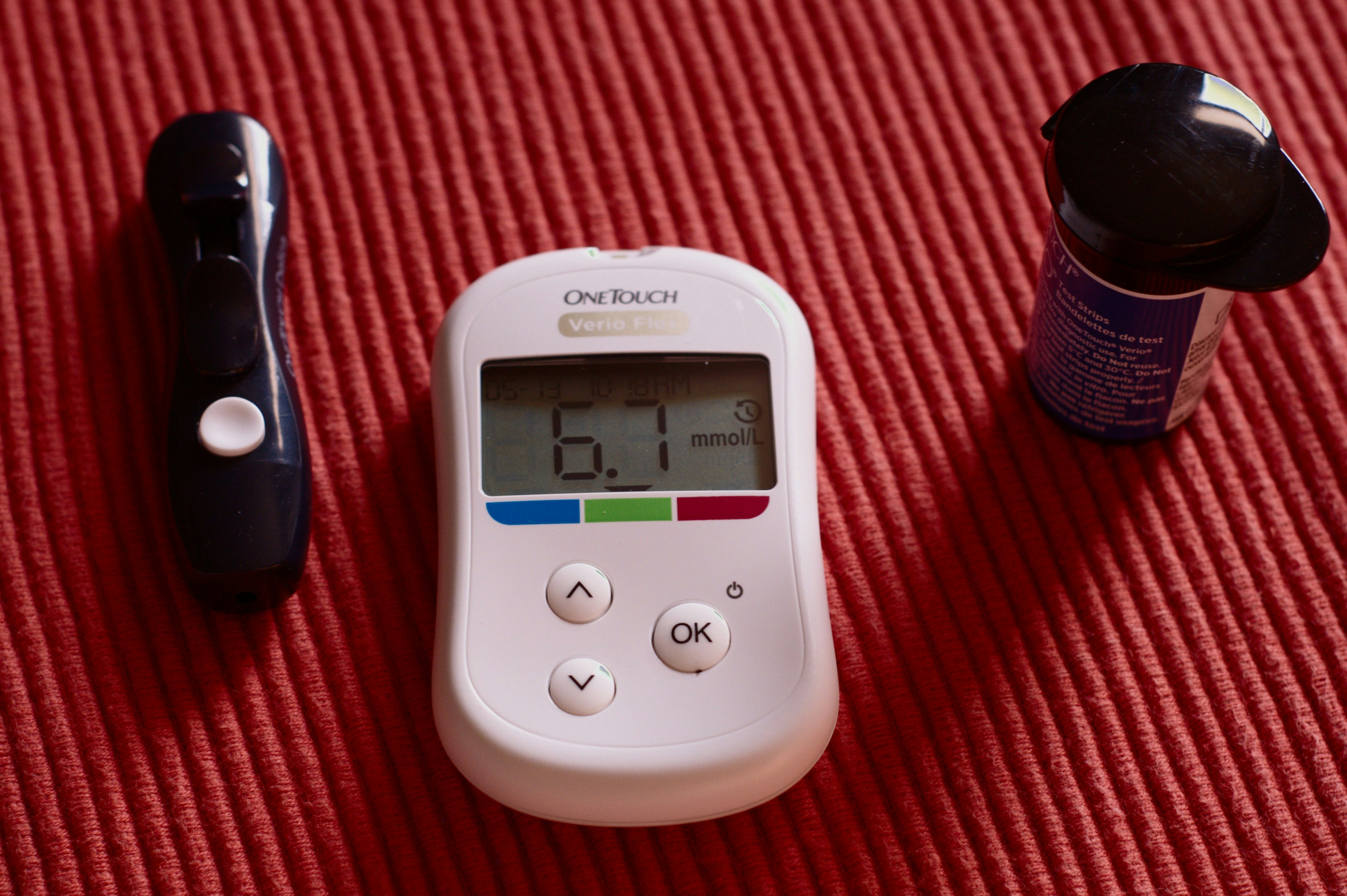
Investing in a blood glucose monitor allows you to keep track of your levels. Regular checking helps in identifying patterns related to your diet and activity, allowing you to make necessary adjustments over time.
- Tip: Aim to check your sugar levels at different times of the day and maintain a log for future reference.
Diet Choices
The food you consume plays a significant role in managing your blood sugar levels. Choosing low-glycemic index foods, which impact blood sugar less drastically, can be beneficial.
Foods to Include:
| Food Type | Examples |
|---|---|
| Non-starchy Vegetables | Spinach, broccoli |
| Whole Grains | Quinoa, brown rice |
| Lean Proteins | Chicken, tofu |
| Healthy Fats | Avocados, nuts |
Understanding what fuels your body helps you make healthier choices.
Exercise Regularly
Engaging in physical activity can help lower blood sugar levels by improving insulin sensitivity. Whether it’s a brisk walk, a workout session, or yoga, movement is vital.
- Tip: Aim for at least 150 minutes of moderate aerobic activity each week, mixing in strength training if possible.
Stay Hydrated
Drinking plenty of water can help flush out excess sugar from your bloodstream. Proper hydration supports your overall health, making it easier to manage your blood sugar levels.
Stress Management
High stress can lead to elevated blood sugar levels, too. Engage in activities that help you relax, whether that be reading, meditating, or spending time in nature.
- Tip: Deep breathing exercises and mindfulness can effectively reduce stress levels.
Getting Support
Sometimes, navigating high blood sugar can feel overwhelming, and that’s perfectly okay. Connecting with a healthcare professional, or seeking support from family and friends