Imagine waking up one morning, ready to take on the day, and looking in the mirror only to find an unwelcome surprise – a breakout of acne and pimples on your oily skin. It’s frustrating and can feel like an uphill battle trying to keep your skin clear and healthy. But fear not, because in this article, we will explore some tried and true tips and tricks to help you prevent acne and pimples on oily skin. So, get ready to say goodbye to unwanted blemishes and say hello to a clearer, more confident you!

Understanding Acne and Pimples
Acne and pimples are common skin conditions that can affect people with oily skin. Oily skin is characterized by an overproduction of sebum, the skin’s natural oil. When excess sebum combines with dead skin cells and bacteria, it can clog pores and lead to the formation of acne and pimples. Understanding the causes and effects of acne and pimples on oily skin is essential in finding the right solutions for prevention and treatment.
Causes of Acne and Pimples on Oily Skin
The primary cause of acne and pimples on oily skin is the excessive production of sebum. This overproduction can be triggered by various factors, including hormonal changes, genetics, and certain lifestyle habits. Hormonal changes, such as those experienced during puberty or menstrual cycles, can lead to an increase in sebum production. Similarly, genetics can play a role in determining the skin’s oiliness and susceptibility to acne. Lifestyle habits, such as poor diet, lack of proper skincare, and stress, can also contribute to the development of acne and pimples on oily skin.
Effects of Acne and Pimples on Oily Skin
Acne and pimples on oily skin can have several effects, both physical and emotional. Physically, acne and pimples can cause redness, inflammation, and discomfort. They can also leave behind scars and hyperpigmentation, which can be difficult to treat. Emotionally, acne and pimples can significantly impact a person’s self-esteem and confidence. Dealing with visible blemishes can lead to feelings of embarrassment and self-consciousness. Therefore, it is crucial to develop an effective daily skincare routine to prevent and manage acne and pimples on oily skin.
Daily Skincare Routine
Establishing a daily skincare routine is vital for maintaining healthy, acne-free skin. This routine should include the following key steps: cleansing, toning, moisturizing, and exfoliating. By incorporating these steps into your daily routine, you can effectively cleanse your skin, minimize oiliness, and prevent acne and pimples.
Cleansing
Cleansing is the foundation of any skincare routine, especially for oily skin prone to acne and pimples. Use a gentle, oil-free cleanser that is specifically formulated for oily or acne-prone skin. Be sure to wash your face twice a day, once in the morning and once before bed, to remove excess oil, dirt, and impurities. Avoid using harsh scrubs or abrasive cleansers, as they can irritate the skin and worsen acne. Instead, opt for a mild cleanser that will effectively cleanse your skin without stripping it of its natural oils.
Toning
Toning is an essential step in oily skincare, as it helps balance the skin’s pH levels and minimize the appearance of pores. Look for a toner that is alcohol-free and specifically formulated for oily skin. Witch hazel and tea tree oil are excellent natural ingredients to look for in a toner, as they have astringent properties that can help control oil production. Apply the toner to a cotton pad and gently swipe it across your face, focusing on the T-zone and any areas prone to acne or pimples.
Moisturizing
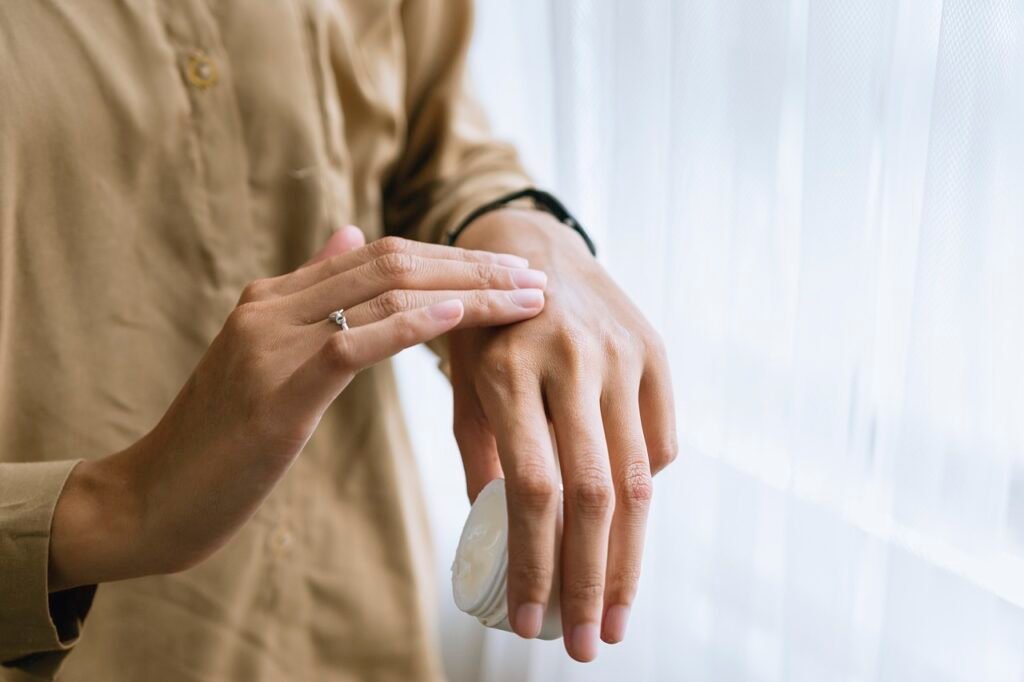
Contrary to popular belief, moisturizing is crucial for oily skin. Skipping moisturizer can actually lead to the skin producing more oil to compensate for the lack of hydration. However, it is essential to choose a lightweight, oil-free, and non-comedogenic moisturizer that won’t clog pores or exacerbate acne. Look for moisturizers that contain hyaluronic acid or glycerin, as these ingredients are excellent for hydration without adding excess oil. Apply the moisturizer to clean, dry skin and gently massage it in using upward motions.
Exfoliating
Exfoliating helps remove dead skin cells, unclog pores, and improve the overall texture and appearance of the skin. However, for oily skin prone to acne, it is crucial to choose a gentle exfoliator that won’t aggravate or overstimulate the skin. Look for exfoliators with salicylic acid, as it can penetrate the pores and help dissolve excess oil and bacteria. Limit exfoliating to once or twice a week to avoid over-exfoliation, which can lead to dryness and irritation. Gently massage the exfoliator onto damp skin, then rinse thoroughly with lukewarm water.
Choosing the Right Products
Selecting the right skincare products is essential for preventing acne and pimples on oily skin. Opt for products that are specifically formulated for oily or acne-prone skin and are free from pore-clogging ingredients. Here are some key product categories to consider:
Oil-free cleansers
When choosing a cleanser, look for oil-free options that won’t add excess oil to your skin. Oil-free cleansers are designed to remove dirt, impurities, and excess oil without leaving a greasy residue. They help balance oil production and keep your skin clean and fresh.
Non-comedogenic or water-based moisturizers
Non-comedogenic moisturizers are formulated to not clog pores and are ideal for oily skin. Look for water-based moisturizers that are lightweight and easily absorbed by the skin. These moisturizers provide hydration without adding unnecessary oiliness.
Salicylic acid or benzoyl peroxide-based treatments
For targeted acne treatment, products containing salicylic acid or benzoyl peroxide can be beneficial. Salicylic acid helps exfoliate the skin, unclog pores, and reduce inflammation. Benzoyl peroxide is effective against acne-causing bacteria and helps prevent the formation of new pimples. Choose products with the appropriate concentration of these ingredients based on your skin’s sensitivity.
Managing Oil Production
Managing oil production is crucial for preventing acne and pimples on oily skin. Here are some tips to help keep your skin’s oiliness in check:
Wash your face regularly
Washing your face regularly is essential for removing excess oil, dirt, and impurities. Use a gentle cleanser specifically formulated for oily skin and wash your face twice a day. Avoid hot water, as it can strip the skin of its natural oils and lead to increased oil production.
Avoid over-washing
While it may be tempting to wash your face frequently to reduce oiliness, over-washing can actually worsen the problem. It can strip the skin of its natural oils, leading to an overproduction of sebum. Stick to washing your face twice a day and avoid excessive scrubbing or harsh cleansers.
Use a clay or charcoal mask
Clay and charcoal masks are excellent for absorbing excess oil and deep-cleansing the pores. Apply a thin layer of the mask to your face and let it sit for the recommended time. Rinse it off with lukewarm water and pat your skin dry. Use a mask once or twice a week to control oiliness.
Try oil-absorbing sheets or powders
Oil-absorbing sheets or powders can be a lifesaver for managing oiliness throughout the day. These products help absorb excess oil without removing your makeup. Simply press the sheet onto your skin or lightly dust the powder over your face to mattify your complexion and reduce shine.

Balancing Diet and Hydration
Maintaining a balanced diet and staying hydrated are essential for overall skin health, including oily skin prone to acne and pimples. Here are some guidelines to follow:
Consume a healthy and balanced diet
Eating a diet rich in fruits, vegetables, lean proteins, and whole grains can promote healthy skin. Include foods that are high in antioxidants, such as berries and leafy greens, as they help fight inflammation and protect the skin. Limit your intake of processed foods, sugary snacks, and greasy foods, as they can contribute to increased oil production and acne.
Limit processed and sugary foods
Processed and sugary foods can cause blood sugar spikes, which can lead to increased sebum production and inflammation. Opt for whole, unprocessed foods whenever possible and limit your intake of sugary snacks, sodas, and refined carbohydrates.
Stay hydrated
Drinking an adequate amount of water is essential for maintaining hydrated and healthy skin. Aim to drink at least eight glasses of water per day to keep your skin hydrated from the inside out. Proper hydration can help regulate oil production and flush out toxins, promoting clearer and more balanced skin.
Avoiding Irritants
Avoiding irritants is crucial for preventing acne and pimples on oily skin. Here are some tips to minimize irritation:
Keep hands off the face
Avoid touching your face throughout the day, as your hands can transfer dirt, bacteria, and oil to the skin. Touching your face can also spread existing acne bacteria, leading to more breakouts. Be mindful and keep your hands away from your face whenever possible.
Avoid harsh scrubbing or aggressive treatments
When it comes to oily skin prone to acne, gentle care is key. Avoid aggressive scrubbing or harsh treatments that can irritate the skin and worsen acne. Opt for gentle cleansers, sunscreen, and skincare products, and use a light touch when applying them to your skin.
Choose non-comedogenic makeup
If you wear makeup, choose products that are labeled as non-comedogenic. Non-comedogenic makeup is formulated not to clog pores, reducing the likelihood of breakouts. Look for oil-free and lightweight formulas that won’t add excess oil to your skin.
Use fragrance-free skincare products
Fragrances can be irritating to the skin, especially for those prone to acne. Opt for fragrance-free skincare products to minimize the risk of irritation and breakouts. Look for products that are specifically formulated for sensitive or acne-prone skin.
Protecting the Skin
Protecting your skin from external aggressors is essential for preventing acne and pimples. Here are some measures you can take:
Apply sunscreen daily
Sunscreen is a crucial step in any skincare routine, regardless of skin type. Look for oil-free and non-comedogenic sunscreens that won’t clog pores or contribute to oiliness. Apply sunscreen liberally to all exposed areas of the skin, even on cloudy days, to protect your skin from harmful UV rays.
Protect your face from pollution and dirt
Pollution and dirt can contribute to clogged pores and breakouts. To protect your skin, consider wearing a wide-brimmed hat or using a scarf to shield your face from environmental pollutants. Additionally, cleanse your skin thoroughly at the end of the day to remove any accumulated pollutants and dirt.
Use oil-free and non-comedogenic sunscreens
When it comes to sunscreen, opt for oil-free and non-comedogenic formulas to prevent clogged pores. These sunscreens are designed to provide broad-spectrum protection without adding excess oiliness to the skin. Look for lightweight options that won’t feel heavy or greasy on your face.
Seeking Professional Help
If your acne and pimples persist despite your best efforts, it may be time to seek professional help. A dermatologist can evaluate your skin and provide personalized recommendations and treatments. Here are some options to consider:
Visit a dermatologist
A dermatologist is a skin specialist who can assess your skin condition and provide personalized advice and treatments. They can prescribe topical or oral medications to help control acne, reduce inflammation, and prevent future breakouts. Additionally, they can perform professional treatments such as chemical peels or laser therapy, depending on the severity of your acne.
Consider prescription medications
Prescription medications, such as retinoids or antibiotics, can be beneficial for treating acne and pimples on oily skin. Retinoids help regulate oil production and promote cell turnover, while antibiotics can help reduce acne-causing bacteria. Your dermatologist can determine the most appropriate medications for your specific needs.
Inquire about professional skincare treatments
Professional skincare treatments, such as chemical peels or microdermabrasion, can help improve the texture and appearance of the skin. These treatments can unclog pores, exfoliate dead skin cells, and stimulate collagen production, leading to clearer and healthier-looking skin. Consult with a dermatologist or skincare professional to determine which treatment is suitable for your skin.

Lifestyle Tips
In addition to a proper skincare routine, certain lifestyle habits can support healthy skin and prevent acne and pimples. Consider incorporating the following habits into your daily life:
Manage stress levels
Stress can contribute to hormonal imbalances and increased oil production, leading to acne and pimples. Find healthy ways to manage stress, such as practicing yoga, meditating, or engaging in hobbies you enjoy. Taking time for self-care and relaxation can have a positive impact on your skin.
Get enough sleep
Adequate sleep is essential for maintaining healthy skin. Lack of sleep can increase inflammation and stress levels, leading to hormonal imbalances and breakouts. Aim for seven to eight hours of quality sleep each night to rejuvenate your skin and promote overall well-being.
Exercise regularly
Regular exercise can improve blood circulation and promote healthy skin. Engaging in physical activity helps flush out toxins, reduce stress, and regulate hormone levels. Choose activities you enjoy, whether it’s jogging, dancing, swimming, or practicing yoga, and aim for at least 30 minutes of exercise most days of the week.
Patience and Consistency
When it comes to managing oily skin and preventing acne and pimples, patience and consistency are key. Results may not be immediate, and it may take several weeks or even months to see a noticeable improvement. Stick to your skincare routine, be gentle with your skin, and give your chosen products and treatments time to work. With dedication and persistence, you can achieve clearer and healthier-looking skin. Keep in mind that each person’s skin is unique, so it may require some trial and error to find the best routine for your specific needs.
By understanding the causes of acne and pimples on oily skin, establishing a daily skincare routine, choosing the right products, managing oil production, balancing diet and hydration, avoiding irritants, protecting the skin, seeking professional help when needed, following lifestyle tips, and practicing patience and consistency, you can effectively prevent and manage acne and pimples on oily skin. Remember, taking care of your skin is an ongoing process, and with time and dedication, you can achieve the clear and healthy complexion you desire.