
You’re staring in the mirror, a fresh breakout has finally subsided, but what remains is a constellation of red and brown spots, a ghostly reminder of battles past. You’re wondering, “How long will these darn acne marks last?” As the Listicle Content Architect, I understand your frustration. You need clear, actionable information, and that’s exactly what you’re going to get. Forget the endless scrolling through vague forums; we’re diving deep into the science and the strategies behind acne mark longevity. Prepare to become an informed warrior against post-acne remnants.
Before we can talk about how long they last, you need to know what you’re dealing with. Think of it like identifying a pest before you can effectively eliminate it. Acne marks aren’t a one-size-fits-all situation. They are the aftermath of skin inflammation, and the type of inflammation dictates the type of mark, which in turn dictates the timeline for healing.
1.1 Red Marks: The Lingering Inflammation
These are often the first ones you notice after a pimple starts to shrink. They’re not technically scars, but rather post-inflammatory erythema (PIE). The redness is a sign that the skin is still healing from the inflammation caused by the acne lesion. Blood vessels in the area may have become dilated or damaged during the inflammatory process.
1.1.1 Why They Appear Red
Your body’s immune response to the bacteria and blockage in your pores triggers inflammation. This inflammation increases blood flow to the area to bring in healing cells. When the acne clears, the blood vessels can remain enlarged for a while, making the skin appear red. Think of it like a bruise where the blood vessels are damaged.
1.1.2 How Long They Typically Last
The good news here is that red marks are usually the most transient. For most people, PIE will start to fade within weeks to a few months. Factors like the severity of the initial breakout, your skin tone, and your body’s natural healing speed all play a role. Lighter skin tones might see them fade faster, while deeper skin tones might experience prolonged redness, sometimes for up to 6 months.
1.2 Brown Marks: The Post-Inflammatory Hyperpigmentation (PIH)
These are the stubborn ones. Post-inflammatory hyperpigmentation (PIH) occurs when inflammation triggers an overproduction of melanin, the pigment that gives skin its color. It’s the skin’s way of trying to protect itself, but in this case, it overdoes it. These marks are particularly common in individuals with medium to darker skin tones.
1.2.1 The Melanin Connection
When your skin experiences trauma or inflammation, like from a popped pimple or even picking at one, it can signal melanocytes (the cells that produce melanin) to go into overdrive. These melanocytes then deposit excess melanin into the upper layers of the skin, resulting in those tell-tale brown or even purplish spots.
1.2.2 Typical Duration of Brown Marks
PIH is notorious for its persistence. These marks can linger for months to even years. While some might lighten on their own over 6 to 12 months, others can stubbornly remain for 1 to 2 years or more. The deeper the inflammation and the more you picked or aggravated the spot, the longer it’s likely to stick around.
1.3 Scars: The Deeper Damage
Unlike red and brown marks, acne scars involve actual textural changes to the skin. This happens when the inflammation from acne damages the collagen and elastin fibers in your dermis, the deeper layer of your skin. The body tries to repair this damage, but the repair process can be imperfect, leading to indentations or raised areas.
1.3.1 Types of Acne Scars
You’ll encounter several types of acne scars:
- Atrophic Scars: These are the most common and appear as indentations or depressions in the skin.
- Ice Pick Scars: Small, deep, narrow holes that look like they were made by an ice pick.
- Boxcar Scars: Wider depressions with sharply defined edges, often appearing after inflammatory acne heals.
- Rolling Scars: Broad depressions with sloping edges, giving the skin a wavy or uneven appearance.
- Hypertrophic Scars and Keloids: These are raised scars. Hypertrophic scars are confined to the site of the original wound, while keloids grow beyond the boundaries of the original wound and can continue to enlarge over time. These are less common with acne but can occur, especially with severe cystic acne.
1.3.2 Longevity of Acne Scars
Acne scars are the most permanent form of acne mark. While some very superficial ones might improve slightly with time and treatments, they don’t typically disappear on their own. The texture change is a result of altered collagen production, and reversing this requires professional intervention. You’re looking at a situation where the marks are permanent unless treated.
2. Factors Influencing the Healing Timeline of Acne Marks
So, you’ve identified your enemy. Now, let’s talk about the battlefield conditions. Several factors directly impact how quickly those marks will fade and what kind of fight you’re in for. Understanding these will help you set realistic expectations and prioritize your treatment approach.
2.1 Skin Tone and Individual Healing Speed
This is a big one, especially for hyperpigmentation. Your built-in melanin levels dictate how your skin responds to inflammation.
- Fairer Skin Tones: Generally experience less severe and shorter-lived PIH. Redness (PIE) might be more prominent initially, but it tends to fade relatively quickly. Scarring is also less common.
- Medium to Deeper Skin Tones: Are more prone to developing significant and longer-lasting PIH. The excess melanin production can be a more vigorous response. This means brown marks can persist for much longer periods.
Beyond skin tone, everyone’s body heals at its own pace. genetics, diet, hydration, and overall health can all influence how efficiently your skin repairs itself.
2.2 Severity and Type of Acne Breakout
Not all acne is created equal, and neither are the marks it leaves behind.
- Mild Acne (Blackheads, Whiteheads): These usually don’t cause significant inflammation and are less likely to leave lasting marks or scars. If any marks appear, they are typically mild redness or PIH that fades relatively quickly.
- Moderate to Severe Inflammatory Acne (Papules, Pustules): These are more likely to cause deeper inflammation and trigger the melanin production that leads to PIH or even mild scarring. The more inflamed the pimple, the higher the chance of a lingering mark.
- Cystic Acne: This is the most severe form of acne, characterized by large, deep, and painful lumps under the skin. Cystic acne is almost guaranteed to cause significant inflammation, increasing the risk of deep PIH and, very commonly, atrophic scarring.
2.3 Your Habits: The “Do Not Touch” Rule
This is where you have the most control over the fate of your acne marks. Your instinct might be to pick, pop, or scrub, but these actions are the archenemies of healthy healing.
- Picking and Squeezing: This is the golden ticket to prolonged marks and scarring. When you pick at a pimple, you’re essentially re-injuring the skin, introducing more bacteria, and increasing inflammation. This leads to more significant PIH and dramatically raises the risk of atrophic scars. What could have been a fleeting red mark can become a persistent brown spot or even a scar.
- Harsh Scrubbing: While exfoliation is beneficial, overdoing it with harsh physical scrubs can irritate already inflamed skin. This can worsen redness, delay healing, and even trigger more PIH.
- Sun Exposure: The sun is the ultimate enemy of fading marks. UV radiation stimulates melanin production, making PIH significantly darker and more noticeable. It can also impede the skin’s natural healing process.
2.4 Underlying Skin Conditions and Genetics
Sometimes, external factors are at play beyond your immediate control.
- Other Skin Conditions: Conditions like eczema or rosacea can sometimes contribute to persistent redness in the skin, which can be mistaken for or exacerbate post-acne redness.
- Genetic Predisposition: Your genes play a role in how your skin heals and its tendency to develop PIH or scar. If your family members are prone to significant acne scarring or hyperpigmentation, you might be too.
3. The Timeline of Healing: What to Expect and When
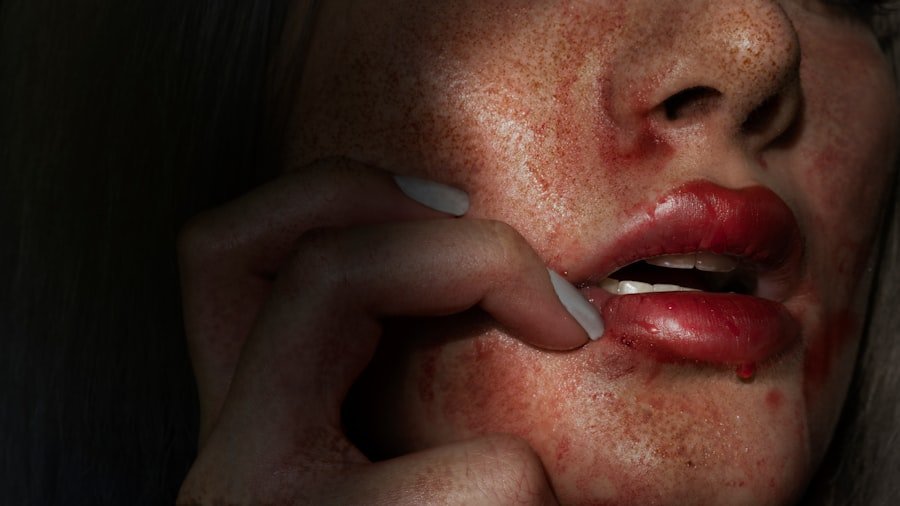
Let’s break down the journey of your acne marks. It’s not a sudden vanishing act, but a gradual process. Understanding the typical stages of healing can help you stay patient and informed.
3.1 The Immediate Post-Breakout Phase (Days to Weeks)
Once a pimple has gone down, you’ll likely be left with redness (PIE), sometimes accompanied by a darkening of the skin if it was a deeper lesion.
- Initial Redness: This is the most common sight immediately after a breakout. It’s the skin’s inflammatory response calming down.
- Early Pigmentation: You might start to notice a slight darkening or brown hue developing, especially if you’ve had more intense inflammation.
During this phase, the focus is on allowing the skin to calm down and begin its repair process. Resist the urge to treat aggressively.
3.2 The Fading Process: Months and Beyond
This is where patience is your superpower. The marks will gradually become less noticeable.
- For Red Marks (PIE): You should see a noticeable improvement within a few weeks to a couple of months. The vibrant redness will soften, gradually becoming more muted.
- For Brown Marks (PIH): This is a slower burn. You’ll likely see slight lightening over 3 to 6 months, with more significant fading occurring between 6 months to 1 year. Some stubborn marks might take 1 to 2 years or even longer to completely disappear.
- For Scars: As mentioned, scars don’t typically fade on their own. While the surrounding skin might heal and even out, the textural difference will remain.
3.3 Factors that Can Prolong or Accelerate Healing
You can actively influence this timeline.
- Accelerators: Consistent use of targeted skincare ingredients (which we’ll get to), diligent sun protection, and healthy lifestyle choices can all speed up the fading process.
- Prolongers: Picking, sun exposure, harsh skincare, and picking at scabs will undoubtedly prolong the healing and worsen the appearance of marks.
Think of it as a marathon, not a sprint. Your body is working to repair itself, and giving it the right conditions will help it reach the finish line faster.
4. Strategies to Speed Up the Fading Process
You’re not entirely at the mercy of your skin’s natural repair rate. There are effective strategies you can employ to accelerate the fading of acne marks, from at-home care to professional treatments.
4.1 Over-the-Counter (OTC) Skincare Heroes
You don’t always need a prescription to make a significant impact. Look for ingredients known for their pigment-fighting and skin-renewing properties.
- Vitamin C: A powerful antioxidant that brightens the skin, inhibits melanin production, and helps to repair damaged skin cells. Look for serums with L-Ascorbic Acid for optimal results.
- Niacinamide (Vitamin B3): This versatile ingredient reduces inflammation, improves skin barrier function, and also helps to fade hyperpigmentation by reducing pigment transfer.
- Alpha Hydroxy Acids (AHAs): Glycolic acid and lactic acid are excellent for exfoliation. They gently slough off the pigmented surface layers of the skin, revealing brighter skin underneath and promoting cell turnover. Start with lower concentrations and use them a few times a week.
- Retinoids (Retinol, Retinaldehyde): These Vitamin A derivatives are gold standard for skin renewal. They increase cell turnover, which helps to shed pigmented cells faster, and can also improve collagen production, which is beneficial for mild scarring and overall skin texture. Start slowly, as retinoids can cause irritation.
- Azelaic Acid: Known for its antibacterial and anti-inflammatory properties, azelaic acid is also very effective at reducing PIH, particularly in sensitive or acne-prone skin.
4.2 Lifestyle Modifications for Faster Healing
What you do outside of your skincare routine matters immensely.
- Strict Sun Protection: This cannot be stressed enough. Daily use of a broad-spectrum SPF 30 or higher sunscreen is non-negotiable. Sunscreen prevents UV rays from further stimulating melanin production, which would darken your existing marks and make them harder to fade. Reapply throughout the day, especially if you’re outdoors.
- Hydration: Keeping your skin well-hydrated supports its natural repair mechanisms. Drink plenty of water and use a good moisturizer that suits your skin type.
- Healthy Diet: A diet rich in antioxidants, vitamins, and minerals can support overall skin health and healing. Think plenty of fruits, vegetables, and lean proteins.
- Avoid Picking and Irritation: As we’ve discussed, this is paramount. Resist the urge to pick at any remaining blemishes or scabs. Wear loose, breathable clothing if body acne marks are a concern.
4.3 Professional Treatments for Stubborn Marks and Scars
When OTC methods aren’t quite cutting it, or for more significant scarring, it’s time to consult a dermatologist or licensed aesthetician.
- Chemical Peels: Stronger concentrations of AHAs and BHAs (beta-hydroxy acids) applied by a professional can provide deeper exfoliation to effectively address PIH and mild textural irregularities.
- Microdermabrasion: A procedure that exfoliates the outer layer of skin using a specialized device. It can help improve skin texture and reduce the appearance of shallower pigmentation.
- Microneedling: This treatment involves creating tiny punctures in the skin with fine needles, which stimulates collagen production. It’s highly effective for improving acne scars, particularly atrophic ones, and can also help with PIH.
- Laser and Light Therapies: Various laser treatments (e.g., fractional lasers, IPL) can target pigment for PIH or resurface the skin to improve scarring by stimulating collagen remodeling.
- Dermal Fillers: For deeper atrophic scars, dermal fillers can be injected to temporarily plump up the depressed areas, making them less noticeable.
- In-Office Exfoliants: Dermatologists may prescribe higher strength topical treatments like prescription-strength retinoids or hydroquinone (under strict medical supervision) for stubborn hyperpigmentation.
5. Preventing Future Acne Marks: The Proactive Approach
| Factors | Duration |
|---|---|
| Severity of acne | Several months to years |
| Skin type | Varies, typically several months |
| Treatment used | Can shorten duration |
| Sun exposure | Can prolong marks |
The best way to deal with acne marks is to prevent them from forming in the first place. While complete prevention is challenging, you can significantly reduce your risk with proactive strategies.
5.1 Consistent and Gentle Acne Management
The key to preventing marks is to treat active acne effectively and gently.
- Early Intervention: Don’t wait for breakouts to become severe. Addressing acne as soon as it appears minimizes inflammation and the potential for lasting damage.
- Choose the Right Treatments: Work with a dermatologist to find acne treatments that are effective for your skin type and acne severity without being overly harsh. This might include topical treatments, oral medications, or a combination.
- Gentle Cleansing: Avoid harsh soaps and overwashing. Use a mild, non-comedogenic cleanser twice a day to remove excess oil and impurities without stripping the skin.
5.2 Understanding Your Triggers and Avoiding Them
Knowing what causes your acne is half the battle.
- Dietary Factors: While controversial, some individuals find that certain foods trigger their acne (e.g., dairy, high-glycemic index foods). Experiment cautiously to see if any connections exist for you.
- Hormonal Fluctuations: Be aware of when your acne tends to flare up, which might be related to your menstrual cycle.
- Stress Management: High stress levels can exacerbate acne. Incorporate stress-reducing activities like exercise, meditation, or yoga into your routine.
- Product Sensitivities: Certain makeup, skincare, or haircare products can clog pores or irritate your skin, leading to breakouts. Opt for “non-comedogenic” and “oil-free” products.
5.3 The Importance of a Consistent Skincare Routine
A well-rounded skincare routine is your best defense against future acne and marks.
- Daily Cleansing and Moisturizing: This forms the foundation of healthy skin.
- Regular Exfoliation (Gentle): Incorporate a mild chemical exfoliant (like a low-concentration AHA or BHA serum) a few times a week to keep pores clear and promote cell turnover.
- Targeted Treatments: Use spot treatments for active breakouts as needed, but be mindful not to overdo it.
- Sun Protection, Sun Protection, Sun Protection: Again, this is crucial not just for fading existing marks but for preventing new ones and protecting your skin’s overall health.
5.4 When to Seek Professional Help Early
Don’t hesitate to involve a professional if your acne is persistent or severe.
- Recurring or Severe Breakouts: If your acne is consistently problematic, a dermatologist can offer potent treatments and guidance to manage it effectively.
- Signs of Scarring: If you notice early signs of scarring developing, see a dermatologist promptly. They can assess the type of scarring and recommend the most effective early interventions.
- Feeling Overwhelmed: If you’re struggling to manage your acne and its aftermath, a dermatologist is your greatest ally. They can provide personalized strategies and treatments to achieve clearer, smoother skin.
By understanding the types of marks you’re dealing with, the factors influencing their longevity, and implementing effective strategies, you can navigate the journey of acne mark healing with confidence and achieve the clearer complexion you desire. Remember, patience and consistency are key.
FAQs
What are acne marks?
Acne marks, also known as post-inflammatory hyperpigmentation, are flat, discolored spots left behind after a pimple has healed. They can range in color from pink to red, purple, brown, or black, and can take a long time to fade.
How long do acne marks typically last?
Acne marks can last for several weeks to several months, and in some cases, they may take up to a year to fade completely. The duration can vary depending on the individual’s skin type, the severity of the acne, and the effectiveness of treatment.
What factors can affect the duration of acne marks?
Several factors can influence how long acne marks last, including the individual’s skin type, the depth of the original acne lesion, sun exposure, and the use of effective skincare products. Additionally, picking or squeezing acne can prolong the healing process and lead to more prominent marks.
How can acne marks be treated or prevented?
To prevent acne marks, it’s important to treat acne promptly and avoid picking or squeezing pimples. Using sunscreen daily can also help prevent further darkening of the marks. Treatment options for existing acne marks include topical retinoids, chemical peels, microdermabrasion, and laser therapy.
When should I seek professional help for acne marks?
If acne marks are causing significant distress or are not improving with over-the-counter treatments, it’s advisable to seek professional help from a dermatologist. They can provide personalized treatment options and advice based on the individual’s specific skin type and concerns.