
- Understanding Your Acne-Prone Skin: The Foundation of Effective Cleansing
Before you even touch a cleanser, it’s crucial to understand what makes your skin acne-prone. This isn’t about assigning blame; it’s about gaining knowledge so you can tackle the issue head-on. Acne is a complex beast, often fueled by a combination of factors, and recognizing these will drastically improve your cleansing strategy.
The “Why” Behind the Breakouts: Unpacking the Culprits
You might think you know why you breakout – “it’s just oily skin” – but the reality is usually more nuanced. Acne-prone skin isn’t a monolithic entity. It can be oily, dry, sensitive, combination, or even dehydrated, yet still be prone to blemishes. Understanding the root causes empowers you to choose the right cleansing methods and products.
Excess Sebum Production: The Oily Culprit
This is perhaps the most commonly cited reason for acne. Your sebaceous glands produce sebum, an oily substance that lubricates your skin and hair. When these glands go into overdrive, producing more sebum than your skin needs, it can mix with dead skin cells and clog your pores. This creates a perfect breeding ground for Propionibacterium acnes (P. acnes), a bacteria that lives on the skin and contributes to inflammation and breakouts. While sebum is essential, an overabundance is a primary driver of many acne types, particularly oily and combination skin acne.
Pore Clogging: The Dead Cell Dilemma
Your skin is constantly shedding dead skin cells. Normally, these cells are sloughed off without a second thought. However, in acne-prone skin, this process can become irregular. Dead skin cells can stick together and, combined with excess sebum, form a plug within the hair follicle. This initial blockage, known as a microcomedone, is the precursor to most acne lesions. Without proper cleansing to help remove these accumulating cells, you’re setting yourself up for congestion.
Bacteria and Inflammation: The Red and Angry Stage
Once a pore is clogged, P. acnes bacteria, which are usually harmless inhabitants of your skin, can thrive. They feed on the sebum and dead cells, multiplying rapidly. This bacterial overgrowth triggers an inflammatory response from your immune system. This inflammation is what leads to the redness, swelling, and pain associated with pimples, cysts, and nodules. Your cleansing routine needs to address not just the surface buildup but also create an environment less hospitable to these bacteria and their inflammatory effects.
Hormonal Fluctuations: The Internal Driver
Hormones, particularly androgens like testosterone, play a significant role in sebum production. Fluctuations in hormone levels, common during puberty, menstruation, pregnancy, and due to conditions like PCOS, can dramatically increase sebum output, leading to breakouts. While you can’t directly cleanse away hormonal imbalances, an effective cleansing routine can help manage the increased oil and cellular buildup that these fluctuations cause.
Lifestyle and Environmental Factors: The External Influences
Your daily life and environment also contribute. Stress can trigger hormonal changes that exacerbate acne. Certain medications, dietary choices (though the link is complex and debated), and even the friction from your phone or helmets can irritate and clog pores. Environmental pollutants can also contribute to oxidative stress and inflammation on the skin, impacting its overall health and susceptibility to breakouts. A mindful approach to cleansing and product selection can mitigate some of these external impacts.
Identifying Your Skin Type for Targeted Cleansing
Knowing your general skin type (oily, dry, combination, sensitive) is a great starting point, but for acne-prone skin, it’s essential to be more specific. This allows you to choose cleansers that address your unique needs without stripping your skin or over-stimulating oil production.
The Oily Acne Reactor
If your skin consistently looks shiny, especially in the T-zone (forehead, nose, chin), and you tend to experience blackheads, whiteheads, and papules, you likely have oily acne-prone skin. Your pores might appear larger. Your cleansing routine should focus on gentle but effective oil control without causing dryness, which can paradoxically lead to more oil production.
The Dry/Dehydrated Acne Sufferer
This might seem counterintuitive, but skin that is dry or dehydrated can still breakout. Dry skin lacks sufficient natural oils, while dehydrated skin lacks water. Both can lead to a compromised skin barrier. When the barrier is weak, it can become inflamed and irritated, leading to breakouts. Dryness can also cause skin cells to shed irregularly, contributing to clogged pores. Your cleansing approach needs to be incredibly gentle, focusing on replenishing moisture and supporting the skin barrier.
The Combination Clutter
Many people fall into this category. You might have an oily T-zone with occasional breakouts and drier cheeks that feel tight. This requires a more balanced approach, potentially even using slightly different products or techniques for different areas of your face. The goal is to manage excess oil without exacerbating dryness.
The Sensitive Skin Scapegoat
If your skin easily reddens, stings, or reacts to products, you have sensitive acne-prone skin. Harsh ingredients and aggressive cleansing can easily trigger inflammation, worsening your acne and compromising your skin barrier. Your focus must be on calm, soothing, and minimally irritating ingredients and techniques.
- The Art of the Gentle Cleanse: Choosing the Right Cleanser
This is where your understanding of your skin type and the “why” behind your breakouts truly comes into play. Not all cleansers are created equal, especially when it comes to acne-prone skin. The wrong choice can do more harm than good, stripping your skin, disrupting its natural balance, and even worsening your breakouts. The goal isn’t to obliterate every single oil molecule on your face, but to effectively remove impurities, excess sebum, and makeup without triggering irritation or compromising your skin barrier.
Decoding Cleanser Ingredients: What to Look For and What to Avoid
The ingredient list on a cleanser can seem daunting, but with a little knowledge, you can become a seasoned detective, identifying the heroes and villains for your acne-prone skin.
The “Good Guys”: Your Cleansing Allies
- Salicylic Acid (BHA): This is often the star player for acne-prone skin. As a beta-hydroxy acid, salicylic acid is oil-soluble, meaning it can penetrate deep into your pores to break down the sebum and dead skin cells that cause blockages. It also has anti-inflammatory properties, which can help calm redness and irritation. Look for concentrations typically between 0.5% and 2%. Key benefit: Pore penetration and exfoliation.
- Benzoyl Peroxide: This powerful ingredient is antimicrobial, meaning it effectively kills P. acnes bacteria. It also has mild exfoliating properties. Available in various strengths (2.5% to 10%), it’s particularly effective for inflammatory acne. Start with a lower concentration to minimize irritation. Key benefit: Antibacterial action.
- Gentle Surfactants: These are the cleaning agents. Instead of harsh sulfates like Sodium Lauryl Sulfate (SLS) or Sodium Laureth Sulfate (SLES), opt for milder ones like Coco-Glucoside, Decyl Glucoside, or Sodium Cocoyl Isethionate. These lift dirt and oil without stripping the skin’s natural moisture barrier. Key benefit: Effective but mild cleansing.
- Niacinamide (Vitamin B3): This multitasking ingredient is a powerhouse for acne-prone skin. It helps regulate sebum production, reduces inflammation, improves the skin barrier function, and can even help fade post-acne marks. Key benefit: Sebum regulation, anti-inflammatory, barrier support.
- Hyaluronic Acid and Glycerin: These are humectants, meaning they attract and hold moisture in the skin. Even oily skin can be dehydrated, and these ingredients ensure your skin doesn’t feel tight or stripped after cleansing. Key benefit: Hydration.
- Ceramides: These are lipids that are naturally found in your skin barrier. When your skin is compromised (which acne can cause), ceramides help repair and strengthen it, making it less prone to irritation and inflammation. Key benefit: Barrier repair and strengthening.
- Centella Asiatica (Cica), Green Tea Extract, Chamomile: These are soothing and anti-inflammatory botanical extracts. They can help calm redness and irritation associated with breakouts, creating a more comfortable cleansing experience. Key benefit: Soothing and anti-inflammatory.
The “Bad Guys”: Ingredients to Approach with Caution
- Harsh Sulfates (SLS/SLES): As mentioned, these create a lot of lather but can be incredibly stripping, leaving your skin feeling tight, dry, and irritated. This can paradoxically lead to increased oil production and a weakened skin barrier.
- Alcohol (Denatured Alcohol, SD Alcohol): While some alcohols can be beneficial in small amounts for formulation, high concentrations can be extremely drying and irritating, contributing to inflammation and barrier damage.
- Fragrance and Dyes: These are common irritants, especially for sensitive acne-prone skin. They don’t offer any skincare benefits and can trigger redness, itching, and breakouts.
- Heavy Oils and Butters (in some cleansers): While some oils can be beneficial, comedogenic oils (those that tend to clog pores) like coconut oil or cocoa butter in a rinse-off cleanser might not be ideal for very oily or acne-prone skin, especially if you’re prone to pore-clogging. However, certain well-formulated cleansing oils can actually be effective at dissolving pore blockages. It depends on the specific oil and the overall formulation.
- Physical Exfoliants (Scrubs with large, jagged particles): While we need exfoliation, harsh physical scrubs can create micro-tears in the skin, leading to inflammation and potentially spreading bacteria, worsening acne. Gentle physical exfoliants with fine, smooth particles might be tolerated by some, but chemical exfoliants are often preferred for acne-prone skin.
Cleanser Formats Tailored to Your Needs
The texture and form of a cleanser can significantly impact its effectiveness and your skin’s reaction to it. Understanding these variations will help you find your perfect match.
Foaming Cleansers: The Deep Clean (with a gentle touch)
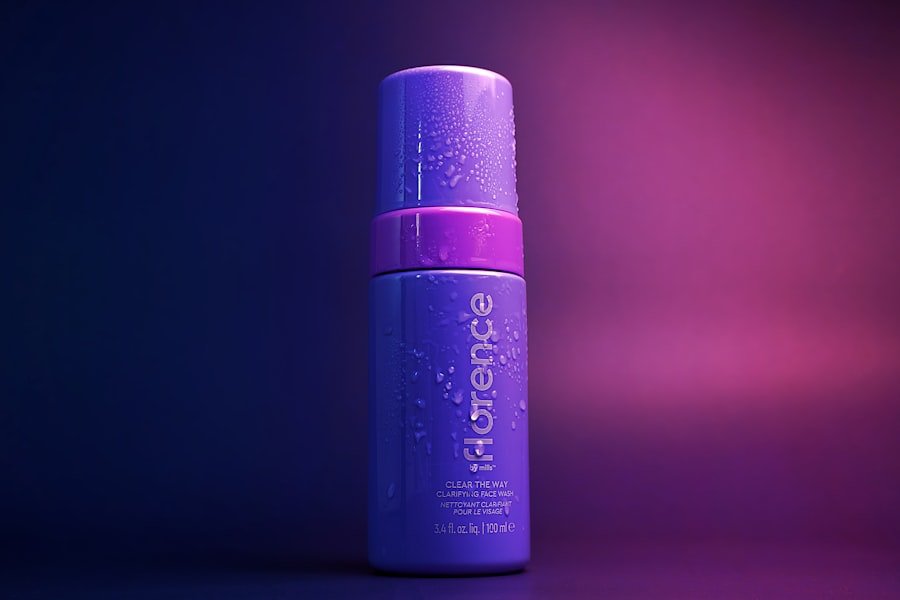
These cleansers, when formulated with mild surfactants, are excellent for oily and combination acne-prone skin. They create a rich lather that effectively lifts away excess sebum, dirt, and impurities. The key is NOT to use harsh sulfates. Look for “sulfate-free foam cleansers.” They provide a satisfying clean without the stripping feeling of traditional foamy washes. They are also good for removing makeup.
Gel Cleansers: The Balanced Approach
Gel cleansers are typically clear and have a lighter, more fluid consistency than foaming cleansers. They offer a good balance of cleansing power and mildness, making them suitable for most acne-prone skin types, including oily and combination. They effectively remove oil and debris without over-drying. Many acne-fighting ingredients, like salicylic acid, are commonly found in gel formulations.
Cream/Lotion Cleansers: The Hydration Heroes
These are richer, more emollient cleansers often recommended for dry, sensitive, or dehydrated acne-prone skin. They are designed to cleanse the skin while simultaneously providing hydration and replenishing the skin barrier. They usually don’t lather and are perfect for removing light makeup and daily grime without stripping essential moisture.
Micellar Water: The Gentle Purifier
Micellar water contains tiny oil molecules called micelles suspended in soft water. These micelles act like magnets, attracting and lifting away dirt, oil, and makeup from the skin’s surface without the need for harsh rubbing or rinsing. It’s an excellent first step in a double-cleansing routine or for very sensitive skin that reacts to water. It’s particularly good for removing makeup and light daily impurities.
Cleansing Balms and Oils: The Dissolving Duo
These oil-based cleansers are fantastic for dissolving makeup (even stubborn waterproof types) and breaking down excess sebum and sunscreen. The principle is “like dissolves like.” They are often very gentle and can be surprisingly effective for acne-prone skin because they dissolve pore blockages rather than just sitting on top of them. They are usually followed by a second, water-based cleanser (double cleansing) to ensure all residue is removed.
- The Double Cleanse: A Strategic Power Move for Pores
You might have heard the term “double cleansing” and wondered if it’s just an unnecessary extra step. For acne-prone skin, however, it can be a game-changer. This two-step process, originating from K-beauty and J-beauty routines, is designed to address the multifaceted nature of pore blockages and daily grime, ensuring a truly clean canvas without compromising your skin’s health. It’s not about assaulting your skin with two harsh cleansers; it’s about strategically using different types of cleansers to achieve a more thorough and effective cleanse.
Step 1: The Oil-Based Cleanse – Dissolving the Day
The first step of the double cleanse involves using an oil-based cleanser (a cleansing oil or cleansing balm). This is crucial for effectively breaking down oil-based impurities that a water-based cleanser might not fully tackle.
Why an Oil-Based Cleanser First?
- Melting Makeup: If you wear makeup, especially foundation, SPF, or waterproof mascara, an oil cleanser is your best friend. Water-based cleansers often struggle to break down these oil-soluble ingredients. The oil in the cleanser literally melts away the makeup, preventing it from being pushed deeper into your pores.
- Dissolving Excess Sebum: Your skin naturally produces sebum, and by the end of the day, you often have an accumulation of this oil, along with environmental pollutants and dead skin cells. An oil cleanser can effectively dissolve this excess sebum, reaching into the pore lining to loosen the congestion that leads to blackheads and whiteheads.
- Breaking Down Sunscreen: All sunscreens, particularly physical ones containing zinc oxide and titanium dioxide, require a robust cleansing method to be fully removed. An oil cleanser is far more effective at lifting these residue particles than a simple water-based wash.
- Gentle yet Powerful: Despite the word “oil,” a well-formulated cleansing oil or balm is often very gentle. They work by emulsifying with water, transforming from an oil to a milky lotion that rinses clean. This process is less likely to strip your skin barrier compared to some aggressive water-based cleansers.
How to Execute the Oil Cleanse
- Dry Hands, Dry Face: Start with dry hands and apply the cleansing oil or balm directly to your dry face. This allows the product to effectively adhere to and dissolve impurities.
- Massage Gently: Using your fingertips, gently massage the product all over your face in circular motions. Pay attention to areas where you tend to accumulate oil or wear makeup. Don’t scrub aggressively. Allow the product to work its magic for about 60 seconds.
- Emulsify: Wet your hands with lukewarm water and continue massaging your face. You’ll notice the oil transforming into a milky, lotion-like texture. This emulsification process is key to lifting the impurities from your skin.
- Rinse Thoroughly: Rinse your face thoroughly with lukewarm water. Ensure all traces of the oil cleanser have been removed.
Step 2: The Water-Based Cleanse – Washing Away the Rest
After the oil-based cleanse, you move on to your second cleanser. This is typically a gentle, water-based cleanser (foam, gel, or cream). This step ensures that any remaining residue from the oil cleanser, along with any water-soluble impurities, is completely removed.
The Role of the Second Cleanser
- Removing Oil Residue: Even though cleansing oils emulsify well, this second step guarantees that no oily residue is left behind, which could potentially clog pores.
- Targeting Water-Soluble Impurities: This cleanser will effectively remove any remaining dirt, sweat, and other water-soluble grime that the oil cleanser may not have fully tackled.
- Delivering Active Ingredients: This is often where your acne-fighting actives like salicylic acid or benzoyl peroxide come into play. A water-based cleanser can be formulated with these ingredients to provide a gentle yet targeted treatment.
- Refreshing the Skin: It leaves your skin feeling completely clean, soft, and ready for the next steps in your skincare routine.
How to Execute the Water-Based Cleanse
- Apply to Damp Skin: Apply your chosen water-based cleanser to your damp face.
- Lather and Massage: Gently lather the cleanser between your hands or directly on your face. Massage it into your skin in gentle, circular motions for about 30-60 seconds, ensuring you cover all areas.
- Rinse Thoroughly: Rinse your face completely with lukewarm water. Again, make sure no cleanser residue remains.
- Pat Dry: Gently pat your face dry with a clean, soft towel. Avoid rubbing.
Who Benefits Most from Double Cleansing?
- Makeup Wearers: If you wear makeup daily, double cleansing is almost non-negotiable for truly clean skin.
- Those Using Sunscreen Daily: Sunscreen needs a thorough removal process.
- Individuals with Oily or Combination Acne: The ability to effectively remove excess sebum is paramount.
- People Prone to Blackheads and Whiteheads: Double cleansing helps to significantly reduce pore congestion.
- Anyone Experiencing Stubborn Breakouts: A truly clean pore is less likely to become inflamed.
However, if you have extremely sensitive or dry skin and find that double cleansing irritates you, or you don’t wear makeup or heavy SPF, a single gentle cleanse might be sufficient. Listen to your skin – it will tell you what it needs.
- Mastering the Technique: The Gentle Art of Washing Your Face
Even with the perfect cleanser, the way you wash your face can make or break its effectiveness for acne-prone skin. Aggressive scrubbing, using water that’s too hot, or neglecting to rinse properly can all irritate your skin, disrupt its protective barrier, and even worsen breakouts. Think of cleansing as a gentle ritual, a moment to care for your skin, not a harsh battle.
Water Temperature: The “Just Right” Principle
The temperature of the water you use is surprisingly important. It might seem like a minor detail, but it can have a significant impact on your skin’s health and its propensity for irritation.
Avoid Hot Water: The Inflammation Trigger
Hot water can strip your skin of its natural oils much more effectively than lukewarm water. This can leave your skin feeling dry, tight, and irritated. For acne-prone skin, which is often already prone to inflammation, hot water can exacerbate redness and make existing breakouts feel more painful. It can also signal your skin to produce more oil in an attempt to compensate for the lost moisture, leading to a cycle of oiliness and breakouts.
Embrace Lukewarm Water: The Skin’s Best Friend
Lukewarm water is the gold standard for cleansing acne-prone skin. It’s effective enough to dissolve and rinse away your cleanser and impurities without stripping your skin of its essential natural oils. It helps to maintain your skin’s pH balance and protects its delicate barrier. Think of it as the perfect temperature for a soothing, effective cleanse.
Cold Water: A Refreshing Myth vs. Reality
While splashing your face with cold water might feel invigorating, its actual benefits for acne are often overstated. Cold water can temporarily constrict blood vessels, which might make pores appear smaller for a short time and can help reduce immediate redness and puffiness. However, it’s not effective at cleansing your skin or dissolving oil and debris. It can also be too much of a shock for sensitive skin. So, while a quick cold splash might feel nice, it shouldn’t be your primary cleansing temperature.
The Gentle Touch: Rethinking Your Scrubbing Habits
Your hands are your primary tools when cleansing, and how you use them is critical. The urge to scrub away blemishes with force is understandable, but it’s counterproductive.
No Harsh Scrubbing, Ever
Imagine your skin as a delicate piece of silk. You wouldn’t rub it vigorously with a rough sponge, would you? Your skin deserves the same gentleness, especially when it’s inflamed and prone to breakouts. Harsh scrubbing can:
- Create Micro-Tears: This damages the skin barrier, making it more susceptible to irritation, bacteria, and infection.
- Exacerbate Inflammation: Rubbing inflamed acne can make the redness and swelling worse, and can even cause active breakouts to spread.
- Stimulate Oil Production: The friction and trauma can signal your skin to produce more oil, contributing to clogged pores.
- Worsen Post-Inflammatory Hyperpigmentation (PIH): The trauma can lead to darker marks after blemishes heal.
Embrace Circular Motions and Light Pressure
Instead of scrubbing, focus on gentle, circular motions. Use the pads of your fingertips, not your nails, and apply just enough pressure to feel like you’re massaging your skin, not pressing into it. This allows the cleanser to work its magic and effectively lift impurities without causing any trauma. Spend about 30-60 seconds on this gentle massage to ensure thorough cleansing.
Rinsing and Drying: The Final Polish
The cleansing process isn’t over until your face is completely clean and properly dried. These final steps are just as important as the washing itself.
Thorough Rinsing is Key
Ensure you rinse your face completely with lukewarm water. Any leftover cleanser residue can irritate your skin, clog pores, or disrupt your skin’s pH balance. Gently cup your hands to hold water and splash your face, or use a soft washcloth dampened with lukewarm water to gently wipe away cleanser. Take your time here – a rushed rinse means incomplete cleansing. If you wear makeup and are double-cleansing, pay extra attention to ensure all the oil and makeup residue is gone.
Pat, Don’t Rub, Your Face Dry
After rinsing, reach for a clean, soft towel. Microfiber or a designated facial towel is ideal. Gently pat your face dry, absorbing the excess water. Avoid rubbing your skin vigorously with the towel, as this can cause irritation. Think of it as blotting your skin to remove moisture, not as an exfoliating step. Using a clean towel each time is also crucial to prevent transferring bacteria back onto your freshly cleansed skin.
- Beyond the Wash: Ancillary Cleansing Practices for Clearer Skin
Cleansing your face isn’t just about the two minutes you spend in front of the sink. Several other practices play a crucial role in maintaining a clean and clear complexion for acne-prone skin. These are often overlooked but can significantly impact your journey to blemish-free skin.
The Importance of Hygiene: Where Your Hands and Face Meet
Your hands are a constant point of contact between you and the world, and they can transfer a myriad of bacteria, oil, and dirt to your face. Maintaining good hand hygiene is therefore paramount when dealing with acne-prone skin.
Wash Your Hands Before Touching Your Face
This sounds like common sense, but it’s surprisingly easy to forget, especially when you’re reaching up to adjust your hair or touch a stray blemish. Always wash your hands with soap and water before you start your cleansing routine or apply any skincare products. This removes any surface bacteria and oils that could be transferred to your skin.
Avoid Touching Your Face Throughout the Day
Constantly touching your face throughout the day is a direct route for introducing bacteria and oil to your pores. Be mindful of this habit and try to consciously break it. If you feel the urge to touch your face, redirect your hand or find something else to do with it. This includes picking at or squeezing blemishes, which is a major no-no for acne-prone skin as it can lead to inflammation, infection, scarring, and hyperpigmentation.
Pillowcases and Towels: Unsung Heroes of Skin Health
These everyday items can be breeding grounds for bacteria and trapped oils, directly impacting your skin while you sleep or dry your face.
Change Your Pillowcases Regularly
Your pillowcase can accumulate sweat, oil, dead skin cells, hair products, and even bacteria from your skin and environment throughout the week. When you sleep, your face is in constant contact with this accumulation. For acne-prone skin, this means potentially reintroducing those pore-clogging culprits night after night. Aim to change your pillowcases at least twice a week. If you’re particularly prone to breakouts, consider even more frequent changes or using silk or satin pillowcases, which are less absorbent and can create less friction.
Use Clean Facial Towels
Just like pillowcases, your facial towels can harbor bacteria, dead skin cells, and leftover cleanser residue. Using a damp, dirty towel to dry your face can essentially undo the good work of your cleansing routine and reintroduce bacteria and irritants to your skin. Ensure you use a clean facial towel every time you dry your face. Consider having a stack of small, dedicated facial cloths that you can wash frequently.
Double Cleansing and Makeup Removal: A Synergistic Relationship
If you wear makeup, proper removal is an integral part of your cleansing strategy. Failing to remove all makeup before your main cleanse and subsequent routine can lead to clogged pores and breakouts.
The Non-Negotiable Makeup Removal Step
Never go to bed without removing your makeup. Sleeping in makeup can clog your pores, trap dirt and oil, and prevent your skin from regenerating overnight. A dedicated makeup remover (micellar water, cleansing oil, or balm) should be your first line of defense. This ensures that the bulk of the makeup is dissolved and lifted away before you even start your regular cleansing routine. This is the “first step” in your double cleanse, as discussed earlier, and it’s crucial for thoroughly prepping your skin.
Brush and Sponge Hygiene: Cleaning Your Tools
Your makeup brushes and sponges are also prime real estate for bacteria and product buildup. If you use these tools to apply makeup, they will inevitably pick up oil, dead skin cells, and bacteria from your face. When you then use these dirty tools again, you’re essentially reintroducing these contaminants to your skin, potentially causing breakouts.
- Frequency: Aim to clean your makeup brushes and sponges at least once a week. If you suffer from severe acne or use them for creamier products, more frequent cleaning might be beneficial.
- Method: Use a gentle cleanser (like a mild shampoo or a dedicated brush cleaner) to wash your brushes and sponges. Work the cleanser through the bristles or material until it lathers, then rinse thoroughly. Squeeze out excess water and reshape the bristles. Allow them to air dry completely on a clean surface, away from direct heat.
- Listening to Your Skin: Adjusting Your Cleansing Routine
Your skin is an incredibly dynamic organ, and its needs can fluctuate based on a multitude of factors – the weather, your diet, stress levels, hormonal changes, and even the products you’re using. Therefore, a rigid, one-size-fits-all cleansing routine might not always be the most effective. Learning to listen to your skin’s signals and adjust your approach accordingly is the hallmark of a truly skilled skincare enthusiast.
Recognizing Signs of Over-Cleansing or Under-Cleansing
How your skin reacts to your cleansing routine is your most important feedback mechanism. Pay close attention to these common indicators.
Signs You Might Be Over-Cleansing:
- Tightness and Dryness: Your skin feels uncomfortably tight, stripped, or squeaky clean after washing. This is a sign that you’re removing too much of your natural sebum.
- Increased Oiliness: Paradoxically, over-cleansing can trigger your skin to produce even more oil to compensate for the dryness. You might notice yourself becoming shinier throughout the day than you were before.
- Redness and Irritation: Increased redness, stinging, or a burning sensation after cleansing indicates that your skin barrier is compromised and inflamed.
- Flaking or Peeling: Dry patches and visible flaking are clear signs of dehydration and a disrupted skin barrier.
- Breakouts Worsening: While the goal is to prevent breakouts, over-cleansing can sometimes lead to increased inflammation and even new breakouts due to barrier damage.
Signs You Might Be Under-Cleansing:
- Persistent Oiliness and Shine: Your skin feels greasy throughout the day, even shortly after washing.
- Visible Blackheads and Whiteheads: If your pores seem consistently clogged with visible comedones, your cleanser might not be effectively removing sebum and dead skin cells.
- Dullness and Congestion: Your skin looks lackluster, and you feel a general buildup of grime or product residue.
- Frequent, Stubborn Breakouts: If you’re consistently experiencing new breakouts and your current cleansing routine isn’t making a difference, you might need a more effective cleanse.
- Makeup Residue: You notice makeup or SPF remaining on your skin even after washing.
Seasonal Adjustments: Weathering the Changes
The climate and season play a significant role in your skin’s needs. What works in the humid summer might not be ideal in the dry winter, and vice-versa.
Winter Cleansing: Embracing Moisture
In colder, drier months, your skin naturally loses more moisture to the environment.
- Switch to a Gentler Cleanser: Consider using a cream or lotion cleanser instead of a foaming one, especially if your skin feels dry.
- Reduce Cleansing Frequency (if needed): If your skin is extremely dry and not producing much oil, you might consider washing only once a day with a gentle cleanser. However, for acne-prone skin, a consistent double cleanse is often still beneficial to keep pores clear. Just ensure the second cleanse is exceptionally gentle.
- Focus on Hydration: Follow cleansing with hydrating serums and richer moisturizers to combat dryness and protect your skin barrier.
Summer Cleansing: Managing Oil and Sweat
In warmer, more humid months, increased sweat and oil production are common.
- Maintain Double Cleansing: The double cleanse is crucial for effectively removing excess sebum, sweat, and sunscreen.
- Consider a Slightly Stronger Second Cleanser: If your skin is particularly oily, you might opt for a gel or a gentle foaming cleanser with a low percentage of salicylic acid for your second cleanse.
- Ensure Thorough Rinsing: Make sure to rinse away all sweat and sunscreen residue to prevent pore blockage.
Lifestyle and Stress: Adapting to Your Body’s Signals
Your overall well-being reflects on your skin. Stress and internal changes can significantly impact your skin’s oil production and inflammation levels.
- Stressful Periods: During times of high stress, your body releases cortisol, which can increase sebum production. You might find yourself breaking out more. In these instances, ensure your cleansing routine is thorough but still gentle. Avoid increasing the harshness of your cleanser, as this can further inflame stressed skin. Focus on calming ingredients and a consistent, gentle routine.
- Hormonal Shifts: If you notice breakouts correlating with your menstrual cycle, you might need to be extra vigilant with your cleansing routine during those times. A gentle approach is still key, but ensuring thorough removal of oil and impurities is vital.
- Dietary Changes: While the link between diet and acne is complex, if you notice breakouts after consuming certain foods, consider how they might be impacting your skin’s oil production or inflammation and adjust your cleansing accordingly.
By paying attention to these nuances and being willing to adapt, you can ensure your cleansing routine consistently supports your acne-prone skin, keeping it clean, balanced, and on the path to clarity.
FAQs
What is acne-prone skin?
Acne-prone skin is characterized by the presence of frequent breakouts, blackheads, whiteheads, and inflammation. It is often caused by excess oil production, clogged pores, and bacteria on the skin.
Why is it important to cleanse acne-prone skin properly?
Proper cleansing of acne-prone skin is important to remove excess oil, dirt, and bacteria that can contribute to breakouts. It also helps to unclog pores and prevent further inflammation.
What ingredients should I look for in a cleanser for acne-prone skin?
Look for cleansers that contain salicylic acid, benzoyl peroxide, or glycolic acid, as these ingredients can help to exfoliate the skin, unclog pores, and reduce acne-causing bacteria. Avoid harsh ingredients like alcohol and fragrances, as they can irritate the skin.
How often should I cleanse acne-prone skin?
It is recommended to cleanse acne-prone skin twice a day, in the morning and evening. However, if you engage in activities that cause excessive sweating or exposure to dirt and pollutants, it may be beneficial to cleanse more frequently.
What other skincare practices should I incorporate for acne-prone skin?
In addition to proper cleansing, it is important to use non-comedogenic moisturizers and sunscreen, avoid picking or squeezing pimples, and consider using topical treatments or seeking professional help from a dermatologist.