
Have you ever experienced that annoying sensation of your eye involuntarily twitching? Known medically as “myokymia,” eye twitching is a common condition that can occur in one or both eyes. While typically harmless, it can be bothersome and leave you wondering about its causes and treatment options. In this article, we will explore the various factors that can trigger eye twitching, from stress and fatigue to caffeine consumption and eye strain. Additionally, we will discuss effective remedies and strategies to help alleviate the discomfort and reduce the frequency of eye twitching episodes. So, if you’re seeking some insights into this pesky eye condition, prepare to discover the causes behind it and find the most suitable treatments to bring you relief.
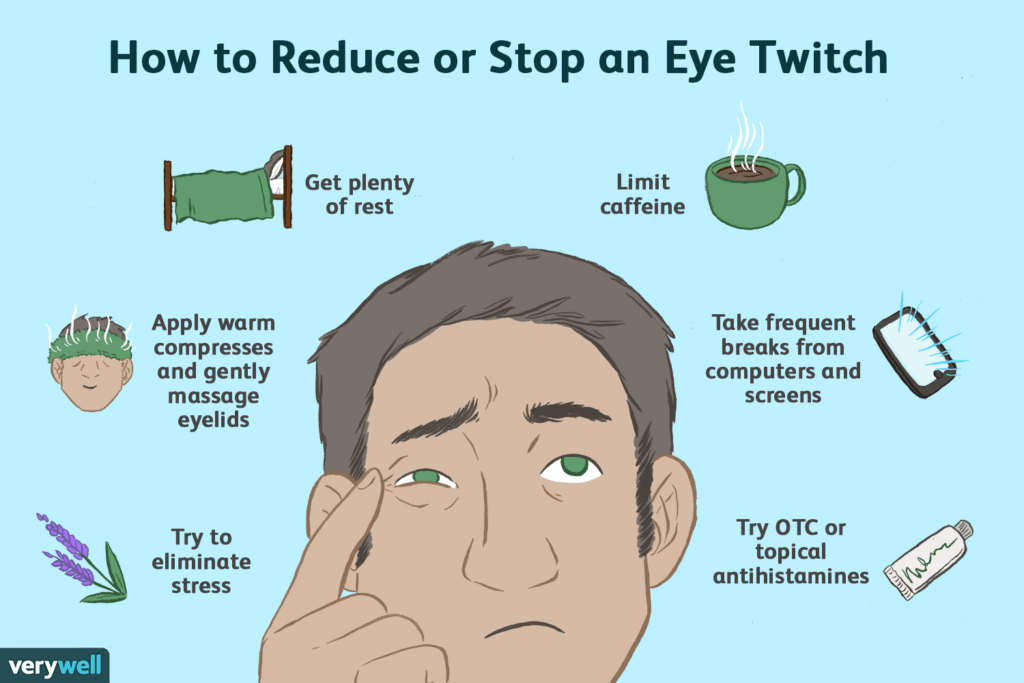
Causes of Eye Twitching
Stress
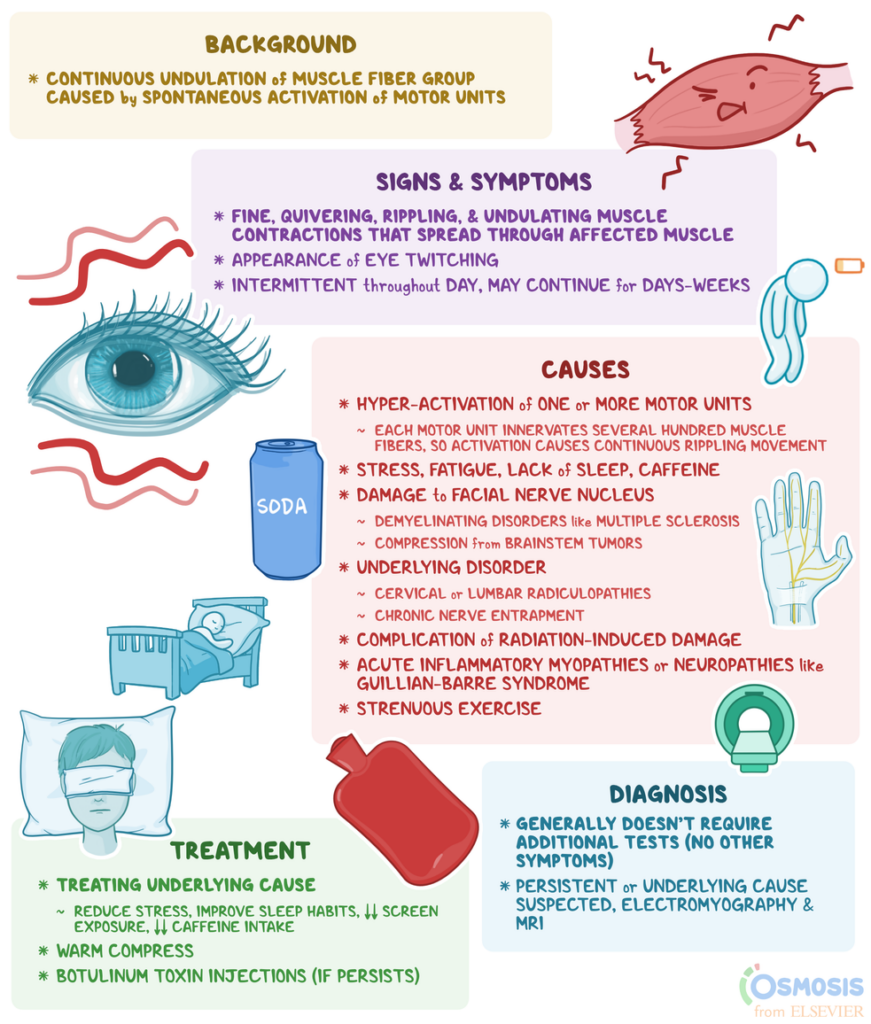
One of the most common causes of eye twitching is stress. When you’re under significant stress, your body releases stress hormones that can affect your muscles, including the ones around your eyes. This can lead to eye twitching as a result of muscle spasms.
Fatigue
Lack of sufficient rest and sleep can also cause eye twitching. When you don’t get enough sleep, your muscles, including the ones around your eyes, can become strained and fatigued. This muscle fatigue can trigger involuntary twitching.
Eye Strain
Spending long hours in front of digital screens or engaging in tasks that require intense focus can strain your eye muscles, leading to eye twitching. This excessive strain on the eyes can result in muscle spasms and twitching.
Dry Eyes
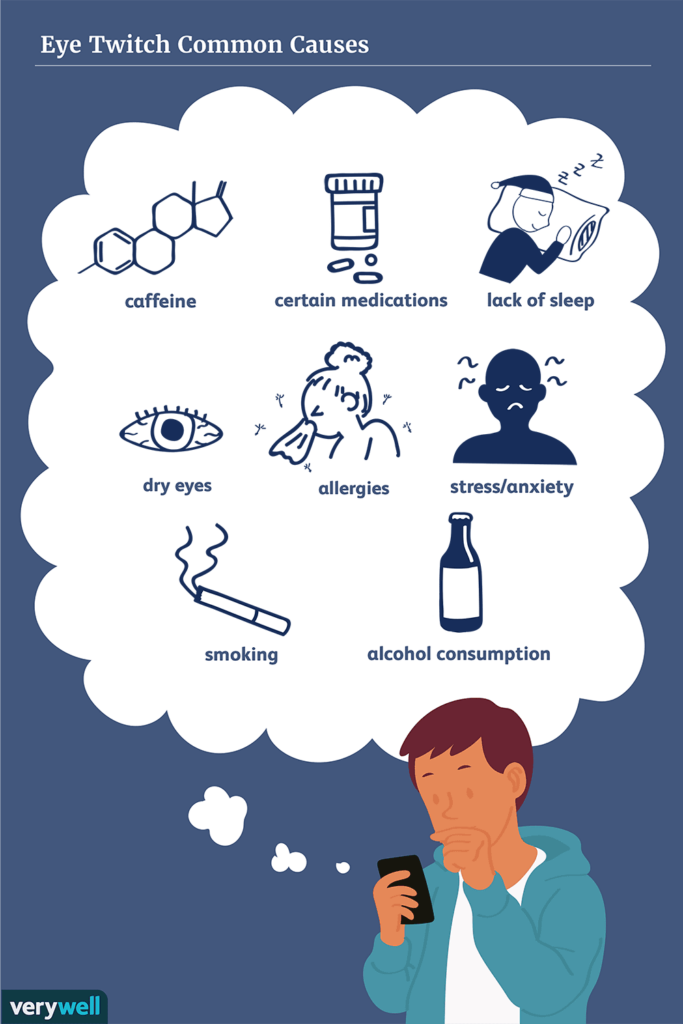
Inadequate tear production can cause dry eyes, which can contribute to eye twitching. When your eyes are dry, they become more prone to irritation and discomfort. This irritation can trigger muscle spasms and twitching.
Caffeine and Alcohol Consumption
Consuming excessive amounts of caffeine or alcohol can stimulate your central nervous system and affect your eye muscles. These substances can lead to muscle tension and eye twitching.
Nutritional Deficiencies
Certain vitamins and minerals play a crucial role in maintaining eye health. Nutritional deficiencies, particularly in vitamins B12 and D, magnesium, and calcium, can cause muscle imbalances and eye twitching.
Allergies
Allergies can cause eye irritation and inflammation, leading to eye twitching. The histamines released by your body in response to allergens can affect the delicate tissues around your eyes, causing muscle spasms.
Medications
Some medications have side effects that can impact muscle function, including the muscles around your eyes. Certain drugs used to treat mood disorders, epilepsy, and even allergies can contribute to eye twitching.
Tobacco Use
Smoking or using other tobacco products can also trigger eye twitching. The chemicals in tobacco smoke can irritate your eyes and affect the muscles, leading to involuntary muscle spasms.
Neurological Conditions
In some cases, eye twitching can be a symptom of underlying neurological conditions. Conditions like Bell’s palsy, Parkinson’s disease, and Tourette syndrome can cause involuntary muscle movements, including eye twitches.
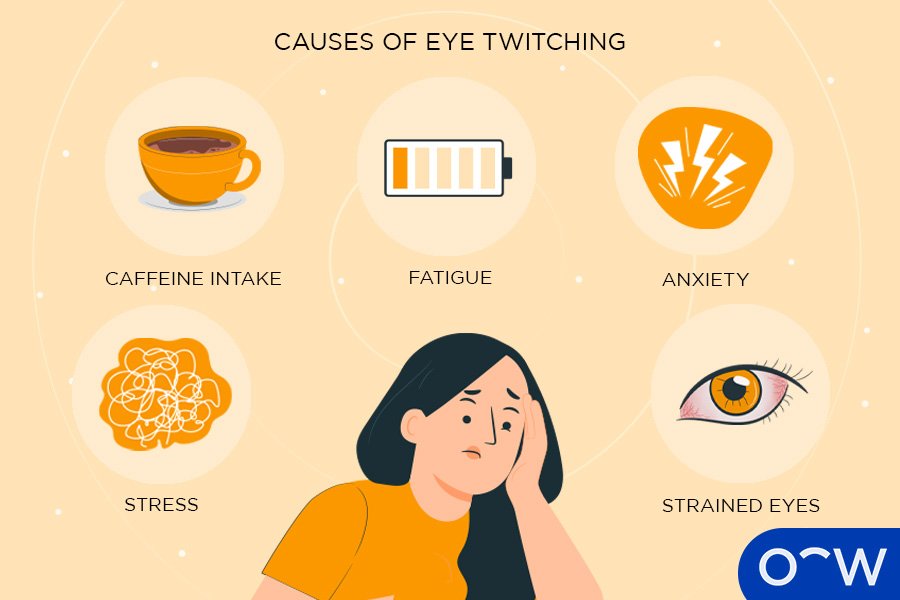
Treatment for Eye Twitching
Self-care Measures
There are several self-care measures you can take to alleviate eye twitching. Applying warm compresses to your eyelids can help relax the muscles and relieve twitching. Additionally, practicing relaxation techniques, such as deep breathing and meditation, can reduce stress and muscle tension.
Stress Management
Managing your stress levels is essential in preventing and reducing eye twitching. Engaging in stress-reducing activities, establishing healthy coping mechanisms, and seeking support from friends, family, or professionals can all contribute to stress management.
Getting Enough Sleep
Ensuring you get enough quality sleep is crucial in preventing eye twitching. Aim for 7-9 hours of sleep per night and establish a regular sleep routine. Creating a sleep-friendly environment and practicing relaxation techniques before bed can also help improve sleep quality.
Eye Exercises
Performing eye exercises can help strengthen your eye muscles and reduce strain. Blink exercises, focusing exercises, near and far exercises, eye massage, and rolling eye exercises are all effective techniques to relieve eye twitching and improve eye muscle function.
Use of Eye Drops
Using lubricating eye drops, also known as artificial tears, can help relieve dryness and soothe your eyes. These drops can provide temporary relief for eye twitching caused by dry eyes. In some cases, prescription eye drops may be necessary to treat specific underlying conditions.
Reducing Caffeine and Alcohol Intake
To minimize eye irritation and twitching, consider reducing your consumption of caffeine and alcohol. These substances can affect your eye muscles and exacerbate eye twitching. Instead, opt for healthier alternatives, such as herbal tea or decaffeinated beverages.
Balanced Diet and Nutritional Supplements
Maintaining a balanced diet rich in vitamins and minerals is crucial for overall eye health and reducing eye twitching. Consuming fruits and vegetables high in vitamins A, C, and E, as well as incorporating omega-3 fatty acids into your diet, can promote optimal eye function. In some cases, nutritional supplements like Lutein and Zeaxanthin may be recommended to support eye health.
Using Artificial Tears
In addition to eye drops, using artificial tears throughout the day can provide temporary relief for dry eyes, reducing eye twitching. Artificial tears help lubricate the eyes and alleviate symptoms associated with dryness and irritation.
Avoiding Triggers
Identifying and avoiding activities or substances that worsen eye twitching can be helpful. Common triggers include excessive screen time, allergies, and exposure to smoke or fumes. By minimizing your exposure to these triggers, you can reduce the frequency and severity of eye twitching.
Medical Treatments
In severe cases of eye twitching, medical treatments may be necessary. Botox injections can help relax the muscles and reduce twitching. Additionally, medications targeting underlying neurological conditions can be prescribed. In rare cases, surgery may be recommended to alleviate severe and persistent eye twitching.
Self-care Measures
Apply Warm Compresses
Applying warm compresses to your eyelids can help relax the eye muscles and relieve eye twitching. Fill a clean washcloth with warm water and gently place it over your closed eyes for a few minutes. Repeat this process as needed throughout the day to promote muscle relaxation.
Practice Relaxation Techniques
Engaging in relaxation techniques like deep breathing, progressive muscle relaxation, and yoga can help reduce stress and muscle tension. These techniques promote overall relaxation and can alleviate eye twitching caused by stress and fatigue.
Take Frequent Breaks from Digital Screens
Excessive exposure to digital screens can strain your eyes and contribute to eye twitching. Taking regular breaks from screens, such as the 20-20-20 rule (looking at something 20 feet away for 20 seconds every 20 minutes), can help reduce eye strain and prevent muscle spasms.
Massage the Affected Area
Gently massaging the area around your twitching eye can stimulate blood flow and promote muscle relaxation. Use your fingertips to apply light pressure in circular motions. Be careful not to apply excessive pressure, as this can cause further irritation.
Get Regular Exercise
Engaging in regular physical exercise can help reduce stress levels and improve overall muscle function, including the muscles around your eyes. Aim for at least 30 minutes of moderate-intensity exercise most days of the week.
Stay Hydrated
Proper hydration is essential for overall health, and it can also help alleviate eye twitching. Ensure you drink enough water throughout the day to keep your body adequately hydrated, as dehydration can contribute to muscle spasms.
Ensure Proper Lighting
Inadequate or harsh lighting can strain your eyes and worsen eye twitching. Optimize your workspace or living environment by ensuring sufficient and appropriate lighting conditions. Adjust the brightness and position of your computer screen or desk lamp to minimize eye strain.
Stress Management
Practice Stress-Reducing Activities
Engaging in stress-reducing activities can help alleviate eye twitching caused by stress. Activities such as yoga, meditation, deep breathing exercises, and mindfulness can calm your mind and relax your body, reducing muscle tension.
Engage in Relaxation Techniques
Incorporating relaxation techniques into your daily routine can significantly reduce stress levels and prevent eye twitching. Deep breathing exercises, progressive muscle relaxation, and guided imagery are all effective techniques to promote relaxation and alleviate stress.
Establish Healthy Coping Mechanisms
Developing healthy coping mechanisms can help you effectively manage stress and prevent eye twitching. Find activities that you enjoy and that help you relax, such as reading, listening to music, or spending time in nature. Engaging in hobbies and practicing self-care regularly can also contribute to stress reduction.
Seek Support from Friends, Family, or Professionals
Talking to friends, family members, or professionals about your stressors and concerns can help alleviate stress and prevent eye twitching. Building a support system and seeking guidance from therapists or counselors can provide you with coping strategies and emotional support during stressful times.
