
So, you’re battling those lingering marks left behind by acne, the ones that stubbornly refuse to disappear even after the blemishes themselves have gone. You’re looking for a clear roadmap, a step-by-step guide to reclaiming your smooth, even-toned complexion. Well, you’ve come to the right place. As your Listicle Content Architect, I’m here to break down exactly how you can effectively fade those stubborn acne dark spots. Consider this your ultimate guide, meticulously crafted to empower you with knowledge and actionable strategies. We’ll delve into the science, explore various treatments, and equip you with the wisdom to achieve the clear skin you deserve.
This isn’t about quick fixes or miracle cures. We’re talking about a consistent, informed approach that targets the root cause of post-inflammatory hyperpigmentation (PIH) – the technical term for those dark spots. Understanding PIH is the first crucial step, so let’s dive right in.
Before we get to the solutions, it’s vital to grasp what exactly is happening on your skin. Post-inflammatory hyperpigmentation isn’t a scar; it’s a discoloration that occurs after inflammation, in this case, from acne. When your skin experiences an inflammatory event, like a pimple, it goes into repair mode. During this repair process, your skin can produce an excess amount of melanin, the pigment that gives your skin its color. This extra melanin accumulates in the affected area, leading to those persistent dark spots.
The Melanin Production Process Explained
Think of melanin as your skin’s protective shield against UV radiation. When your skin is injured or inflamed, melanocytes (the cells that produce melanin) get a signal to ramp up production. This is a natural defense mechanism, but unfortunately, it can sometimes go into overdrive, leaving behind a visible reminder of the past breakout. The intensity of the inflammation, your skin tone, and even genetics can influence how dark and how long these spots last.
Differentiating PIH from True Acne Scars
It’s easy to get these two confused, but knowing the difference is key to choosing the right treatment. True acne scars, like pitted or raised scars, involve a change in the structure of your skin’s collagen. PIH, on the other hand, is a pigmentation issue. It’s a surface-level discoloration that, with the right approach, can be faded. This distinction is crucial because treatments for scars (like laser resurfacing or fillers) are often more invasive and unnecessary for PIH.
Factors Influencing PIH Severity and Duration
Several factors can contribute to how severe and long-lasting your PIH becomes.
Your Natural Skin Tone Matters
Individuals with darker skin tones are inherently more prone to developing PIH. This is because their melanocytes are naturally more active, and any inflammation can trigger a more robust melanin response. This doesn’t mean people with lighter skin tones won’t experience PIH, but it tends to be more prominent and persistent in those with deeper complexions.
The Severity and Type of Acne
The angrier and more inflamed your acne lesions were, the higher the likelihood of developing significant PIH. Deeper cystic acne, for instance, is more likely to leave behind stubborn dark spots than a superficial whitehead. Picking or squeezing pimples also exacerbates inflammation and trauma to the skin, making PIH more probable.
Sun Exposure: The PIH Enemy
This is a critical factor you can directly control. Sun exposure is the absolute worst enemy of fading dark spots. UV rays stimulate melanocytes, essentially telling them to produce more melanin. If you’re trying to fade PIH, exposing those areas to the sun is like trying to put out a fire with gasoline. It will darken the existing spots and potentially create new ones.
Essential Skincare Practices for Prevention and Fading
Now that you understand what PIH is, let’s talk about the foundation of fading those dark spots: a consistent and effective skincare routine. This is where the real work begins, but with the right dedication, you’ll see results.
The Non-Negotiable: Sunscreen, Sunscreen, Sunscreen
I cannot stress this enough. If you do one thing from this entire listicle, make it this. Applying broad-spectrum SPF 30 or higher every single day, rain or shine, is paramount. Even on cloudy days, UV rays penetrate. This protects your skin from further darkening of existing spots and prevents new ones from forming.
Choosing the Right Sunscreen
- Broad-Spectrum Protection: This means it protects against both UVA and UVB rays. UVA rays contribute to aging and darkening, while UVB rays cause sunburn.
- SPF 30 or Higher: For adequate protection, aim for an SPF of 30 or above.
- Chemical vs. Mineral Sunscreens: Mineral sunscreens containing zinc oxide and titanium dioxide are often gentler for sensitive or acne-prone skin. Chemical sunscreens absorb UV rays, while mineral sunscreens physically block them. Experiment to see what feels best for your skin.
- Non-Comedogenic Formulas: Look for sunscreens specifically labeled “non-comedogenic,” meaning they won’t clog your pores.
Reapplication is Key
Don’t just apply sunscreen in the morning and forget about it. Reapply every two hours, especially if you’re outdoors, sweating, or swimming. Keep a travel-sized sunscreen in your bag for easy touch-ups.
Gentle Cleansing for Calm Skin
The goal here is to clean your skin without stripping it of its natural oils or causing further irritation, which can worsen PIH.
Opt for Gentle Cleansers
Avoid harsh, foaming cleansers that can leave your skin feeling tight and dry. Instead, choose a mild, sulfate-free cleanser. Look for ingredients like glycerin or hyaluronic acid which help to retain moisture.
Avoid Over-Washing
Washing your face more than twice a day can disrupt your skin’s natural barrier and lead to dryness and irritation. Stick to a morning and evening cleanse.
Pat, Don’t Rub
After cleansing, gently pat your skin dry with a clean towel. Rubbing can cause micro-tears and increase inflammation.
The Power of Exfoliation (Done Right)
Exfoliation is crucial for fading PIH because it helps to shed the pigmented surface skin cells, revealing newer, brighter skin underneath. However, over-exfoliation can be detrimental.
Chemical Exfoliants: Your PIH Allies
Chemical exfoliants use acids to dissolve the bonds between dead skin cells. They are generally more effective than physical scrubs for PIH.
Alpha Hydroxy Acids (AHAs)
- Glycolic Acid: A small molecule that penetrates deeply to exfoliate and stimulate collagen production. It’s excellent for improving skin texture and tone.
- Lactic Acid: Gentler than glycolic acid, lactic acid also exfoliates and has hydrating properties. It’s a good option for those with slightly more sensitive skin.
Beta Hydroxy Acids (BHAs)
- Salicylic Acid: This oil-soluble acid is particularly effective for acne-prone skin because it can penetrate into pores to unclog them. It also has anti-inflammatory properties, which can help prevent new breakouts and thus new PIH.
How to Incorporate Chemical Exfoliants
- Start Slowly: Begin by using a chemical exfoliant 1-2 times per week. Gradually increase the frequency as your skin builds tolerance.
- Listen to Your Skin: If you experience redness, stinging, or excessive dryness, reduce the frequency or strength of the product.
- Combine with Hydration: Always follow exfoliation with a good moisturizer to keep your skin hydrated and supported.
- Patch Test: Before applying any new exfoliating product to your entire face, do a patch test on a small, inconspicuous area to check for adverse reactions.
Physical Exfoliation: Proceed with Caution
While scrubs can feel satisfying, they can be too abrasive for post-acne skin. If you opt for physical exfoliation, choose very fine-grained scrubs and use them with extreme gentleness, and sparingly. Avoid scrubs with large, irregular particles like crushed nuts.
Targeted Treatments for Fading Acne Dark Spots
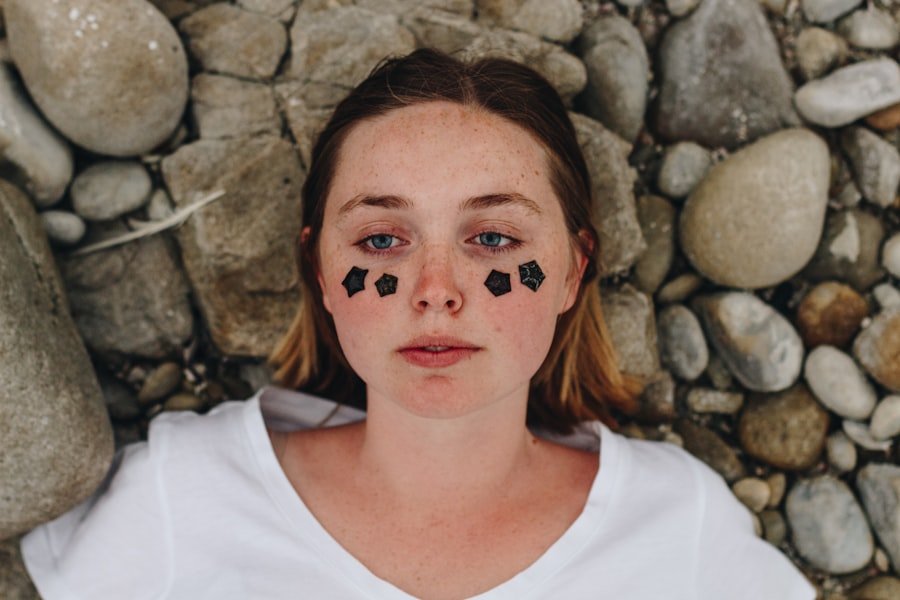
Beyond your daily routine, several targeted treatments can significantly accelerate the fading process for your PIH. These often involve ingredients specifically designed to address pigmentation.
Vitamin C: A Brightening Powerhouse
Vitamin C is a potent antioxidant that not only protects your skin from environmental damage but also inhibits melanin production. It’s your secret weapon for a brighter, more even complexion.
Why Vitamin C is Effective for PIH
- Melanin Inhibition: Vitamin C works by interfering with the enzyme tyrosinase, which is essential for melanin production.
- Antioxidant Protection: It neutralizes free radicals, which can cause further inflammation and exacerbate PIH.
- Collagen Synthesis: Vitamin C is also vital for collagen production, which helps to improve skin’s overall texture and resilience.
Choosing the Right Vitamin C Product
- Ascorbic Acid: This is the most potent and research-backed form of Vitamin C. Look for products that list L-Ascorbic Acid as a primary ingredient.
- Concentration: Concentrations of 10-20% are generally effective. Higher concentrations don’t always mean better results and can sometimes lead to irritation.
- Stabilized Formulas: Vitamin C can be unstable and degrade when exposed to air and light. Look for products in opaque, airless packaging to maintain potency.
- pH Level: Vitamin C works best at a lower pH (acidic). A pH between 2.0 and 3.5 is ideal for absorption.
How to Incorporate Vitamin C
- Morning Application: Vitamin C is best applied in the morning. Its antioxidant properties provide protection throughout the day, and it can enhance the effectiveness of your sunscreen.
- Follow with SPF: Always apply sunscreen after your Vitamin C serum.
- Introduce Gradually: If you’re new to Vitamin C, start with a lower concentration and use it every other day to see how your skin reacts.
Retinoids: The Gold Standard for Skin Renewal
Retinoids, derived from Vitamin A, are incredibly versatile ingredients that work on multiple levels to improve skin health, including dramatically fading PIH.
How Retinoids Tackle PIH
- Increased Cell Turnover: Retinoids accelerate the rate at which your skin cells regenerate. This means older, pigmented cells are shed faster, and new, unpigmented cells are brought to the surface.
- Inhibition of Melanin Transfer: They can help prevent the transfer of melanin from melanocytes to keratinocytes (skin cells), reducing the appearance of dark spots.
- Collagen Stimulation: Like Vitamin C, retinoids also boost collagen production, which improves overall skin texture and can help with the appearance of very mild textural irregularities that sometimes accompany PIH.
Types of Retinoids to Consider
- Retinol: Available over-the-counter, retinol is a highly effective form of Vitamin A. It’s a good starting point for PIH.
- Retinaldehyde (Retinal): This is a more potent form of retinol that converts to retinoic acid more directly in the skin, leading to faster results with potentially less irritation.
- Prescription Retinoids (Tretinoin, Adapalene): These are the most potent forms and are available only by prescription from a dermatologist. They offer the fastest and most significant results but also come with a higher risk of irritation. Adapalene, in particular, is often used for acne and its associated PIH.
Navigating Retinoid Use
- Start Low and Slow: Begin with a low concentration of retinol or retinaldehyde 2-3 times per week. Gradually increase frequency and then strength as your skin tolerates it.
- Evening Application: Use retinoids at night because they can make your skin more sensitive to the sun.
- Buffer with Moisturizer: Apply moisturizer before or after your retinoid to minimize potential irritation.
- Be Patient: Retinoids take time to work. You might not see significant fading for several weeks, or even months. Consistency is key.
- Expect Purging: Initial use of retinoids can sometimes cause a temporary increase in breakouts, known as “purging.” This is normal and usually subsides within a few weeks as the skin adjusts.
Niacinamide: The Multi-Tasking Skin Soother
Niacinamide, a form of Vitamin B3, is a true skincare hero. It offers a multitude of benefits, making it an excellent choice for fading PIH without causing irritation.
Niacinamide’s Role in Fading PIH
- Inhibits Melanin Transfer: Similar to retinoids, niacinamide can prevent the transfer of pigment from melanocytes to skin cells.
- Anti-Inflammatory Properties: It helps to calm redness and inflammation, which can be a precursor to PIH.
- Strengthens Skin Barrier: A healthy skin barrier is crucial for overall skin health and resilience, which indirectly aids in the fading process.
- Reduces Redness: It can also help to fade post-inflammatory erythema (redness), which often accompanies PIH.
Where to Find Niacinamide
Niacinamide is widely available in serums, moisturizers, and toners. Look for concentrations between 5% and 10% for optimal results.
Incorporating Niacinamide into Your Routine
Niacinamide is generally well-tolerated and can be used morning and night. It layers well with other active ingredients, making it a fantastic addition to almost any routine.
Advanced Treatments for Stubborn Dark Spots
If you’ve been diligently following a good skincare routine with the ingredients mentioned above and are still struggling with particularly stubborn or widespread PIH, you might consider more advanced treatment options.
Chemical Peels: Professional Exfoliation
Chemical peels involve the application of a chemical solution to the skin, which causes it to exfoliate and peel off. This process reveals newer, healthier skin underneath.
How Chemical Peels Help PIH
- Deeper Exfoliation: Chemical peels can penetrate deeper into the skin than over-the-counter exfoliants, effectively removing pigmented cells.
- Stimulates Cell Regeneration: The controlled injury from the peel triggers the skin’s natural healing response, leading to increased cell turnover and new skin growth.
Types of Chemical Peels for PIH
- Superficial Peels: These use milder acids like glycolic acid, lactic acid, or salicylic acid and target the outermost layer of the skin. They require minimal downtime and are great for mild to moderate PIH.
- Medium Peels: These utilize stronger acids, such as trichloroacetic acid (TCA), and penetrate deeper into the epidermis. They are more effective for stubborn PIH but require more downtime for recovery.
- Deep Peels: These are the most aggressive and are typically reserved for significant scarring and pigmentation issues. They have the longest downtime and highest risk of side effects.
Considerations for Chemical Peels
- Professional Application is Crucial: Always have chemical peels performed by a qualified dermatologist or licensed aesthetician. Incorrect application can lead to scarring and further pigmentation.
- Downtime and Aftercare: Be prepared for downtime, especially with medium or deep peels. Follow your practitioner’s aftercare instructions meticulously.
- Sun Protection is Paramount: Your skin will be extremely sensitive to the sun after a peel, so rigorous sun protection is vital.
Laser and Light Therapies: Targeted Pigment Reduction
Laser and certain light-based therapies are highly effective at targeting and breaking down excess melanin in the skin.
How Lasers Work for PIH
Lasers deliver specific wavelengths of light that are absorbed by the pigment (melanin) in your dark spots. This absorption causes the pigment to heat up and break into smaller particles, which your body then naturally clears away.
Types of Lasers and Light Therapies for PIH
- IPL (Intense Pulsed Light): IPL devices emit broad-spectrum light that can target a range of pigment issues, including PIH. It’s a good option for diffuse discoloration.
- Q-Switched Lasers (e.g., Nd:YAG): These lasers deliver very short pulses of high-intensity light, which are highly effective at breaking down pigment without damaging the surrounding skin.
- Fractional Lasers: These lasers create microscopic treatment zones, leaving surrounding tissue intact. This promotes faster healing and can be effective for PIH, especially when combined with some textural improvement.
What to Expect with Laser Treatments
- Multiple Sessions: You will likely need multiple treatment sessions to achieve optimal results, spaced several weeks apart.
- Minimal Downtime: Most laser treatments for PIH have minimal to no downtime, though you might experience some redness or mild swelling immediately after.
- Cost: Laser treatments can be an investment, as they are typically more expensive than topical treatments.
- Consultation is Key: A consultation with a dermatologist is essential to determine the most suitable laser or light therapy for your specific skin type and concerns.
Lifestyle Factors That Support Clearer Skin
| Method | Effectiveness | Cost |
|---|---|---|
| Topical creams with hydroquinone | High | Medium |
| Chemical peels | High | High |
| Laser therapy | High | High |
| Microdermabrasion | Medium | Medium |
Beyond topical solutions and professional treatments, certain lifestyle choices can significantly impact your skin’s ability to heal and prevent future dark spots.
Hydration: The Foundation of Healthy Skin
Proper hydration is fundamental for maintaining a healthy skin barrier, which is crucial for effective healing and preventing inflammation.
Internal Hydration
- Drink Plenty of Water: Aim for at least 8 glasses of water a day. Your skin needs internal hydration to function optimally.
- Limit Dehydrating Beverages: Reduce your intake of alcohol and excessive caffeine, which can contribute to dehydration.
External Hydration
- Moisturize Regularly: Even if you have oily skin, moisturizing is essential. Look for lightweight, non-comedogenic moisturizers that contain ingredients like hyaluronic acid or ceramides.
- Humidifier Use: In dry climates, using a humidifier in your bedroom can help keep your skin hydrated overnight.
Diet and Nutrition: Fuelling Your Skin
What you eat directly affects your skin’s health and its ability to repair itself.
Anti-Inflammatory Foods
- Fruits and Vegetables: Rich in antioxidants, vitamins, and minerals that fight inflammation and promote healing.
- Omega-3 Fatty Acids: Found in fatty fish (salmon, mackerel), flaxseeds, and walnuts, these can help reduce inflammation.
- Probiotics: Found in yogurt and fermented foods, these can support gut health, which is linked to skin health.
Foods to Limit
- High Glycemic Index Foods: Sugary snacks, refined carbohydrates can spike blood sugar and potentially worsen inflammation.
- Dairy (for some): Some individuals find that dairy products can trigger breakouts and inflammation.
Stress Management: The Often-Overlooked Factor
Chronic stress can wreak havoc on your body, including your skin. Cortisol, the stress hormone, can worsen inflammation and impede healing.
Stress-Reducing Techniques
- Mindfulness and Meditation: Even a few minutes a day can make a difference.
- Exercise: Regular physical activity is a fantastic stress reliever.
- Adequate Sleep: Aim for 7-9 hours of quality sleep per night.
- Hobbies and Relaxation: Make time for activities you enjoy and find relaxing.
Tips for Maintaining a Clear, Even Tone Long-Term
Achieving faded PIH is a journey, and maintaining that clear complexion is an ongoing commitment. Here are some tips to help you keep those dark spots at bay and enjoy your radiant skin for good.
Consistency is King
The most crucial element for fading PIH is consistency with your skincare routine. Don’t expect overnight results. Stick with your chosen treatments and products for at least 3-6 months to see significant improvement. Skipping days or switching products too frequently will hinder your progress.
Patience and Realistic Expectations
Understand that fading PIH takes time. Each person’s skin is unique, and the speed at which your spots fade will depend on factors like your skin tone, the severity of the PIH, and your adherence to the treatment plan. Celebrate small victories along the way and avoid getting discouraged.
Listen to Your Skin
Your skin will communicate its needs to you. If you experience persistent redness, irritation, or dryness, it might be a sign that you’re overdoing it. Scale back on active ingredients, focus on hydration, and give your skin a chance to recover.
Regular Professional Check-ups
Even after you achieve your desired results, it’s a good idea to continue with regular check-ups with your dermatologist. They can monitor your skin, adjust your routine as needed, and address any new concerns that arise.
Continue with Sun Protection
This cannot be emphasized enough. Even once your PIH has faded, consistently applying sunscreen is absolutely vital to prevent recurrence and protect your skin from future damage.
By understanding the science behind post-inflammatory hyperpigmentation, adopting a consistent and targeted skincare routine, and embracing healthy lifestyle habits, you are well on your way to achieving a smoother, more even-toned complexion. Remember, your skin is a remarkable organ that heals and regenerates. With the right approach and a blend of patience and persistence, you can effectively fade those acne dark spots and reveal your most radiant skin.
FAQs
What are acne dark spots?
Acne dark spots, also known as post-inflammatory hyperpigmentation, are areas of discoloration that remain on the skin after an acne breakout has healed. They are caused by an overproduction of melanin in the skin in response to inflammation.
How can I fade acne dark spots?
There are several methods to fade acne dark spots, including using topical treatments such as retinoids, hydroquinone, and vitamin C serums. Chemical peels, microdermabrasion, and laser treatments are also effective in reducing the appearance of dark spots.
Are there any natural remedies for fading acne dark spots?
Natural remedies such as aloe vera, rosehip oil, and licorice extract have been shown to help fade acne dark spots. These ingredients have anti-inflammatory and skin-lightening properties that can help reduce the appearance of dark spots over time.
How long does it take to fade acne dark spots?
The time it takes to fade acne dark spots varies depending on the individual and the severity of the dark spots. With consistent use of treatments, it can take several weeks to several months to see significant improvement in the appearance of dark spots.
How can I prevent acne dark spots from forming?
To prevent acne dark spots from forming, it’s important to treat acne breakouts promptly and avoid picking or squeezing pimples, as this can lead to further inflammation and potential scarring. Using sunscreen daily can also help prevent dark spots from worsening due to sun exposure.