
Do you ever find yourself experiencing eye fatigue after hours of staring at screens or doing close-up work? If so, you’re not alone. In today’s digital age, many of us spend a significant amount of time on electronic devices, which can put a strain on our eyes. The good news is, there are simple and effective ways to reduce eye fatigue and keep our eyes feeling fresh and rejuvenated. In this article, we’ll explore some helpful tips and techniques to help you combat eye fatigue and maintain optimal eye health. So sit back, relax, and let’s discover how to give your eyes the TLC they deserve!

Understanding Eye Fatigue
Eye fatigue, also known as eye strain or asthenopia, is a common condition that occurs when your eyes become tired from intense use and extended periods of focusing on a particular task, such as reading, using a computer, or driving for long hours. It is not considered a serious condition, but it can be bothersome and affect your productivity and overall well-being.
Causes of Eye Fatigue
There are several factors that can contribute to eye fatigue. One of the main causes is prolonged use of digital devices, such as computers, smartphones, and tablets. The bright screens, small fonts, and prolonged exposure to blue light emitted by these devices can strain your eyes and lead to fatigue.
Other factors that can contribute to eye fatigue include poor lighting conditions, such as glare or dim lighting, which forces your eyes to work harder to see clearly. Inadequate rest and sleep, dry eyes, allergies, and underlying vision problems, such as nearsightedness or astigmatism, can also contribute to eye fatigue.

Symptoms of Eye Fatigue
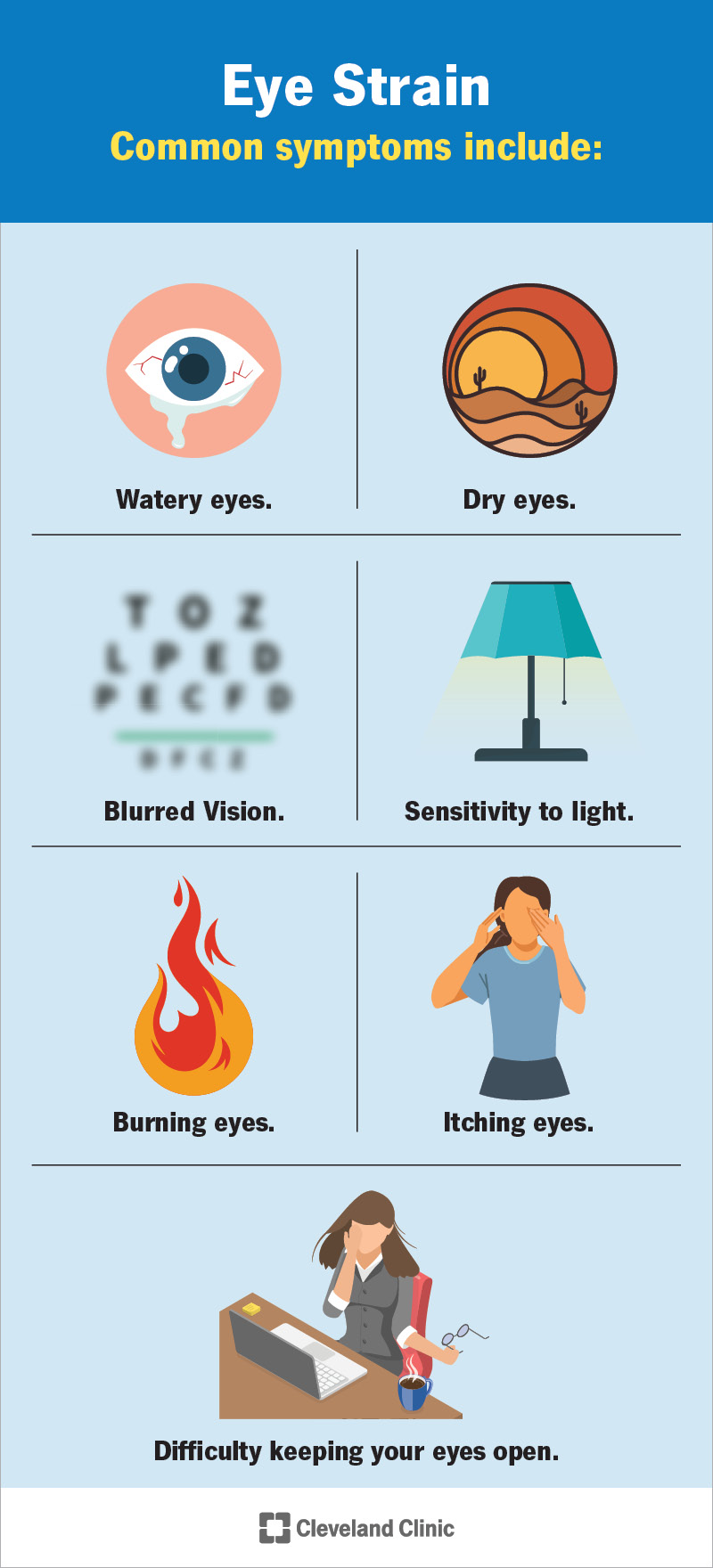
The symptoms of eye fatigue may vary from person to person, but common signs include:
- General discomfort in the eyes
- Eye redness or dryness
- Blurred or double vision
- Headaches
- Increased sensitivity to light
- Difficulty concentrating
- Neck and shoulder pain
If you frequently experience these symptoms, it is important to take steps to manage and prevent eye fatigue to maintain good eye health.
Importance of Eye Care
Maintaining good eye health is crucial for your overall well-being. Your eyes are responsible for providing you with clear and accurate vision, enabling you to carry out everyday tasks effectively. Taking care of your eyes not only helps to prevent eye fatigue, but it also reduces the risk of developing long-term eye problems, such as cataracts, macular degeneration, and glaucoma.
Eye Health and Well-being
Your eyes are constantly at work, whether you realize it or not. For this reason, it is important to prioritize your eye health and incorporate good eye care habits into your daily routine. By doing so, you can prevent discomfort, reduce the risk of developing eye-related conditions, and ensure that your eyes remain healthy and functional.
Impact of Eye Fatigue on Daily Life
Eye fatigue can have a significant impact on your daily life. When your eyes are tired and strained, it becomes challenging to perform tasks efficiently and comfortably. Whether you are working, studying, or engaging in recreational activities, experiencing eye fatigue can hinder your productivity and enjoyment.
Additionally, eye fatigue can affect your mood and overall well-being. The discomfort and frustration associated with eye strain can lead to irritability, decreased focus, and even stress. By taking steps to prevent and manage eye fatigue, you can minimize these negative effects and improve your overall quality of life.

Creating an Eye-Friendly Environment
Creating an eye-friendly environment is key to reducing eye fatigue. By making simple adjustments to your surroundings, you can create a comfortable and visually supportive space for your eyes. Consider the following factors when creating an eye-friendly environment:
Proper Lighting
Ensure that your workspace is well-lit with adequate, natural light or artificial light. Avoid harsh lighting that causes glare or shadows on your work area. If needed, use task lighting to provide focused illumination for specific activities.
Optimal Screen Positioning
Position your computer screen or digital device at eye level and at a distance that allows you to maintain good posture and a comfortable viewing angle. It is important to avoid tilting your head up or down, as this can strain your neck, shoulders, and eyes.
Avoiding Glare and Reflections
Minimize glare and reflections on your screens by adjusting the angle of your device, using an anti-glare screen protector, or adjusting the lighting in your environment. This will reduce eye strain and make it easier to see clearly.
Taking Breaks and Practicing Eye Exercises
In addition to creating an eye-friendly environment, it is important to take breaks and incorporate eye exercises into your routine to relieve eye fatigue. Consider the following strategies:
20-20-20 Rule
Implement the 20-20-20 rule, which involves taking a break every 20 minutes to look at something 20 feet away for 20 seconds. This helps to reduce eye strain caused by prolonged focusing on a near object.
Eye Yoga and Strengthening Exercises
Engage in eye yoga exercises and eye-strengthening techniques to improve blood circulation and relieve eye strain. These exercises involve moving your eyes in various directions, focusing on near and far objects, and simple eye massages.
Blinking Techniques
Remember to blink frequently while using digital devices to keep your eyes lubricated and prevent dryness. Blinking helps to spread tears across the surface of the eyes, reducing the risk of irritation and dry eye symptoms.

Adjusting Screen Settings
Making appropriate adjustments to your screen settings can greatly reduce eye fatigue. Consider the following factors:
Brightness and Contrast
Adjust the brightness and contrast levels of your screen to a comfortable setting. Avoid screens that are too bright or too dim, as they can strain your eyes.
Color Temperature
Opt for a warmer color temperature setting on your screens, preferably a slightly yellow tint. Cool blue light can disrupt your sleep patterns and cause eye fatigue, while warmer colors are easier on the eyes.
Font Settings
Choose fonts that are easy to read and not too small. Adjust the font size, style, and spacing to ensure optimal comfort for your eyes when reading or working on your device.
Ergonomic Considerations
Ergonomics plays a crucial role in preventing eye fatigue and maintaining good eye health. Consider the following ergonomic considerations:
Proper Chair and Desk Setup
Ensure that your chair and desk are correctly aligned, providing adequate support for your back, neck, and arms. A comfortable and ergonomic seating arrangement helps to maintain proper posture, reducing strain on your eyes and other parts of your body.
Maintaining an Appropriate Distance
Maintain an appropriate distance between your eyes and your computer screen or other digital devices. Position yourself at an arm’s length away from your screen to avoid excessive eye strain.
Using Corrective Eyewear
If you have an underlying vision problem, such as nearsightedness or astigmatism, wearing appropriate corrective eyewear, such as glasses or contact lenses, can significantly reduce eye fatigue. Ensure that your prescription is up to date and that your corrective eyewear is comfortable to wear for extended periods.
Hydration and Nutrition
Proper hydration and nutrition are essential for maintaining good eye health and preventing eye fatigue. Consider the following factors:
Importance of Hydration
Drink an adequate amount of water throughout the day to keep your body and eyes hydrated. Dehydration can contribute to dry eyes and eye fatigue, so it is important to maintain optimal hydration levels.
Eye-Friendly Foods and Nutrients
Incorporate eye-friendly foods into your diet, such as leafy green vegetables, citrus fruits, fish rich in omega-3 fatty acids, and nuts. These foods contain essential nutrients, such as vitamins A, C, E, and omega-3 fatty acids, which promote good eye health and reduce the risk of eye fatigue.
Supplements for Eye Health
If needed, consider taking supplements that support eye health, such as omega-3 fatty acids, vitamin C, vitamin E, and lutein. It is important to consult with a healthcare professional before starting any new supplement regimen.
Effect of Sleep and Rest
Adequate sleep and rest are vital for maintaining optimal eye health and preventing eye fatigue. Consider the following factors:
Adequate Sleep Quality and Duration
Ensure that you are getting enough sleep each night, typically 7 to 8 hours for adults. Quality sleep allows your eyes to rest and rejuvenate, reducing the risk of eye fatigue and promoting overall well-being.
Importance of Eye Rest
In addition to sleep, it is important to give your eyes regular periods of rest throughout the day. Take short breaks from screen time, close your eyes, and allow them to relax for a few minutes. This can greatly reduce eye strain and improve visual comfort.
Creating a Relaxing Bedtime Routine
Establish a relaxing bedtime routine that promotes good sleep hygiene. Avoid excessive screen time before bed, create a calm and comfortable sleep environment, and engage in activities that help you unwind and relax, such as reading a book or practicing deep breathing exercises.
Reducing Eye Strain During Work
Whether you work in an office or from home, there are several strategies you can implement to reduce eye strain during work. Consider the following factors:
Proper Office Setup
Ensure that your work area is properly set up with ergonomic furniture, good lighting, and proper screen positioning. This will help to minimize eye strain and discomfort during long work hours.
Eye-Friendly Work Habits
Practice good work habits, such as taking regular breaks, adjusting your body posture frequently, and avoiding excessive screen time. Be mindful of your eye health and make conscious efforts to create a comfortable and eye-friendly work environment.
Effective Time Management
Proper time management is key to preventing eye strain during work. Break your tasks into manageable chunks and allocate specific time periods for each task. This helps to prevent prolonged periods of intense focus and reduce eye fatigue.
Seeking Professional Assistance
While self-care strategies can help reduce eye fatigue, it is important to seek professional assistance when needed. Consider the following factors:
Regular Eye Examinations
Schedule regular eye examinations with an optometrist to maintain optimal eye health. These examinations can detect underlying vision problems or eye conditions that may contribute to eye fatigue.
Consulting an Optometrist
If you are experiencing persistent or severe eye fatigue, it is important to consult with an optometrist. They can assess your eye health, recommend specific treatments or interventions, and provide personalized advice for managing eye fatigue.
Treating Underlying Vision Problems
If your eye fatigue is caused by an underlying vision problem, such as nearsightedness or astigmatism, your optometrist can prescribe corrective eyewear or other treatments to alleviate eye strain symptoms.
In conclusion, understanding eye fatigue and the importance of eye care is crucial to maintaining good eye health and overall well-being. By creating an eye-friendly environment, taking breaks, practicing eye exercises, adjusting screen settings, considering ergonomic factors, prioritizing hydration and nutrition, ensuring adequate sleep and rest, reducing eye strain during work, and seeking professional assistance when needed, you can effectively prevent and manage eye fatigue. Implementing these strategies will not only improve your eye health, but also enhance your productivity, comfort, and enjoyment in daily life.