
You’re faced with a common, yet often confusing, dilemma when it comes to acne scarring: differentiating between ice pick scars and boxcar scars. As the Listicle Content Architect, I’m here to guide you through this labyrinth of dermal damage, equipping you with the knowledge to understand, identify, and ultimately, address these distinct types of post-acne indentations. Get ready to become a master of scar recognition!
Before we dive into the nitty-gritty of distinctions, let’s establish a foundational understanding of what acne scars are and why some leaves such lasting impressions. Your skin’s natural healing process, while remarkable, isn’t always perfect. When acne, especially inflammatory acne, penetrates deep into the dermis, it can trigger a response that leads to either too little or too much collagen production as it repairs itself. This imbalance is what creates the visible texture and indentation that we call acne scars. You’ll find that the type of scar that forms is largely dependent on the severity of the initial inflammation and how your individual skin heals.
What Causes Acne Scars?
It’s crucial to understand that not all acne leads to scarring. Typically, superficial blemishes like whiteheads and blackheads are unlikely to leave significant marks. The real culprits are the deeper, more inflamed lesions – papules, pustules, nodules, and cysts. When these deep lesions occur, they can damage the underlying tissue, including the collagen and elastin fibers that give your skin its structural integrity.
- Inflammation’s Role: The inflammatory process itself can damage the skin. The body’s immune response, while necessary, can sometimes be overzealous, leading to the destruction of delicate tissues.
- Picking and Squeezing: You know that irresistible urge to pick at a zit? Resist it! This habit significantly increases the risk of pushing the bacteria and inflammation deeper into the dermis, exacerbating damage and increasing the likelihood of scarring.
- Genetics and Skin Type: Your genetic predisposition plays a role too. Some individuals are simply more prone to developing keloid or hypertrophic scars, while others are more susceptible to atrophic (indented) scars. Your skin tone can also influence how scars present and heal.
The Two Main Categories: Atrophic vs. Hypertrophic Scars
While we’re focusing on ice pick and boxcar scars, it’s helpful to know they fall under the umbrella of atrophic scarring. This means they are characterized by a loss of tissue, resulting in indentations. The other major category is hypertrophic scarring, where there is an overproduction of collagen, leading to raised scars. Acne itself can sometimes lead to hypertrophic scars, but for our purposes, we’re concerned with the sunken varieties.
- Atrophic Scars: These are the most common type of acne scars. They appear as depressions or pits in the skin. You can think of them as areas where not enough collagen was produced during the healing process. Ice pick and boxcar scars are both subtypes of atrophic scars.
- Hypertrophic Scars: These are raised, thickened scars caused by an overproduction of collagen during the healing process. They are less common with acne than atrophic scars and are more frequently seen after burns or injuries.
2. Decoding Ice Pick Scars: The Needle-Like Pits
Imagine your skin has been subjected to a barrage of tiny, sharp projectiles. That’s essentially what ice pick scars look like. These are some of the most challenging acne scars to treat because of their depth and narrow opening. You’ll notice them as small, deep punctures that can extend far into the dermis. Their defining characteristic is their appearance: small, narrow, and seemingly etched into the skin.
Visualizing the “Ice Pick” Effect
The term “ice pick” is quite literal. These scars resemble the mark left by an ice pick – a small, sharp object puncturing a surface. They are typically less than 2 millimeters in diameter, but their depth can be significant, giving them a V-shape or a funnel-like appearance when viewed under magnification.
- Depth and Width: The key differentiator here is the disproportionate depth compared to their width. They are narrow at the surface but plunge deep into the skin, making them look like tiny, perfect holes.
- Collagen Loss: The formation of ice pick scars is attributed to a localized loss of collagen and other connective tissues. This often happens when a deep, inflamed cyst or nodule breaks down, and the surrounding tissue collapses inward as it heals.
- Appearance on Different Skin Tones: While noticeable on all skin tones, they can sometimes appear darker or more pronounced against lighter skin due to the shadow cast by the indentation. On darker skin tones, they can sometimes lead to post-inflammatory hyperpigmentation surrounding the scar, making them appear even more prominent.
Why Are They So Difficult to Treat?
Their deep, narrow nature makes them a formidable opponent for many common dermatological treatments. Topical creams and superficial peels often struggle to reach the depth of the scar, and even some in-office procedures may require multiple sessions and a combination of approaches to achieve significant improvement.
- Reaching the Base: The primary challenge is effectively stimulating collagen production at the very bottom of these deep channels. Many treatments focus on resurfacing the top layers of the skin, which isn’t sufficient for these elongated scars.
- Risk of Worsening: Aggressive treatment without proper technique can sometimes widen the opening of the ice pick scar, making it appear even less desirable. This is where an experienced hand is essential.
- Patience and Persistence: Because of their stubborn nature, treating ice pick scars often requires a significant amount of patience and a consistent treatment plan. You may not see dramatic results overnight.
3. Dissecting Boxcar Scars: The Defined, “Box-Like” Depressions
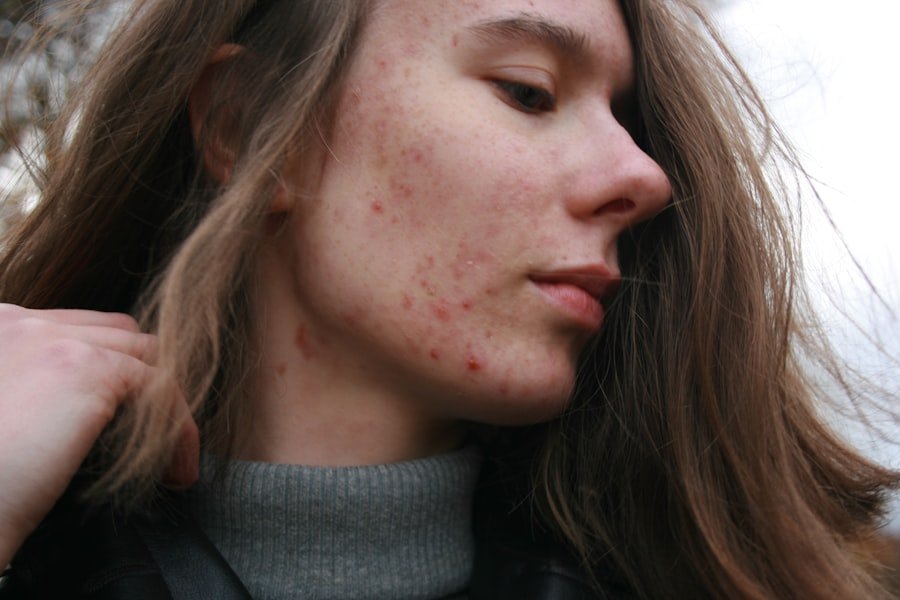
Now, let’s shift our focus to boxcar scars. Unlike the sharp V-shape of ice pick scars, boxcar scars are characterized by their more rounded, U-shaped walls and well-defined edges. They appear as if a small cookie cutter has been pressed into your skin, leaving behind a relatively shallow yet broad indentation. You can think of them as broader, shallower cousins to ice pick scars.
The “Box” Metaphor Explained
The name “boxcar” comes from their resemblance to the shape of an old-fashioned horse-drawn boxcar. They are essentially depressions with steep, vertical sides and a relatively flat or slightly concave base. The edges are more defined than the gradual sloping edges you might see in some other scar types.
- Shape and Size: Boxcar scars are generally wider than ice pick scars, ranging from 1 to 4 millimeters in diameter. Their defining feature is their sharp, distinct edges and relatively uniform depth across their width, creating a “punched-out” appearance.
- Collagen Depletion: Similar to ice pick scars, the formation of boxcar scars is due to a loss of tissue and collagen. However, the underlying mechanism here involves a broader destruction of the dermal tissue, leading to a wider collapse. This can happen when a large pustule or nodule heals, and the surrounding collagen framework is compromised.
- Distinguishing from Rolling Scars: It’s important not to confuse boxcar scars with rolling scars. While both are atrophic, rolling scars have gently sloped edges, giving the skin an uneven or wavy texture. Boxcar scars, on the other hand, have clear-cut, steeper walls.
Why They Are More Responsive (Generally)
The good news is that boxcar scars are often more responsive to treatment than ice pick scars. Their wider opening and less extreme depth make them more amenable to a variety of resurfacing and collagen-stimulating procedures.
- Accessibility for Treatments: The broader surface area and less severe depth allow treatments like laser resurfacing, microneedling, and chemical peels to reach and effectively stimulate collagen production more readily than with the narrow channels of ice pick scars.
- Surface Resurfacing Effectiveness: Many treatments that focus on improving the texture and appearance of the skin’s surface can significantly soften the appearance of boxcar scars by flattening the edges and filling in the depression with new collagen.
- Combination Therapy Potential: While individual treatments can be effective, boxcar scars often benefit greatly from a combination of therapies that target different aspects of the scar, such as resurfacing the edges and stimulating deeper collagen.
4. Key Differentiating Features: The Visual Showdown
Now that you’re familiar with the individual characteristics, let’s put ice pick and boxcar scars side-by-side. Understanding these key differences will be your superpower in identifying what you’re dealing with and communicating effectively with your dermatologist. This is where you’ll truly hone your scar-spotting skills.
The “V” vs. “U” Shape Analogy
This is perhaps the most straightforward visual cue. Remember the ice pick, sharp and deep, creating a V-shape. Then recall the boxcar, with its more rounded, less aggressive walls, forming a U-shape. This analogy is your mental shortcut to distinguishing between the two.
- Ice Pick Scar: Imagine a very thin, sharp needle piercing your skin. The resulting pit is narrow at the top and tapers to a deep point, creating a sharp, V-like profile.
- Boxcar Scar: Picture a round or square punch creating a wider, shallower indentation with steeper, more defined walls. This forms a more rounded, U-shaped profile.
Width vs. Depth: A Critical Balance
The ratio of width to depth is a crucial differentiator. Ice pick scars are defined by their extreme depth relative to their narrow width, while boxcar scars exhibit a broader depression with less extreme depth.
- Ice Pick Scar: Characterized by a very deep tract with a small superficial opening. The depth significantly outweighs the width.
- Boxcar Scar: Features a wider opening and a more consistent depth across its width. The depth is less extreme relative to its broader opening.
Border Definition: Sharp Lines vs. Gradual Transitions
The edges of the scars also provide clues. Boxcar scars tend to have sharper, more defined borders, while ice pick scars can sometimes appear as if the skin has simply caved in without particularly sharp edges.
- Ice Pick Scar: The edges might appear less distinct, almost like a small, dark, or depressed pore. There’s less of a clearly defined rim.
- Boxcar Scar: The borders are typically more pronounced and steeper, creating a more defined “wall” around the indentation. It looks like a distinct cut or depression.
Prevalence and Common Locations
While both can appear anywhere acne has occurred, certain patterns might emerge. Ice pick scars are often found on the cheeks and forehead, areas prone to deeper cystic acne. Boxcar scars can also be common on the cheeks, but are sometimes seen on the jawline and chin as well.
- Cheek and Forehead Emphasis: Ice pick scars are frequently observed on the cheeks and forehead, areas where deeper inflammatory acne has a tendency to form, leading to significant tissue destruction.
- Broader Distribution: Boxcar scars can have a more widespread appearance and are not as strictly confined to areas typically associated with only the deepest lesions.
5. Treatment Approaches: Targeting Your Scar Type
| Scars Type | Description | Treatment Options |
|---|---|---|
| Ice Pick Scars | Deep, narrow scars that look like the skin has been punctured by an ice pick | Chemical peels, microneedling, laser resurfacing |
| Boxcar Scars | Shallow to deep scars with sharp edges, resembling the scars left by chickenpox | Subcision, punch excision, dermal fillers |
Understanding the differences is the first step; knowing how to treat them is the crucial next. While some treatments overlap, the specific approach and desired outcome will vary based on whether you’re dealing with ice pick or boxcar scars. This is where you’ll want to have an informed discussion with your dermatologist or aesthetician.
Treatments for Ice Pick Scars: Reaching the Depth
Because of their challenging nature, treating ice pick scars often requires a more aggressive and multi-pronged approach. The goal is to break down the scar tissue and stimulate new collagen to fill the deep channels.
- TCA CROSS (Trichloroacetic Acid Chemical Reconstruction of Skin Scars): This is a gold-standard treatment for ice pick scars. It involves applying a highly concentrated form of TCA directly into the base of the scar. The acid creates a controlled injury, prompting the skin to produce new collagen and remodel the scar tissue, effectively lifting the indentation. Multiple sessions are usually required.
- Microneedling (with or without Radiofrequency): While standard microneedling can be beneficial for overall texture, RF microneedling (which combines the needles with radiofrequency energy) can deliver heat deeper into the dermis, promoting more robust collagen synthesis specifically for these deeper scars.
- Punch Excision/Grafting: For very deep, isolated ice pick scars, a dermatologist might perform a surgical procedure. Punch excision involves cutting out the scar and stitching the skin closed, leaving a smaller, less noticeable scar. Punch grafting involves using a tiny piece of skin from another area (like behind the ear) to fill the void.
- Dermal Fillers (Temporary Solution): In some cases, temporary fillers can be injected into the base of the scar to lift it and make it less noticeable. However, this is a temporary fix and doesn’t address the underlying collagen loss.
Treatments for Boxcar Scars: Resurfacing and Refinement
Boxcar scars, being broader and less deep, generally respond well to treatments that focus on resurfacing the skin and stimulating collagen production more broadly.
- Laser Resurfacing (Fractional Lasers): Fractional lasers (like CO2 or Erbium:YAG) create microscopic thermal zones that penetrate the skin, triggering the body’s natural healing response. This leads to collagen remodeling and helps to soften the edges and fill in the depressions of boxcar scars. Multiple treatments are typically recommended.
- Chemical Peels (Medium to Deep): Medium or deep chemical peels can effectively address boxcar scars by removing the damaged outer layers of skin and promoting new cell growth. The controlled injury encourages collagen production, leading to a smoother complexion.
- Microneedling: Regular microneedling sessions can stimulate collagen production and improve the appearance of boxcar scars by thickening the dermis and softening the indentation.
- Dermal Fillers: Similar to ice pick scars, dermal fillers can be used to temporarily plump up the depressed areas of boxcar scars, making them less visible. This is often used as a complementary treatment.
- Subcision: This technique involves using a special needle to break the fibrous bands that tether the scar down, allowing the scar to lift and improve its appearance. It’s particularly effective for tethered boxcar scars.
The Importance of a Professional Consultation
It’s vital to reiterate that self-diagnosis and treatment can be risky. Your skin is unique, and what works for one person might not work for another. A board-certified dermatologist or experienced aesthetician is your best resource. They can accurately diagnose your scar types, assess their severity, and create a personalized treatment plan tailored to your specific needs and skin type.
- Accurate Diagnosis: A professional can differentiate not only between ice pick and boxcar scars but also identify other scar types, ensuring the most appropriate treatment is chosen.
- Personalized Treatment Plan: They will consider your skin type, medical history, and desired outcomes to craft a bespoke plan that maximizes efficacy and minimizes risks.
- Safe and Effective Application: Many of the treatments mentioned require specialized knowledge and techniques to be applied safely and effectively. Trying these at home can lead to further damage or unsatisfactory results.
6. Prevention and Long-Term Management: Beyond Treatment
Once you’ve embarked on a treatment journey, it’s essential to consider how to prevent future scarring and manage your skin long-term. The battle against acne scarring isn’t just about treatment; it’s also about proactive care and understanding your skin’s ongoing needs.
The Golden Rule: Treat Acne Early and Effectively
The most effective way to combat scarring is to prevent it in the first place. This means addressing acne breakouts as soon as they appear and seeking professional help for persistent or severe cases.
- Prompt Acne Treatment: Early intervention is key. The sooner you get inflammatory acne under control, the less likely it is to cause deep dermal damage and subsequent scarring.
- Avoid Picking and Squeezing: This cannot be stressed enough. Resist the temptation to manipulate blemishes. This is a direct pathway to worsening inflammation and increasing scar formation.
- Gentle Skincare Routine: Using appropriate skincare products that don’t irritate or strip your skin can help maintain a healthy skin barrier and reduce the propensity for breakouts.
Post-Treatment Care: Maximizing Your Results
After you’ve undergone scar revision treatments, proper aftercare is crucial to ensure optimal healing and long-term results. Your provider will give you specific instructions, but generally, this involves protecting your skin.
- Sun Protection is Paramount: Scar tissue is more sensitive to UV radiation and can hyperpigment or darken if exposed to the sun. Strict sun protection with broad-spectrum SPF 30 or higher is non-negotiable.
- Moisturization and Hydration: Keeping your skin well-moisturized aids in the healing process and helps to maintain skin elasticity.
- Follow-Up Appointments: Adhering to your dermatologist’s recommended follow-up schedule allows them to monitor your progress, adjust your treatment plan if necessary, and ensure you are healing effectively.
Living with Scarring: Embracing Your Skin
It’s important to remember that for many, complete scar elimination might not be achievable, but significant improvement is. Learning to embrace your skin, understanding its journey, and focusing on the progress you’ve made are vital aspects of managing scarring.
- Realistic Expectations: While treatments can dramatically improve the appearance of scars, understand that complete eradication is not always possible. Focus on softening the texture and improving the overall aesthetic.
- Self-Acceptance: As you work through treatments, cultivate a sense of self-acceptance. Your scars are a part of your story, and they do not define your worth.
- Ongoing Skin Health: Continue to prioritize a healthy skincare routine and professional check-ins to maintain the progress you’ve made and address any new skin concerns that may arise.
You have now been thoroughly equipped with the knowledge to differentiate between ice pick and boxcar scars. Remember, understanding is the first and most powerful step towards managing and treating these common post-acne indentations. Now go forth and confidently navigate your path to clearer, smoother skin!
FAQs
What are ice pick scars and boxcar scars?
Ice pick scars are deep, narrow scars that extend into the skin, resembling the marks left by an ice pick. Boxcar scars, on the other hand, are wider and have more defined edges, resembling the scars left by chickenpox.
What causes ice pick scars and boxcar scars?
Ice pick scars are typically caused by severe acne, which can create deep pits in the skin. Boxcar scars are also caused by acne, but they are the result of tissue loss rather than the deep pits seen in ice pick scars.
How are ice pick scars and boxcar scars treated?
Ice pick scars can be treated with procedures such as punch excision, punch elevation, or laser resurfacing. Boxcar scars can be treated with procedures such as dermal fillers, laser treatments, or chemical peels.
Can ice pick scars and boxcar scars be prevented?
Preventing ice pick and boxcar scars involves treating acne early and effectively to minimize the risk of scarring. It’s important to seek professional treatment for severe or persistent acne to reduce the likelihood of developing these types of scars.
Are there any at-home treatments for ice pick scars and boxcar scars?
While at-home treatments may help improve the appearance of ice pick and boxcar scars, it’s important to consult with a dermatologist before trying any DIY remedies. Some at-home treatments may include using topical retinoids, silicone gel sheets, or vitamin C serums.